- info@naturebylennart.com
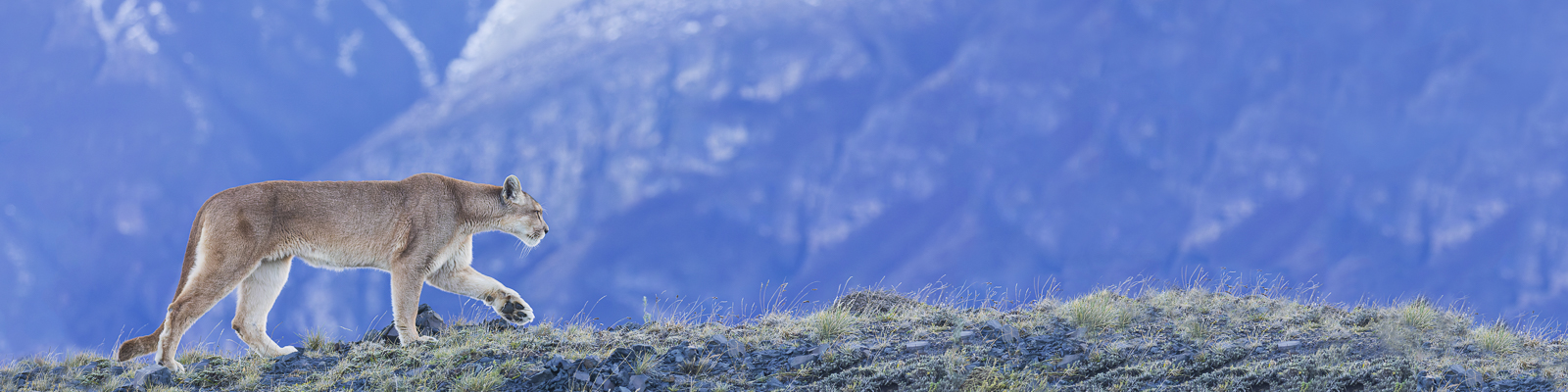
Fall is one of the most enjoyable times of the year for birdwatchers in the Netherlands. It is a long and gradual period, roughly spanning from the last two weeks of August until early November, during which new (scarce) species can be found every few weeks. Migration picks up again, temperatures start to drop, and birding becomes fun once more. Plenty of reasons to head outside!
Earlier this year, I started writing monthly highlight reports, but during the second half of 2025 that habit slowly faded. This was partly because I still had a lot of material to process from my trip to Uganda. In addition, I changed both my job and my place of residence, leaving me with even less spare time. Finally, autumn itself was not particularly spectacular for me. Of course, there were highlights, but I did not see any new bird species, and I had the feeling that many of the more exciting birds somehow passed me by. That was, of course, also due to the fact that I simply had less time to go out birding.
All of this makes it easy to summarize the highlights of the entire autumn in a single post. Fortunately, there were still quite a few!
On August 16th, I joined Jonathan Leeuwis in the Biesbosch, where he pointed out many interesting subjects for macro photography. In the end, my favorite species turned out to be the European Hornet, which I did not even need a macro lens to photograph! I had seen these impressive wasps many times before, but the nest site offered a great opportunity to capture some flight shots. That is something I would like to spend more time on in the future.
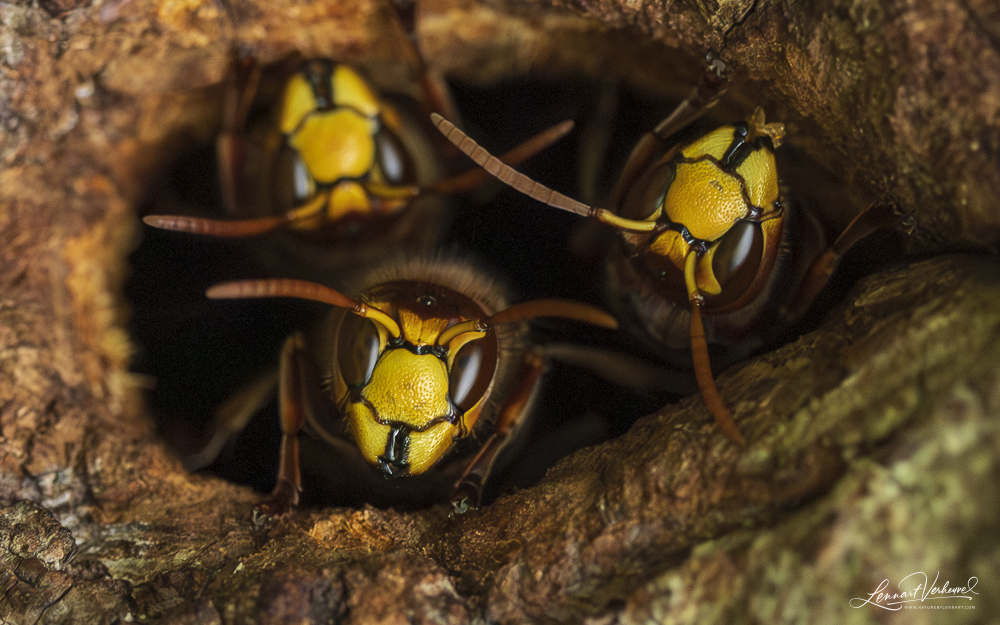
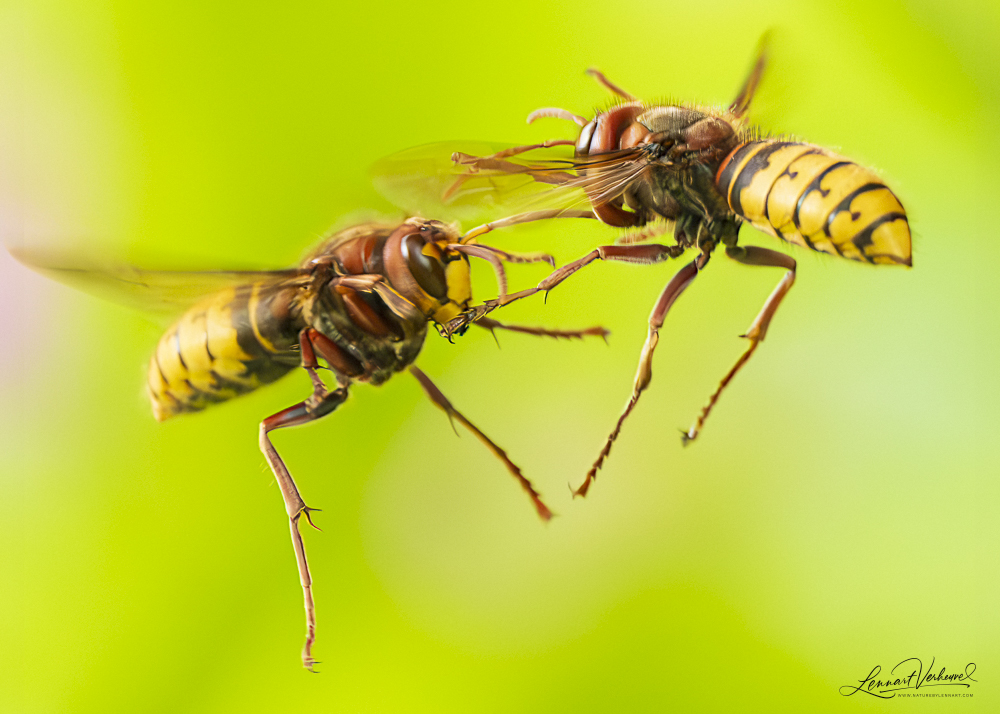
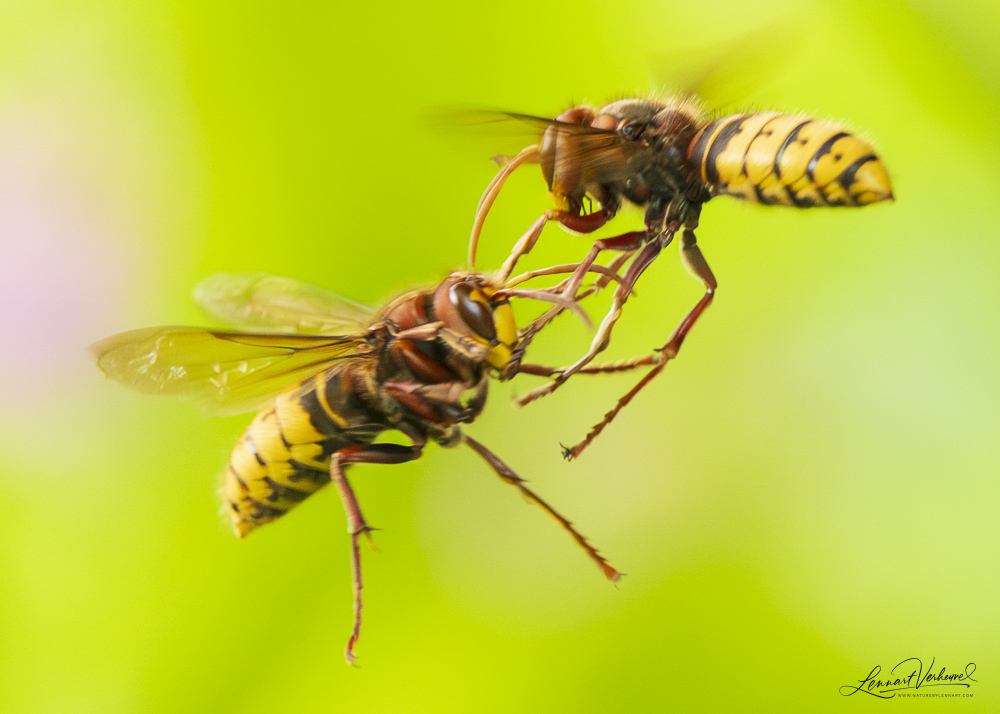
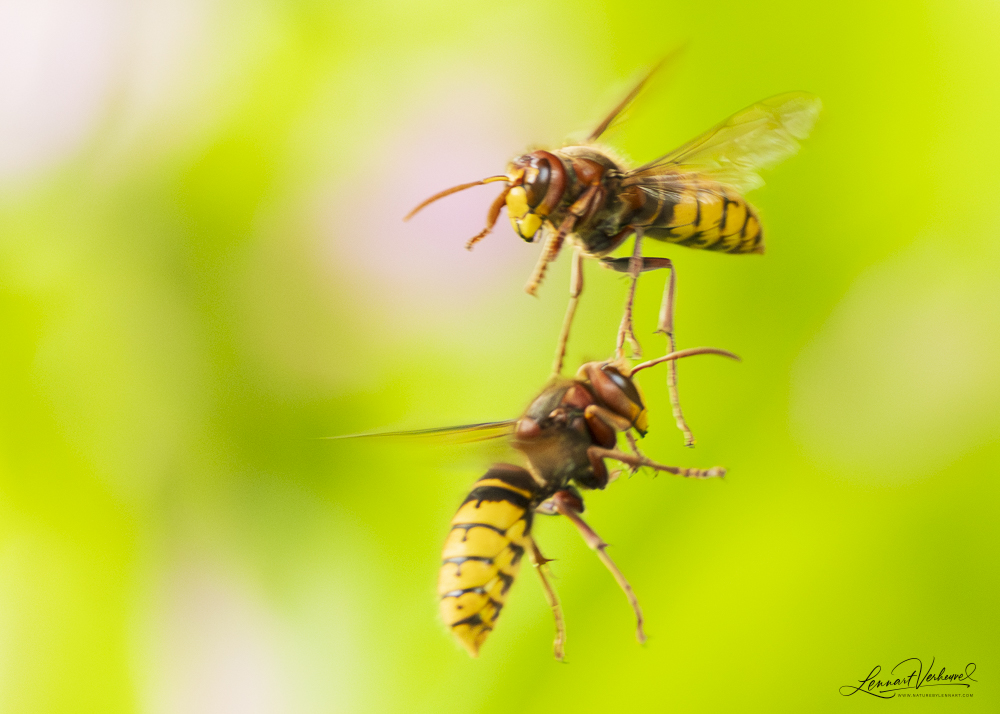
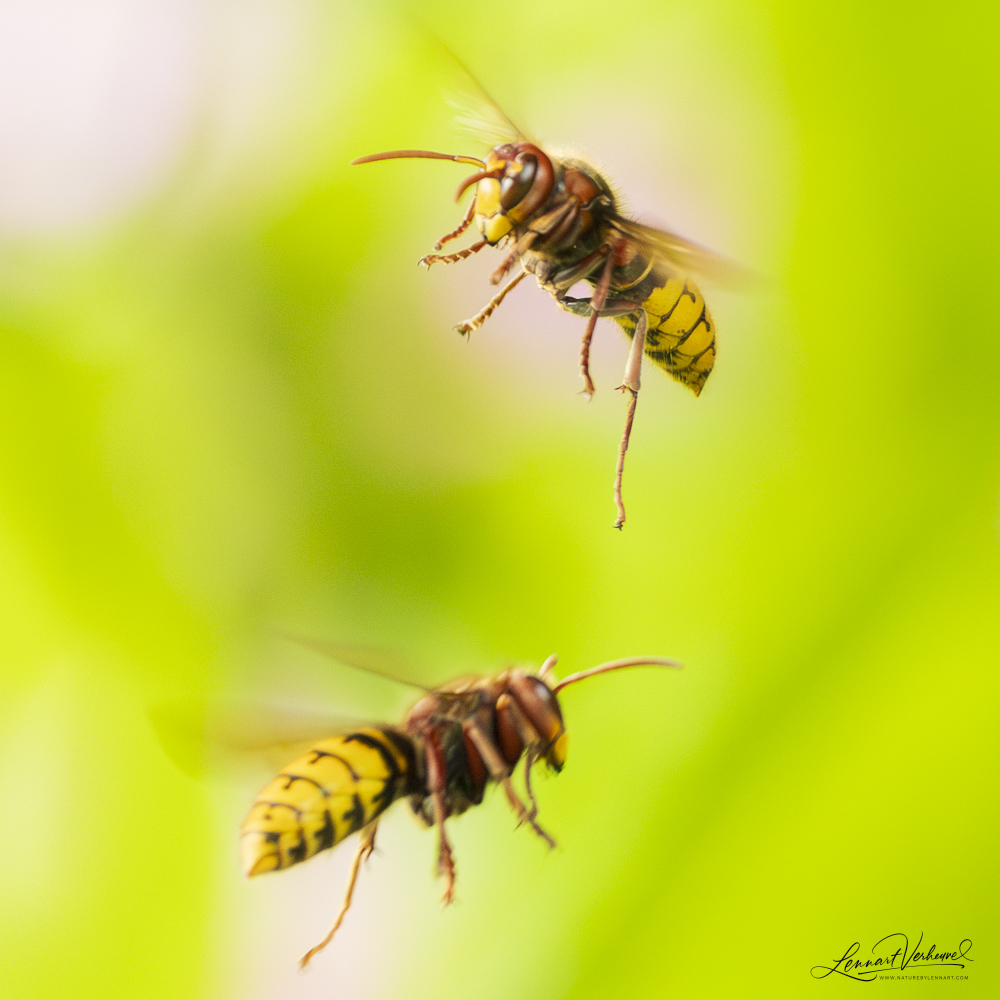
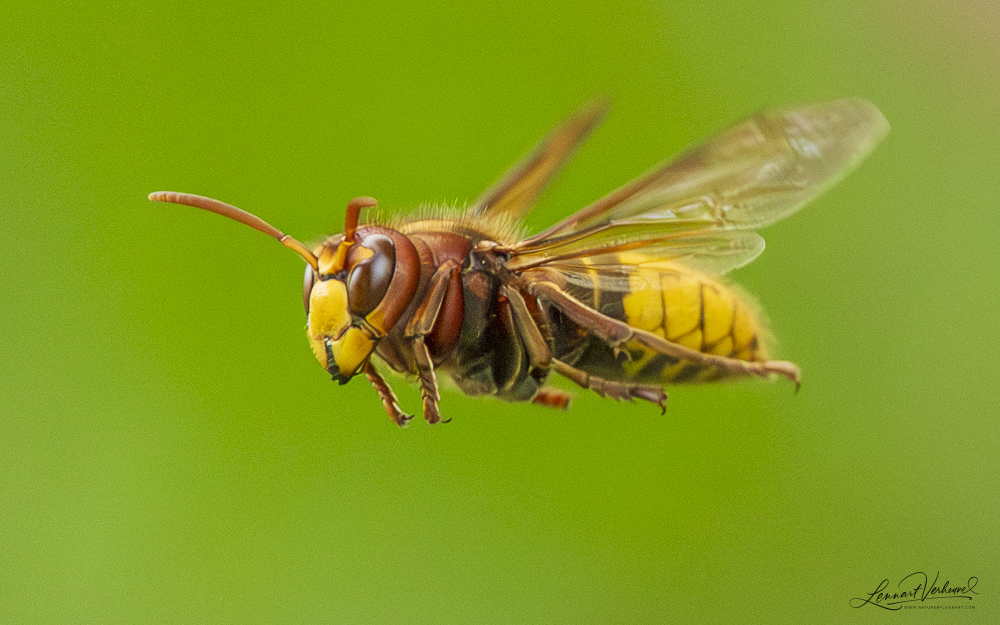
European Hornet
On September 6th, I led an excursion at the Kwade Hoek for Dagje in de Natuur, which resulted in a moment I had been hoping for for a long time: a Peregrine Falcon on the beach with prey! Together with my participants, we managed to approach the bird at fairly close range. It was a young bird, which probably helped. This resulted in a nice series of photos. The falcon remained very faithful to the tideline while plucking its prey, and as a result we encountered it again on our way back.
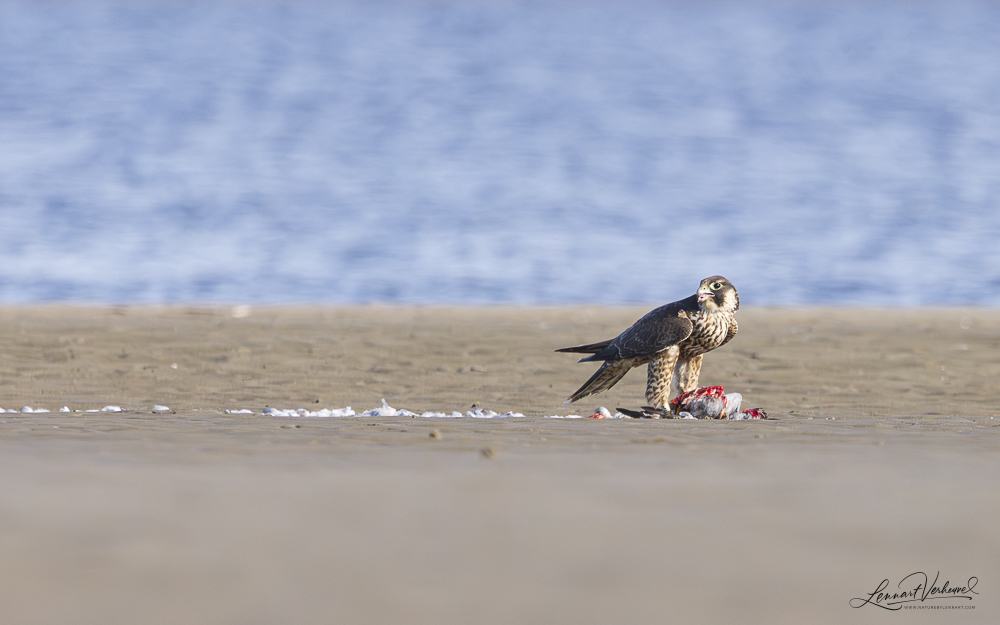
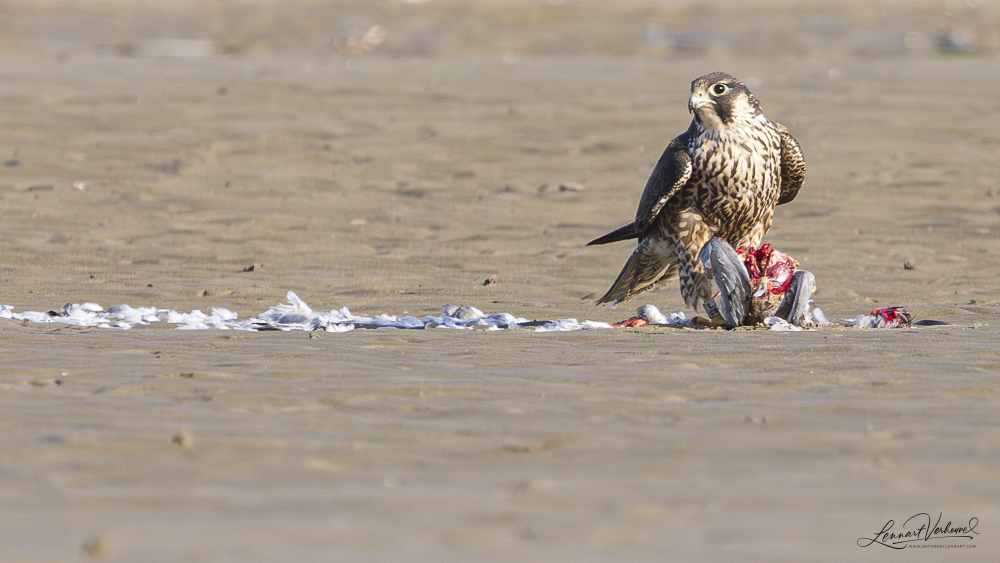
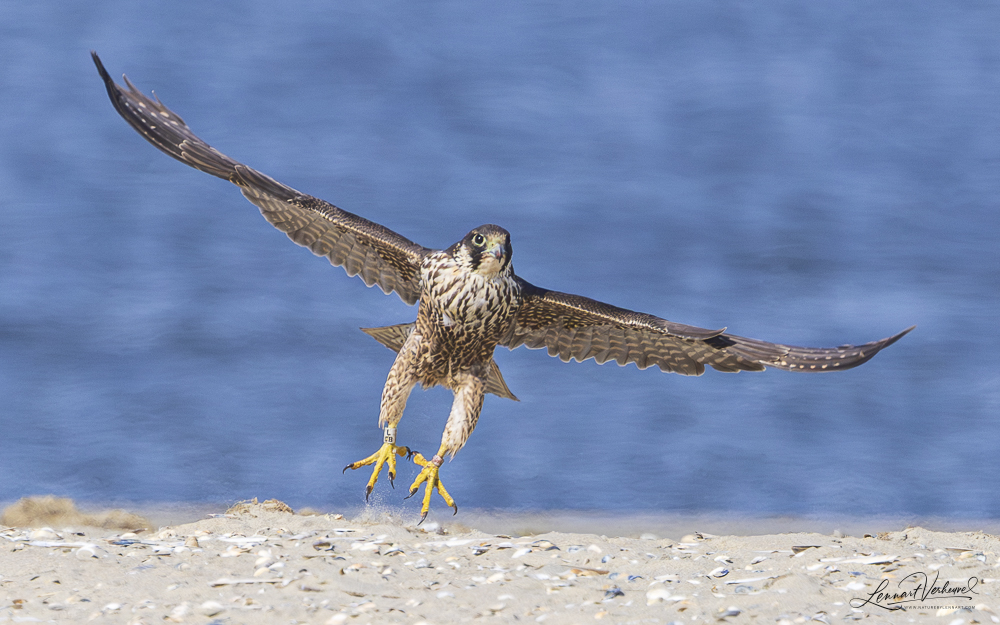
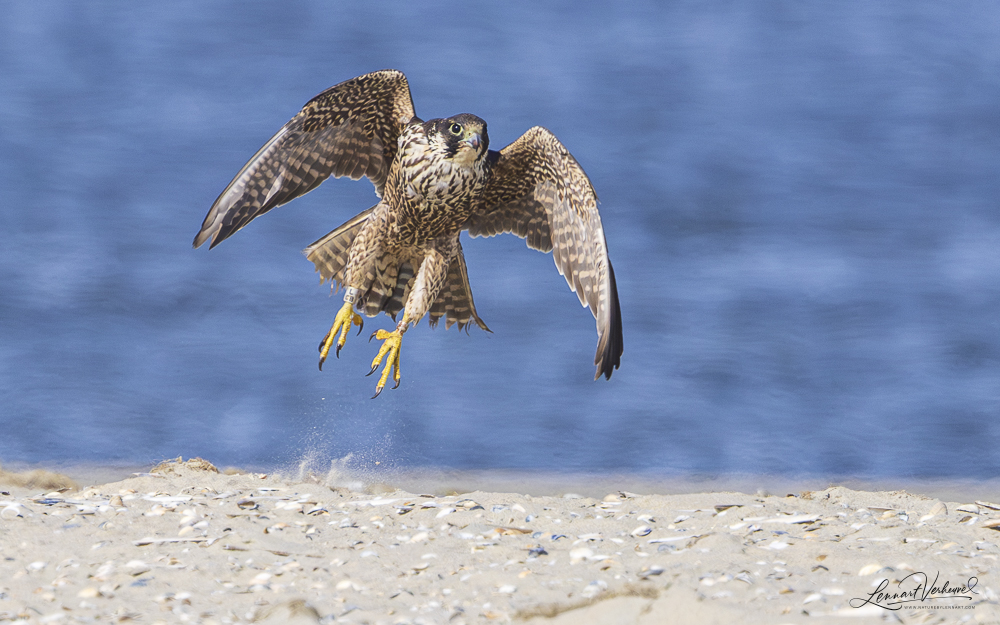
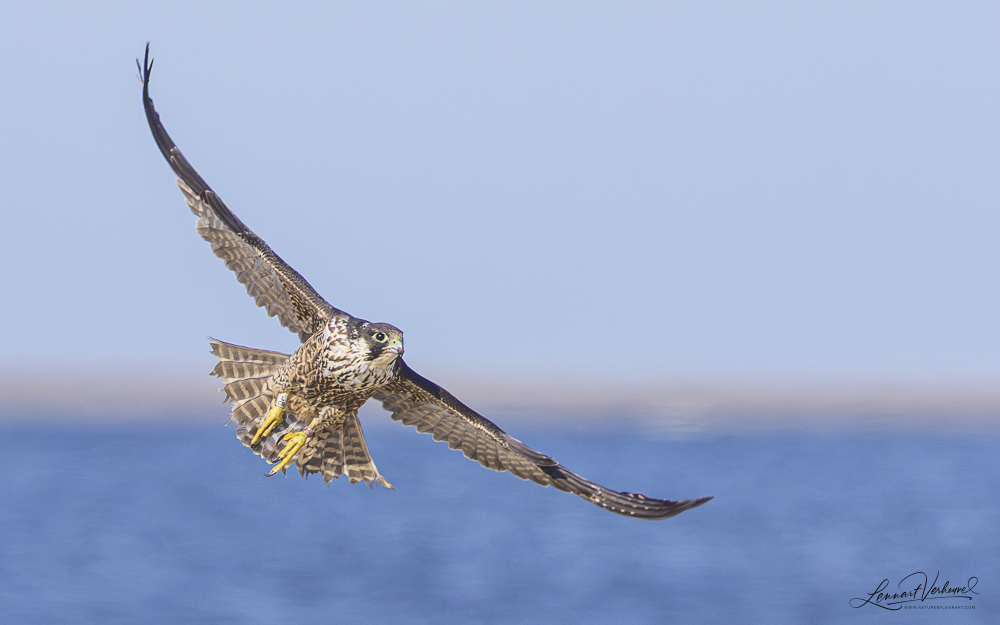
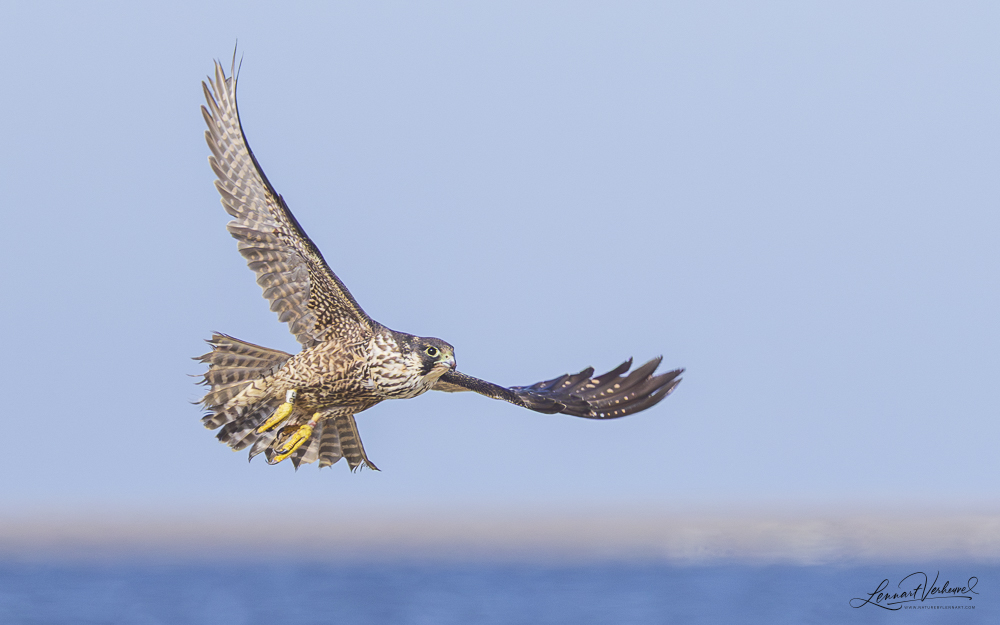
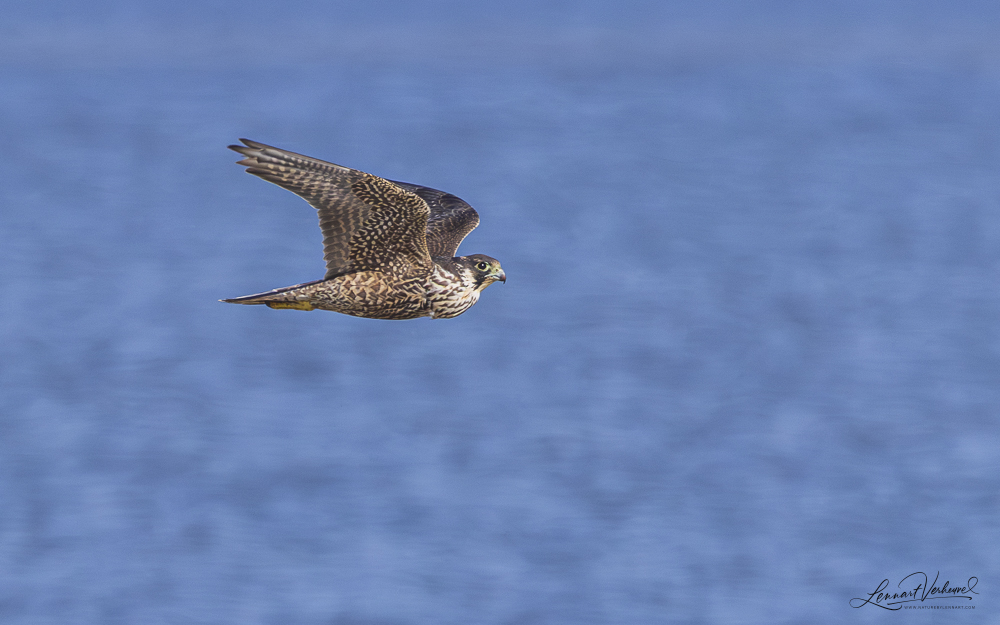
Peregrine Falcon
Coincidentally, there was also a young Eurasian Hobby on the beach that same day. It seemed rather tame, but another photographer present was not particularly good at making use of that moment. We decided to leave the bird alone.
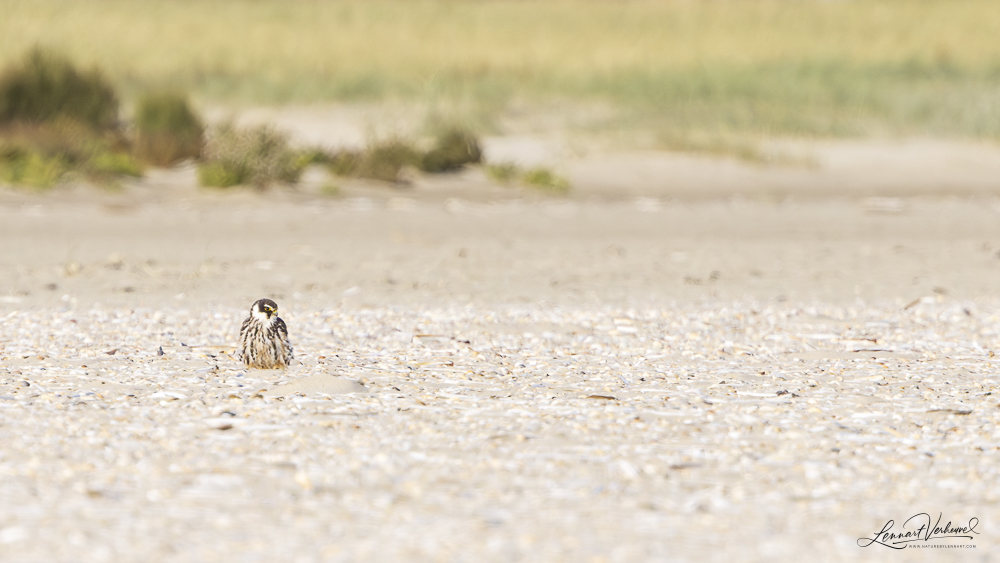
Eurasian Hobby
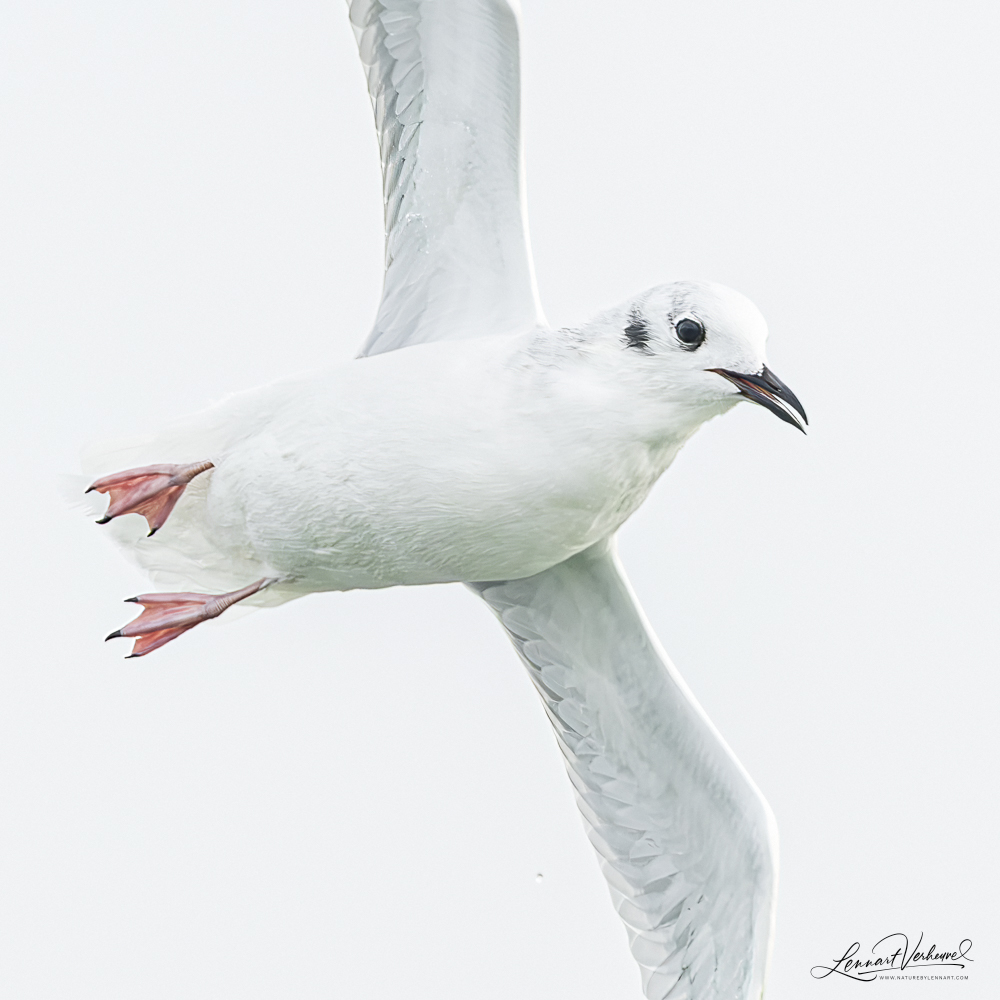
On September 27th came the highlight of my autumn: the discovery of a Bonaparte’s Gull! I was guiding on a pelagic trip organized by Dagje in de Natuur, together with Gijsbert Twigt and Jesse Zwart. We departed from Den Helder. Just as we were about to head out to sea, Gijsbert raised the alarm about a striking gull. The bird flew away from us together with two Black-headed Gulls, but fortunately turned back. “Bonaparte’s Gull!” Gijsbert shouted, and Jesse quickly echoed that call when he also got the bird in view.
I did my best to photograph the exciting gull immediately, but I also allowed myself a quick look through my binoculars, as I was not yet fully convinced by what I saw through the camera. One look was enough to confirm that all the excitement was justified! When the bird came really close, it was also clearly visible through the lens. It even flew all the way behind our boat, allowing me to get a good series of photos straight away.
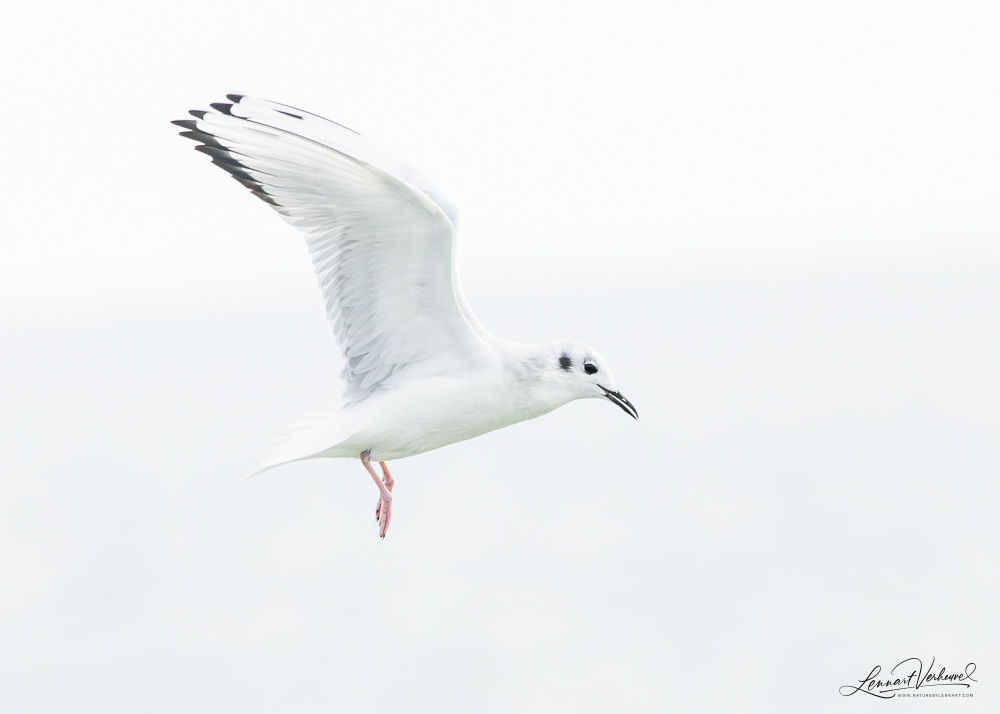
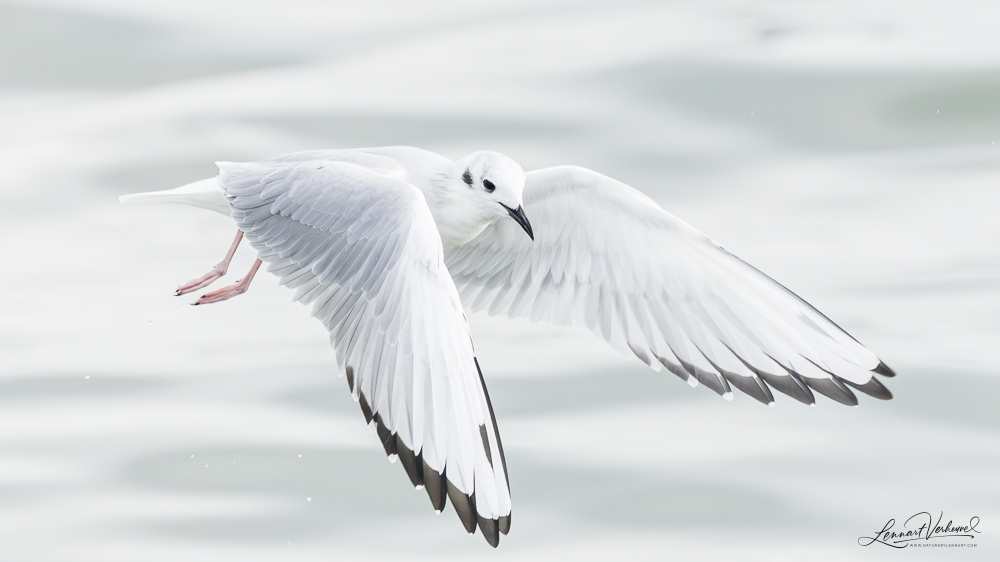
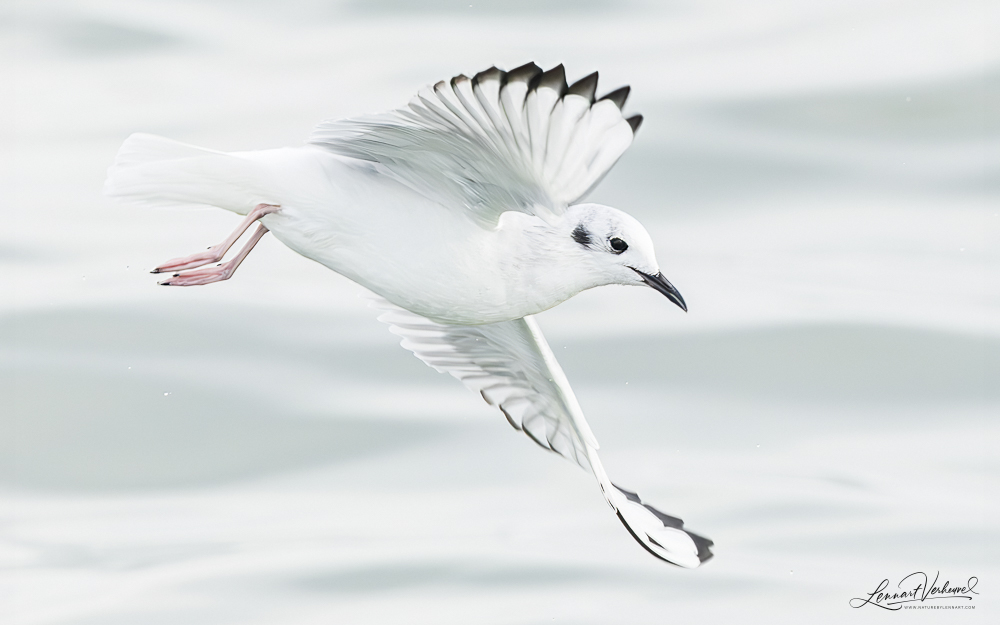
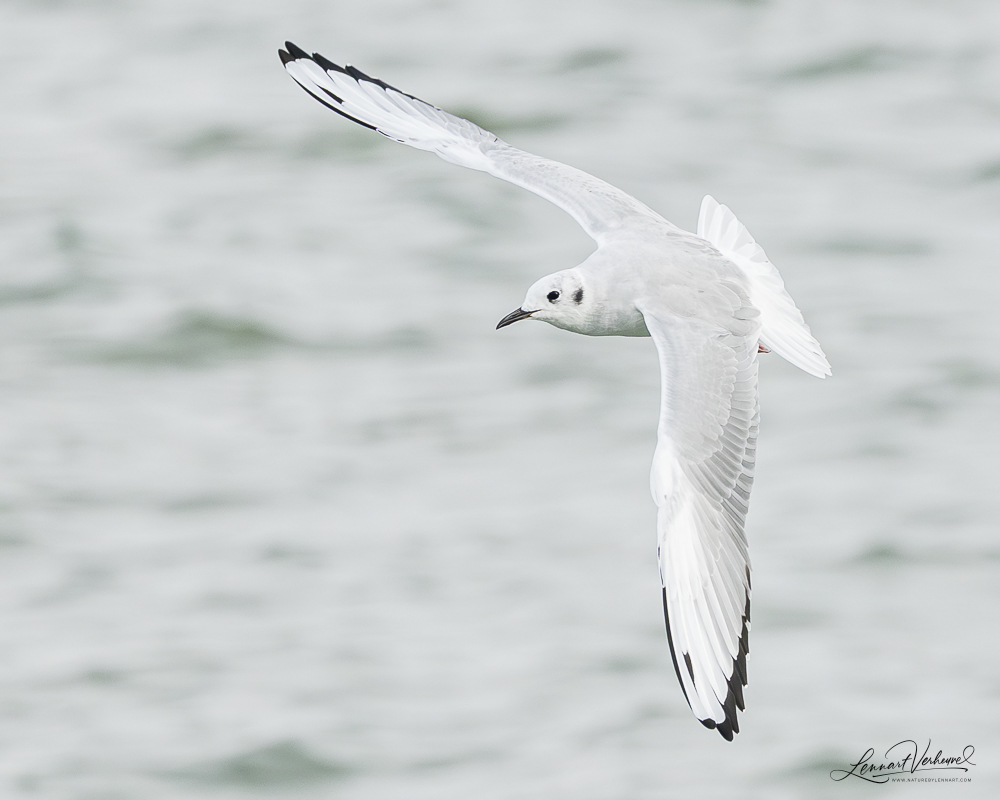
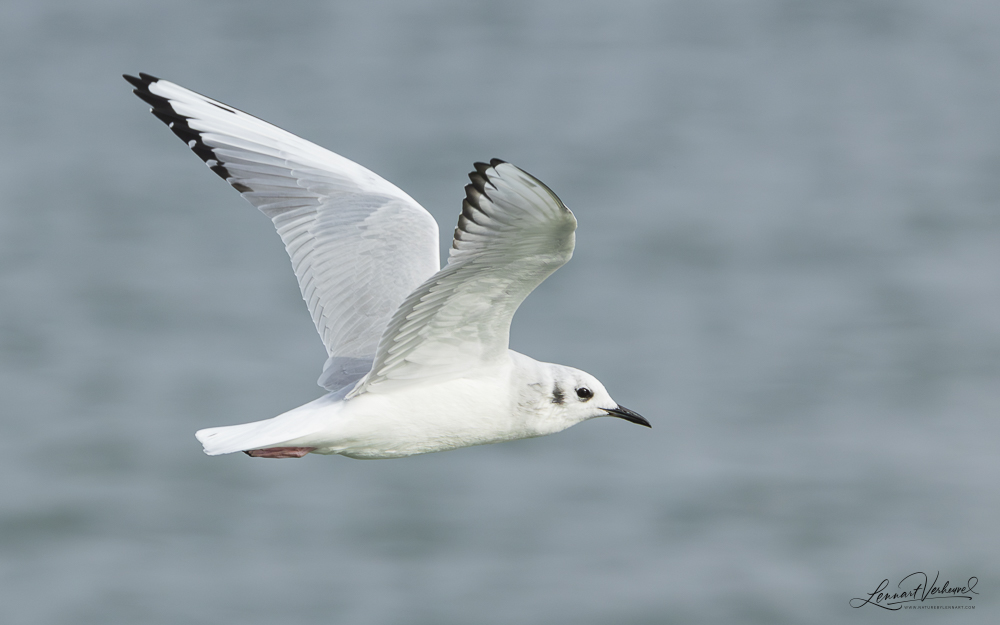
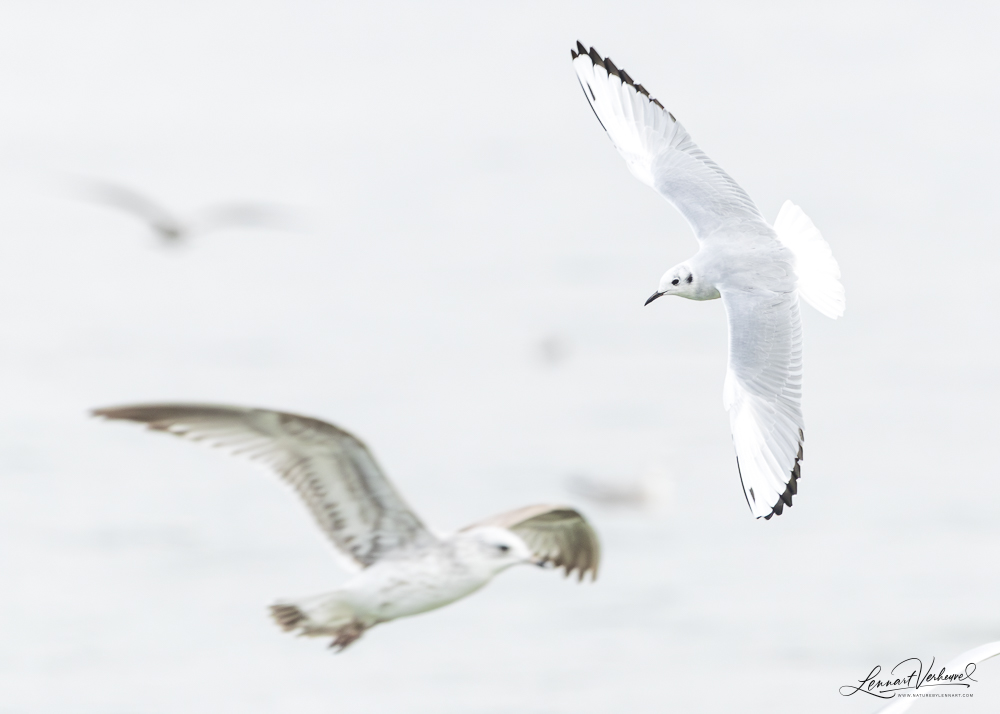
Bonaparte’s Gull
After that, the bird flew off again, which was a tense moment because some of the participants had not yet seen it. Luckily, it returned once more after a few minutes, so in the end everyone on board was able to enjoy this extremely rare species in the Netherlands. And that was not the end of it: eventually, birdwatchers all across the country were able to admire the bird. It remained in the vicinity of the harbor of Den Helder or Texel for several weeks and could regularly be seen following the ferry to Texel. For the discovery story written by Jesse (in Dutch), see dagjeindenatuur.nl.
We had an autumn with several days of strong winds, which are usually good for sea watching. For some reason, however, the numbers were often disappointing, with fewer seabirds than expected. Ironically, the best day came when I did not have my camera with me, but I was still able to enjoy several hours after work watching large numbers of Manx Shearwater on migration. That day even resulted in a new Dutch day record!
On October 4th, I positioned myself at Westkapelle, this time of course with my camera. I enjoyed typical seabirds such as Great Skua and Arctic Skua, but my favorite photos were of a foraging Snow Bunting bravely defying the bad weather. It also made very clear to the Ruddy Turnstones present who was in charge!
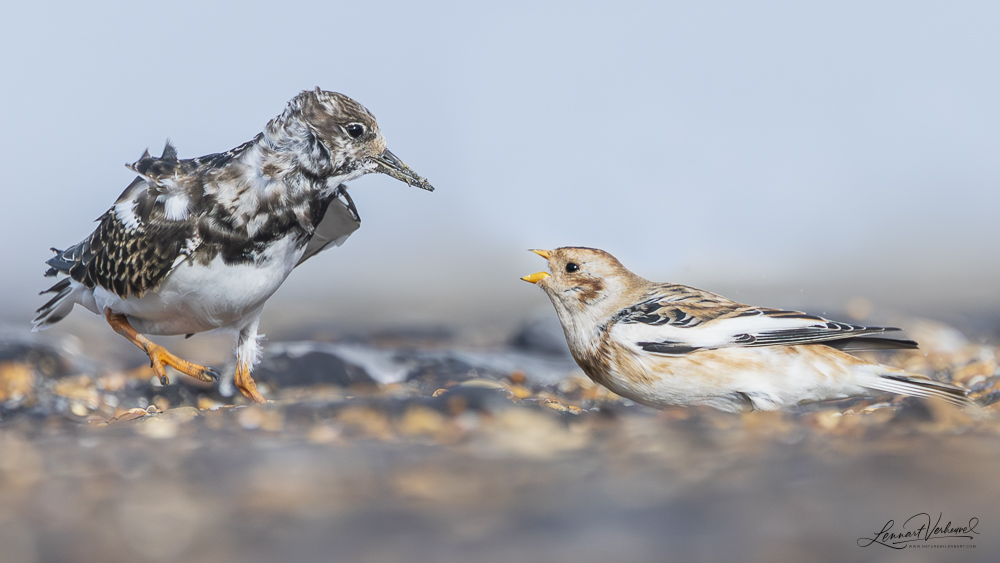
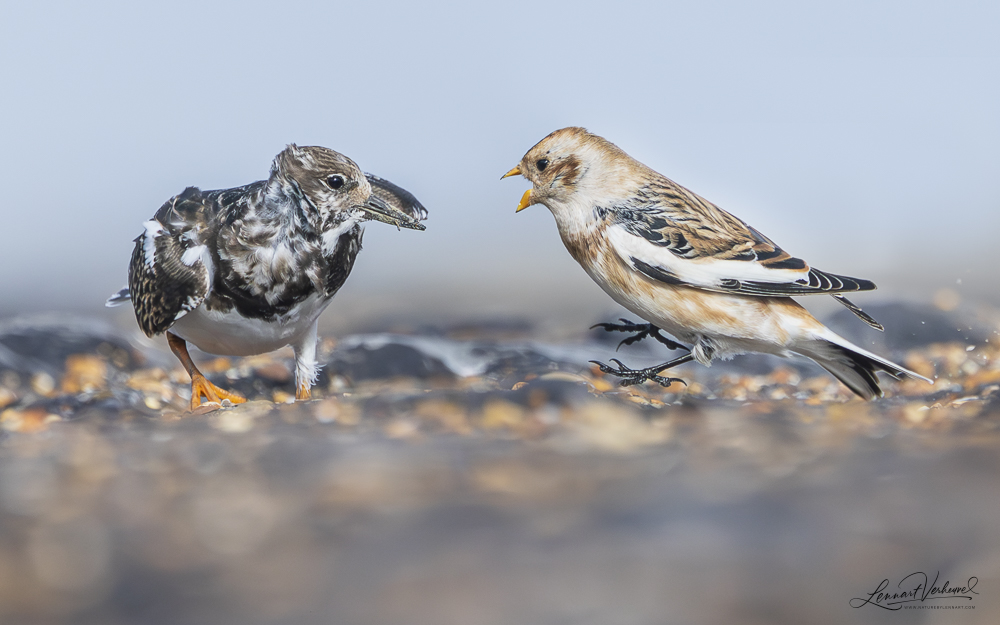
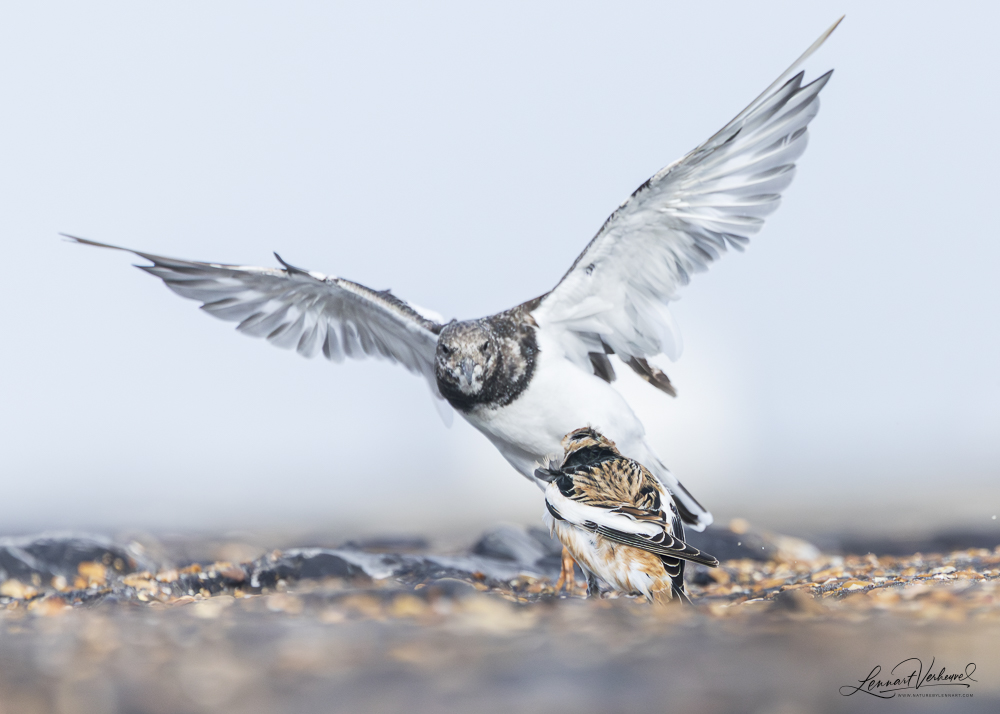
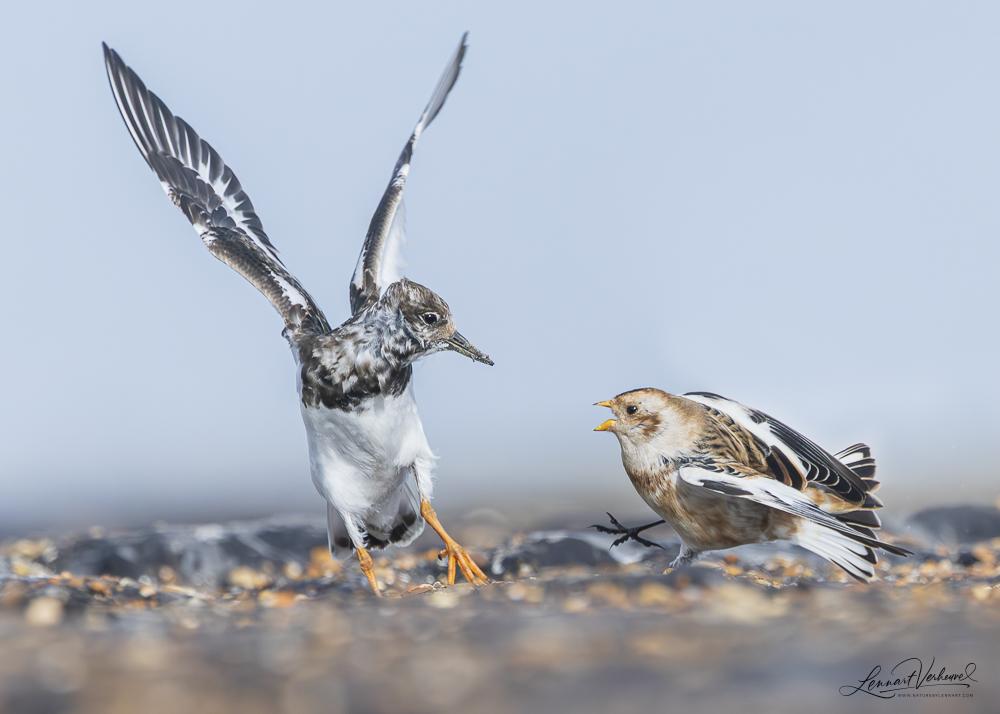
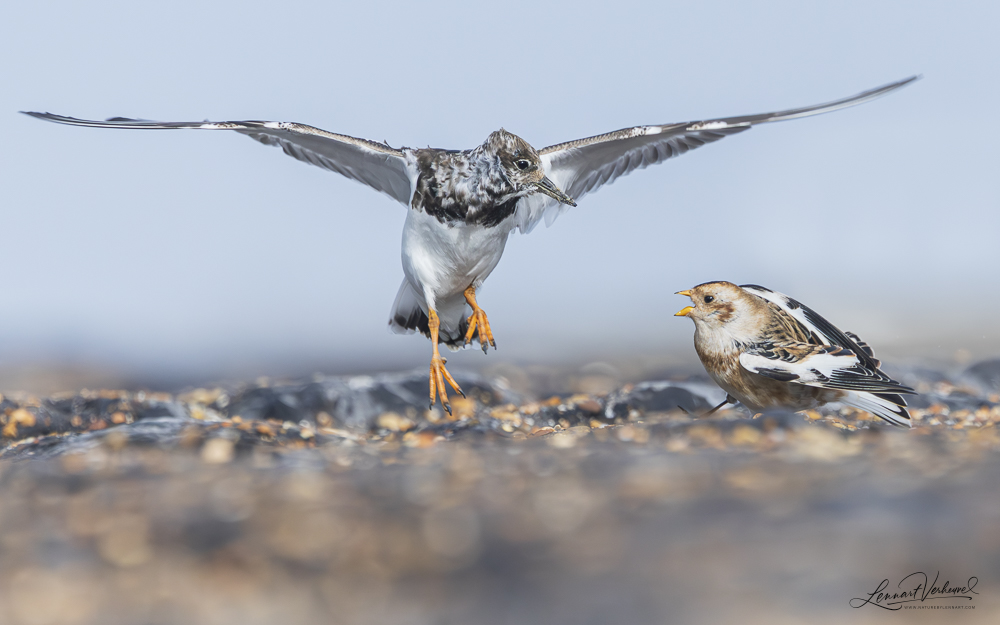
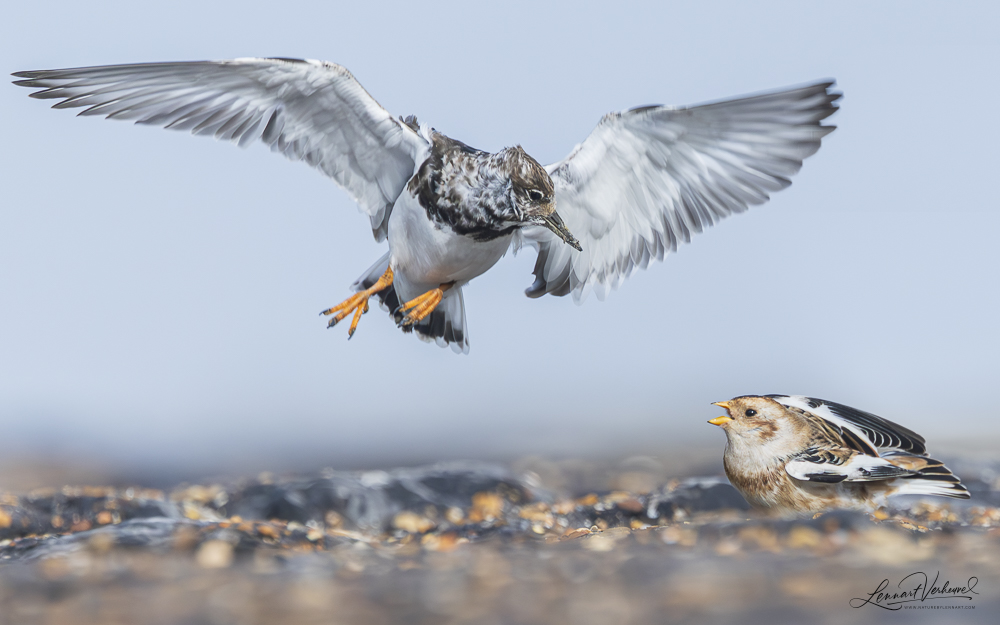
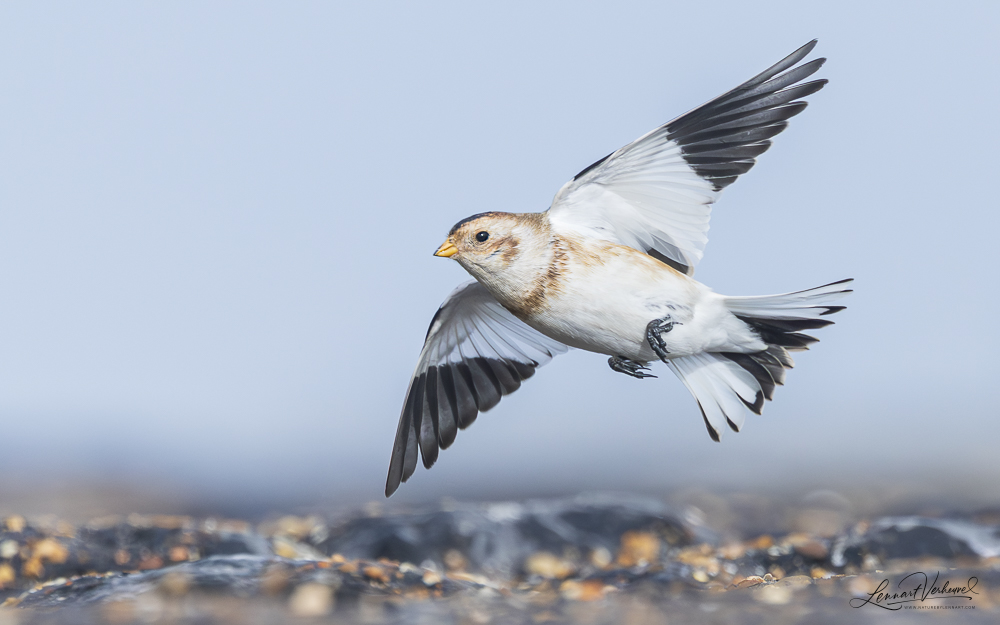
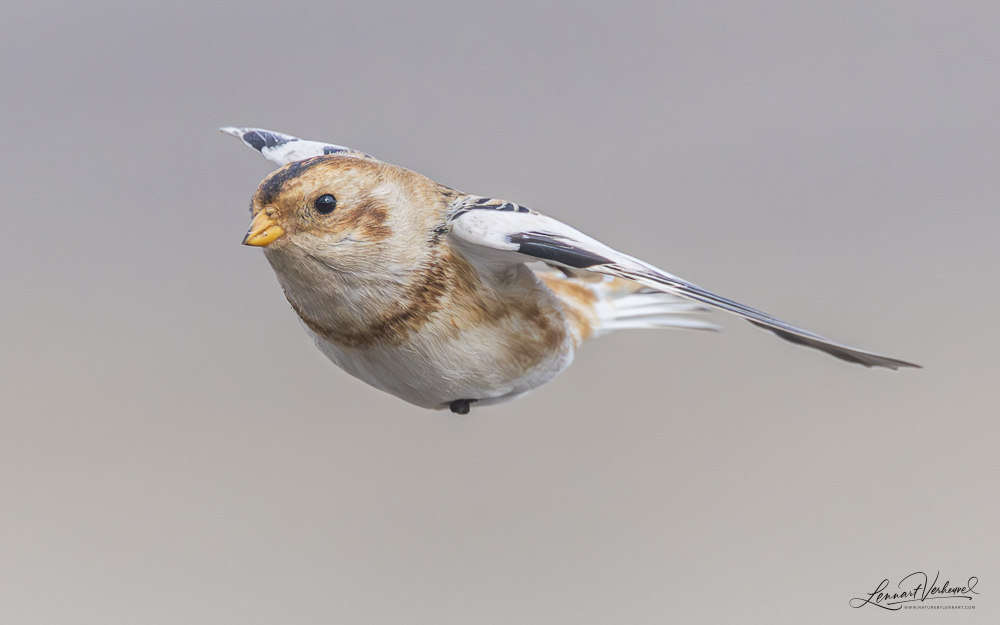
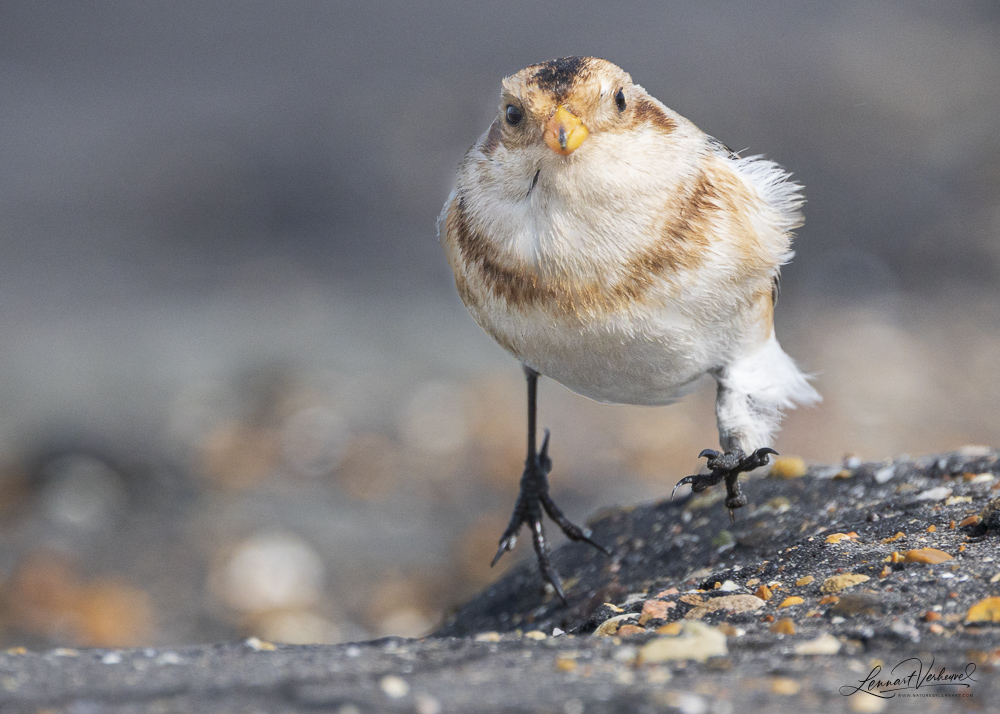
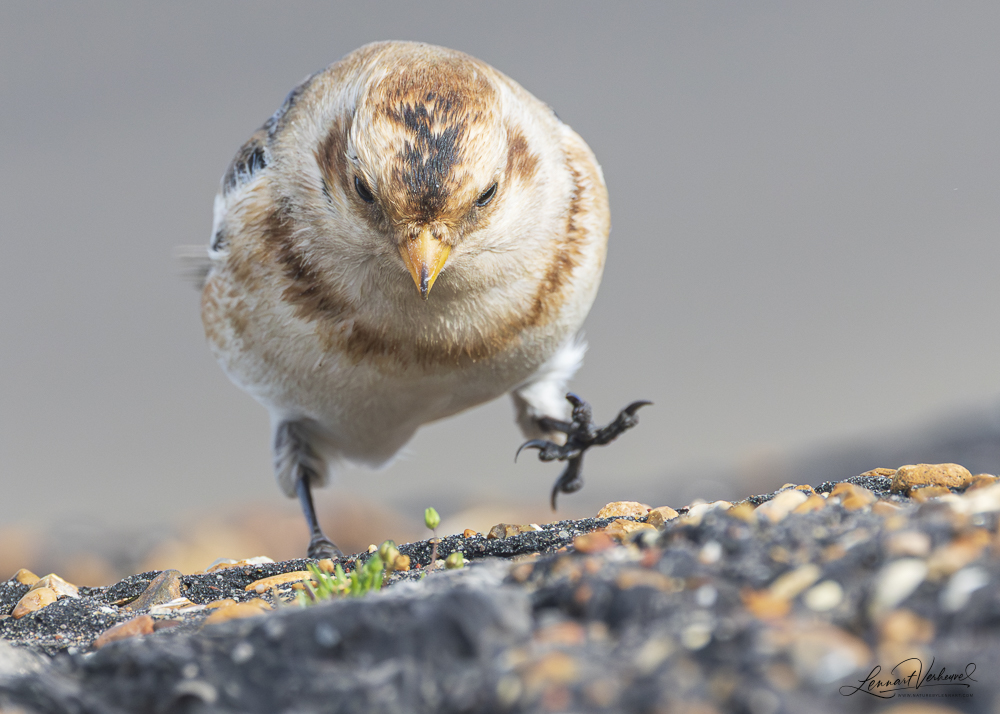
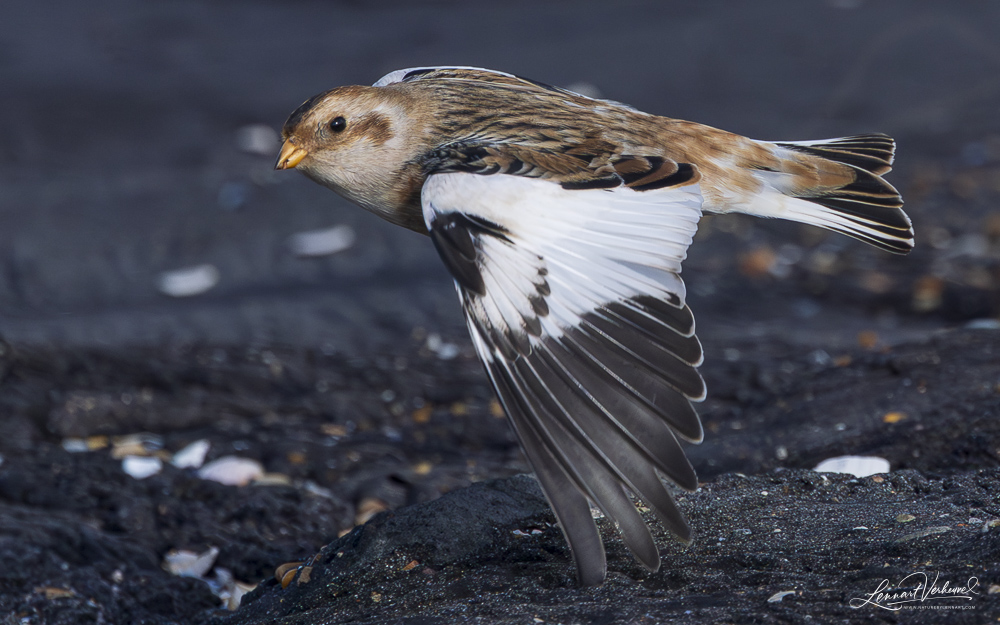
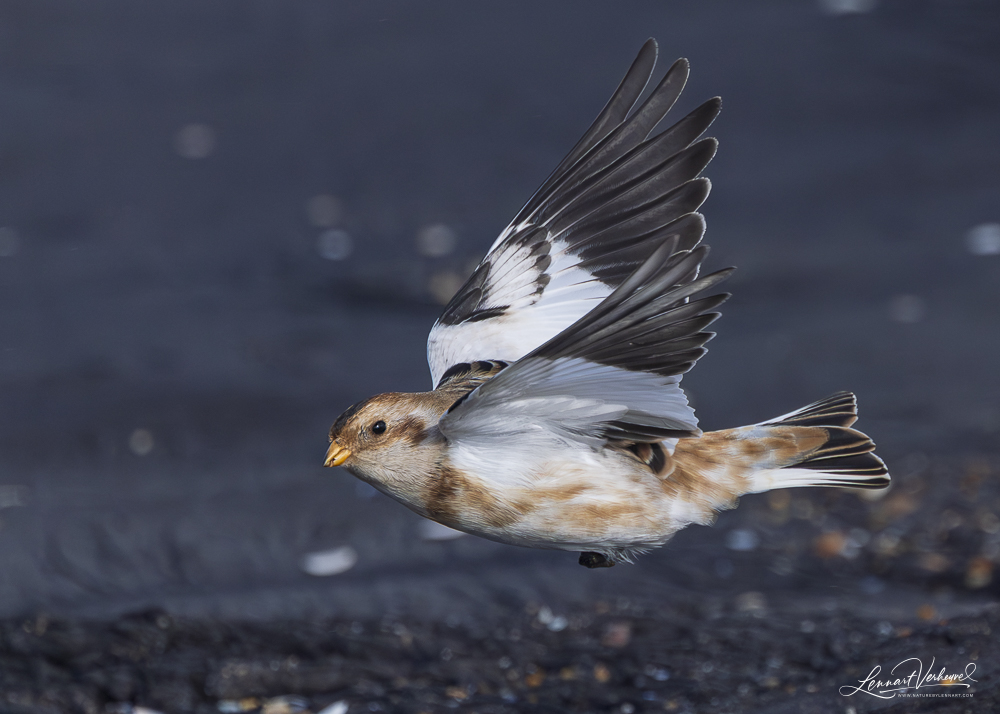
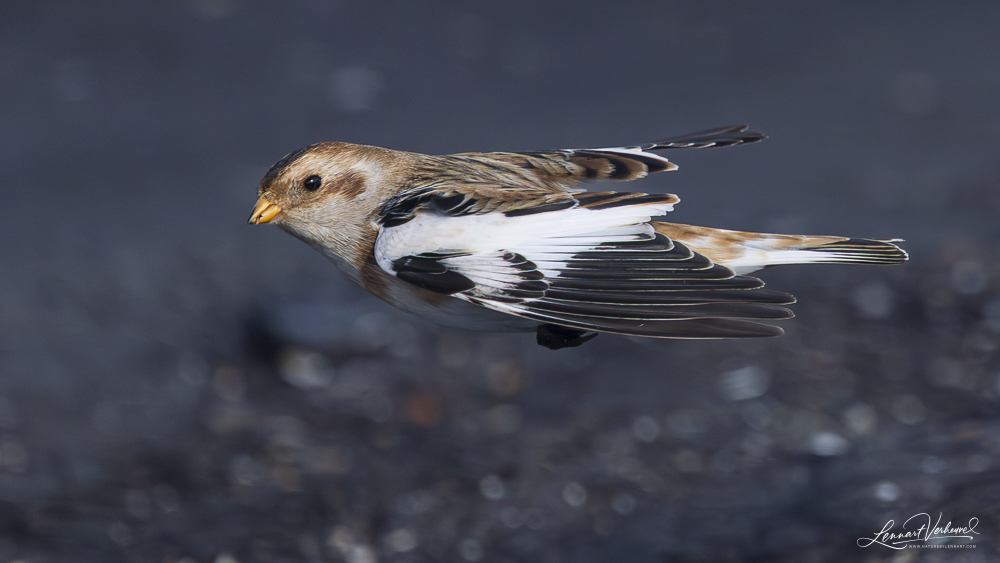
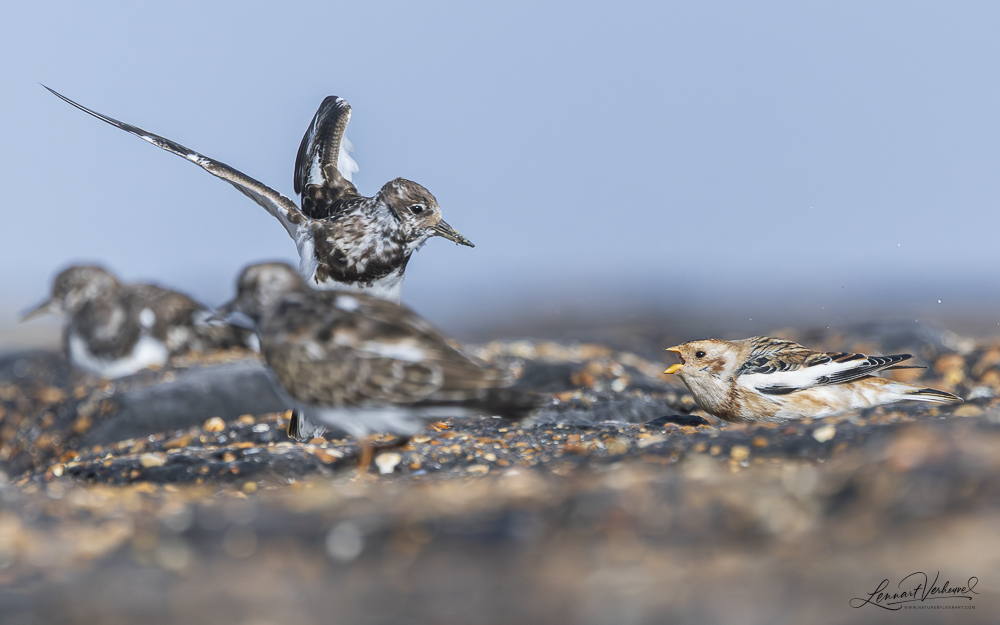
Snow Bunting with Ruddy Turnstones
On October 18th, another Dagje in de Natuur boat trip was on the schedule. We had a stunning observation of a Great Skua out at sea, harassing gulls.
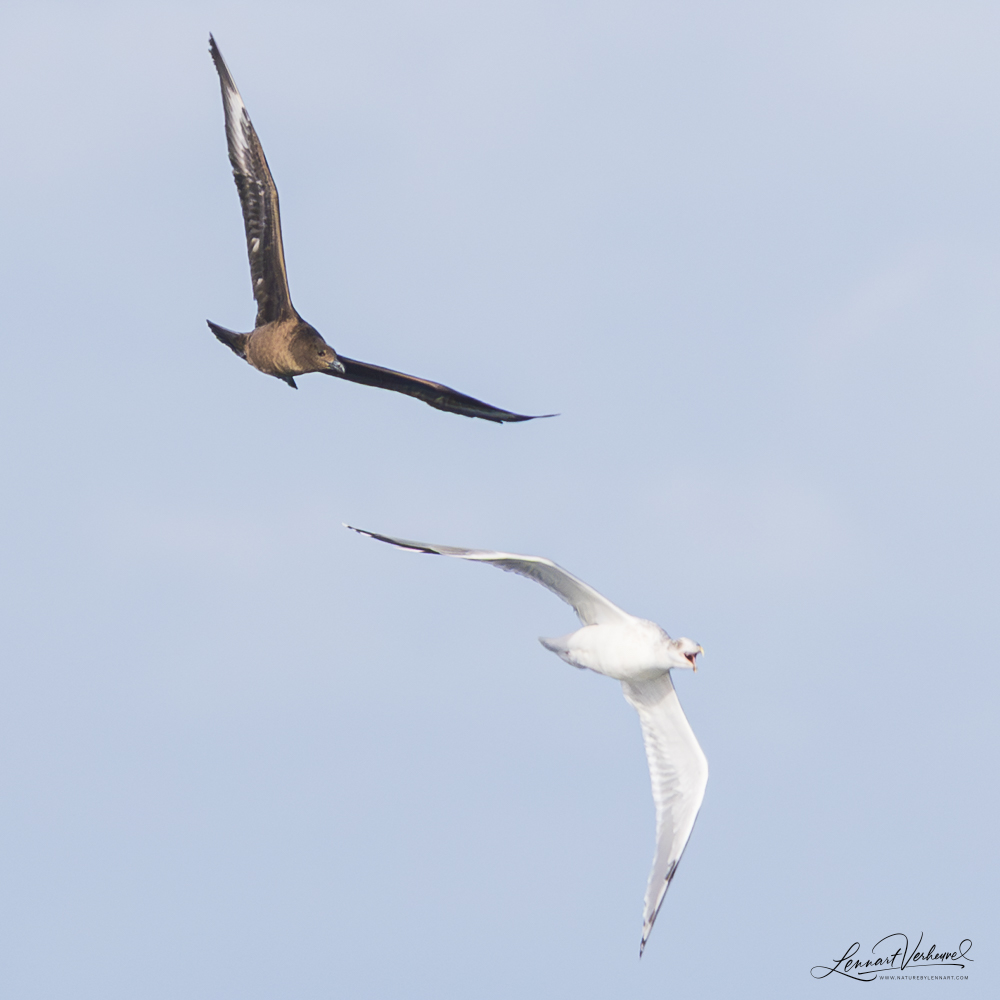
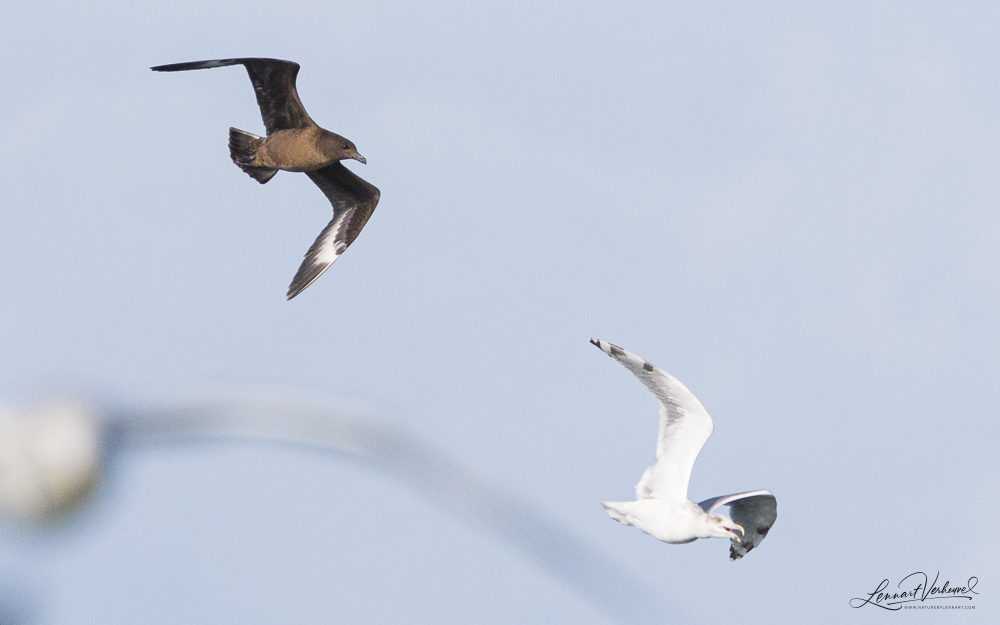
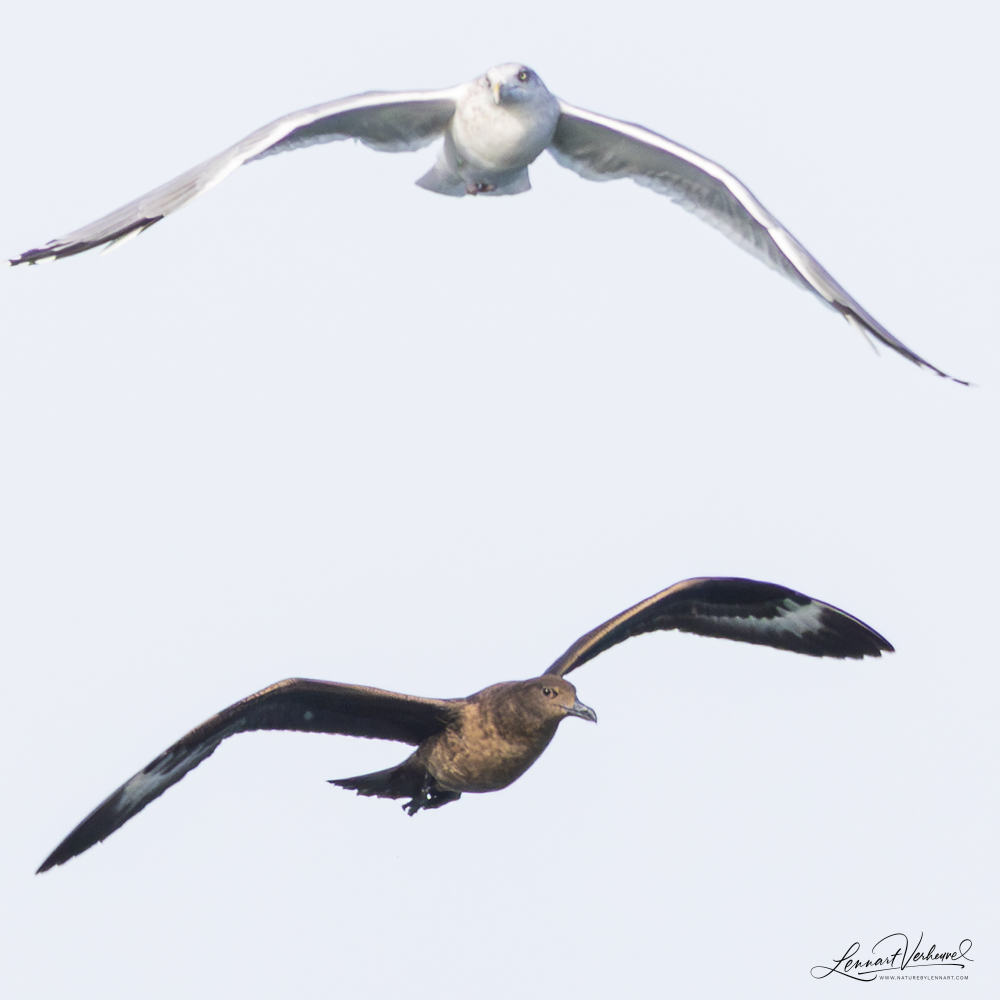
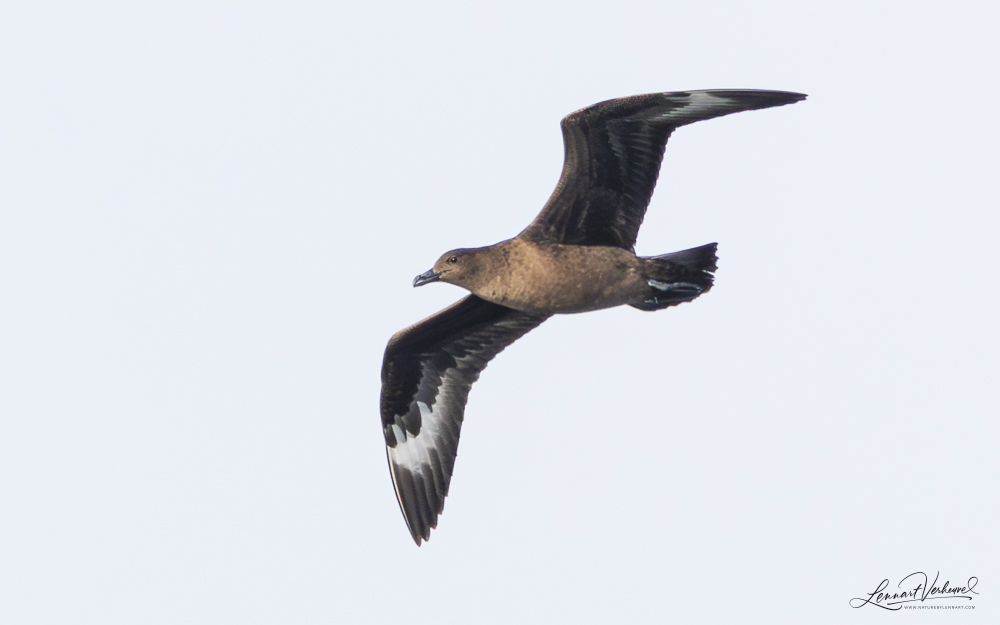
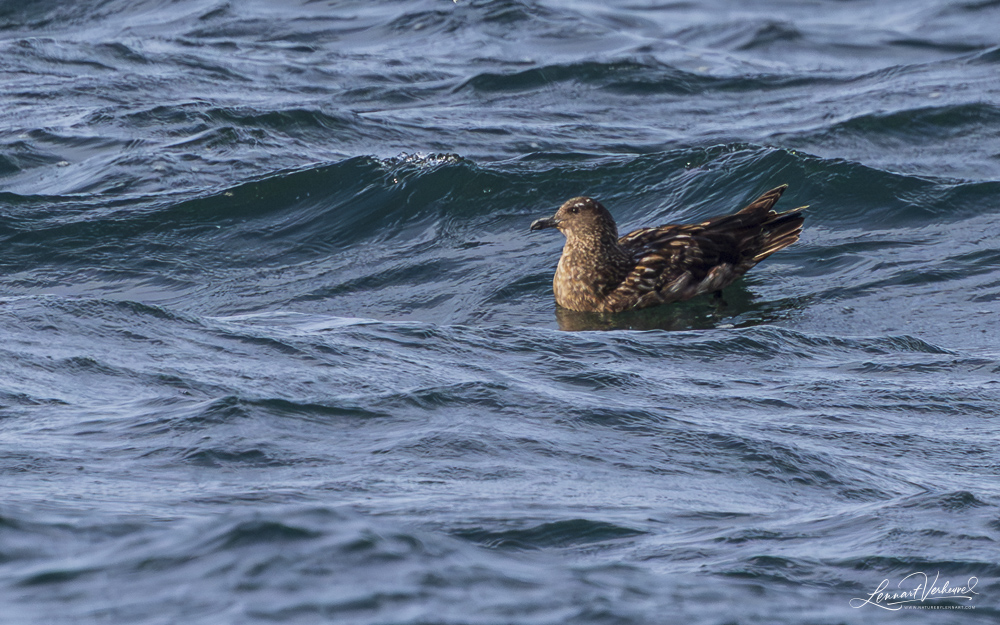
Great Skua with Herring Gull
I was also able to improve my photos of Black-legged Kittiwake.
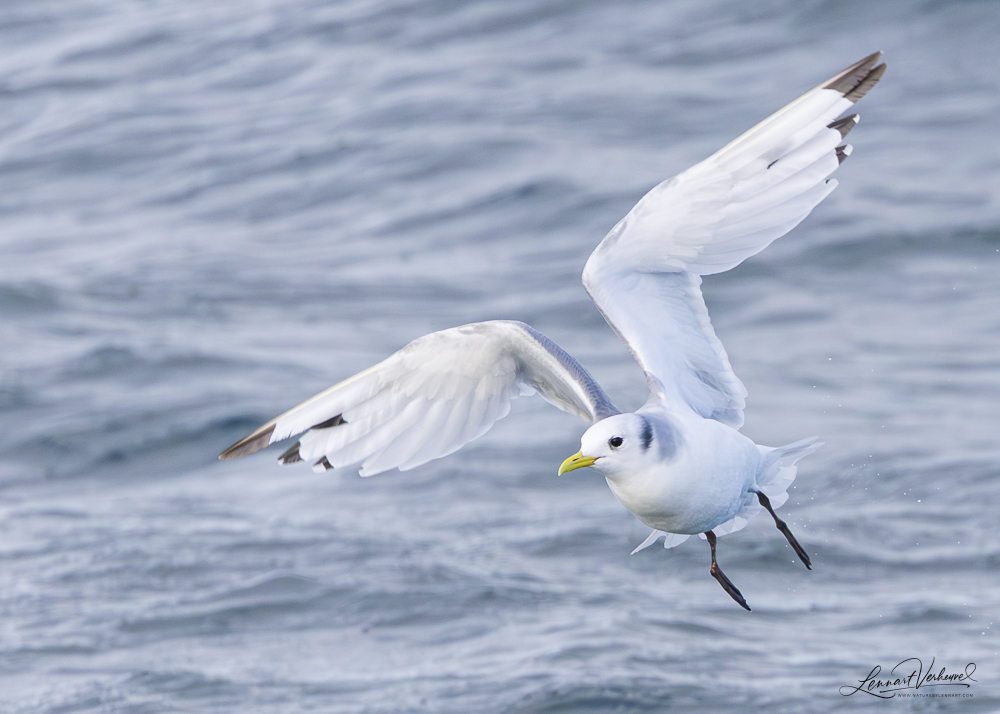
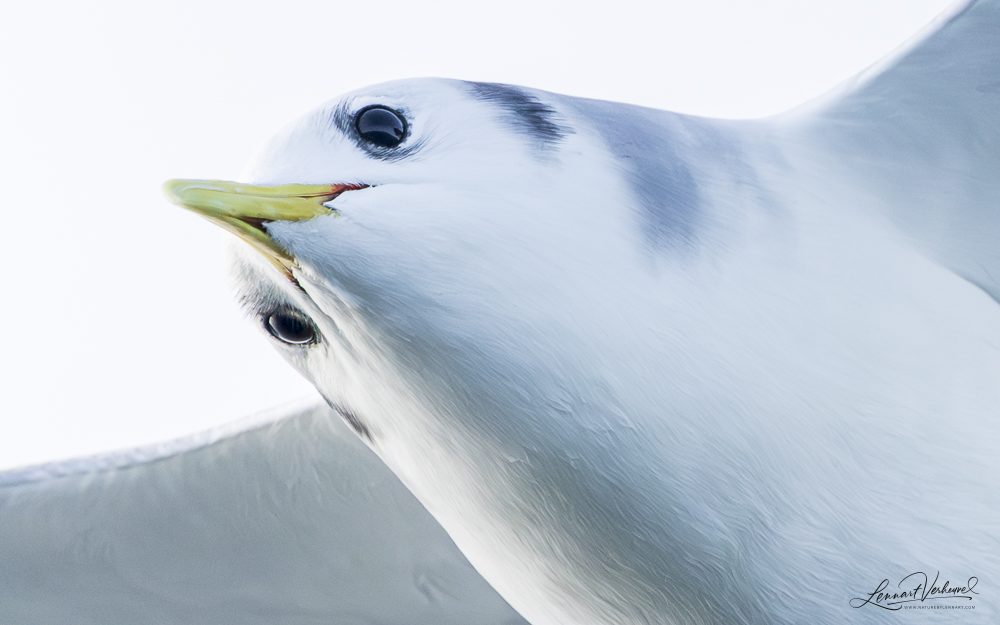
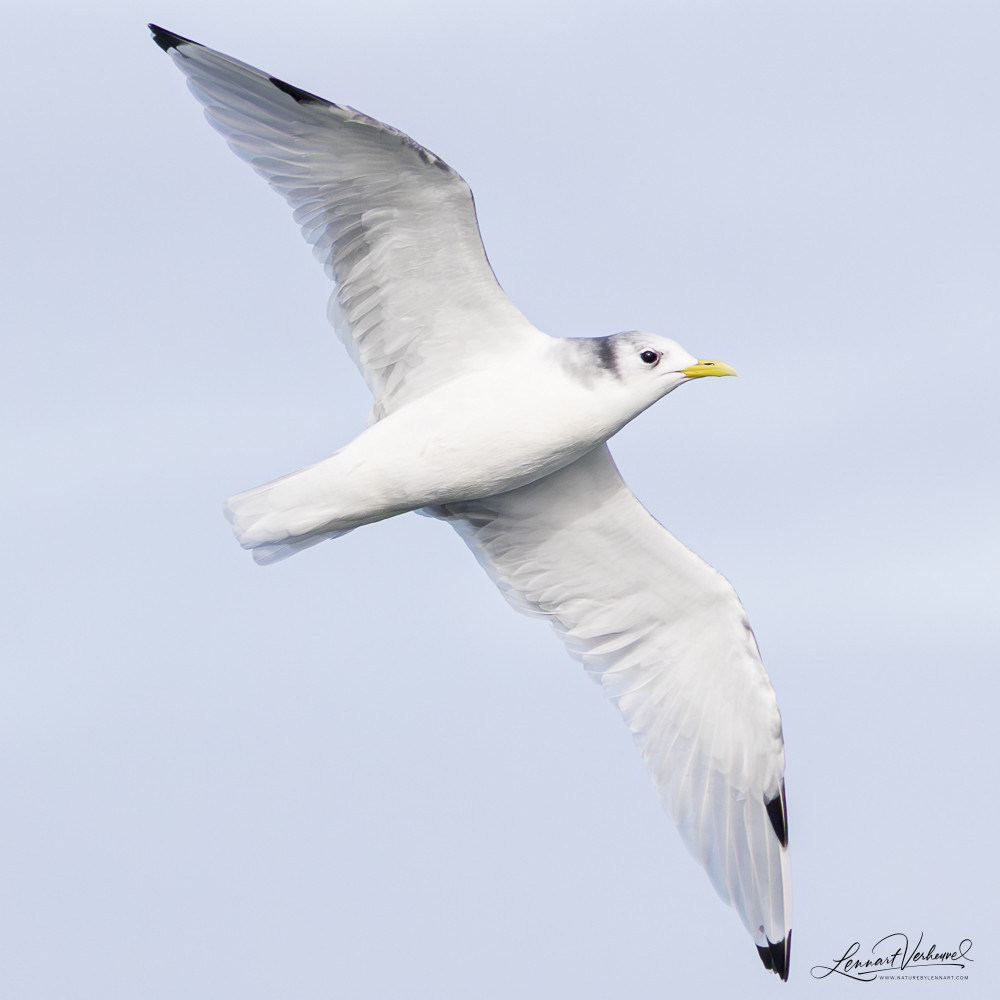
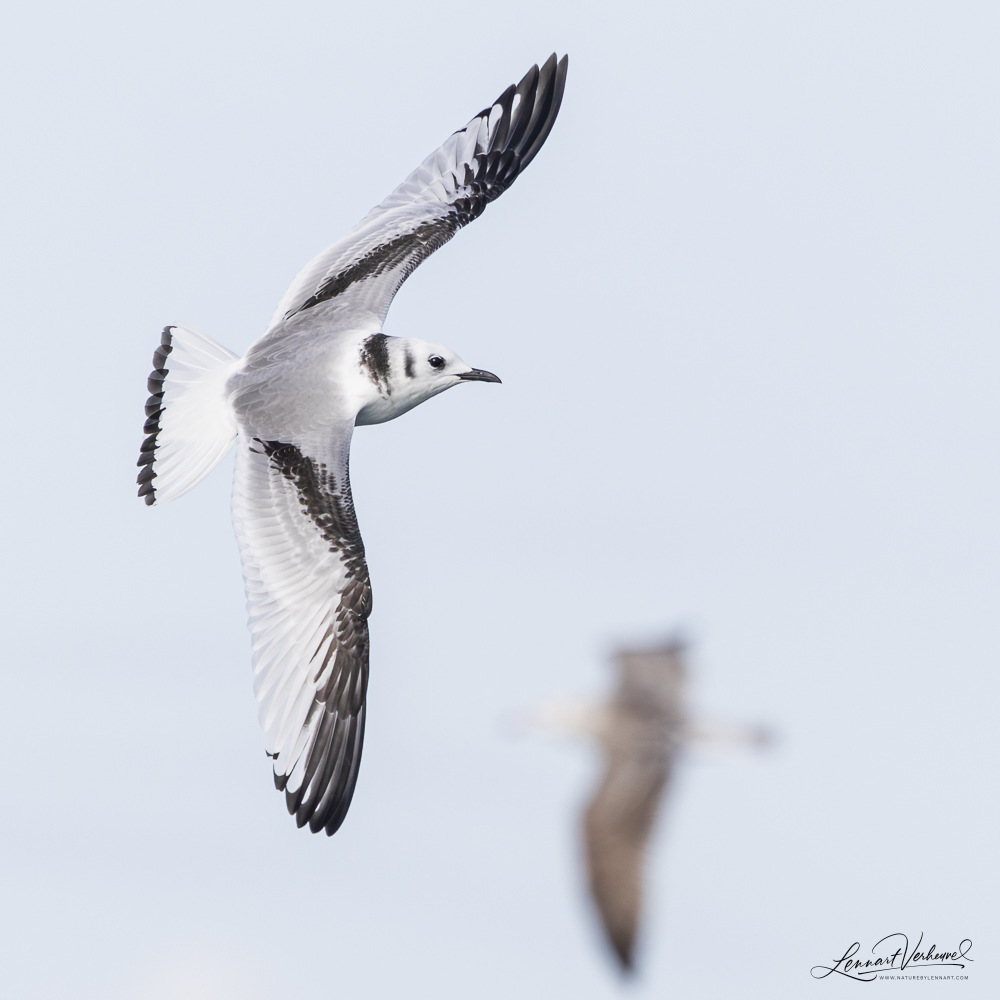
Black-legged Kittiwake (adult and first year)
The Northern Fulmar is becoming an increasingly scarce seabird, so we were pleased that it showed itself so well.
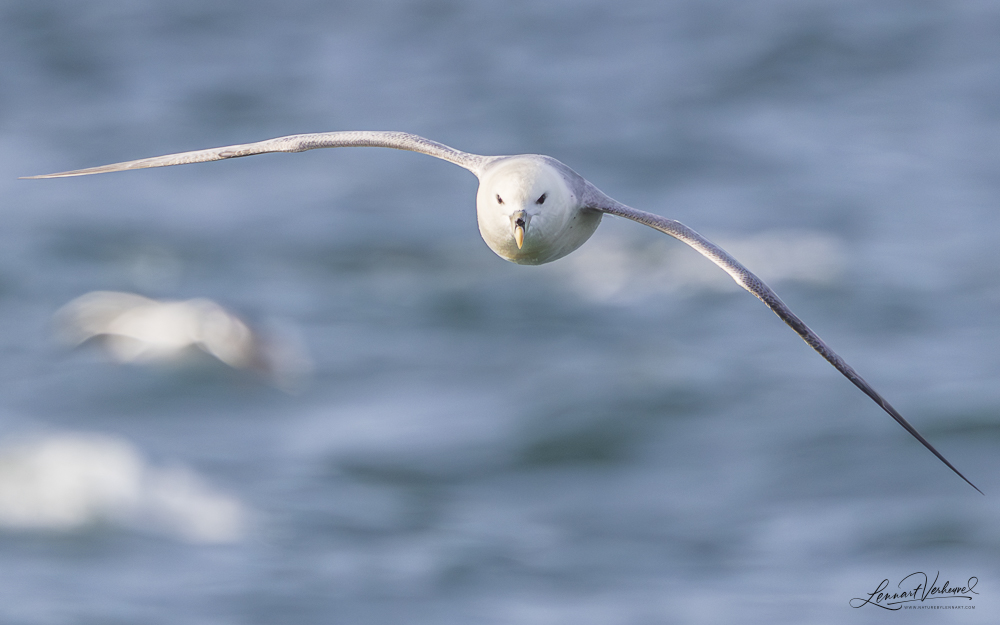
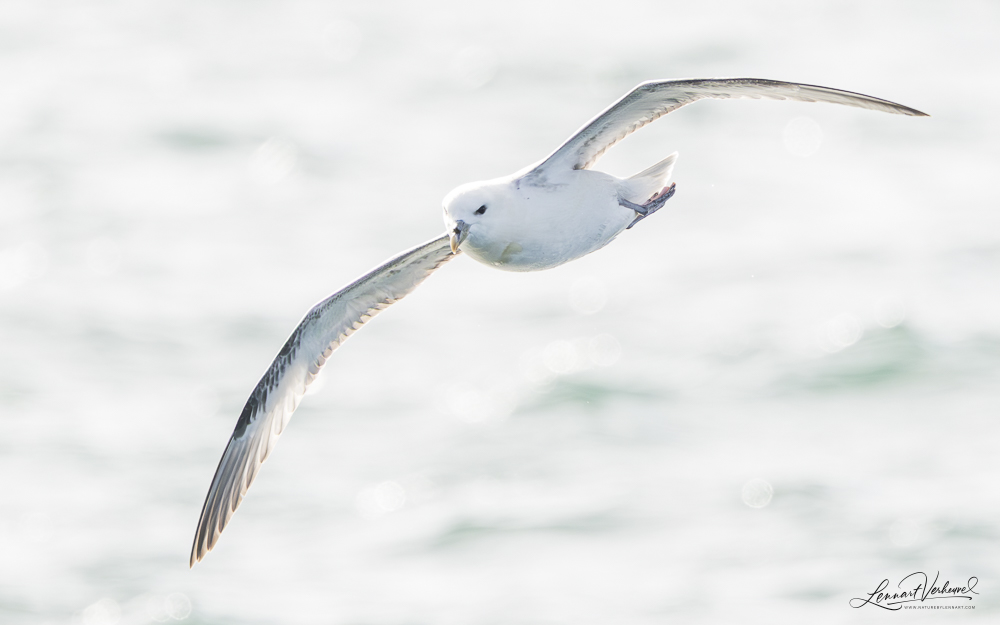
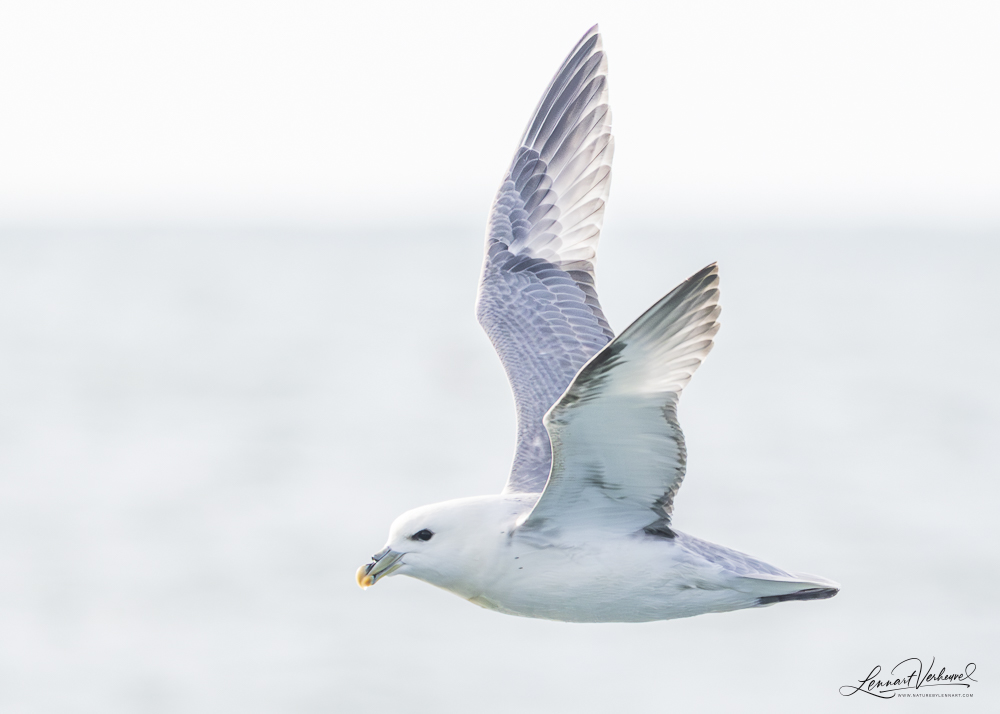
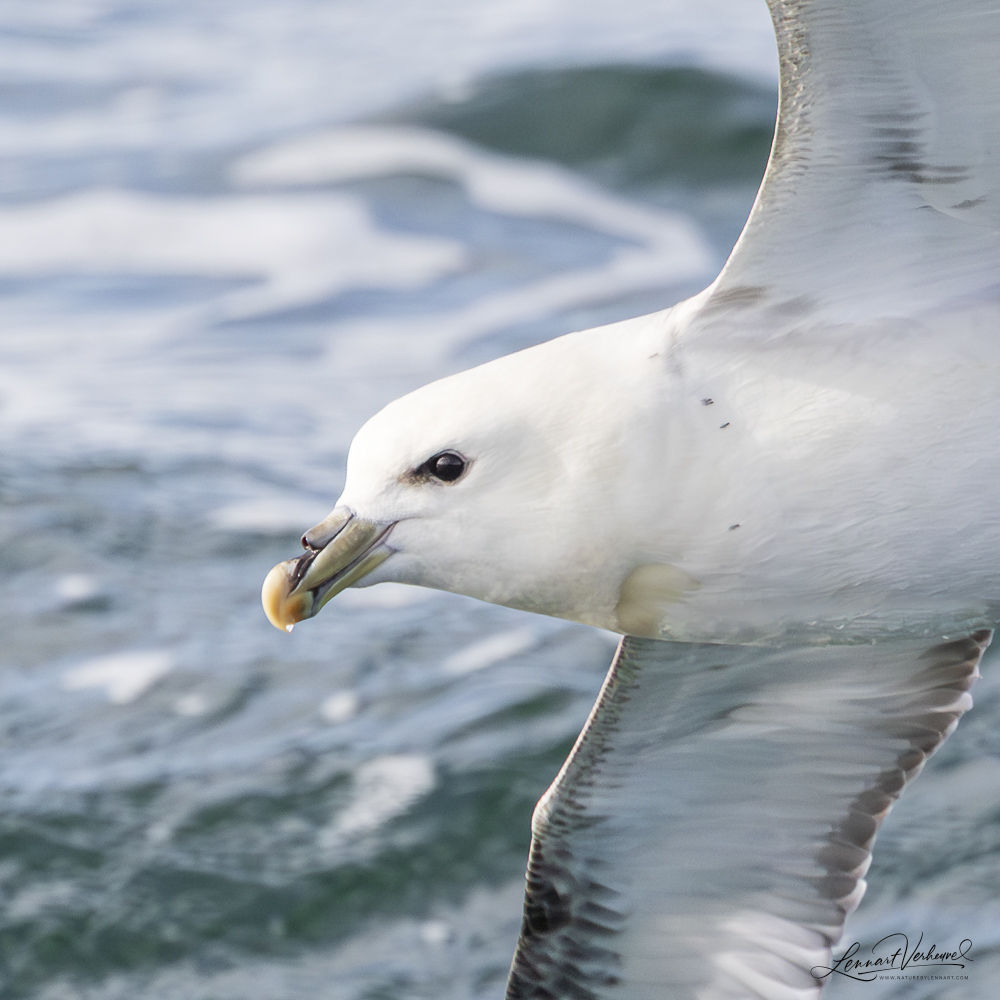
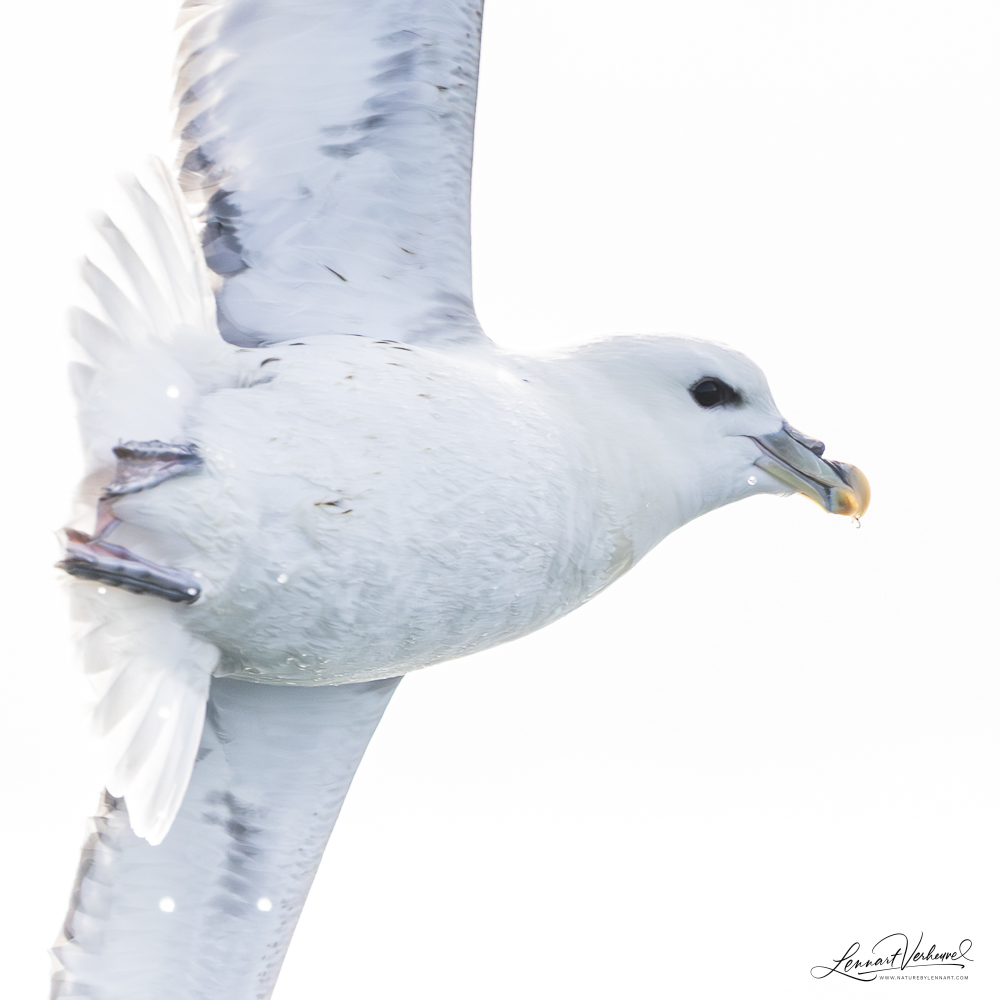
Northern Fulmar
A Great Northern Diver flew past at a distance too great for good photos, but given its rarity it was still a very nice observation.

Great Northern Diver
Coincidentally, later that month I would see a Great Northern Diver flying past over the sea two more times, this time from land during sea watches at Westkapelle.
Northern Gannets are always present around the boat, and once again they offered excellent photographic opportunities.
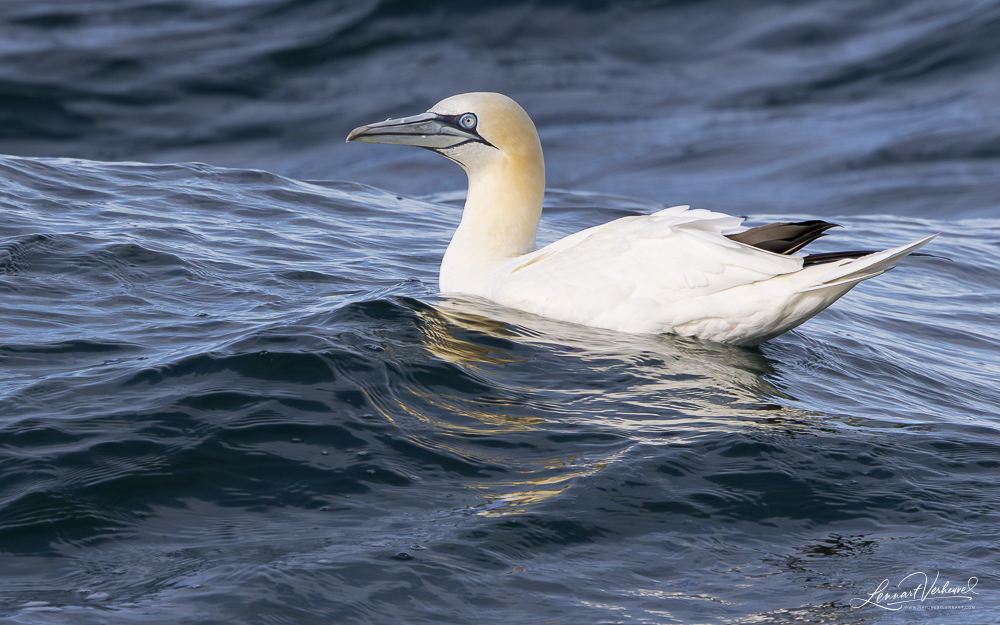
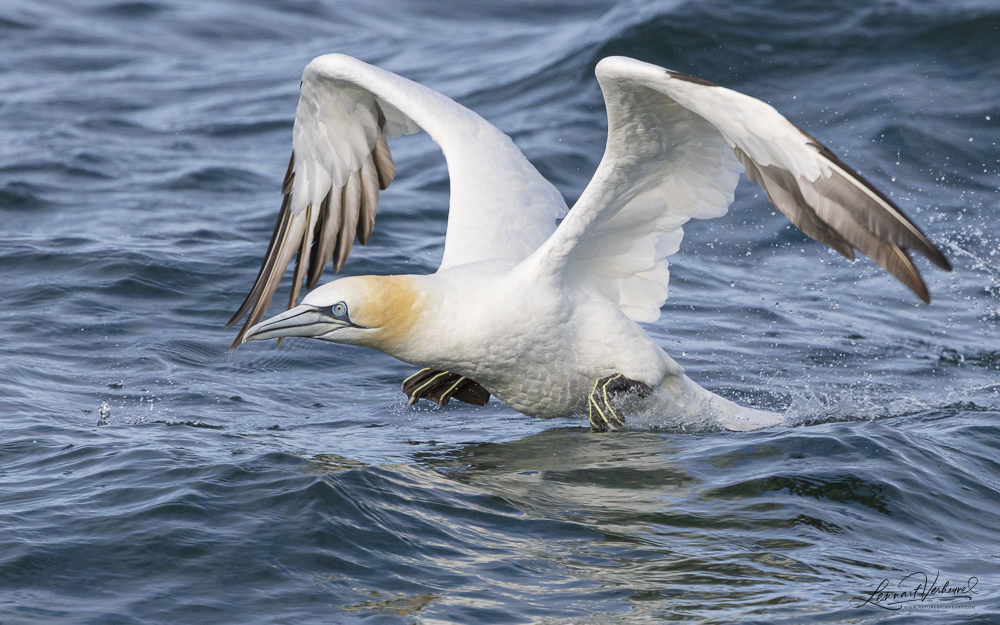
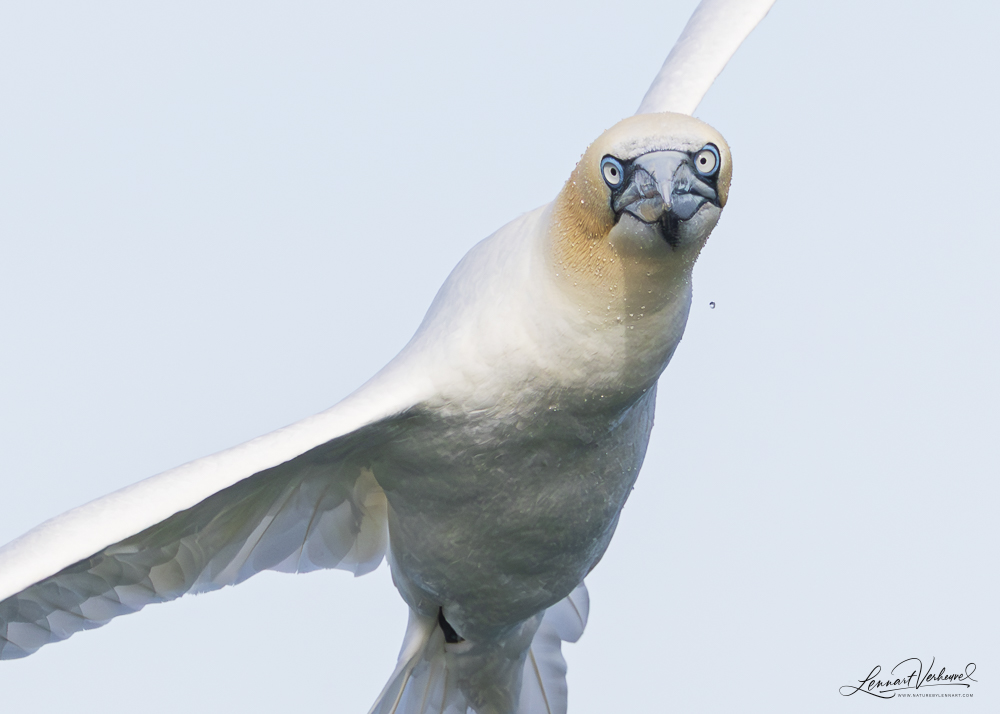
Northern Gannet
I also enjoyed typical seabirds such as Razorbill and Common Guillemot.
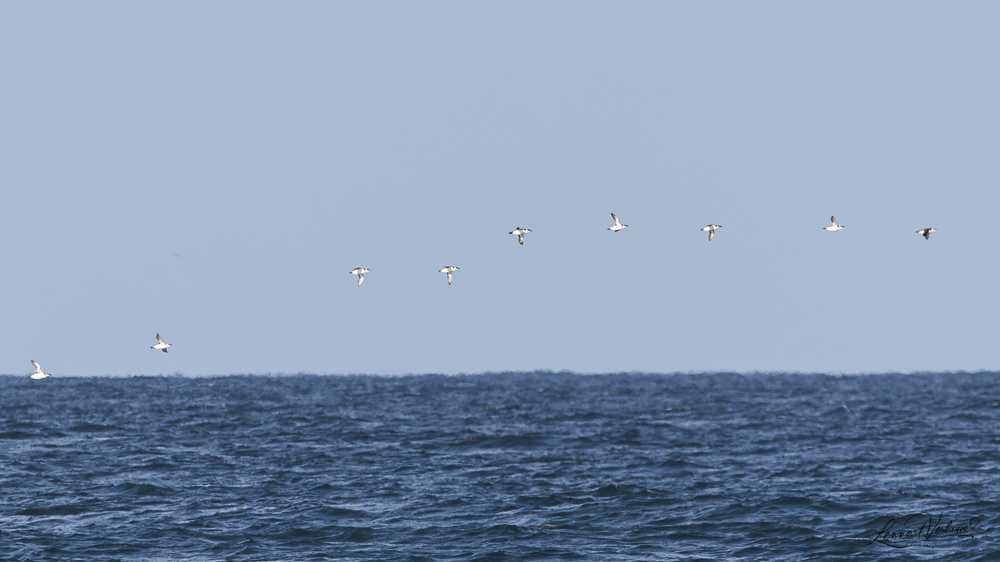
Razorbill
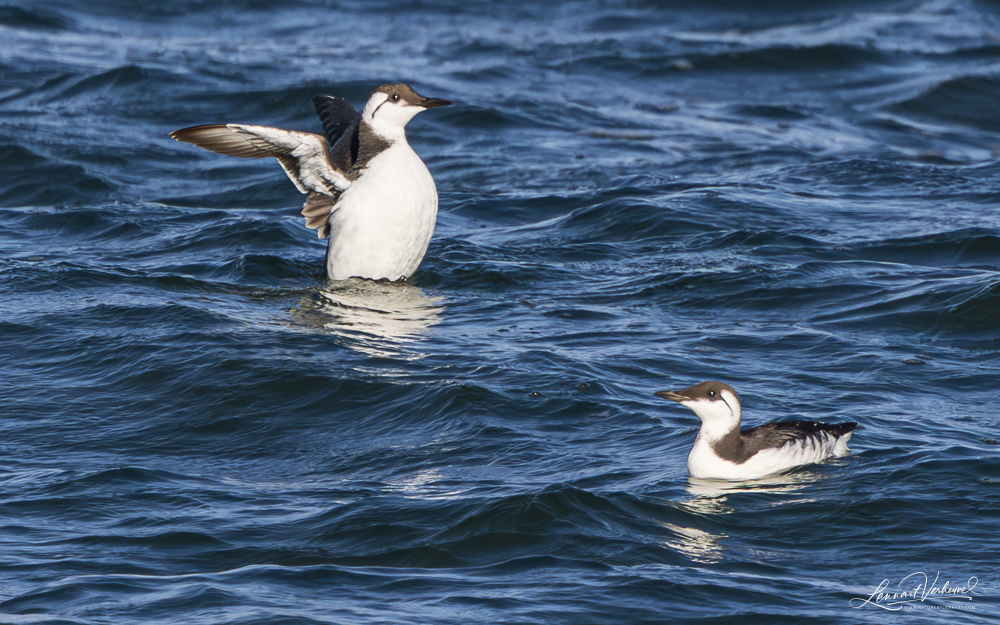
Common Guillemot
In addition to these seabirds, we also saw some species that I do not often see flying over the sea, such as a Eurasian Wren!
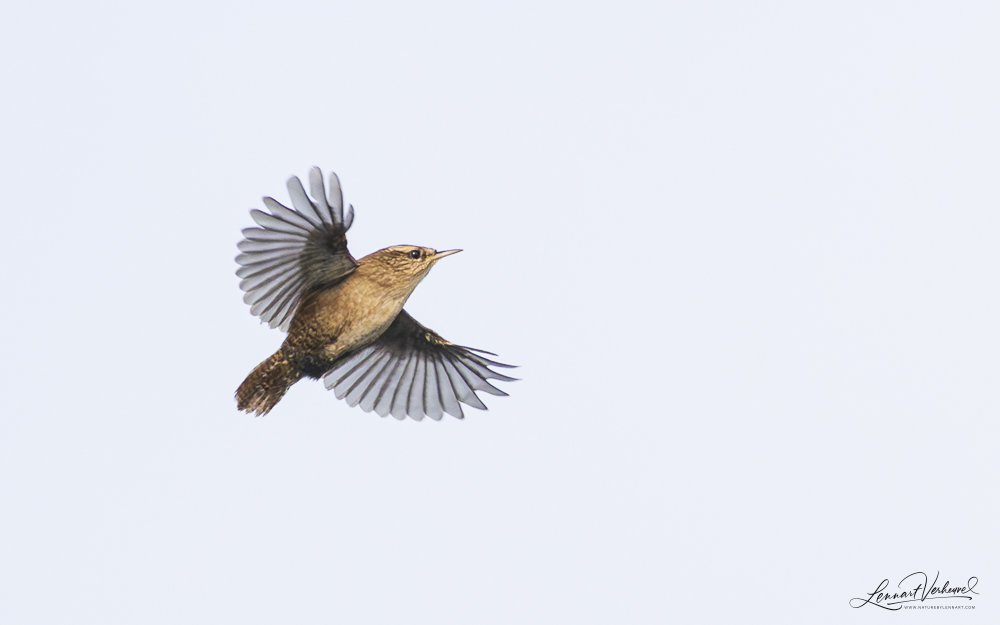
Eurasian Wren
We also observed Eurasian Skylark and Brambling.
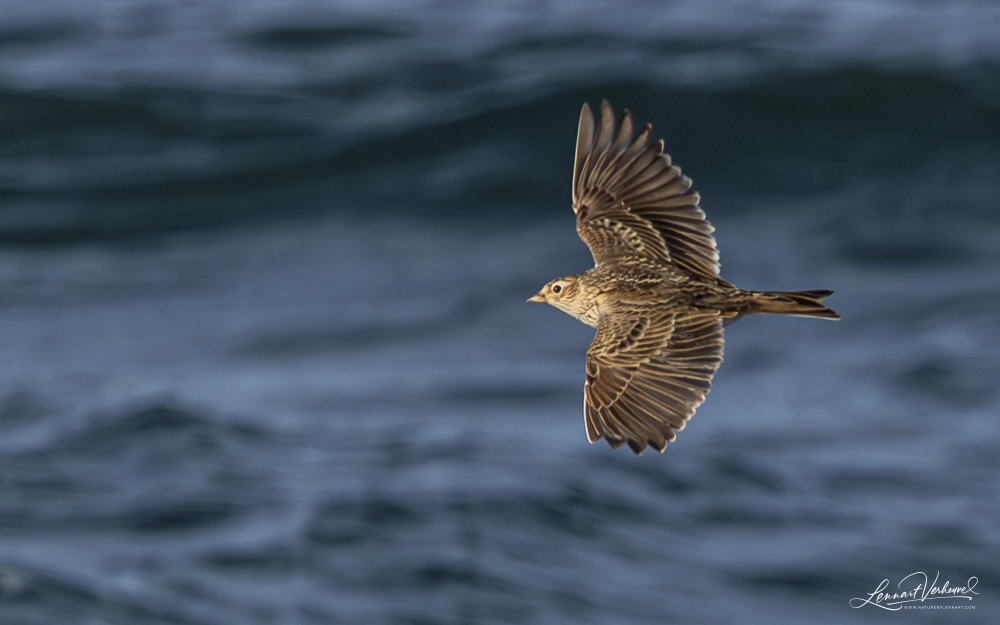
Eurasian Skylark
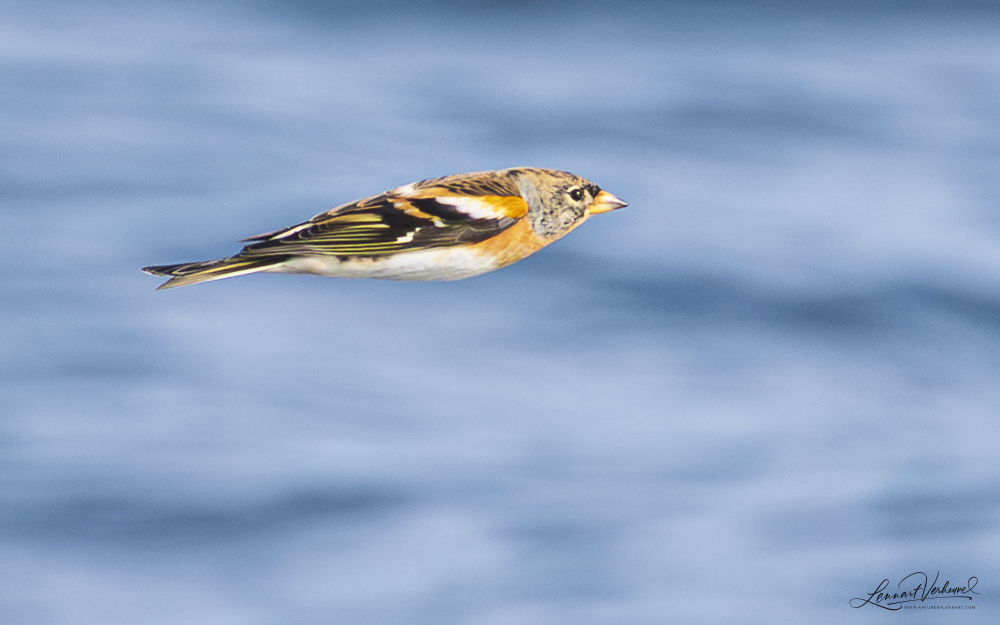
Brambling
Back in the harbour, we had great views of several Common Kingfishers.
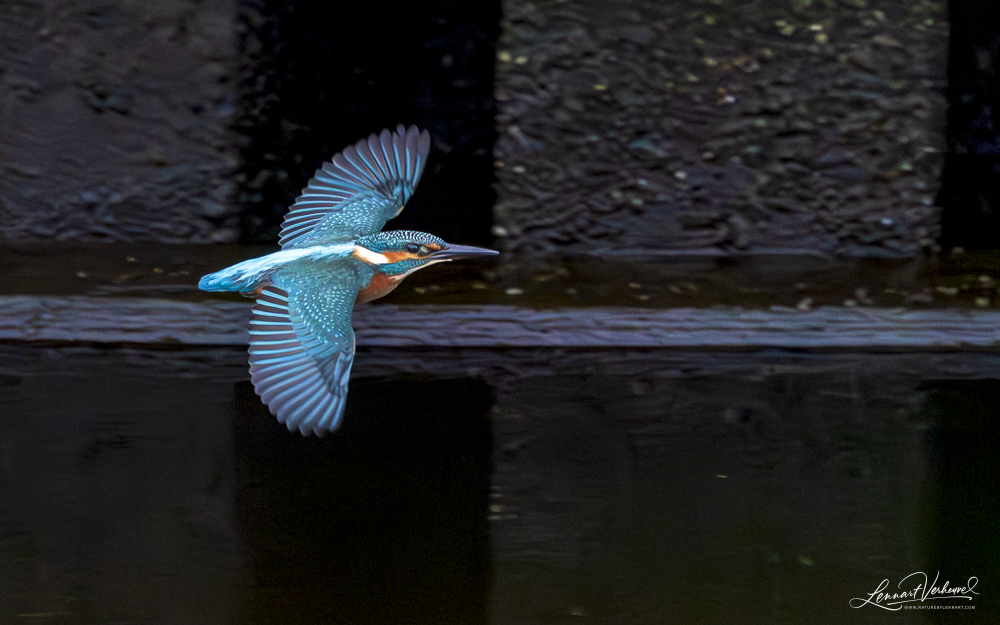
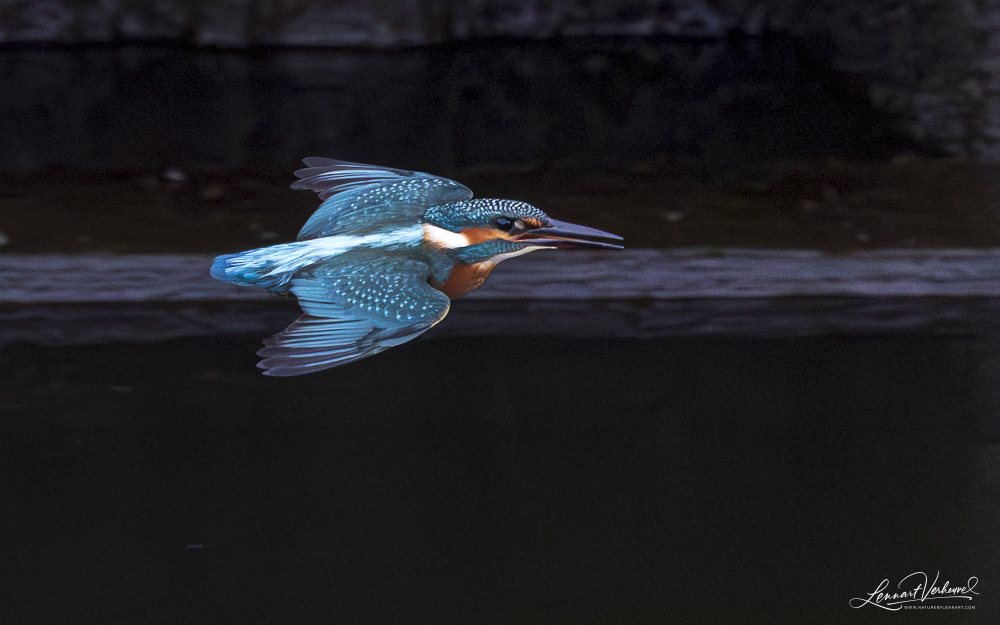
Common Kingfisher
Towards the end of the month, on October 28th, I drove to the Maasvlakte after work to see a Sabine’s Gull. This autumn, Sabine’s Gulls were unusually persistent, with individuals lingering longer at the same locations, and this bird at the Maasvlakte was the first. As dusk fell, I managed to take my best photos of this species to date.
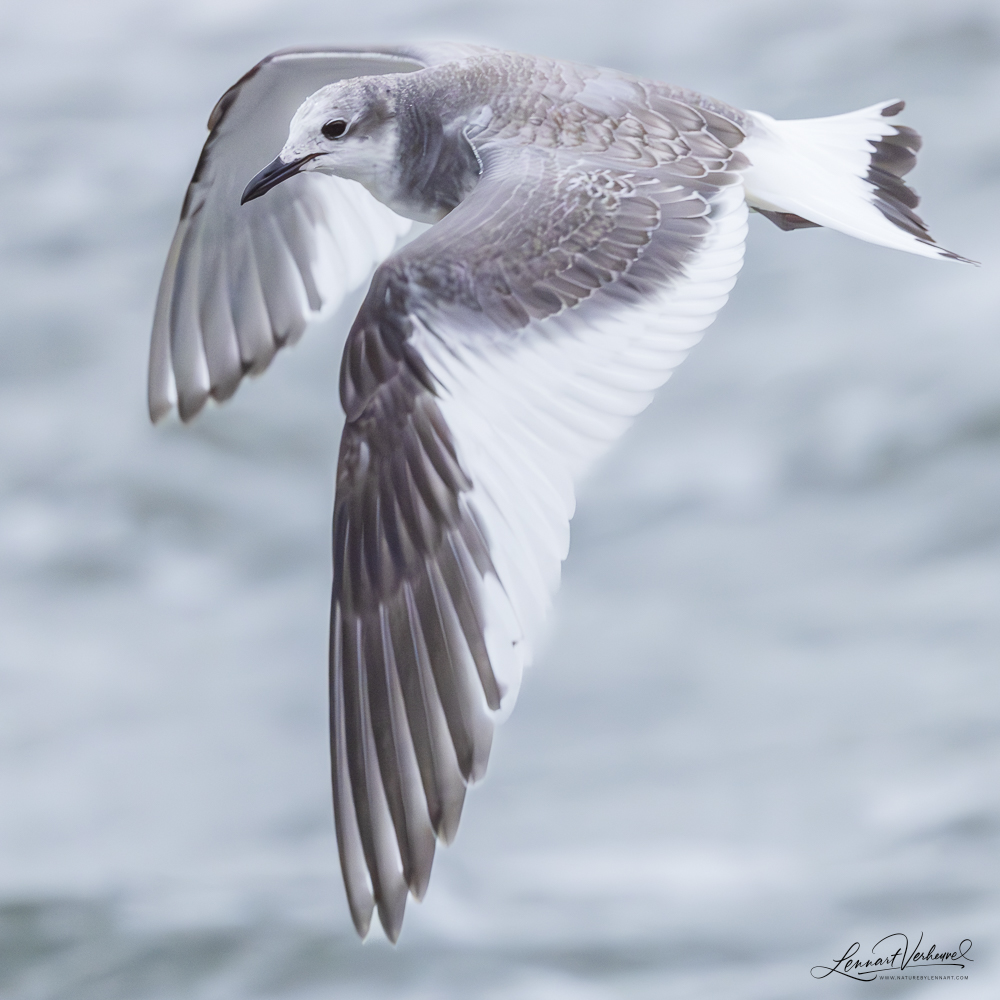
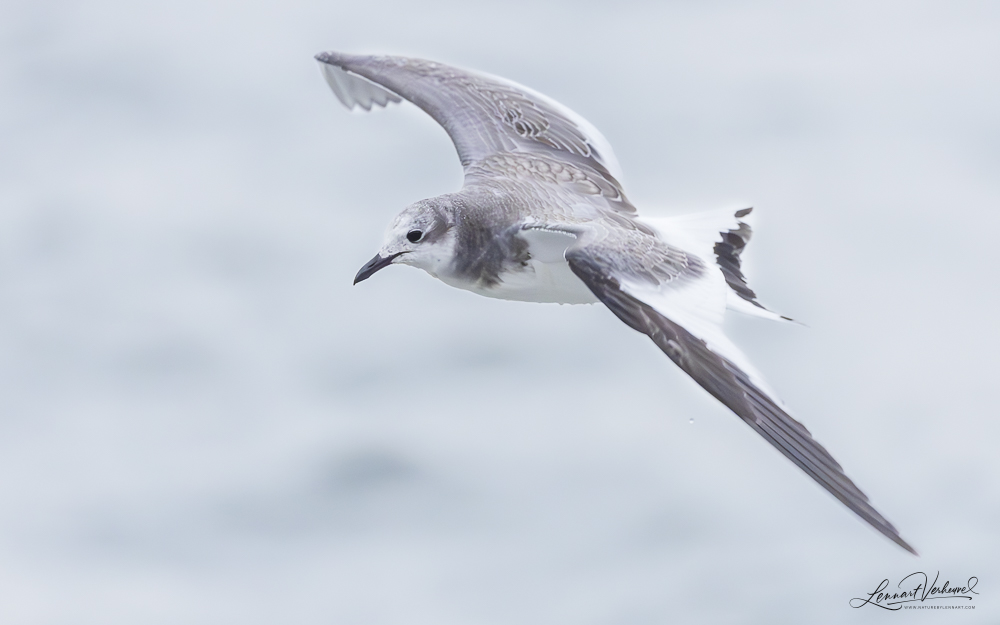
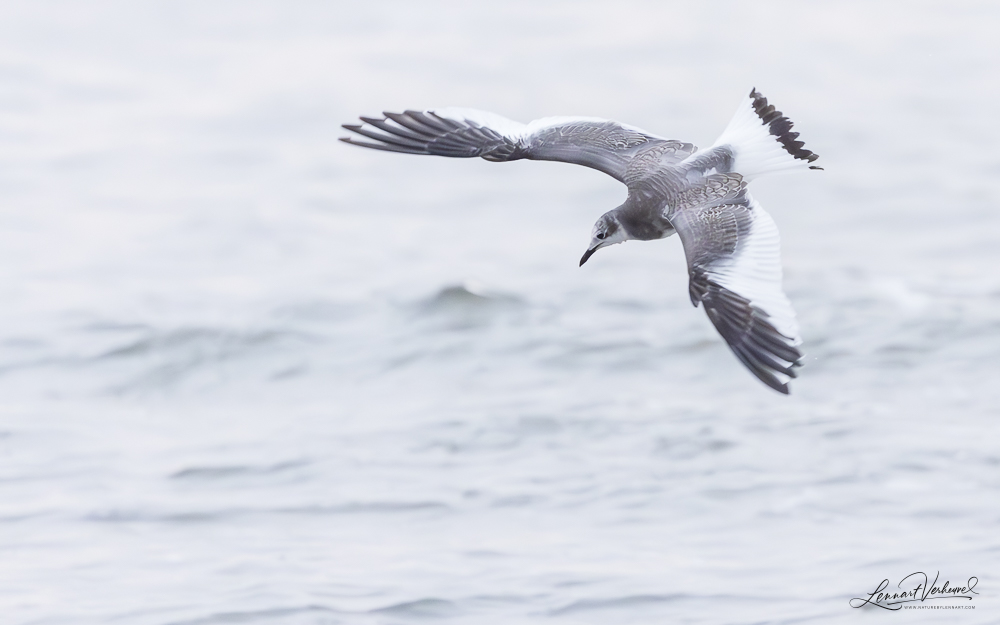
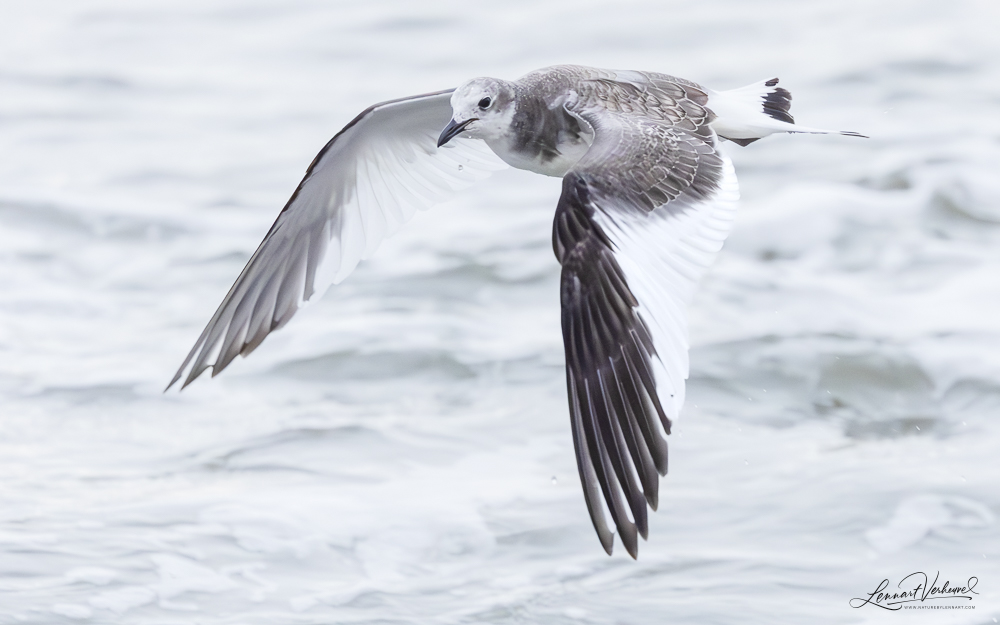
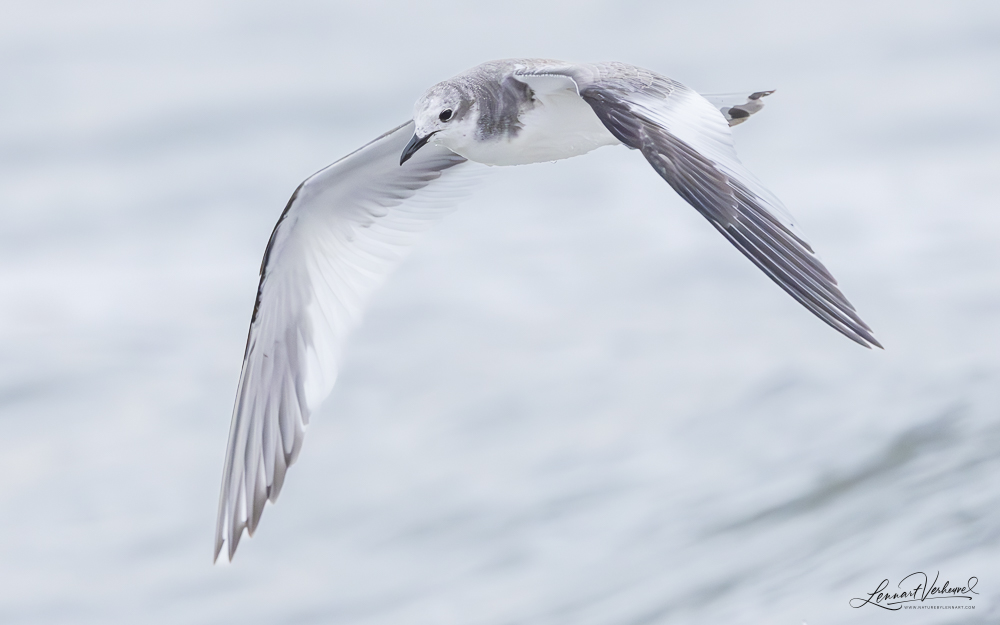
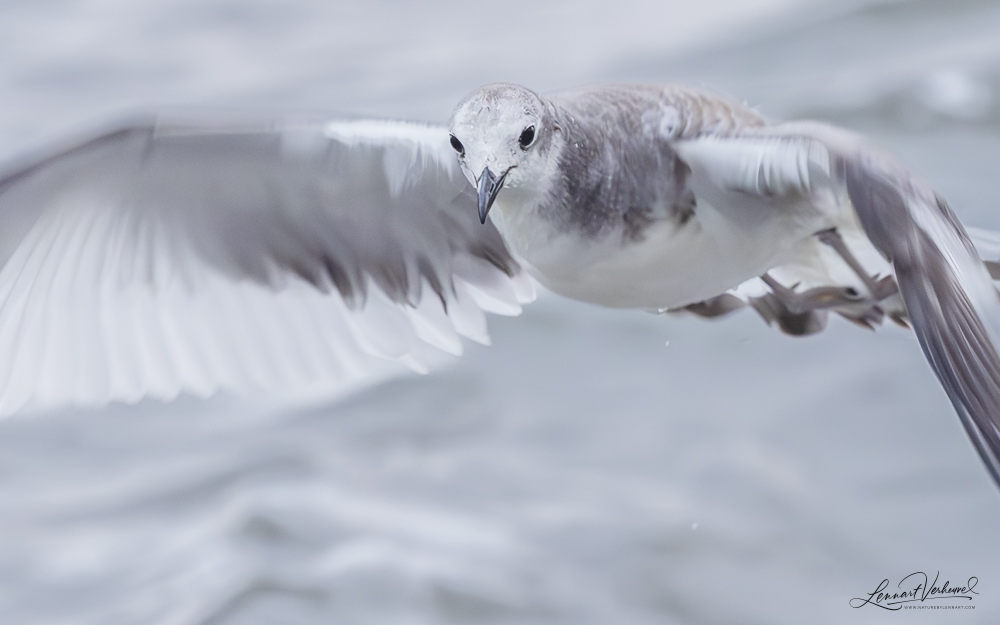
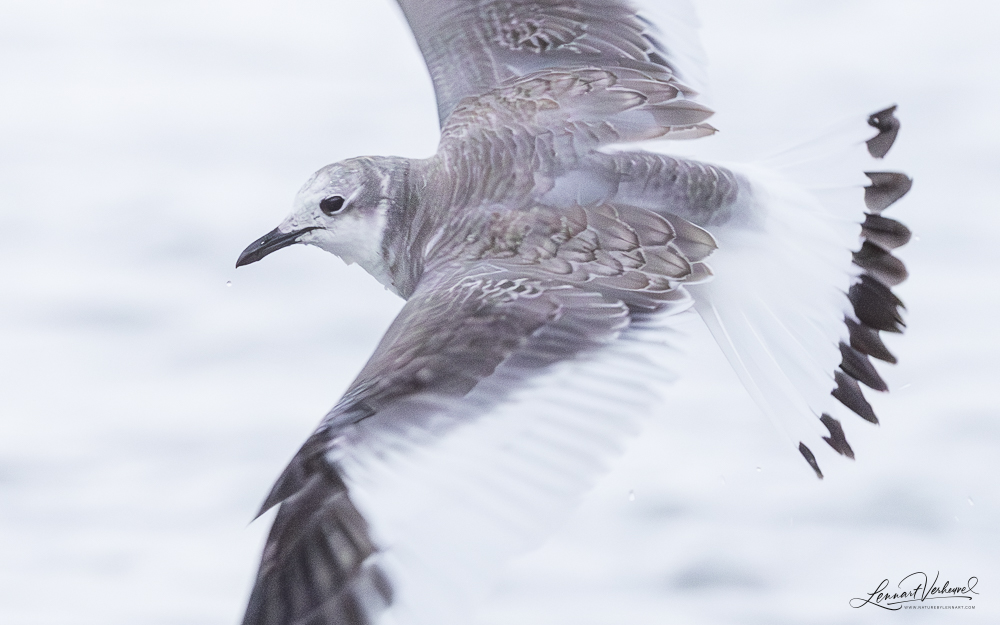
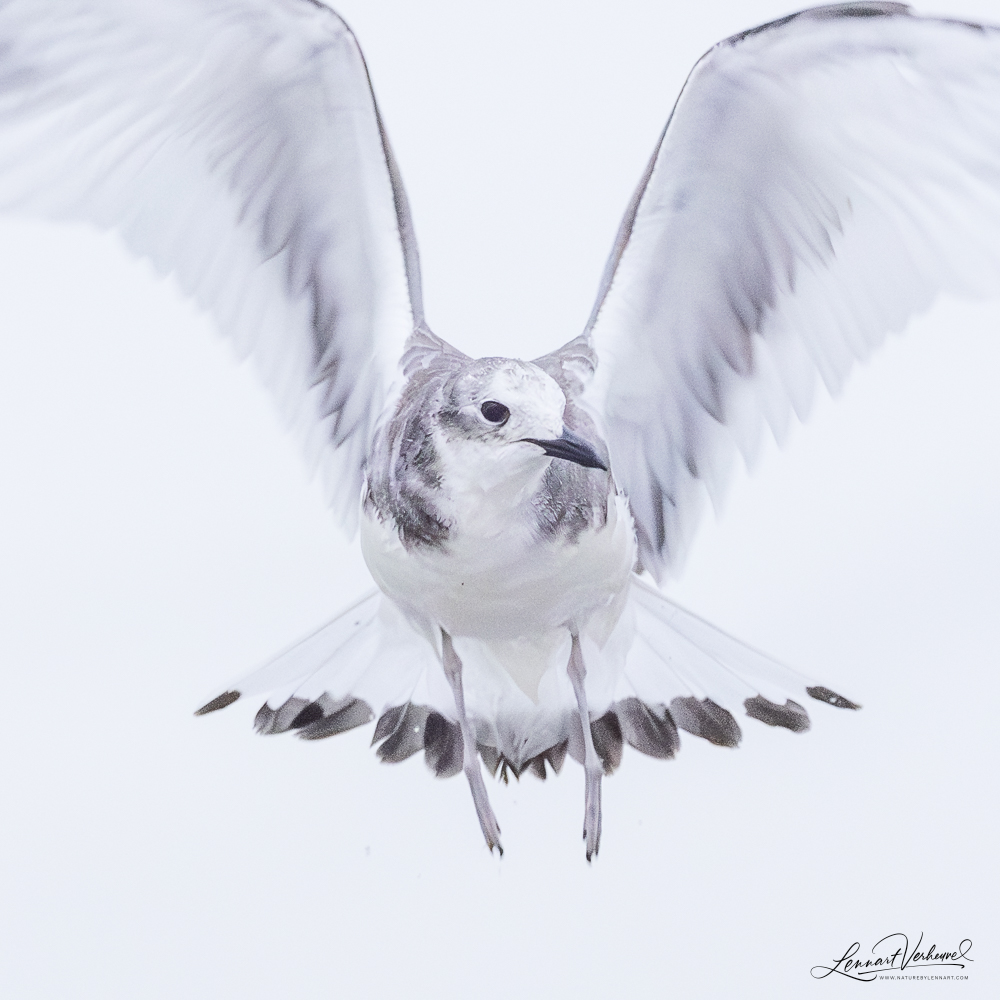
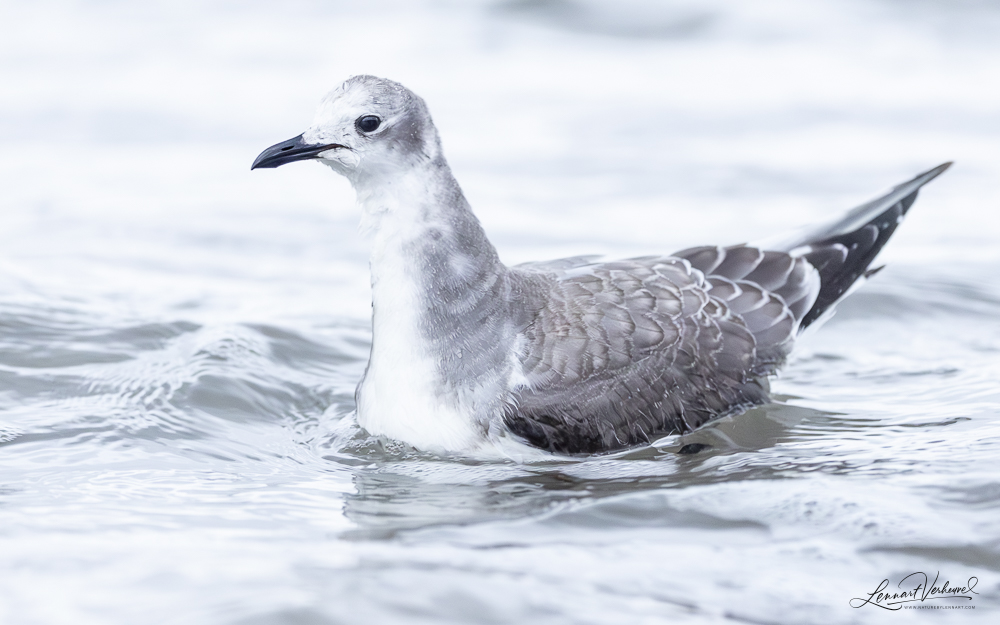
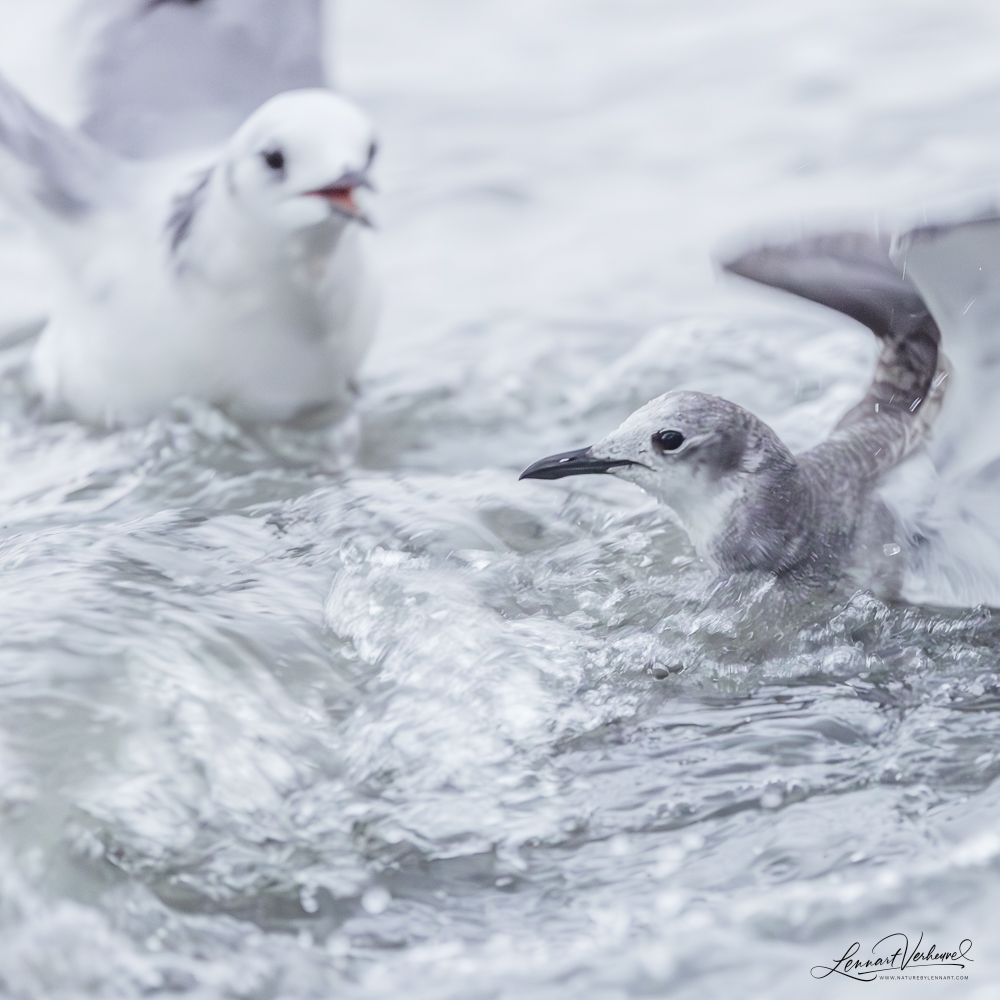
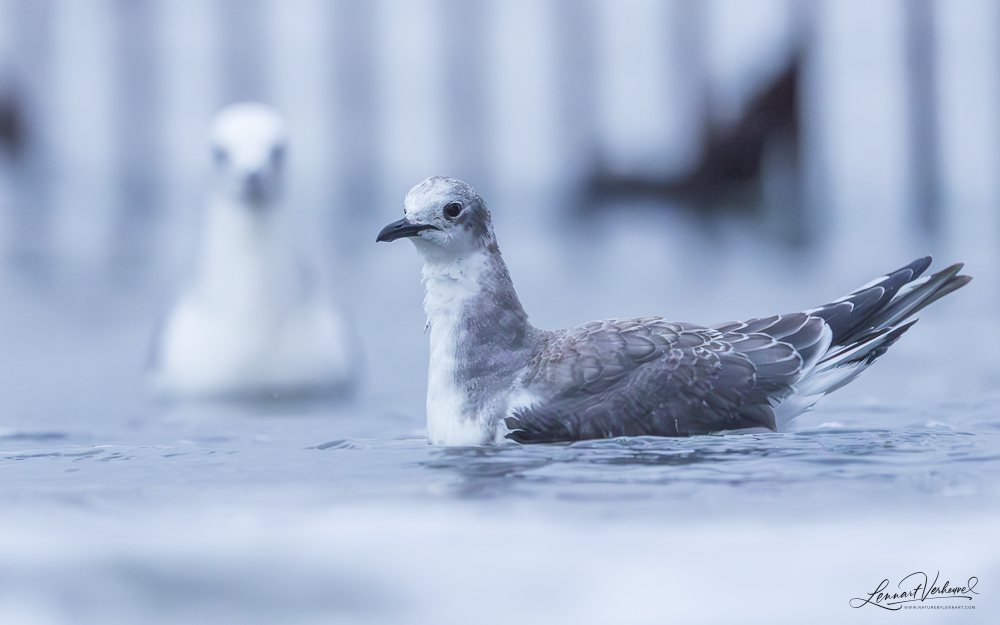
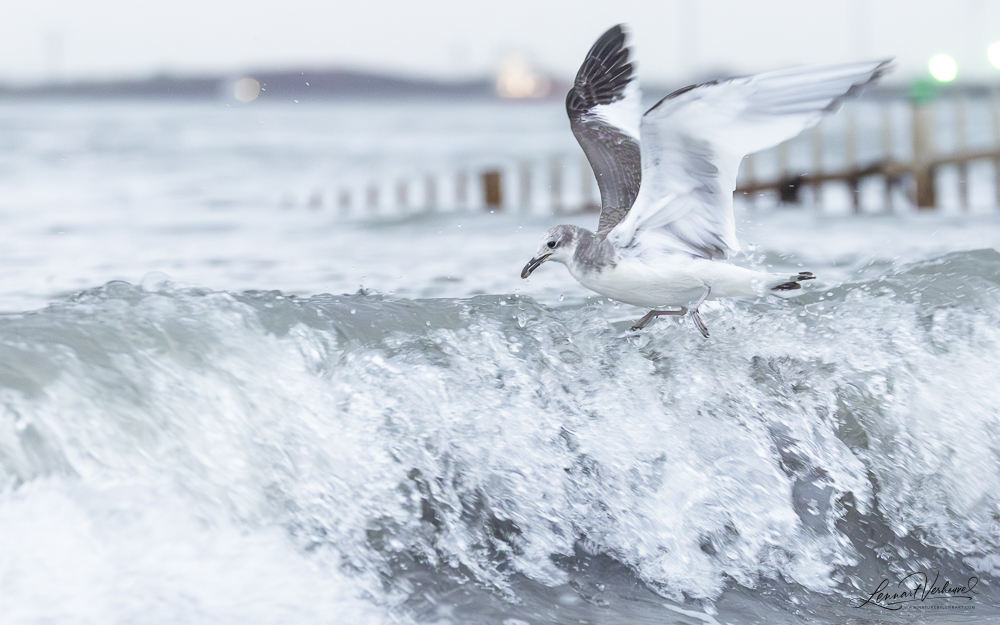
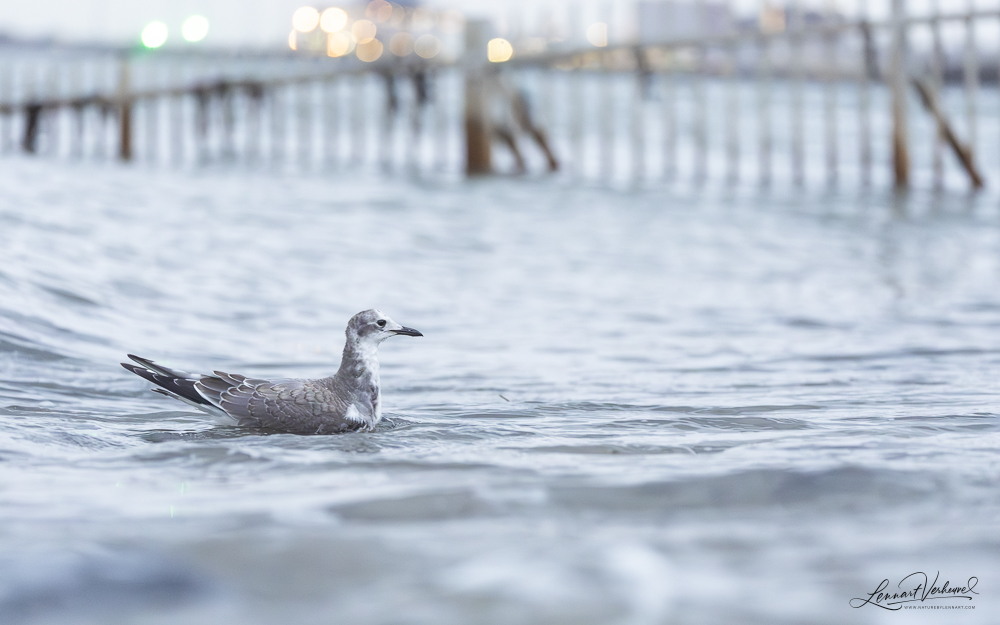
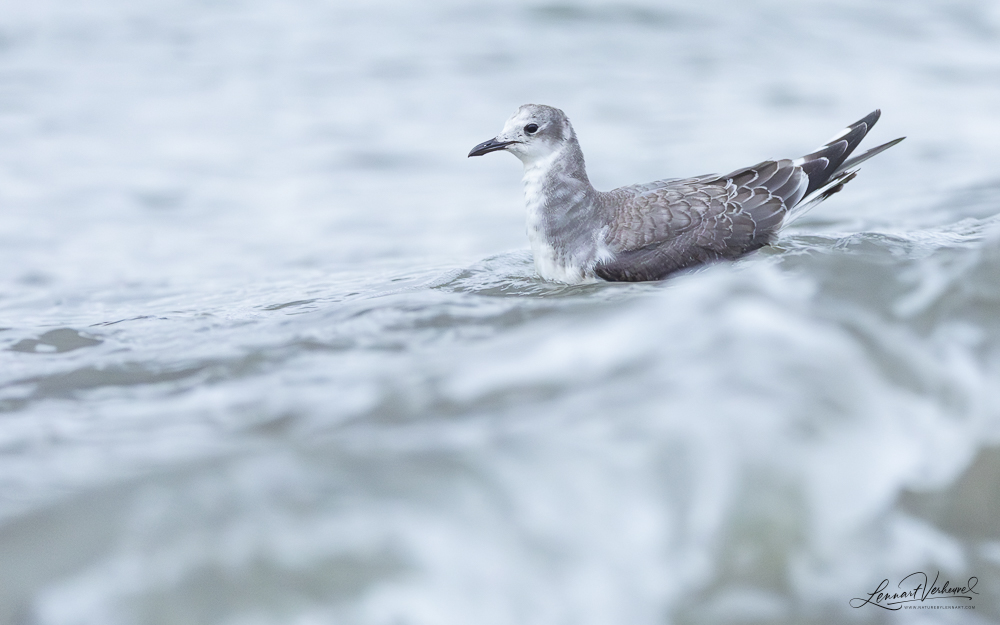
Sabine’s Gull
It was well worth the drive!
I also enjoyed Little Gulls and Black-legged Kittiwakes, which were far more cooperative photographically than I had ever experienced before.
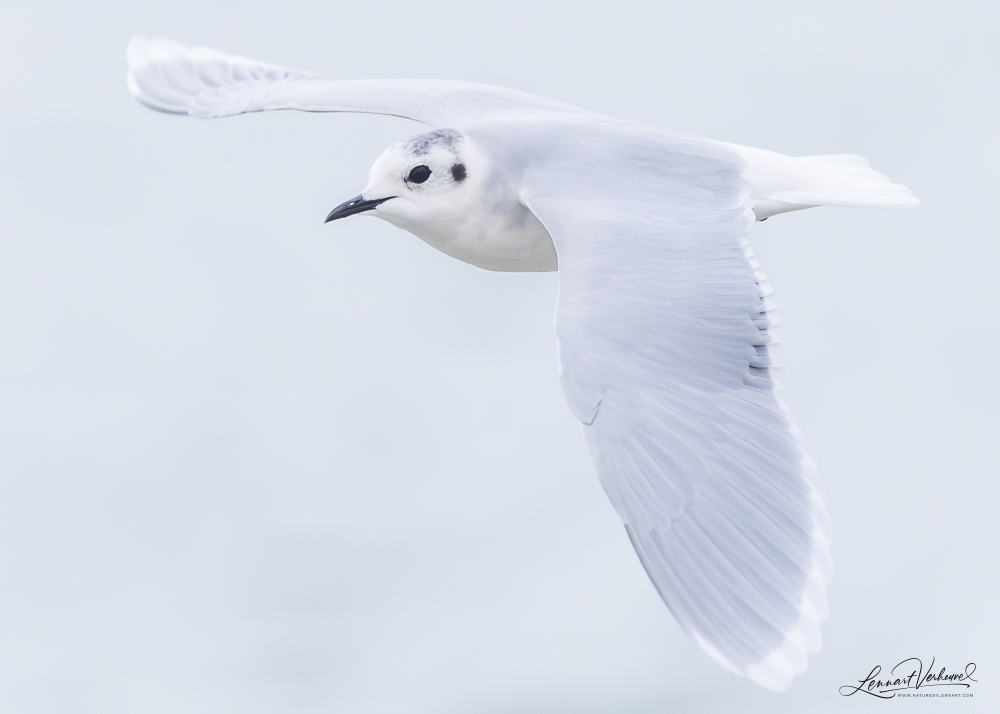
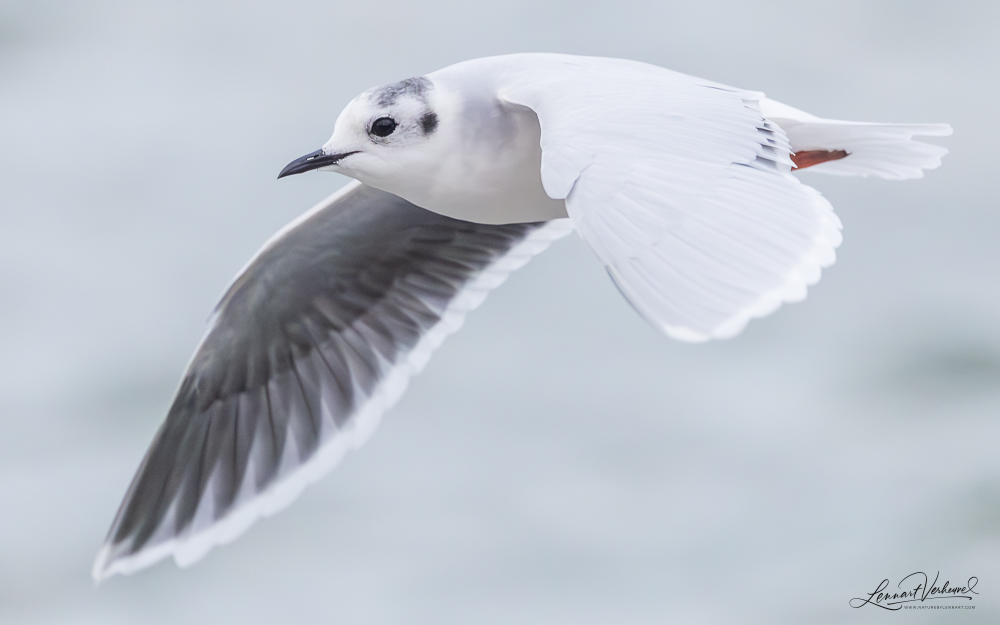
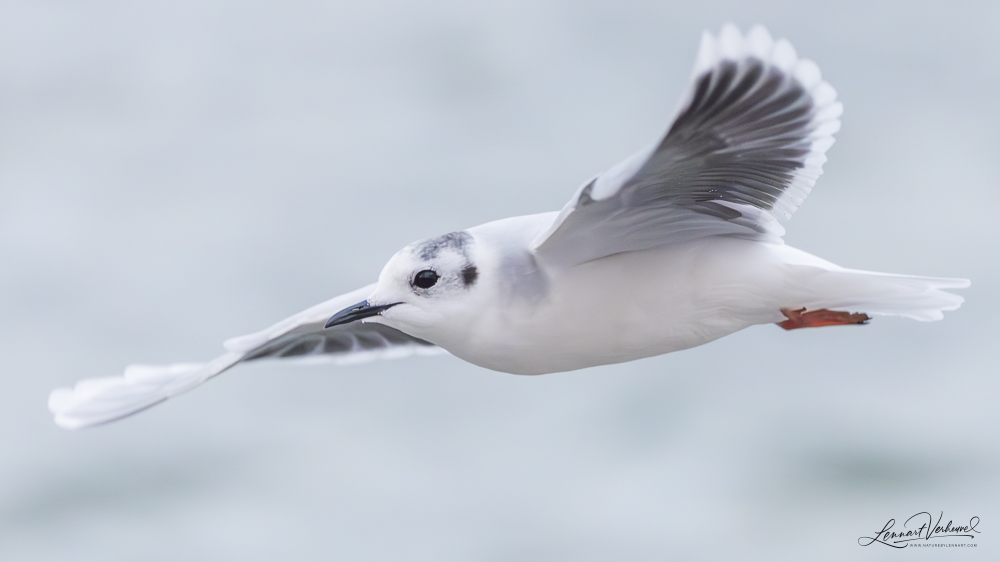
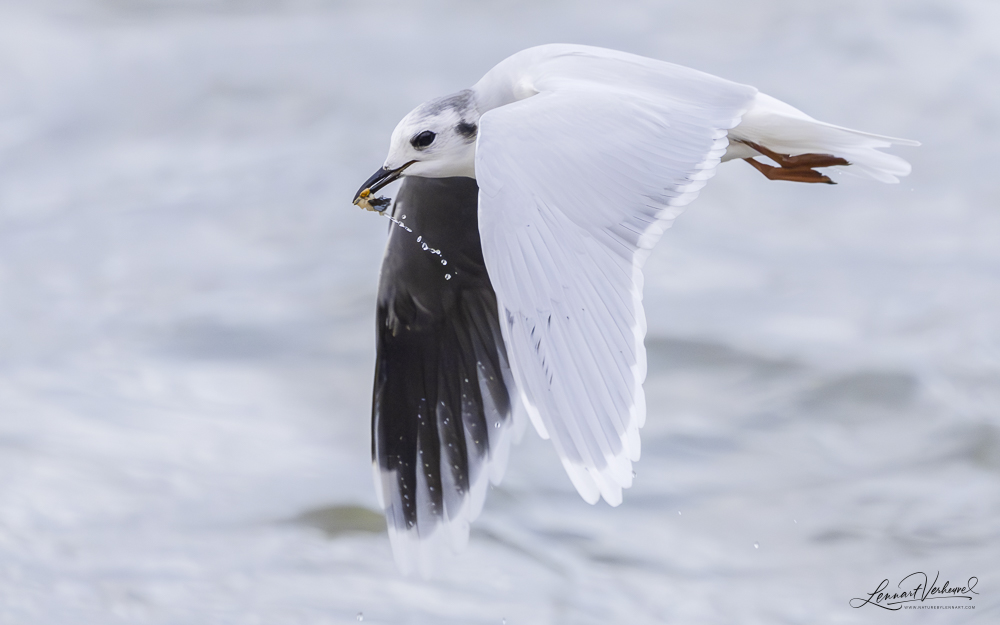
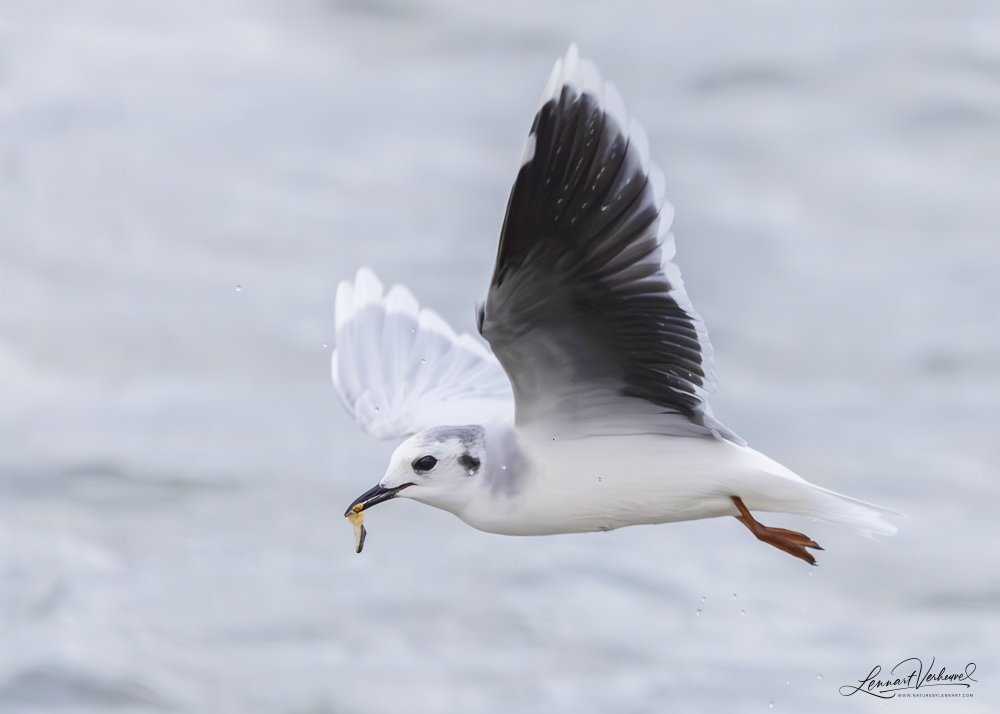
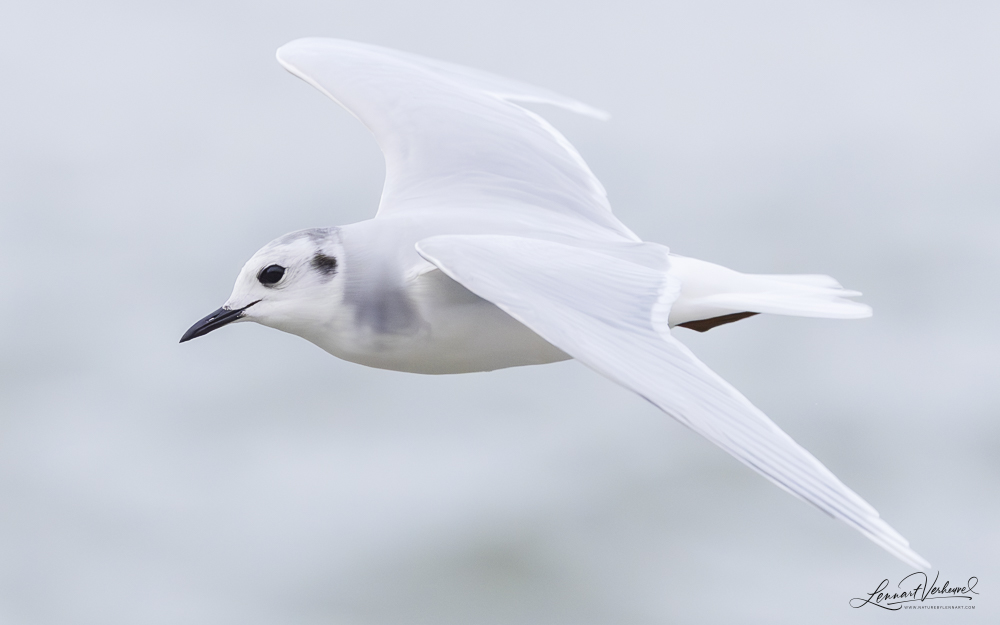
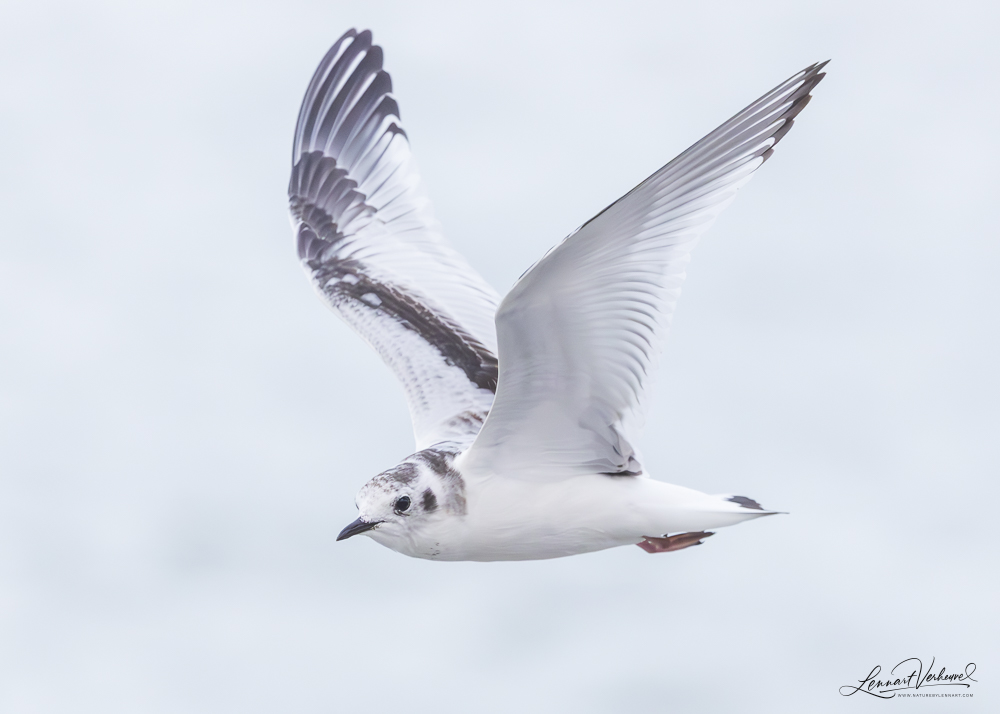
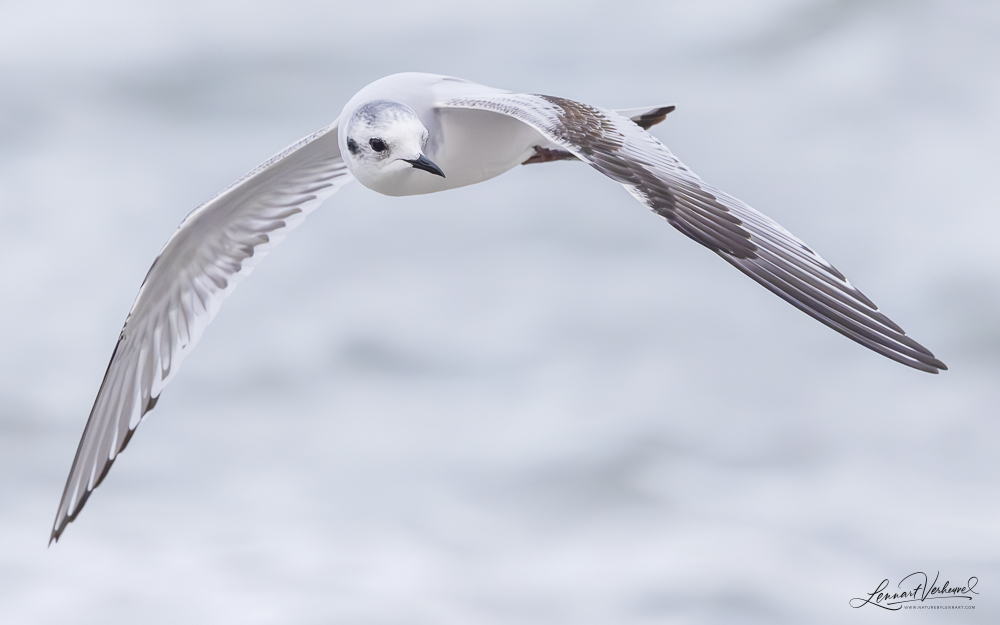
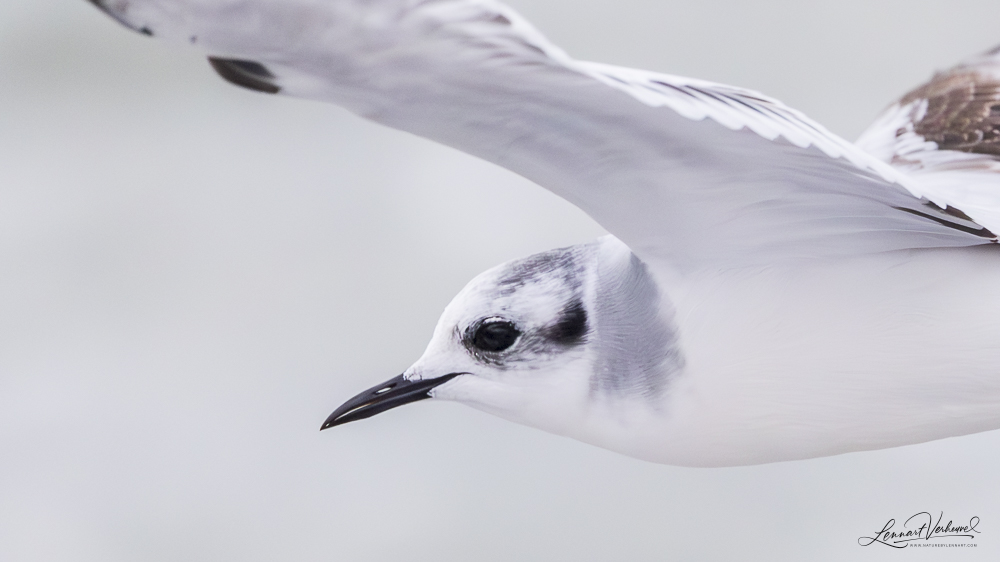

Little Gull (Adult and First Year)
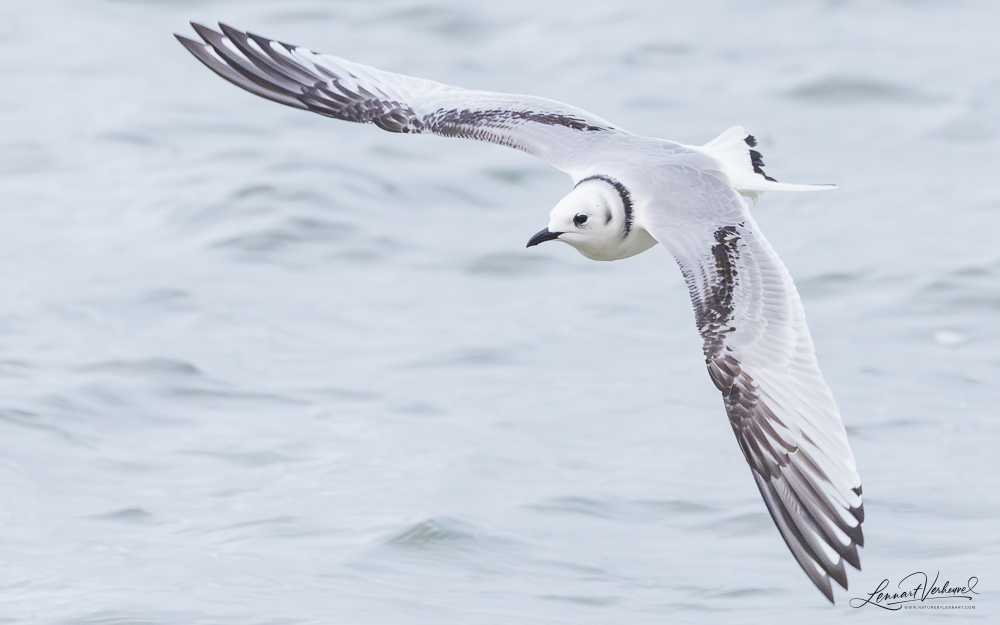
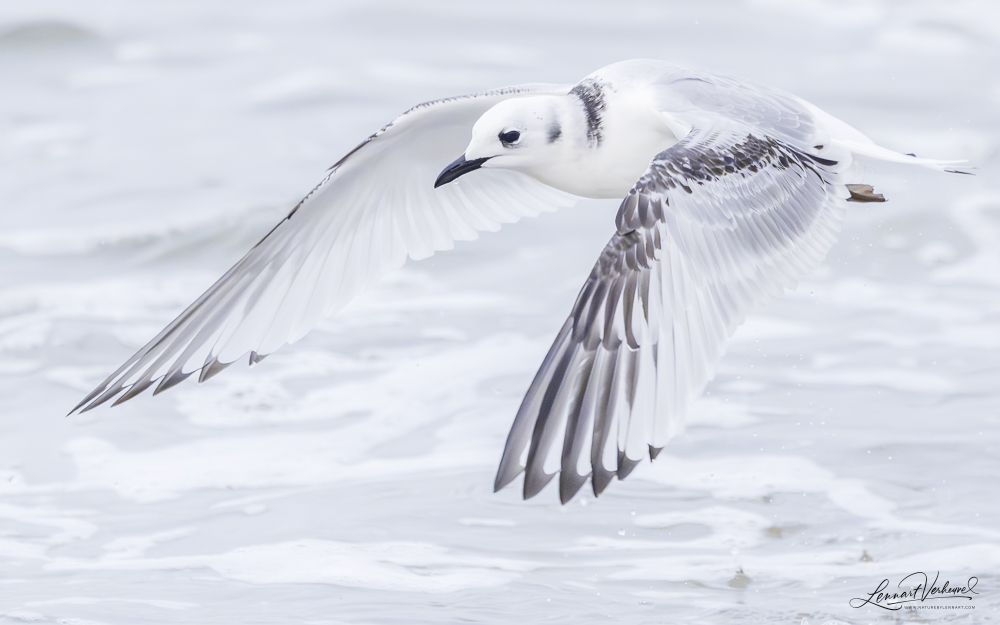
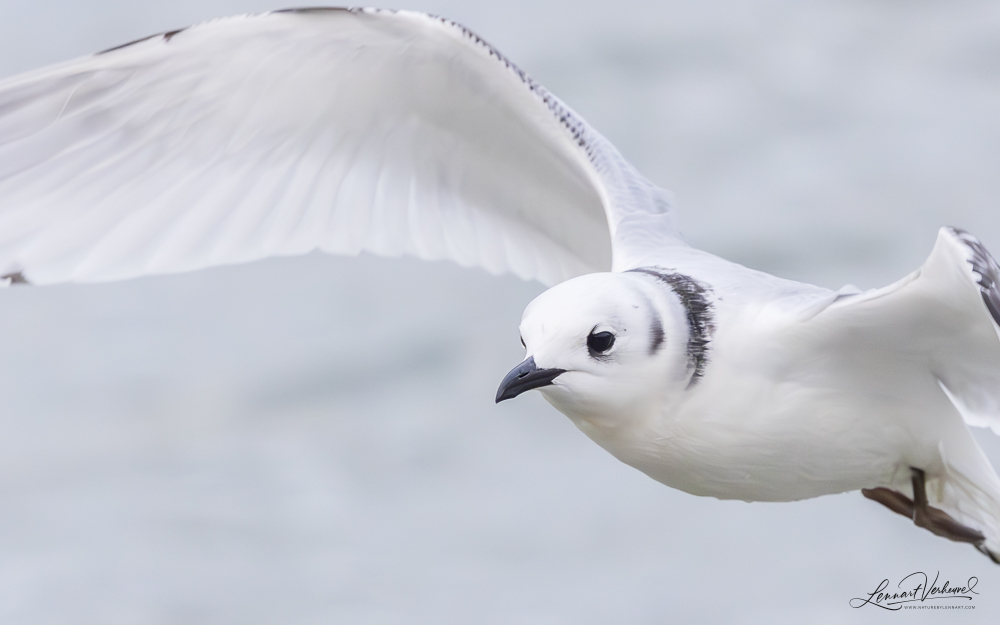
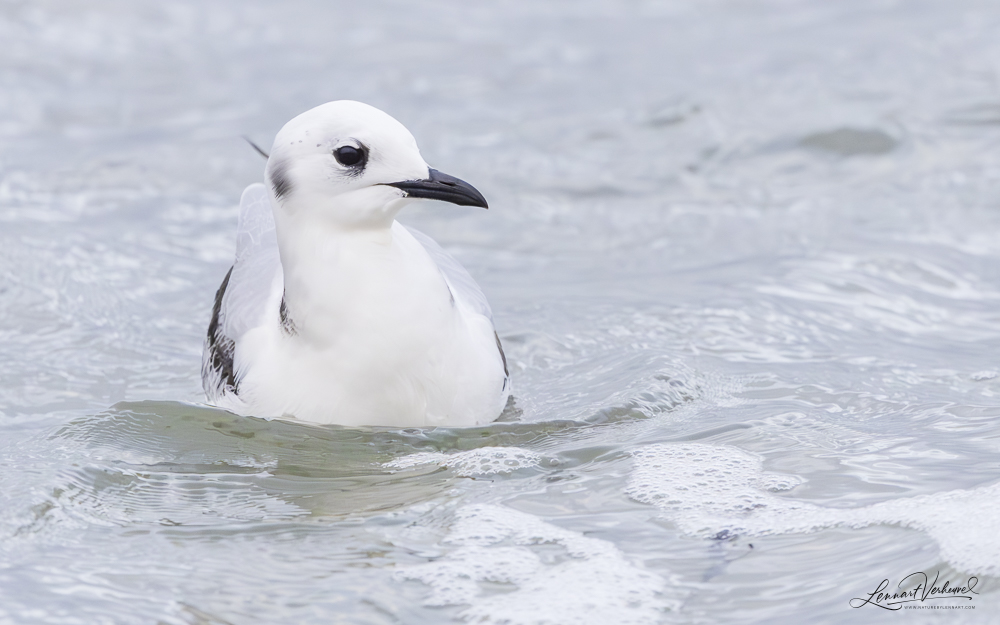
Black-legged Kittiwake (First Year)
In November, another highlight came on November 8th, when I went to the Maasvlakte to see an Eastern Subalpine Warbler that had been found there earlier that day. Eastern Subalpine Warbler is not often seen in the Netherlands in autumn, and its plumage caused some uncertainty regarding the identification. This will likely be resolved definitively, as droppings were fortunately collected for DNA analysis. For now, I am considering it an Eastern Subalpine Warbler. As far as flight photos could contribute to the identification, I certainly provided those!


Eastern Subalpine Warbler
That same day, I also saw a Pallas’s Leaf Warbler at the Maasvlakte, which had been present there for several days. This autumn saw a remarkable number of records of this species, but unfortunately I did not experience one of those moments with a very tame bird at close range. Still, it was nice to finally see this species towards the end of the season.
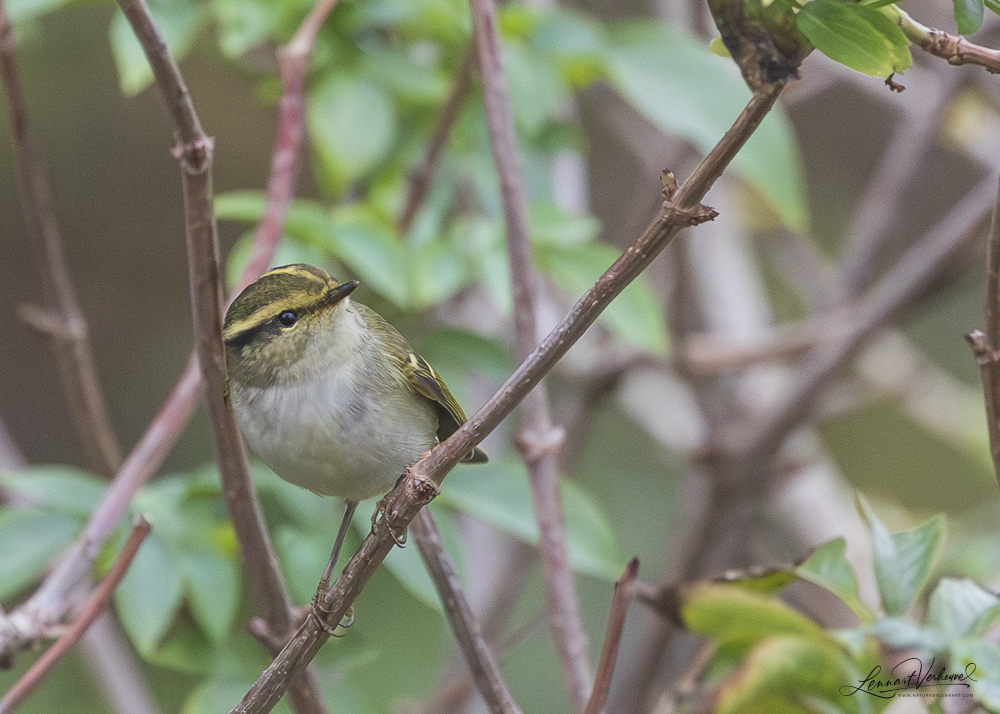
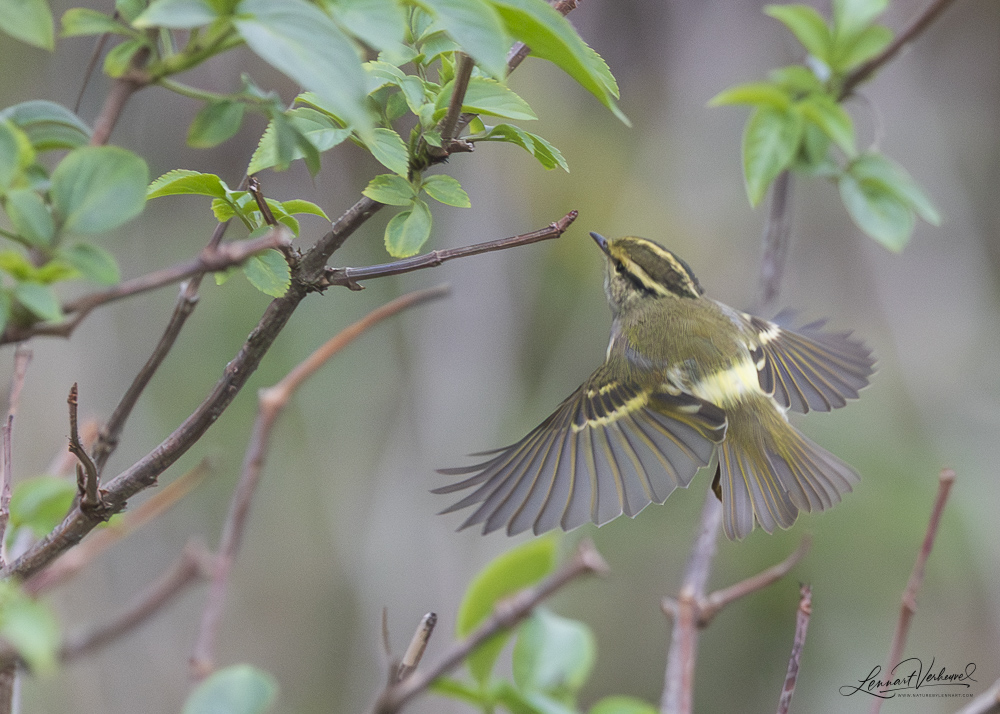
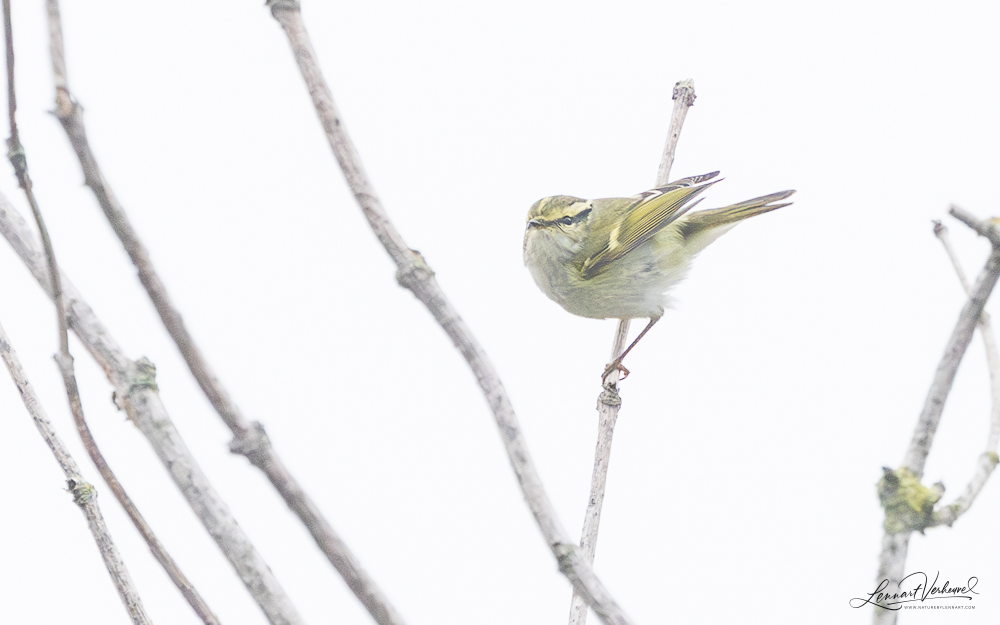
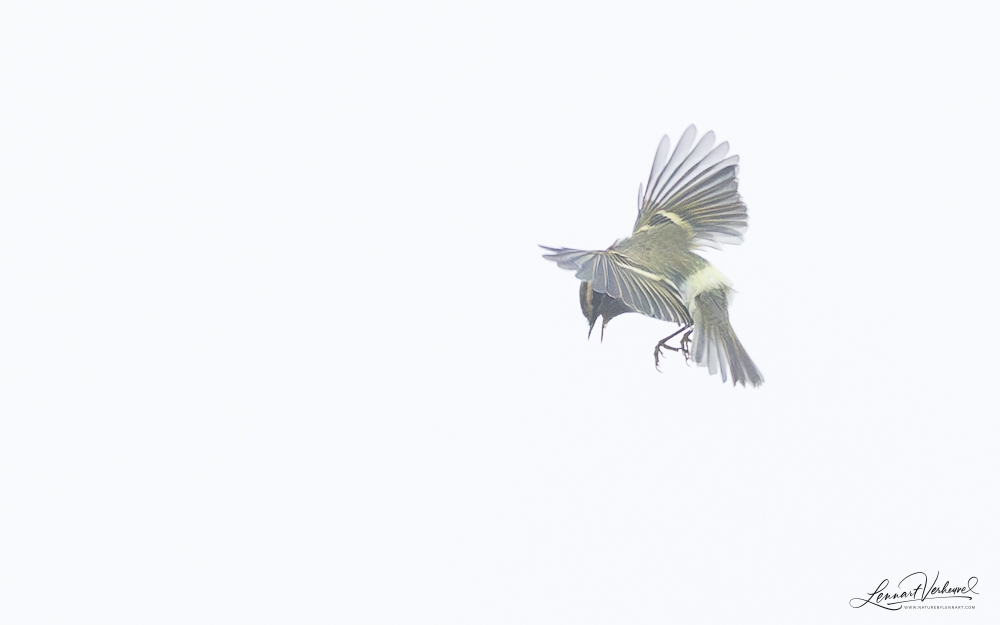
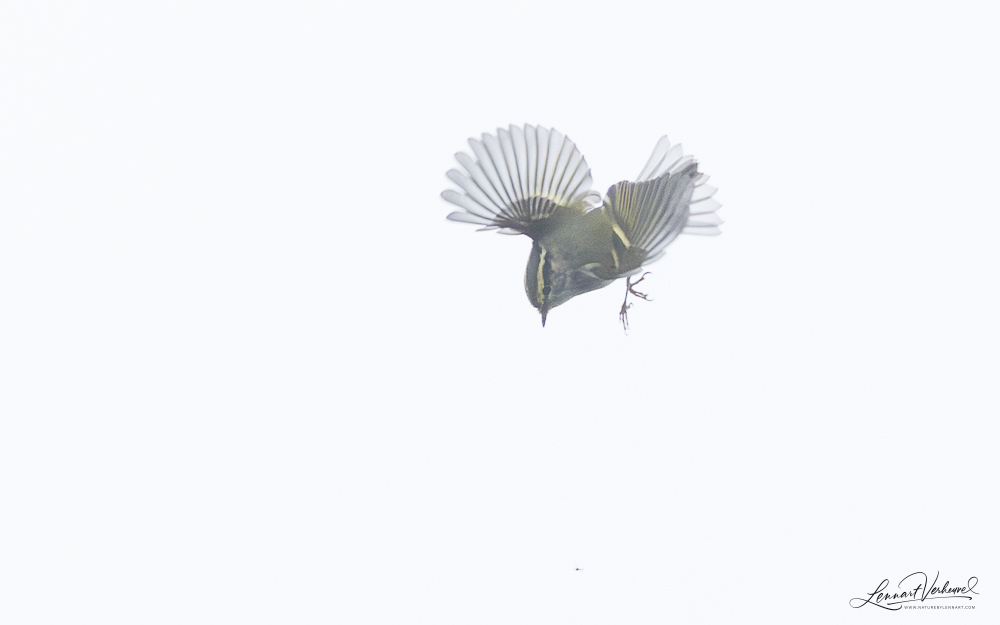
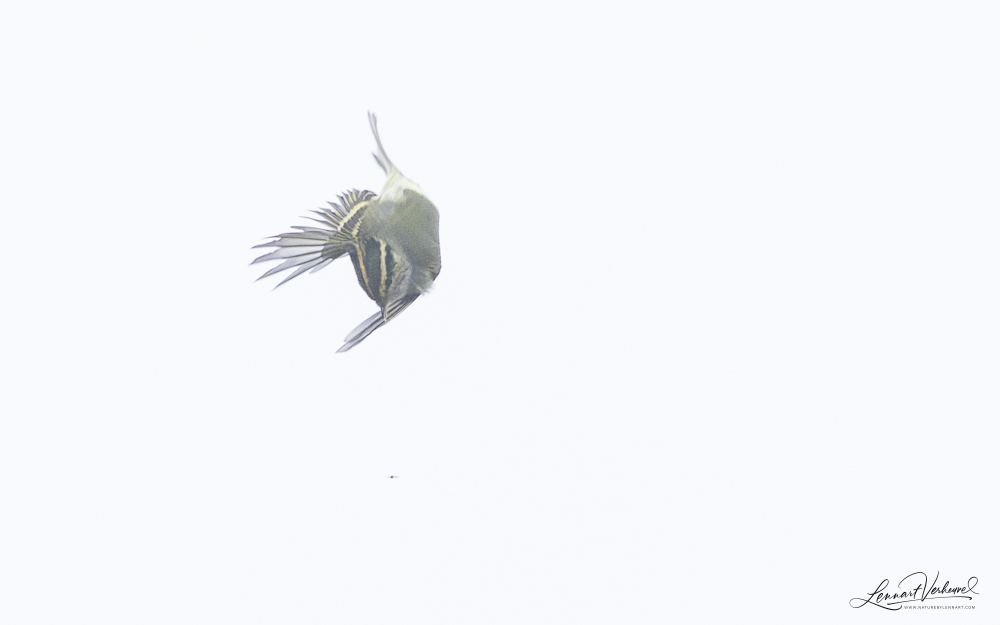
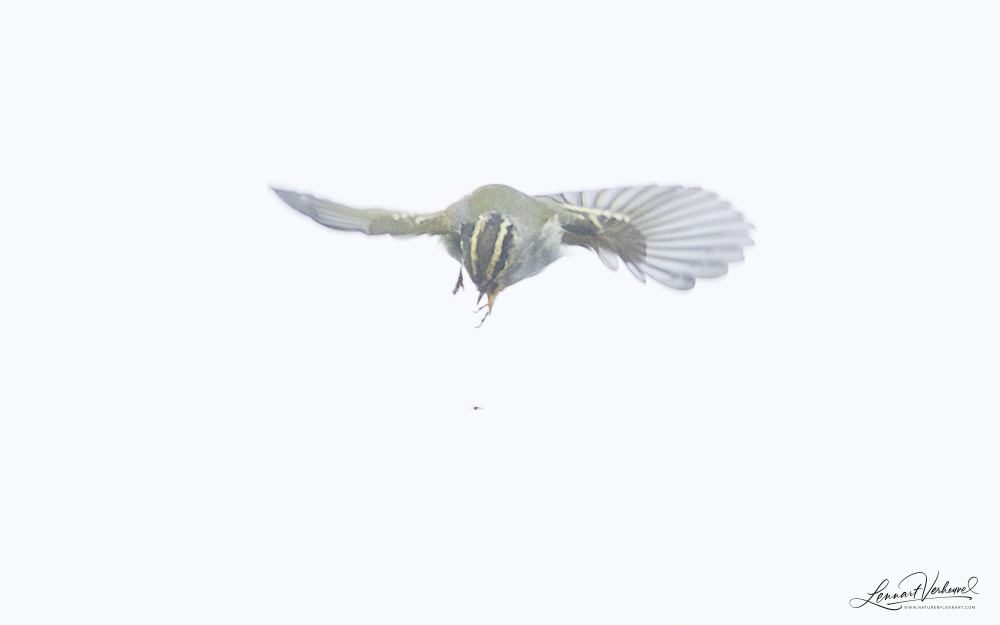
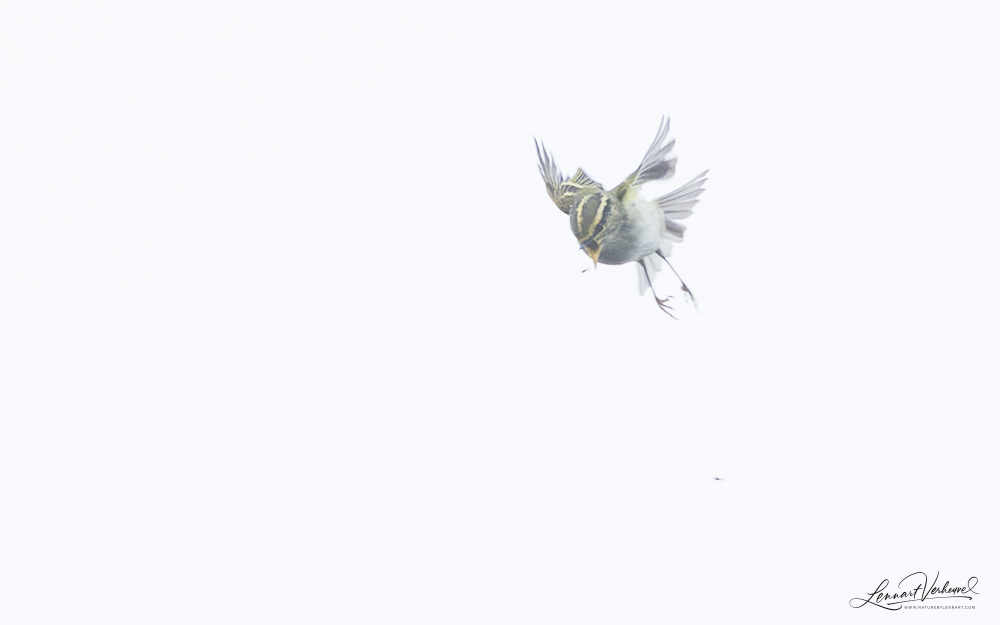
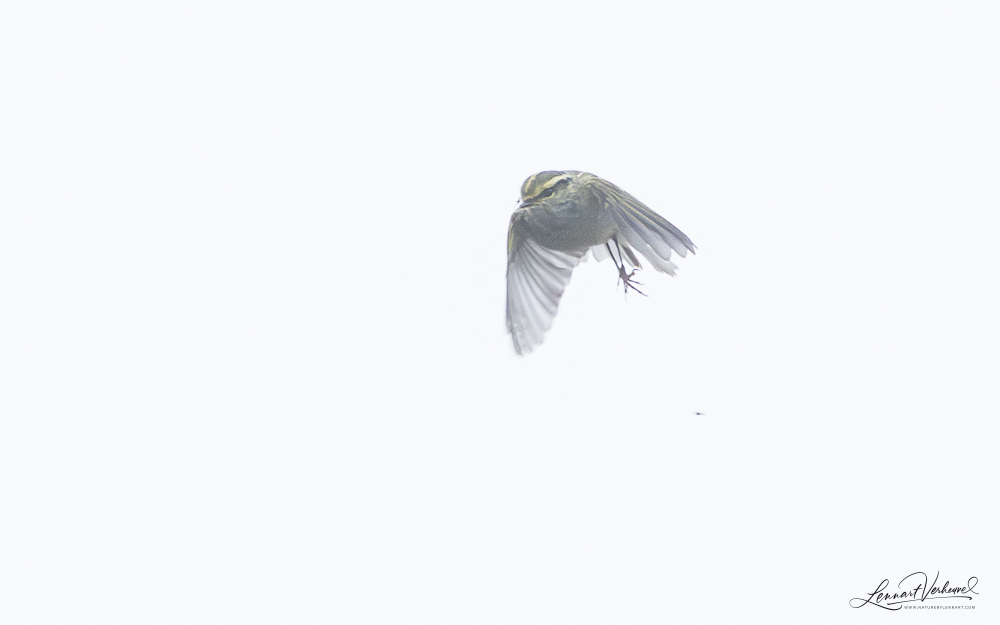
Pallas’s Leaf Warbler
That autumn is not over yet in November was proven by the discovery of a Hume’s Leaf Warbler in Vlissingen by Lenn van de Zande. I had last seen and heard this species thirteen years ago, so it was time for a new observation. This time, I managed to take my first photos of the species, although they were not particularly good yet. Even so, it was a good autumn for this species as well.
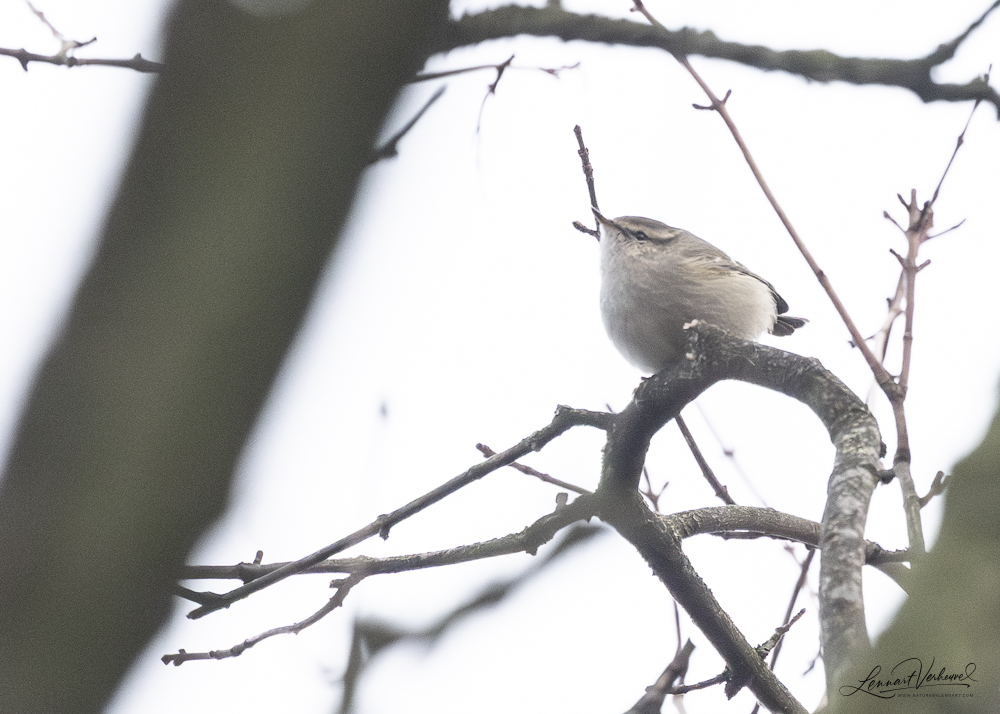
Hume’s Leaf Warbler
Towards the end of the month, on 26 November, yet another beautiful species appeared: Desert Wheatear! It had been several years since I last saw one. I was able to go and look on a weekday morning, and the bird showed itself extremely well at close range.
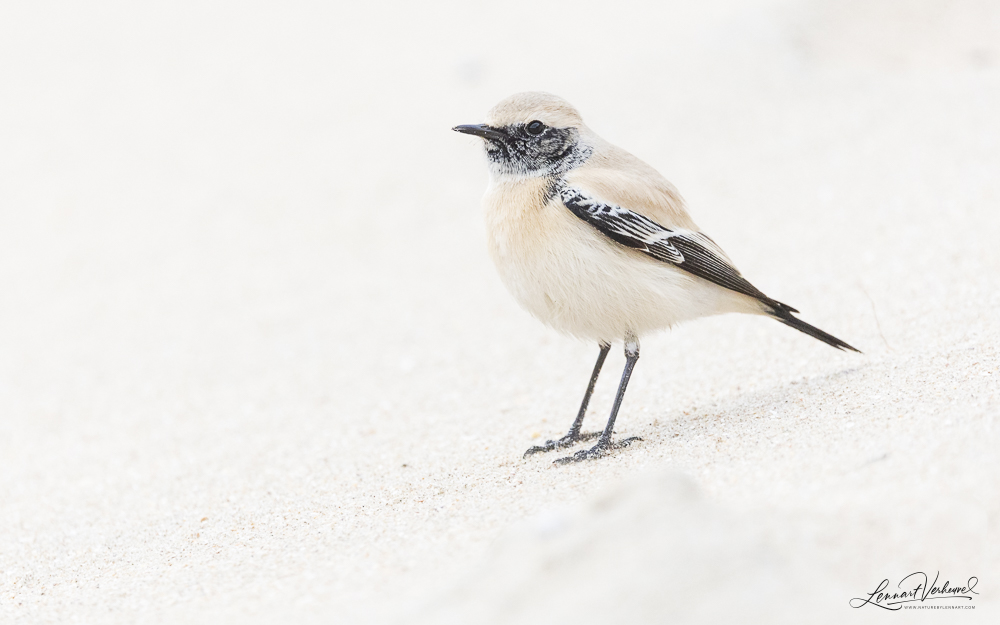
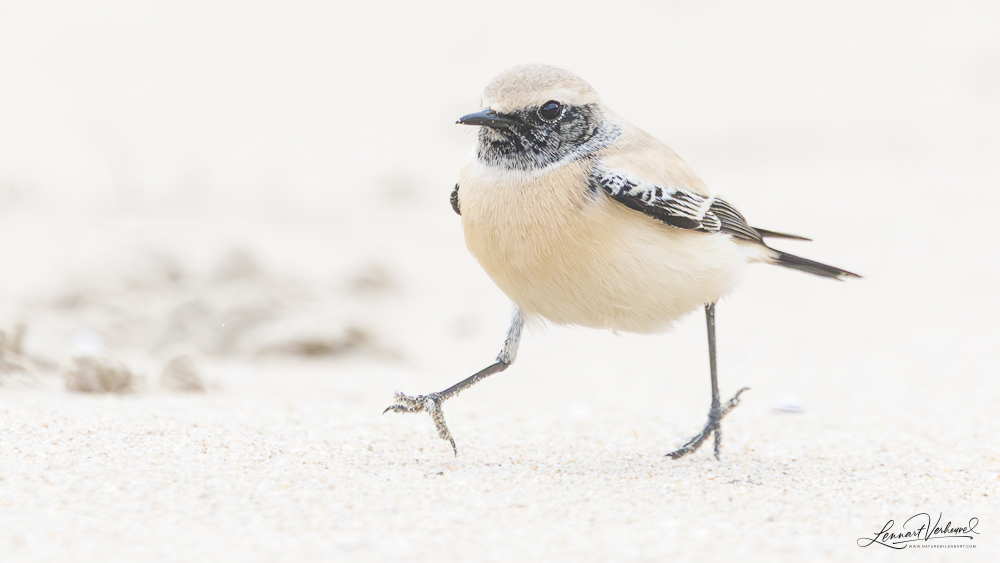

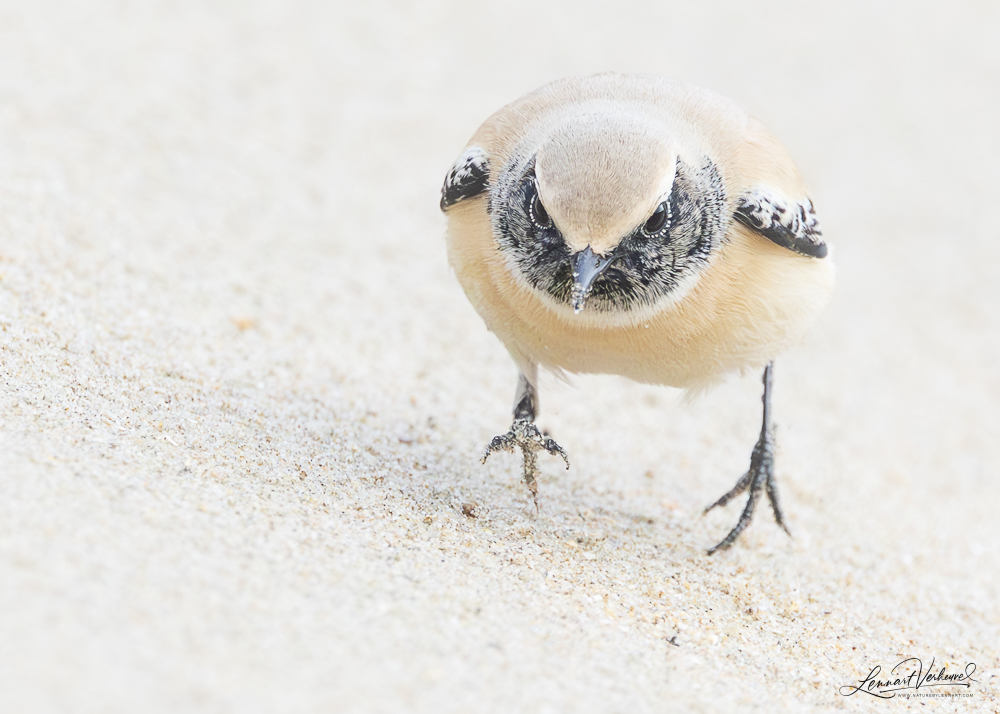
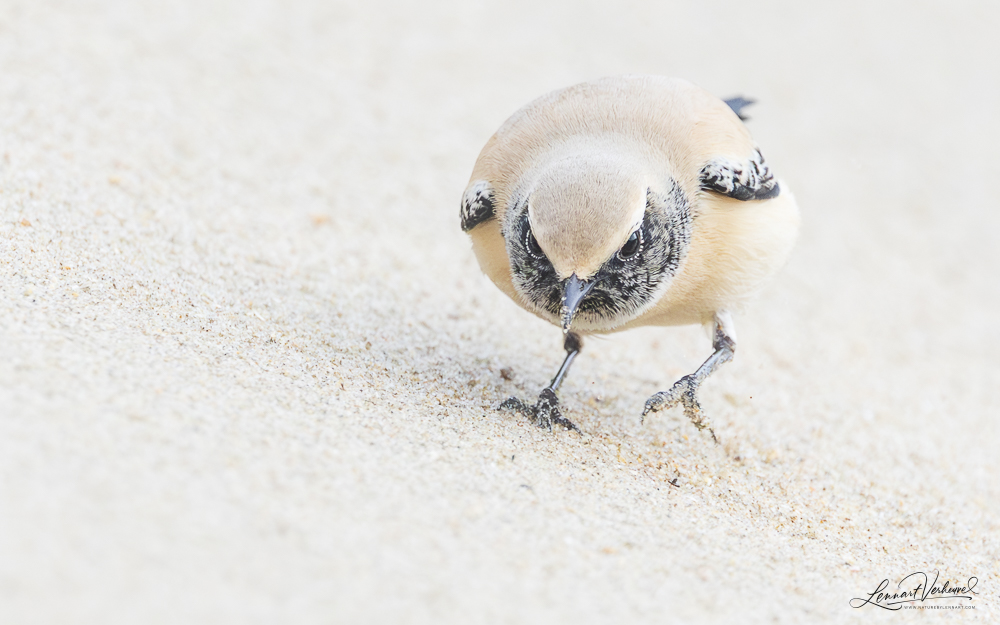
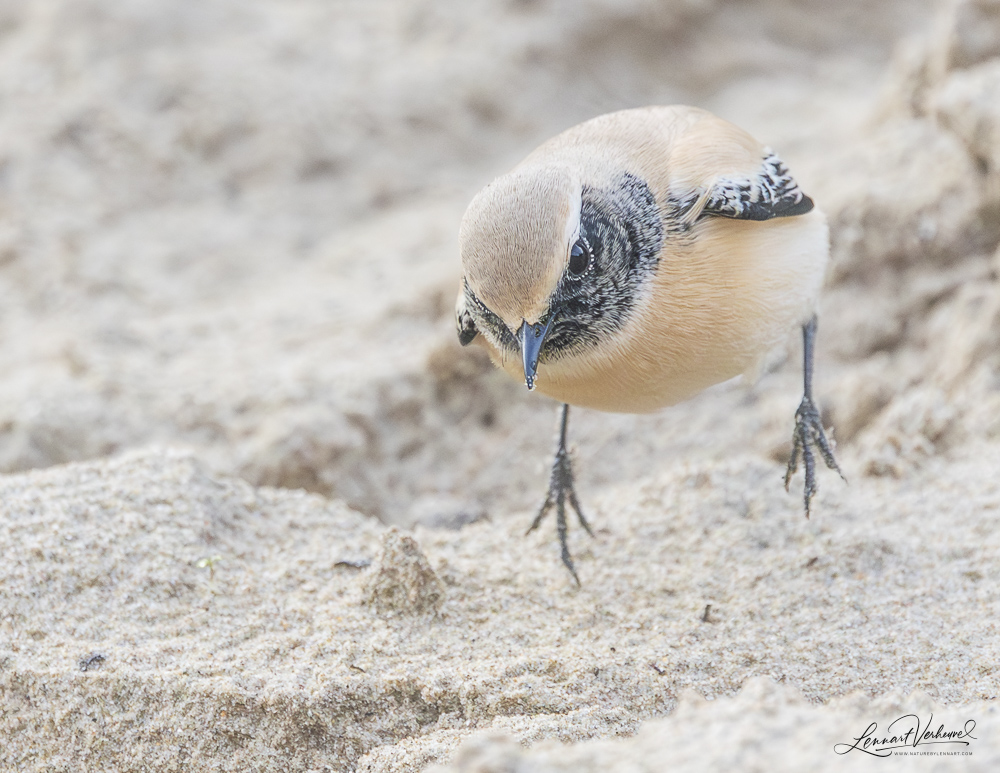

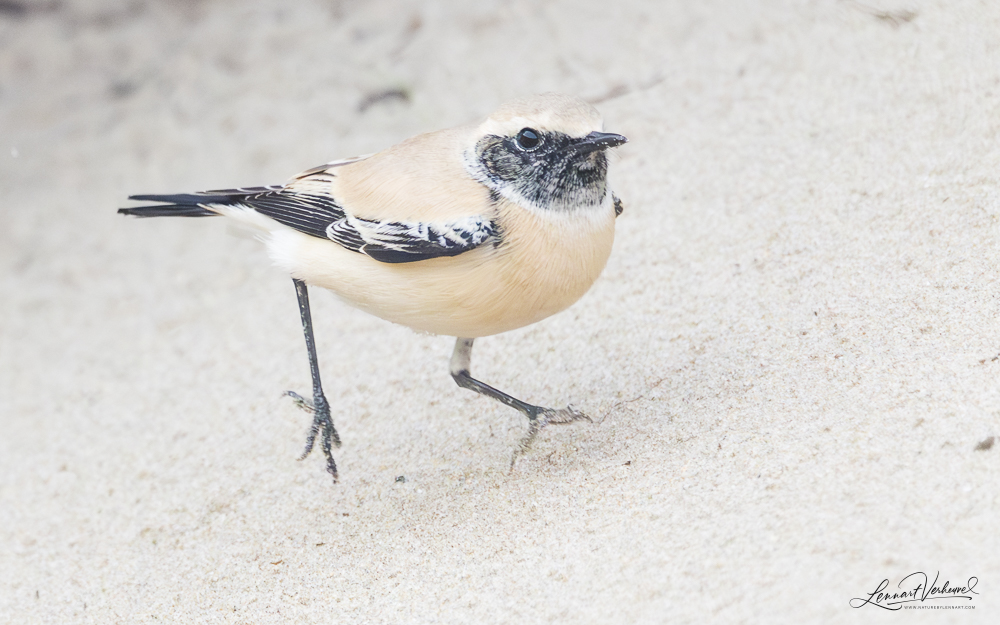
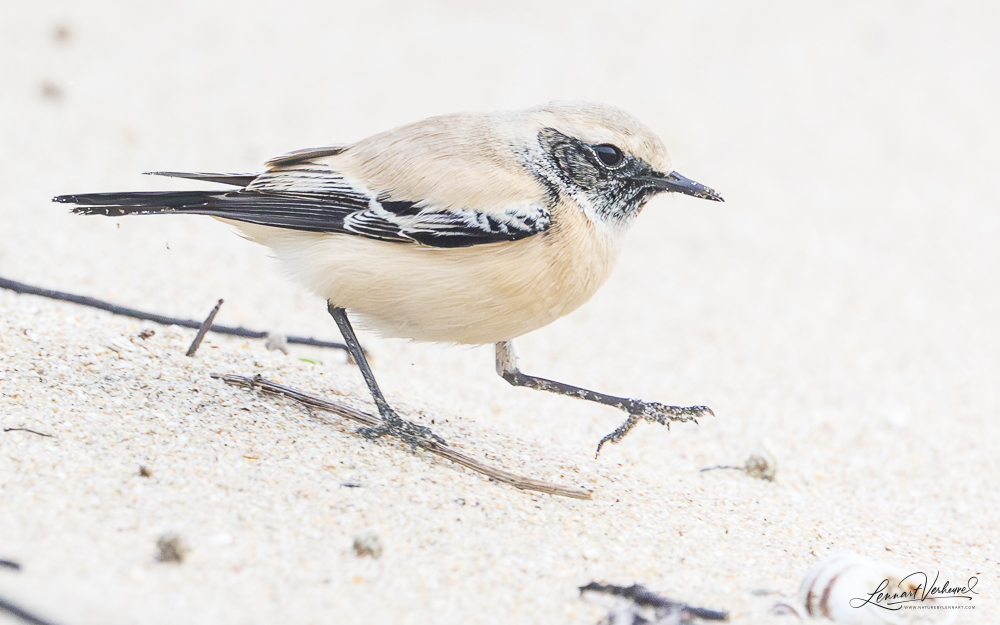
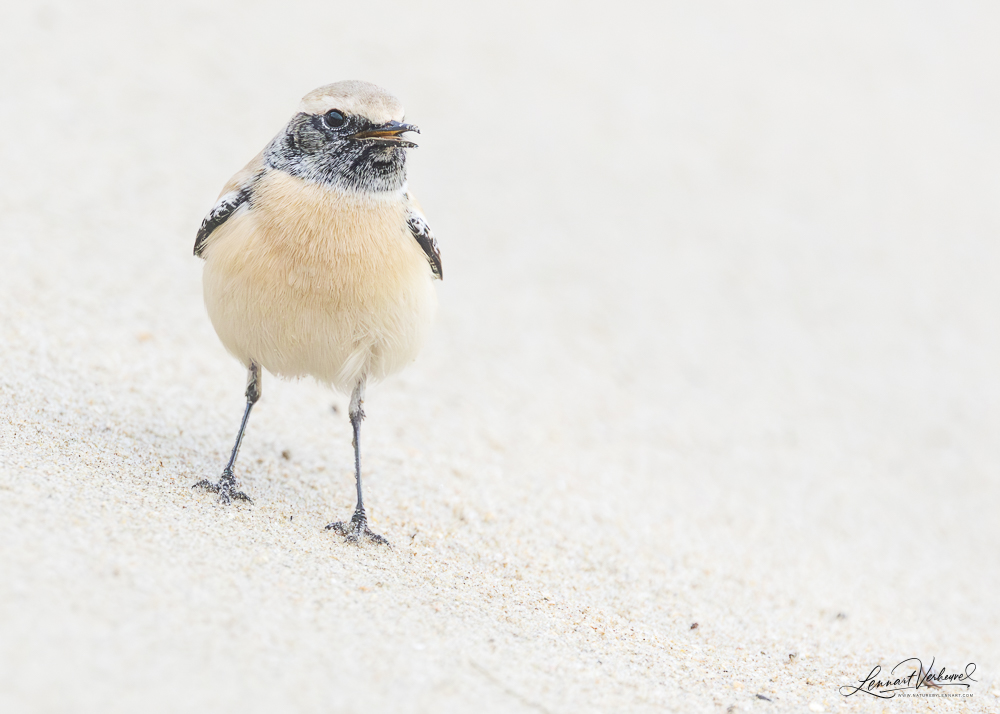

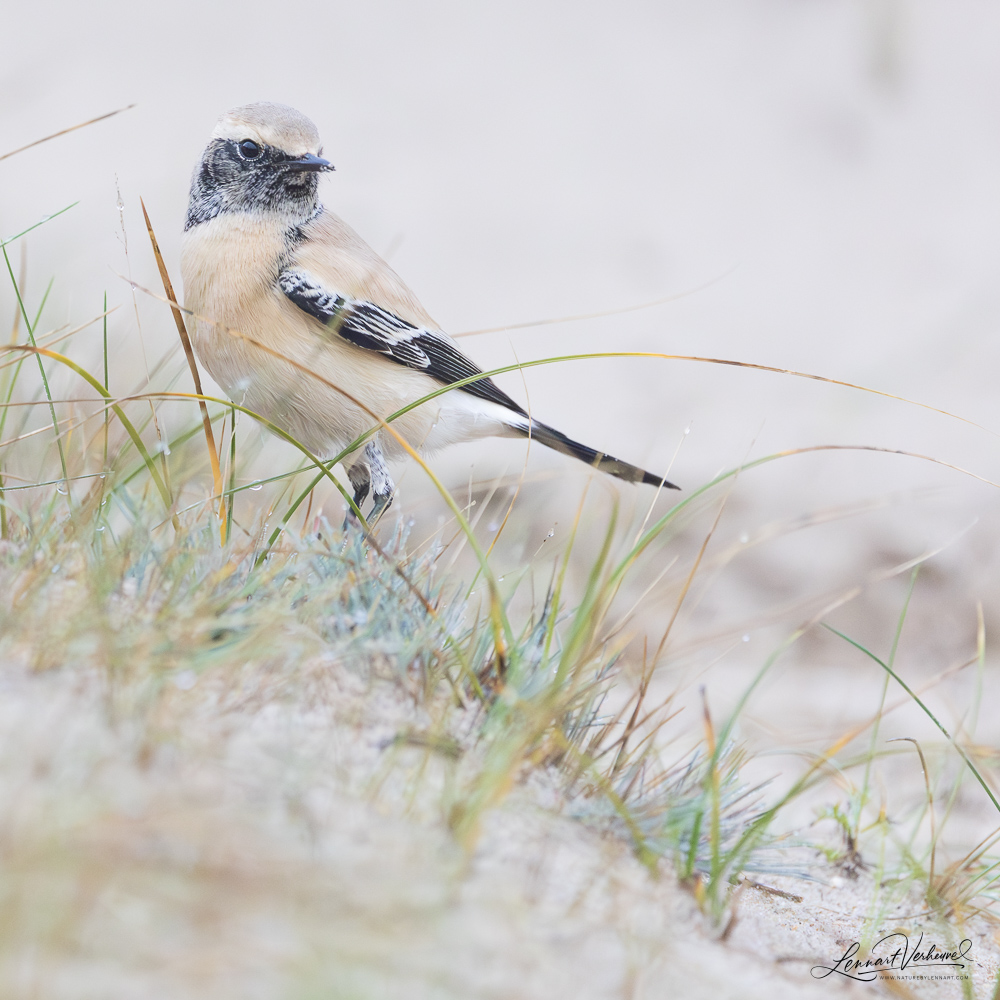
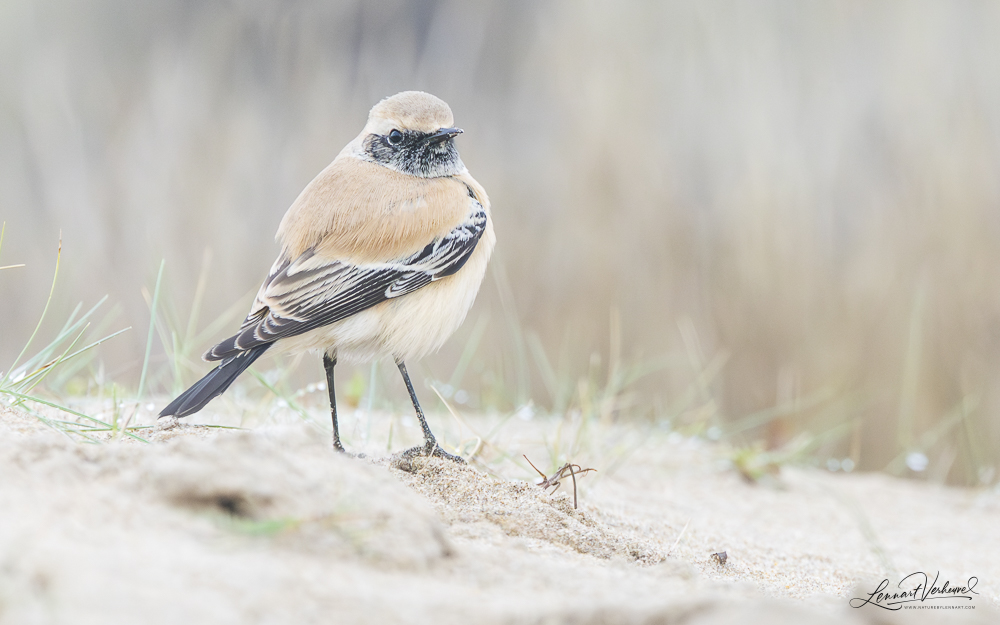

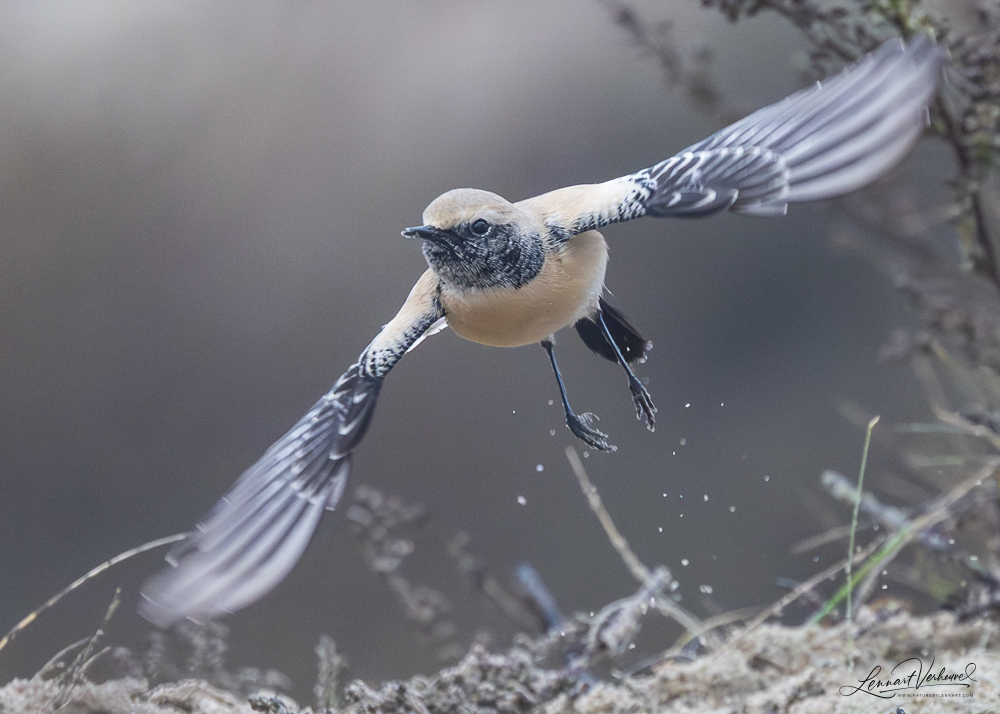
Desert Wheatear
Finally, on November 29th, I once again spent a day in one of Glenn Vermeersch’s hides, returning to hide H7. It was wonderful to relax for a day and experience the forest from the hide. I enjoyed the Goldcrests bathing the most; at the end of the day, I saw even three together!
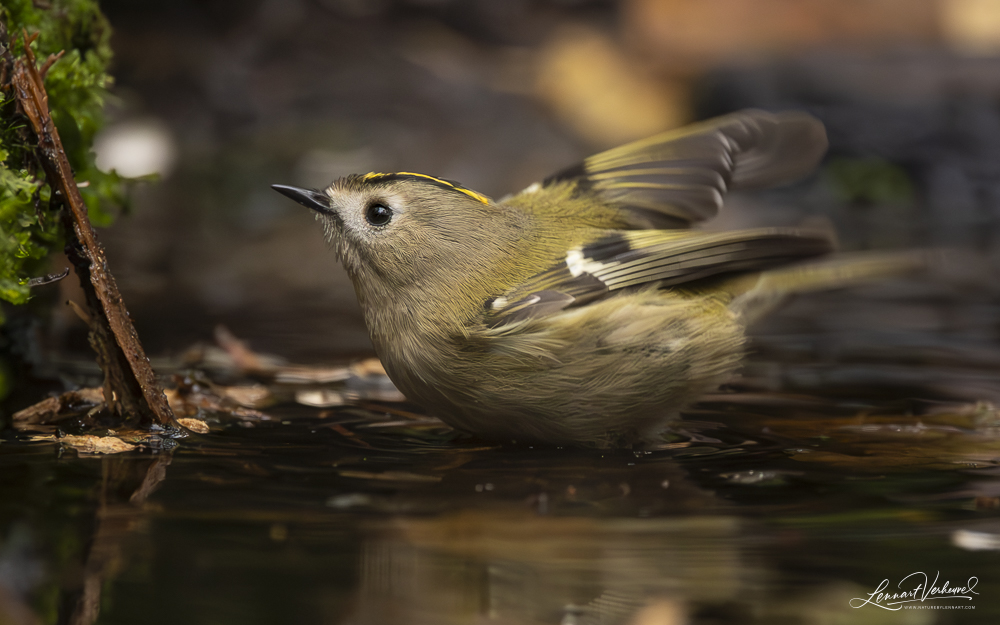
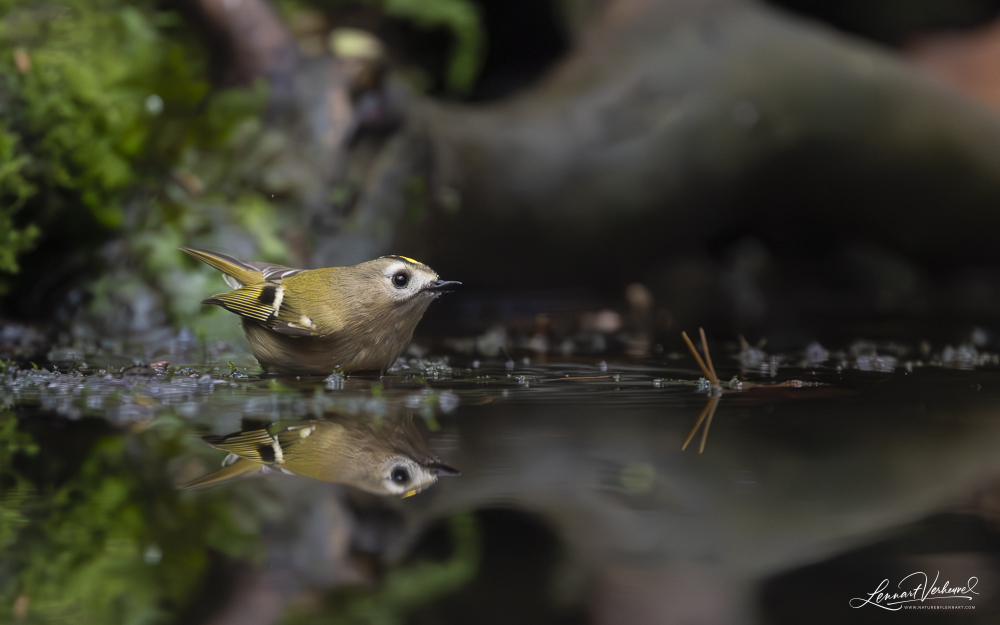
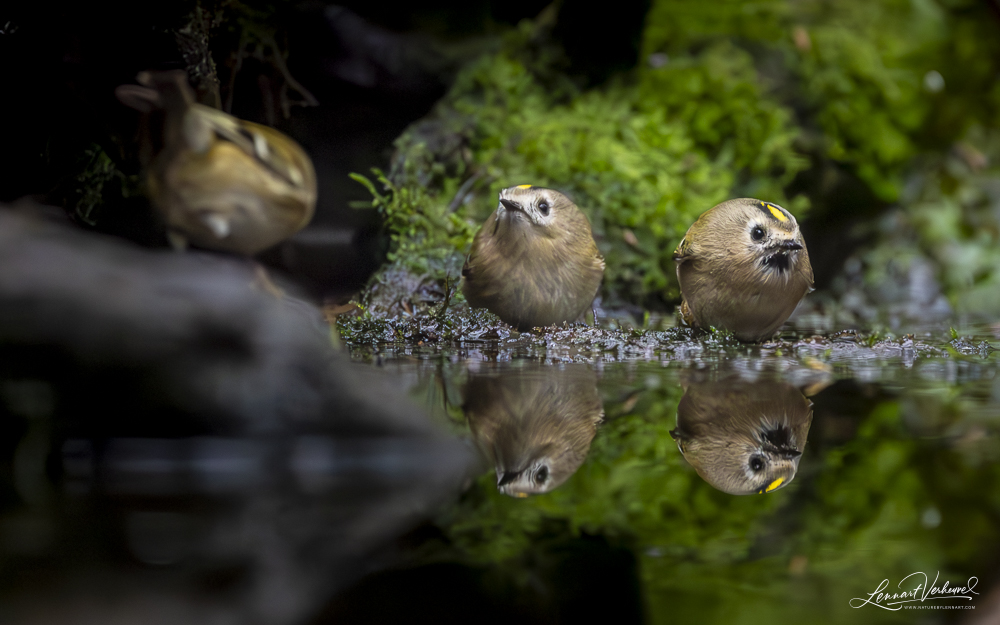

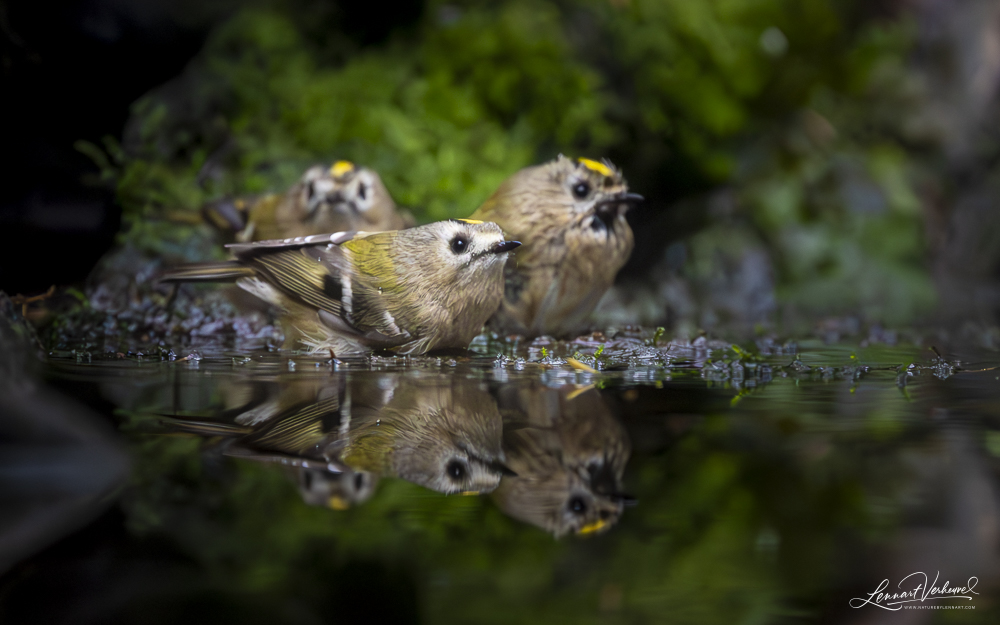
Goldcrest
Other species that made me smile included Crested Tit, Coal Tit, and a Eurasian Siskin, all of which came to bathe in the pool.
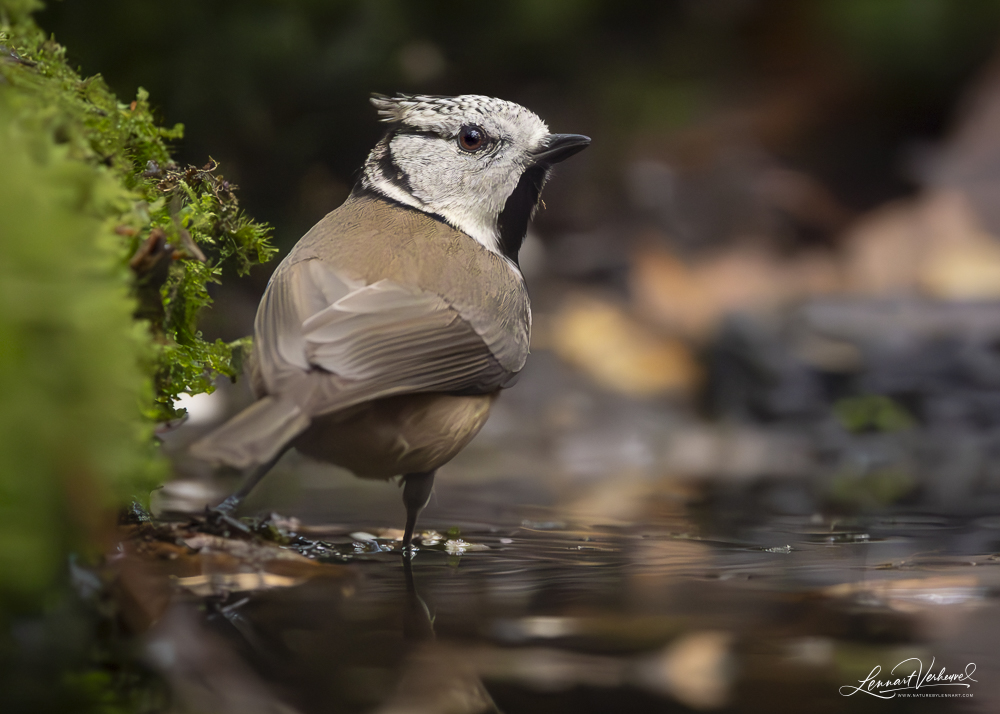
Crested Tit
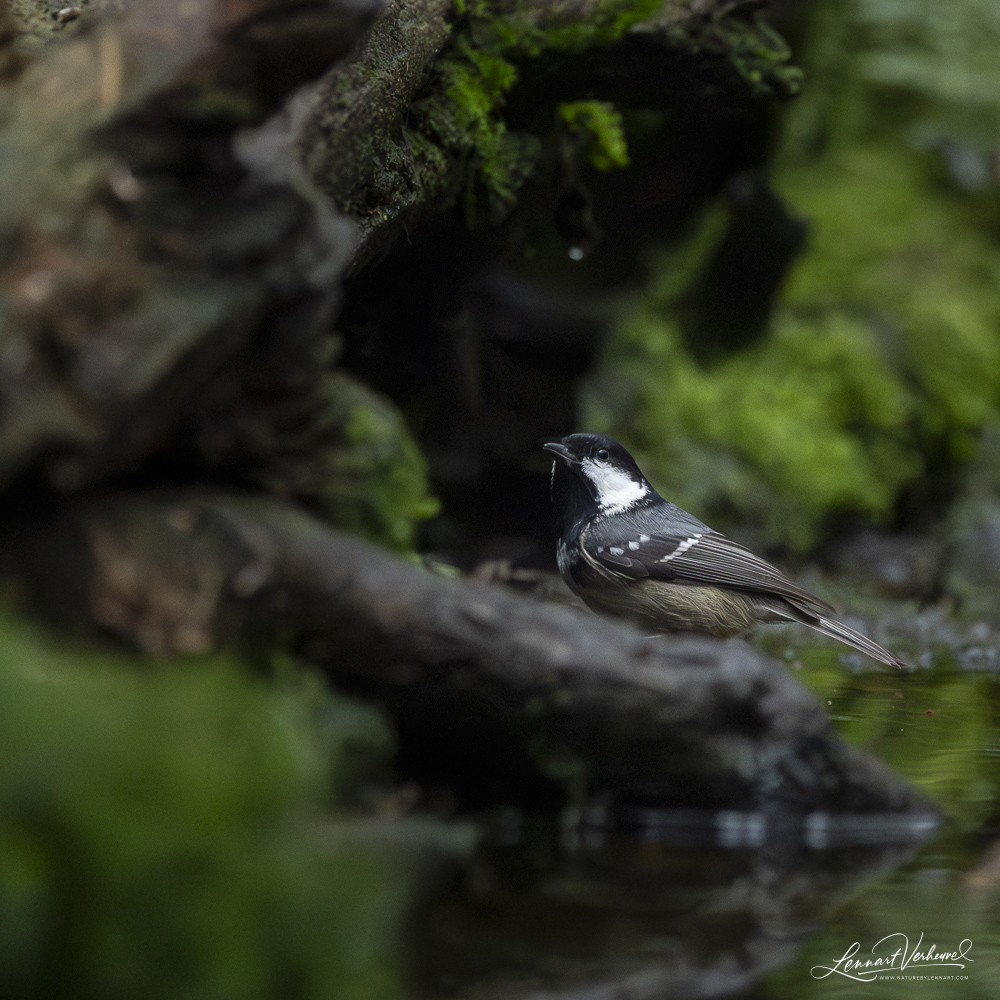
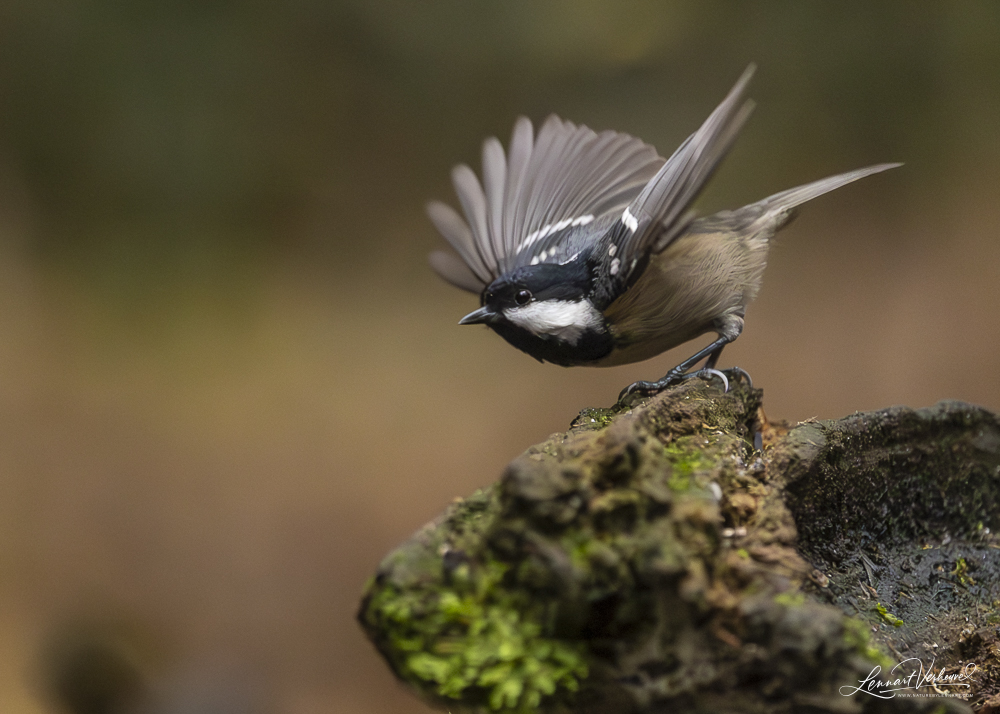
Coal Tit
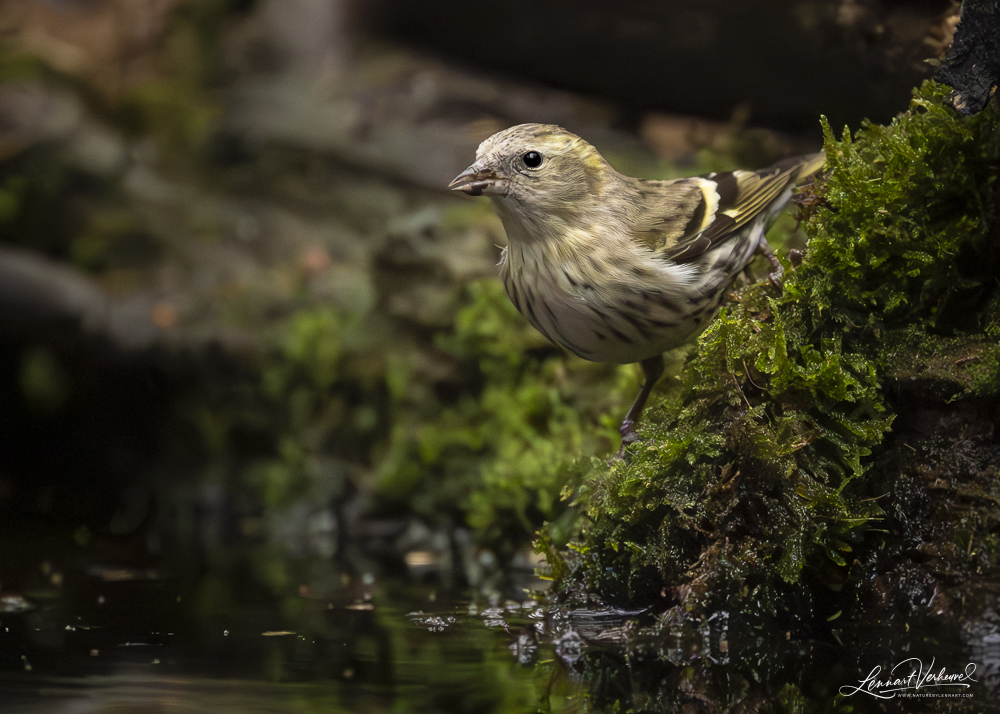
Eurasian Siskin
As a bonus, I will also add the local Red Squirrel!
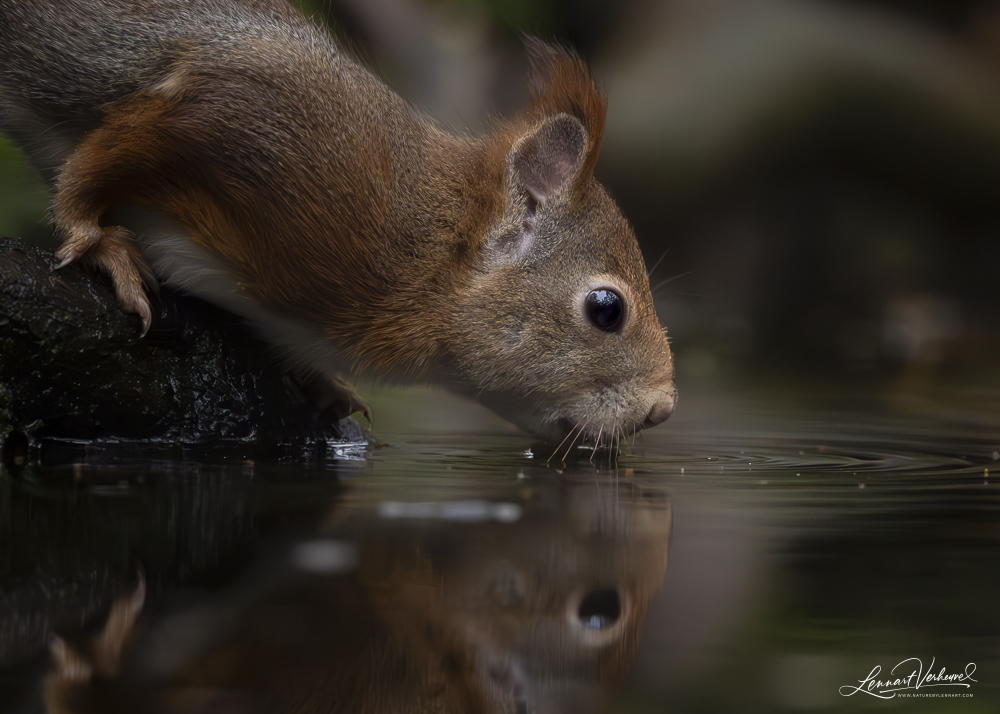
Red Squirrel
I am not yet sure whether December will bring enough highlights to merit a separate post, but otherwise I hope to publish a year overview towards the end of the year. In the meantime, my posts with photos from the previous months are, of course, still available, and there is also plenty of material from Uganda online!


