- info@naturebylennart.com
The cloud forest of the Andes is home to some truly extraordinary birds. Tanagers in particular show an incredible variety, making birding here very enjoyable. The temperatures are also much cooler than in the lowland rainforest, which means birds stay active for longer during the day. That lower temperature is pleasant for birders too, although the downside is that there’s hardly any time left for sleep, especially if you also want to look for birds at night!
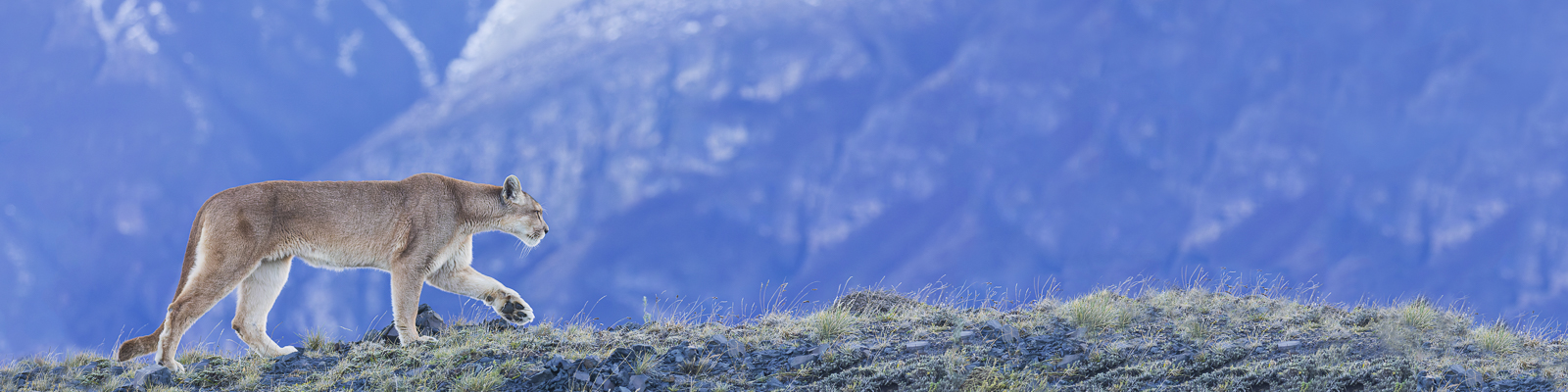
For me, birding in the cloud forest is one of the best things imaginable, so I had been looking forward to returning to it in Colombia while I was there to look for the Northern Oncilla. Although the trip was focused on a cat, I still had a few birds high on my wishlist.
Antpittas and pittas are favorites among birders. Pittas live in Asia and Africa, while antpittas occur in Central and South America. Both are often described as “plump balls on sticks.” Pittas look peculiar: upright, elongated birds with relatively long legs. Another thing pittas and antpittas have in common is that they often sit motionless in the forest, making them difficult to find. They also come in a spectacular variety of colors.
I had already encountered several members of these families before. They are the kind of birds you would love to see every single species of. I already know that won’t happen for me — and that’s perfectly fine — but there are some species I absolutely want to see at least once in my life. Crescent-faced Antpitta was one of them.
This species is one of the smaller antpittas and belongs to the same genus as the Ochre-breasted Antpitta that I had previously seen in Ecuador. These are fairly small antpittas, roughly robin-sized, very different from the Giant Antpitta that I also saw in Ecuador.
I could also have seen Crescent-faced Antpitta in Ecuador, but it was notoriously difficult there and I missed it. I knew there was a reliable location in Colombia: Hacienda El Bosque. Luckily, it was only a few hours’ drive from Mirador El Roble, making it easy to combine with my search for Northern Oncilla.
I spent the first day and a half at Hacienda El Bosque. On my first full day, I simply enjoyed the birds around me. It was wonderful to reconnect with favorite species such as Sword-billed Hummingbird.
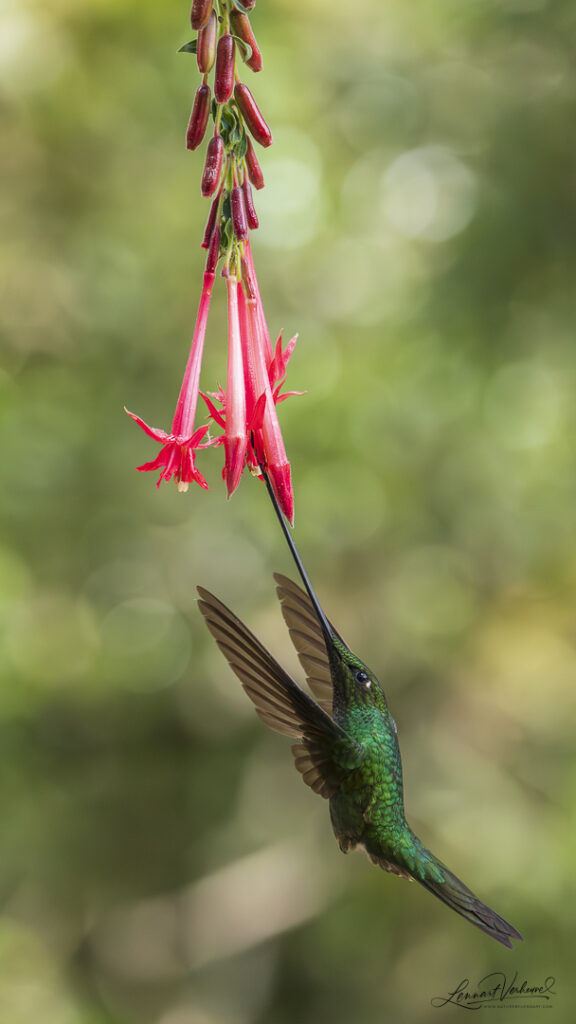
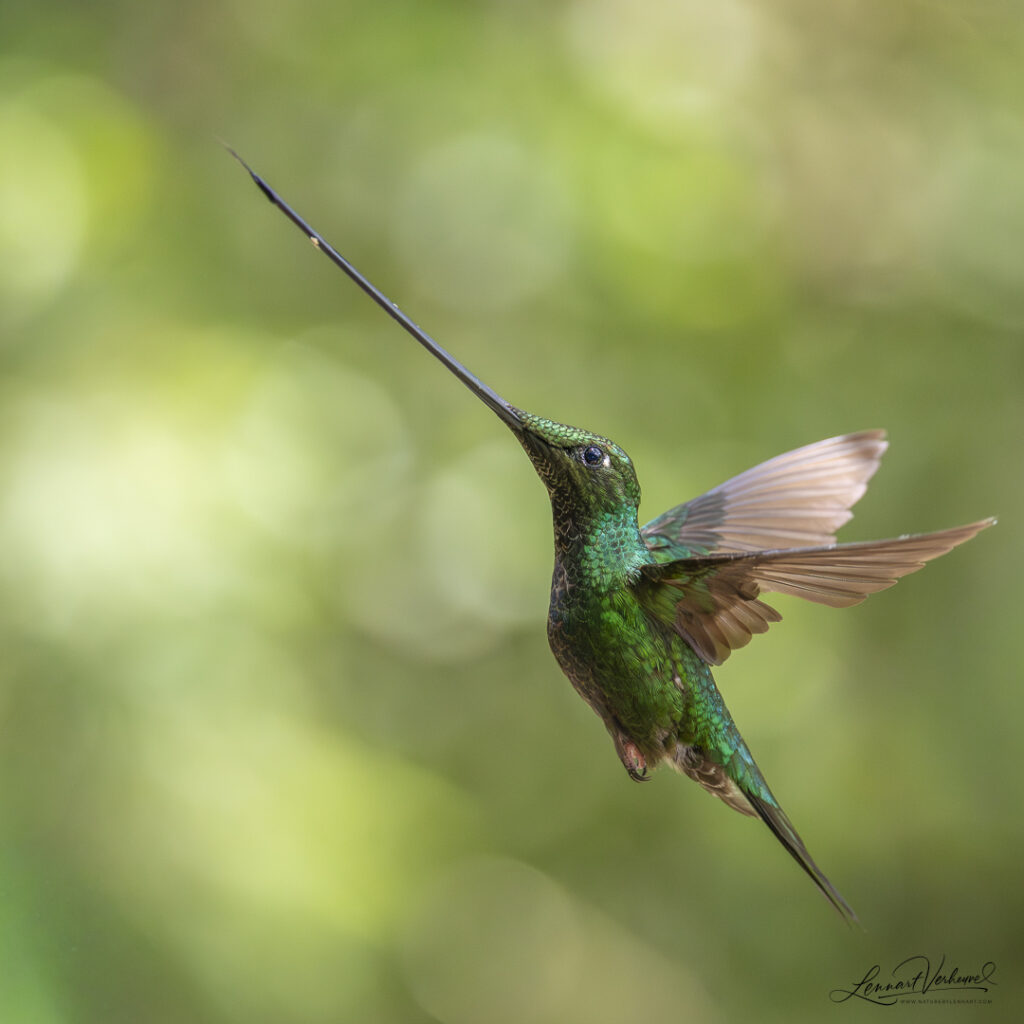
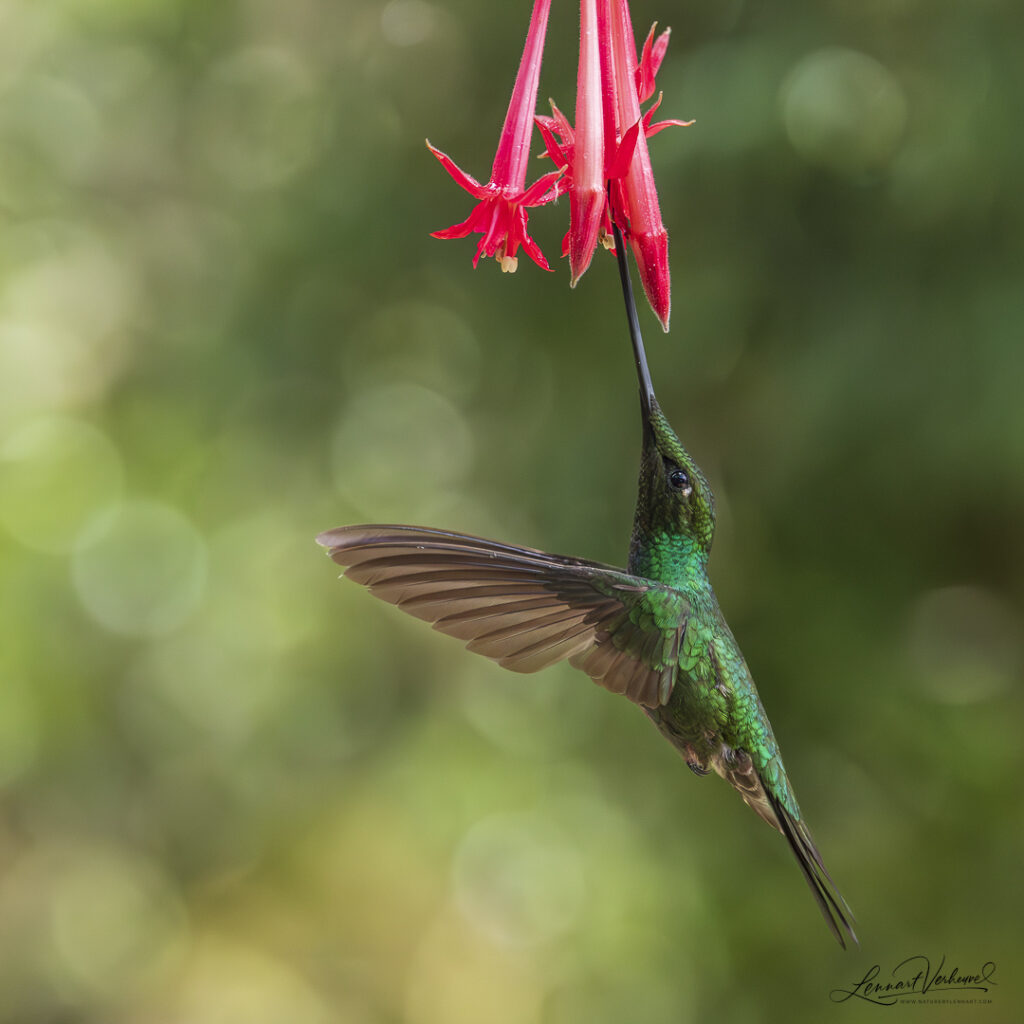
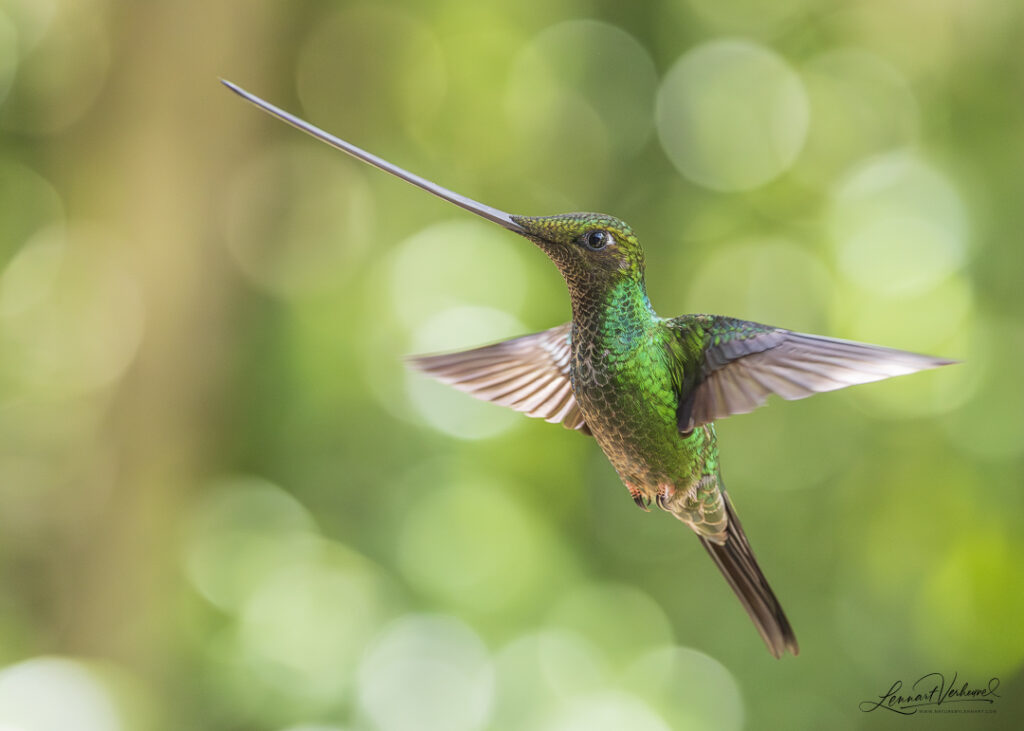
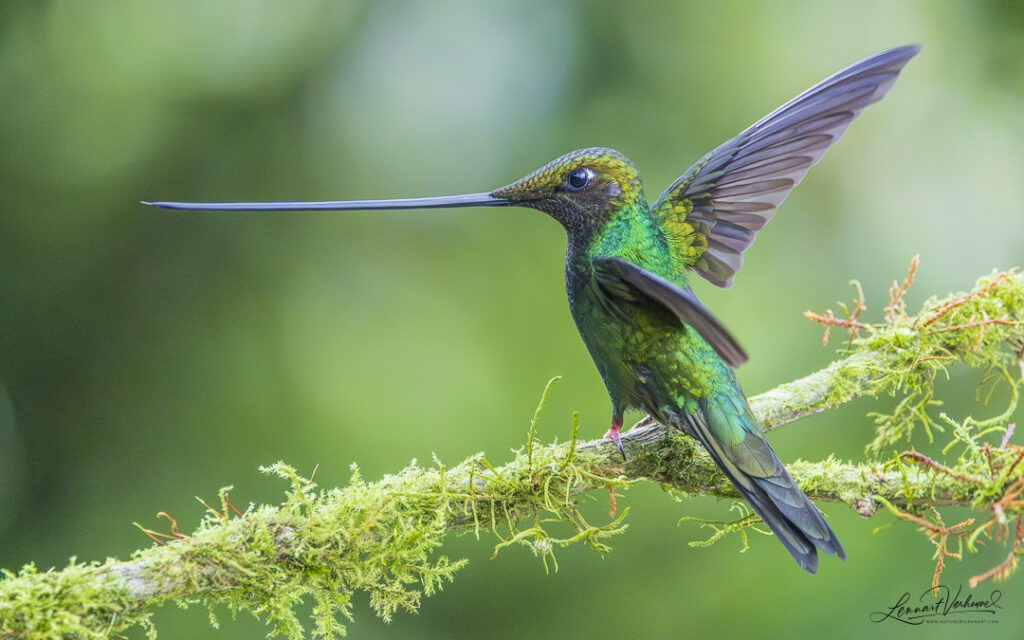
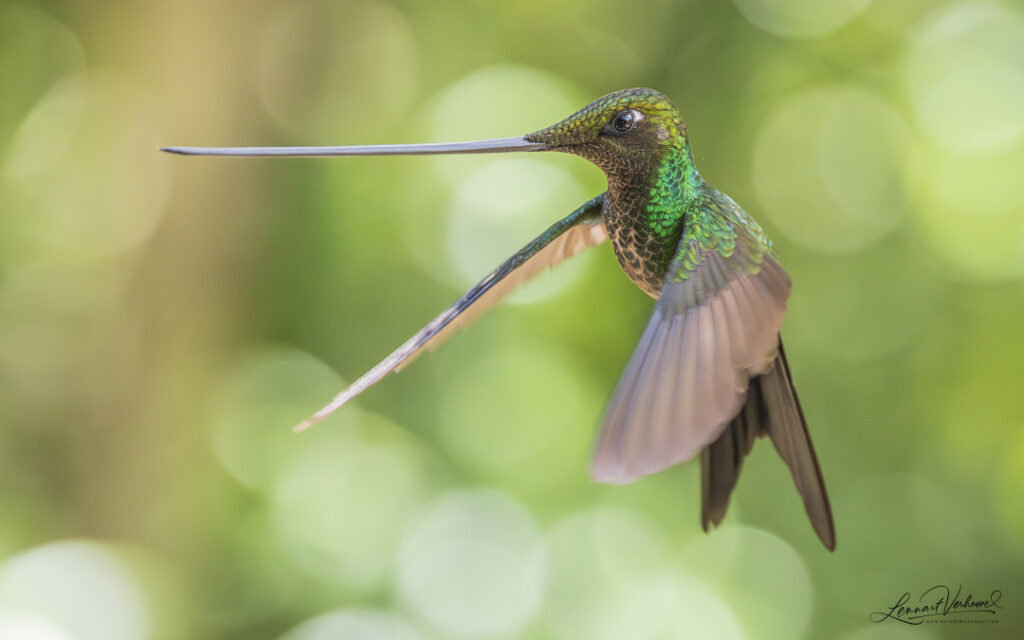
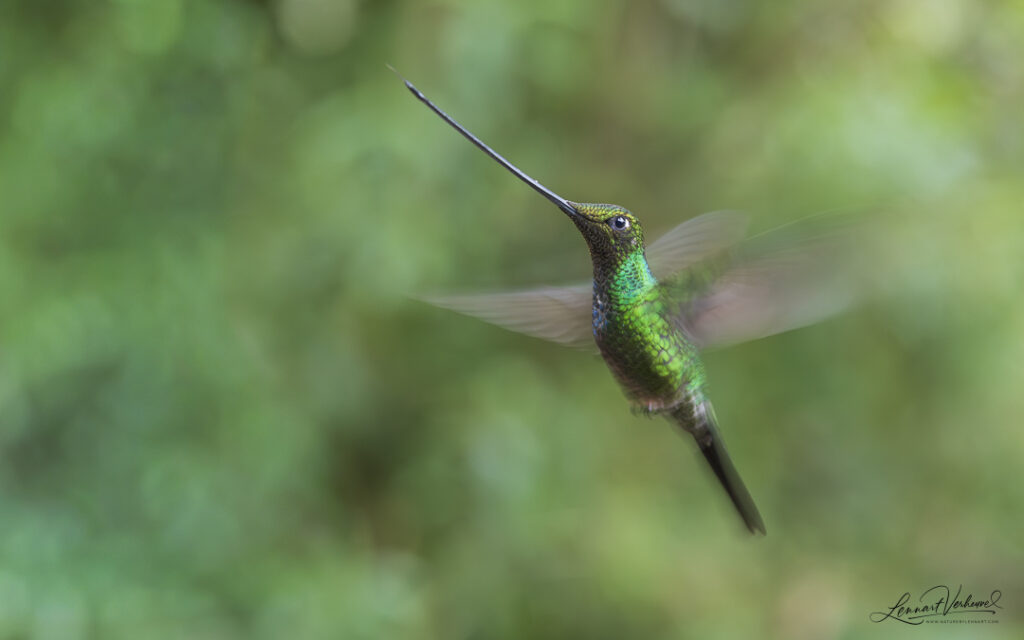
Sword-billed Hummingbird
I also saw one of the Andes’ most spectacular birds: Grey-breasted Mountain Toucan. That bird alone would make a visit to Hacienda El Bosque worthwhile.
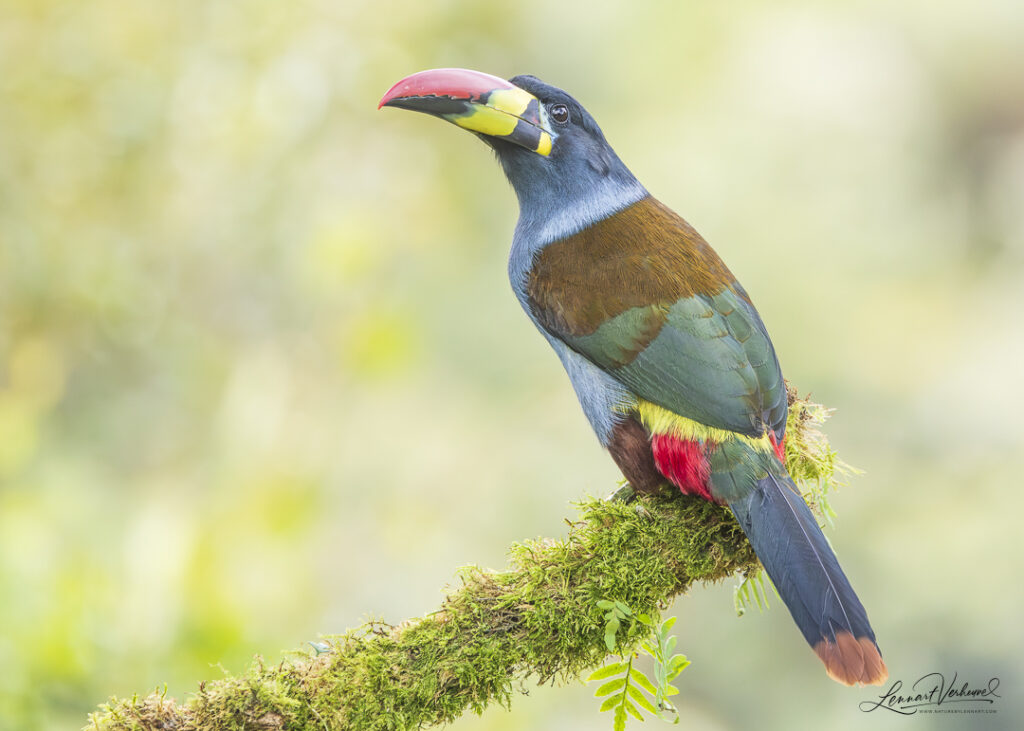
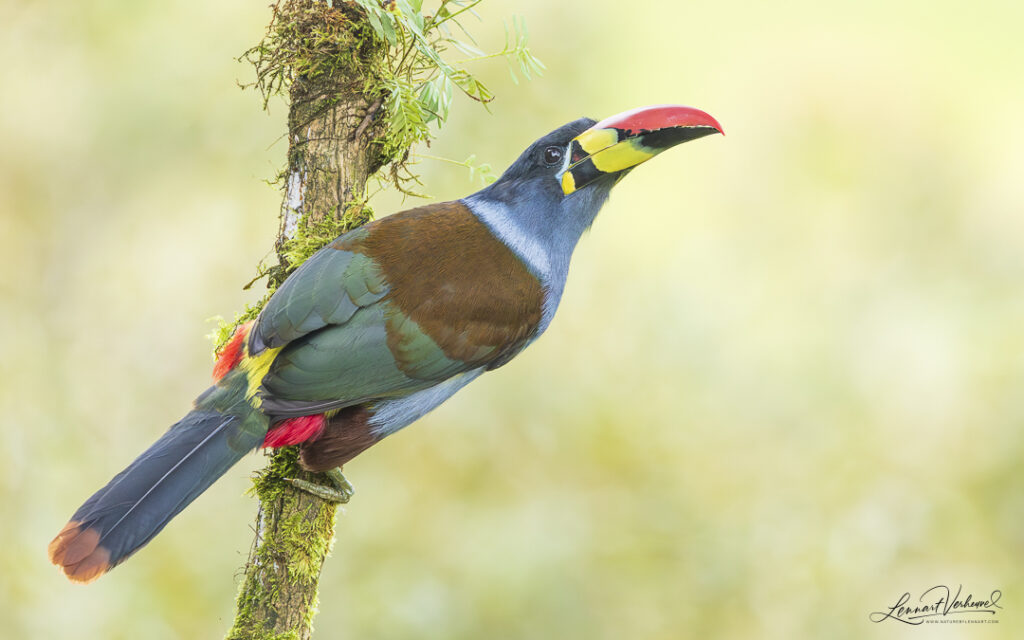
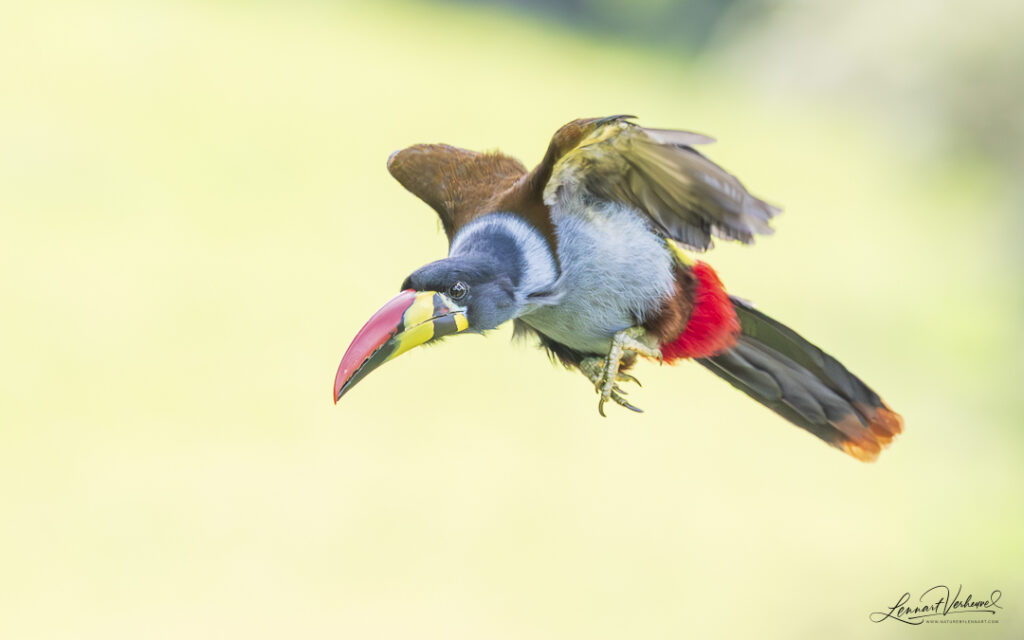
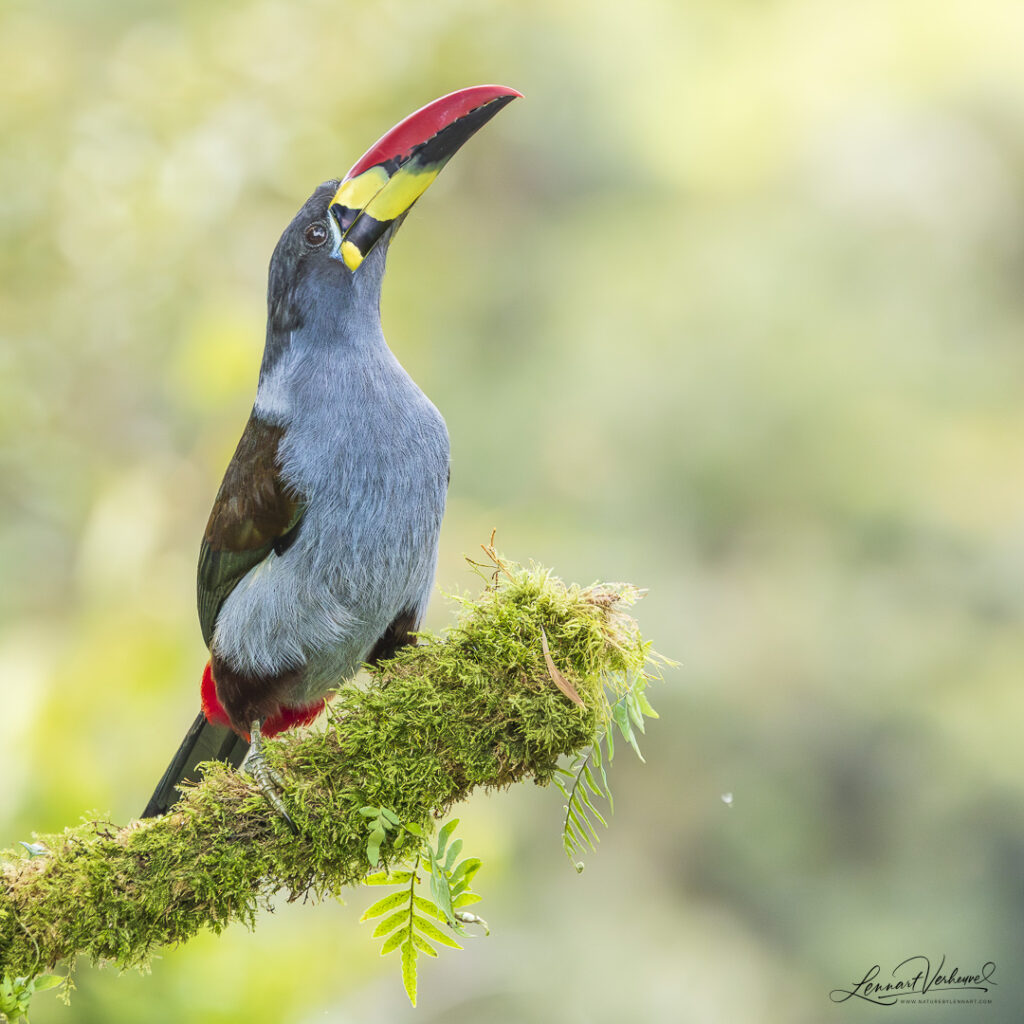
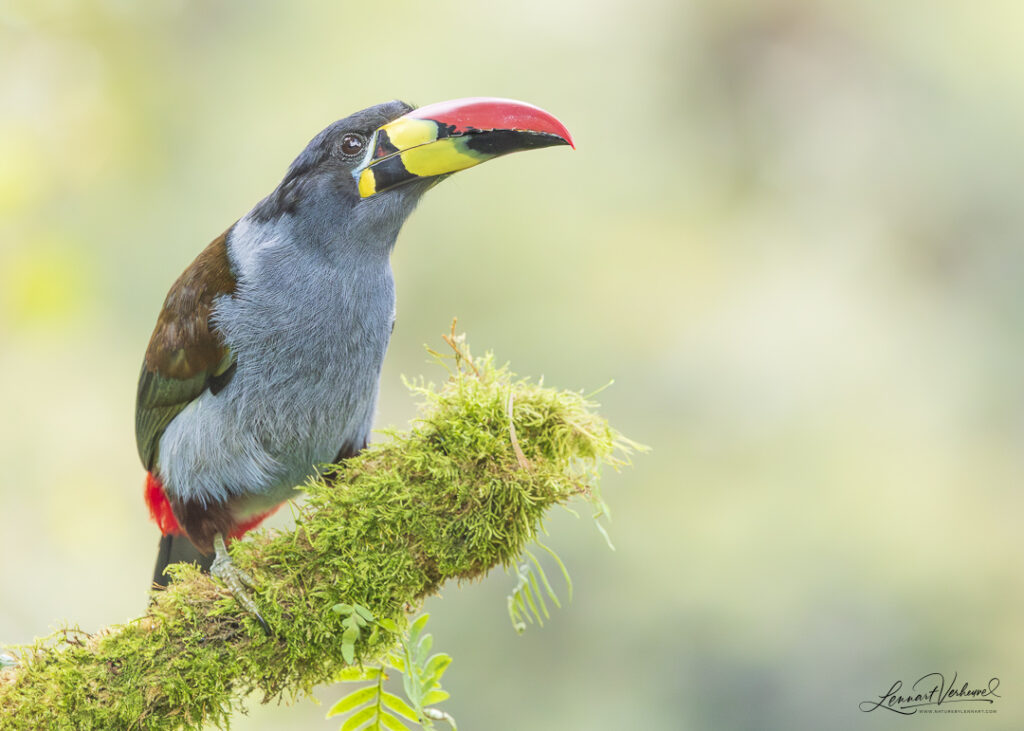
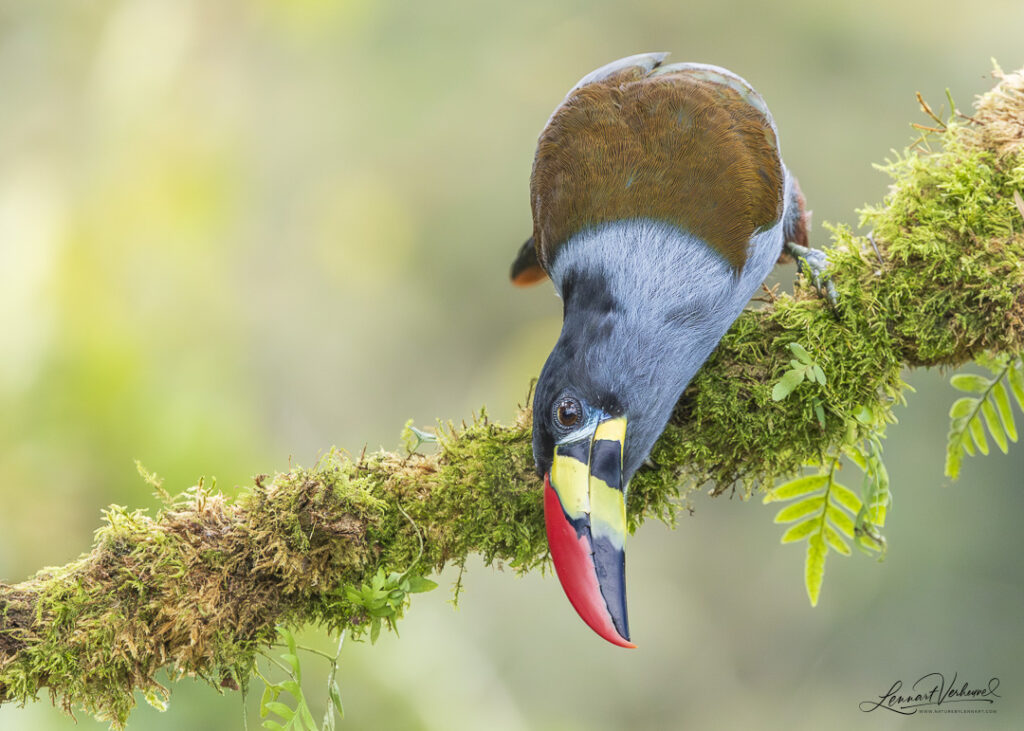
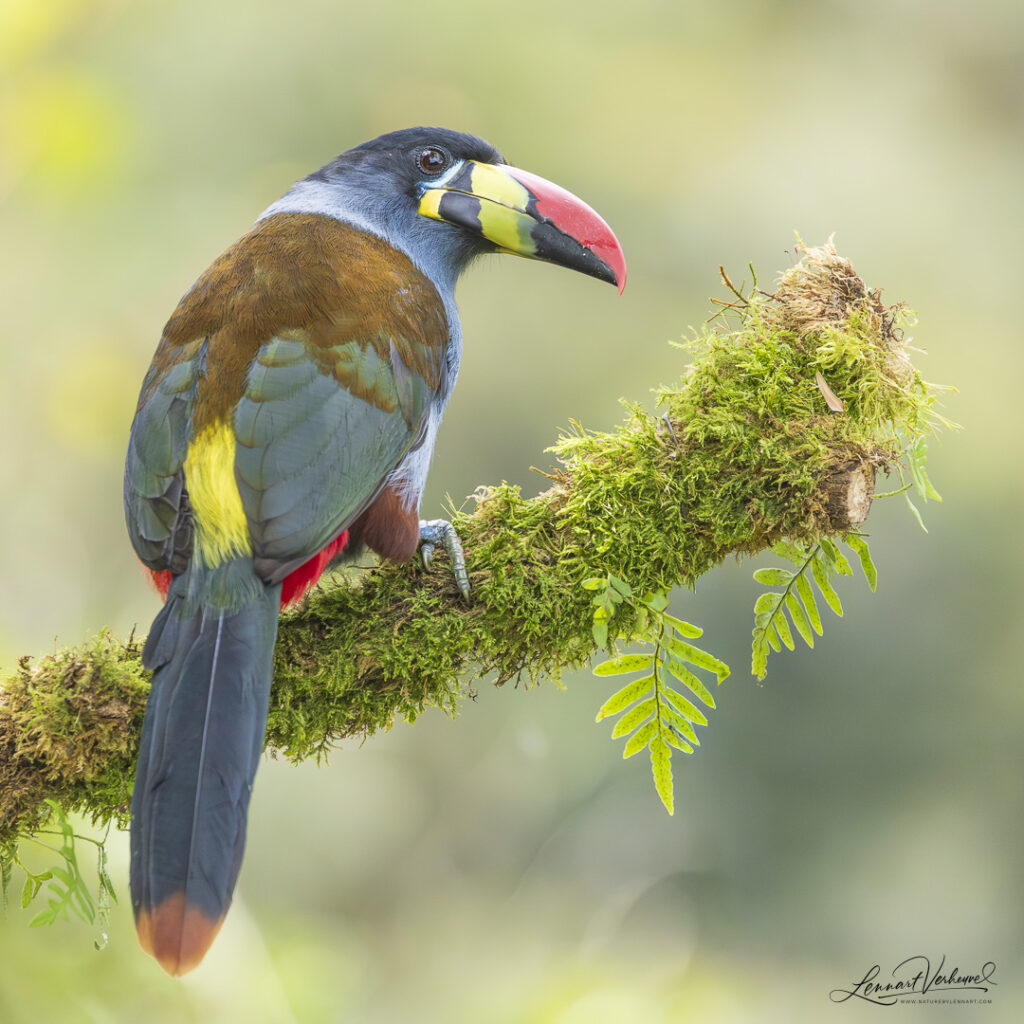
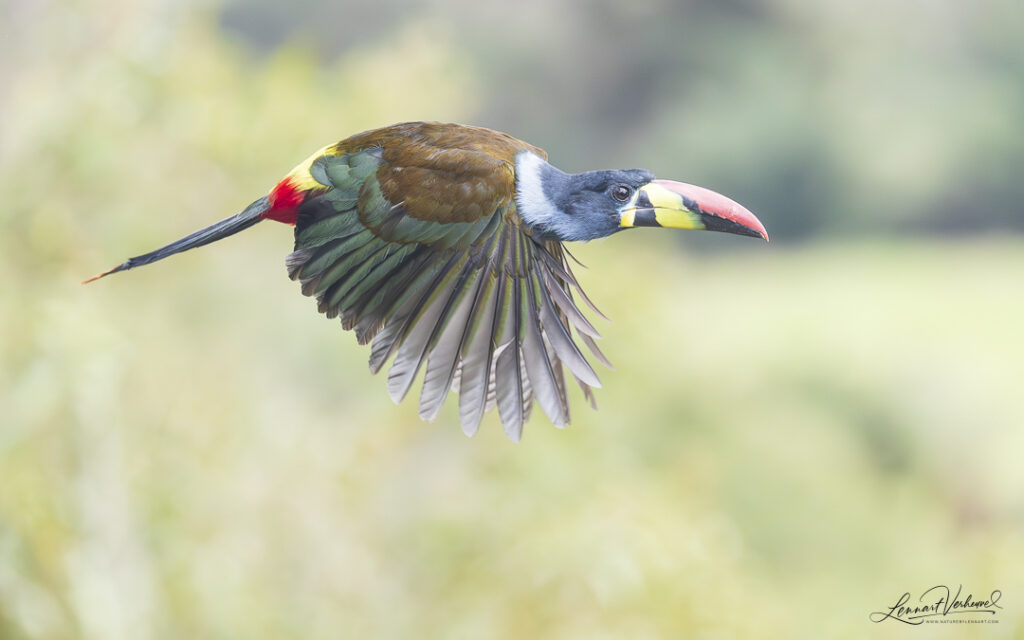
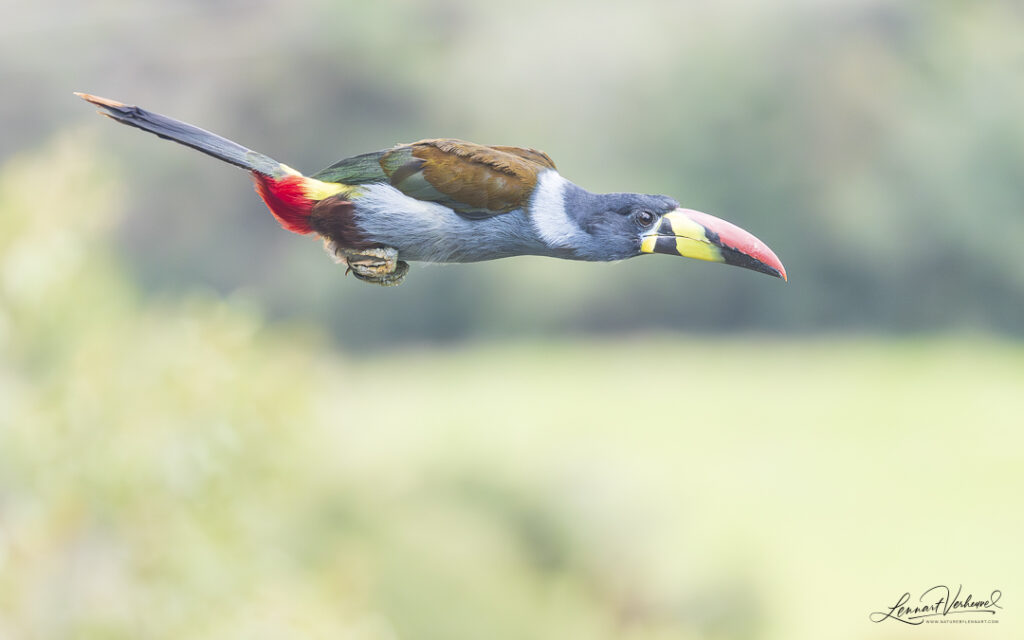
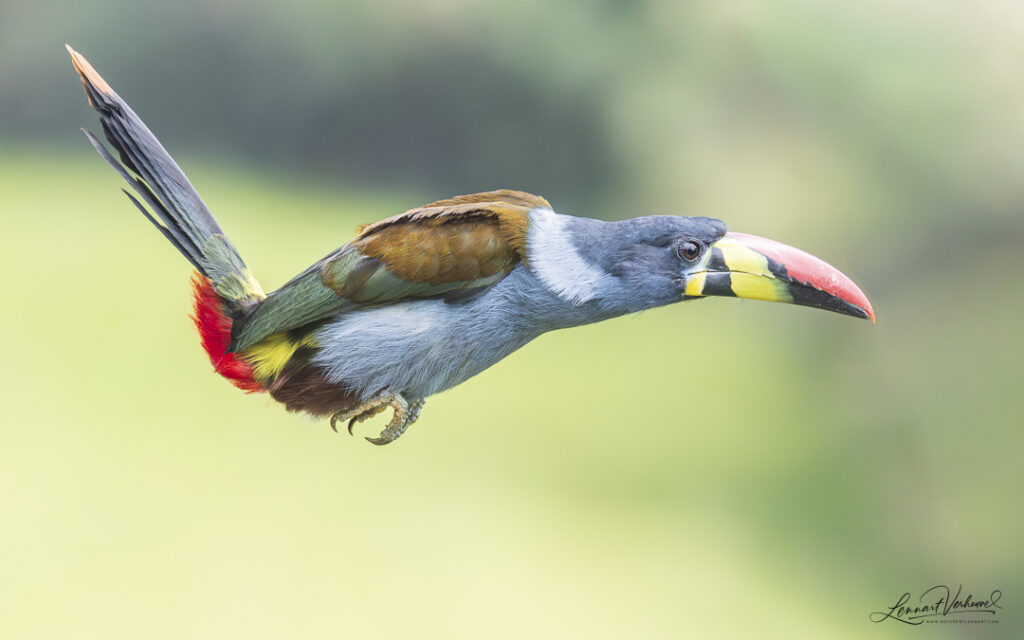
Grey-breasted Mountain Toucan
Another nice surprise was Buff-bellied Mountain Tanager, because according to my Merlin list it shouldn’t even occur in Colombia.
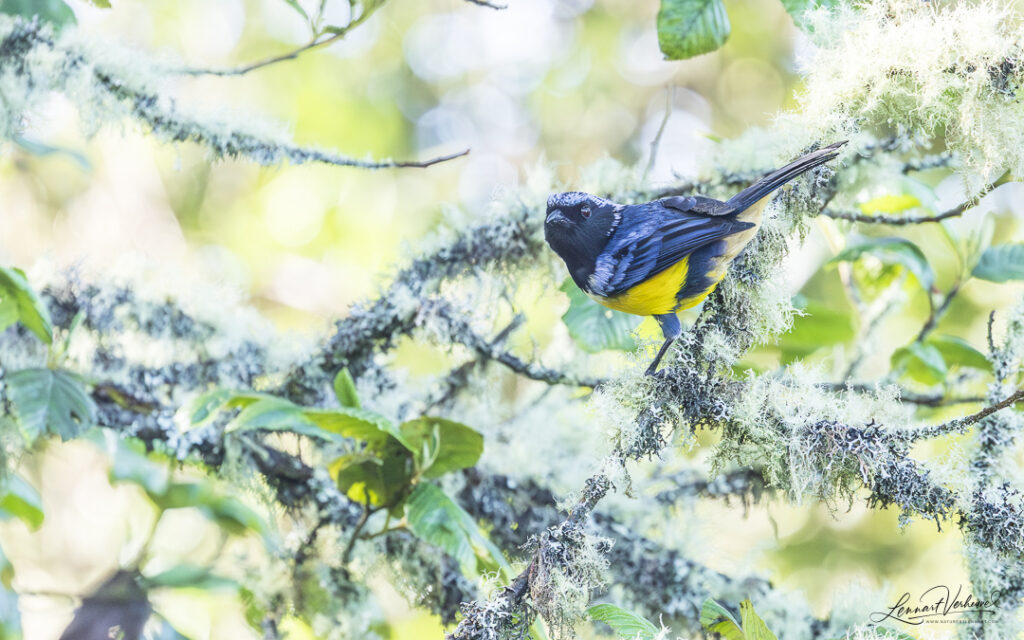
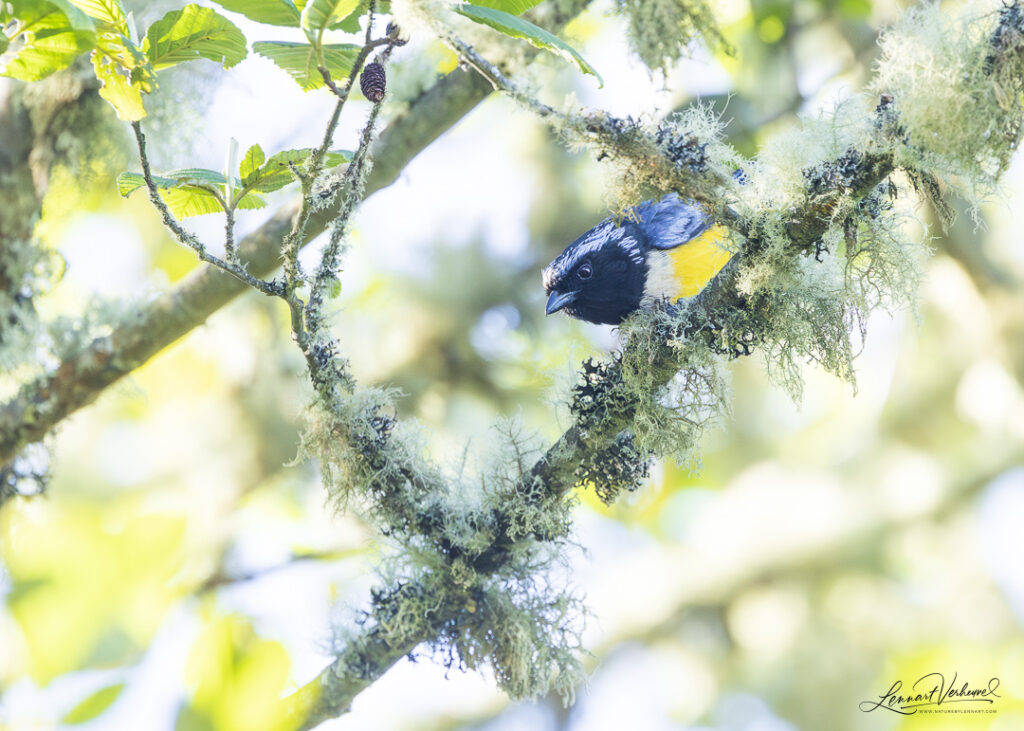
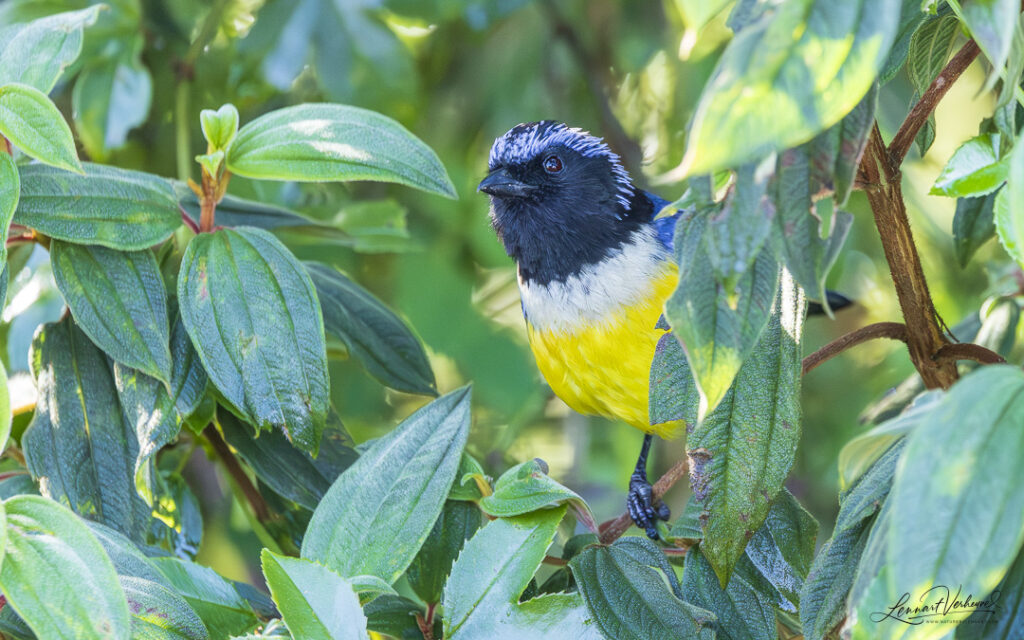
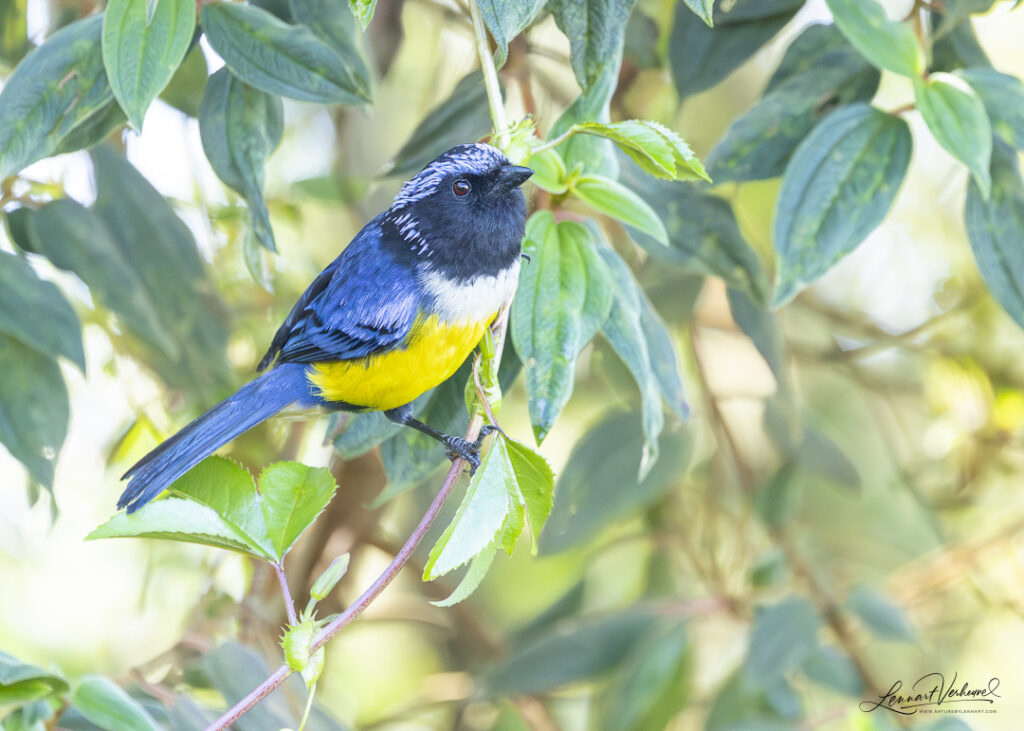
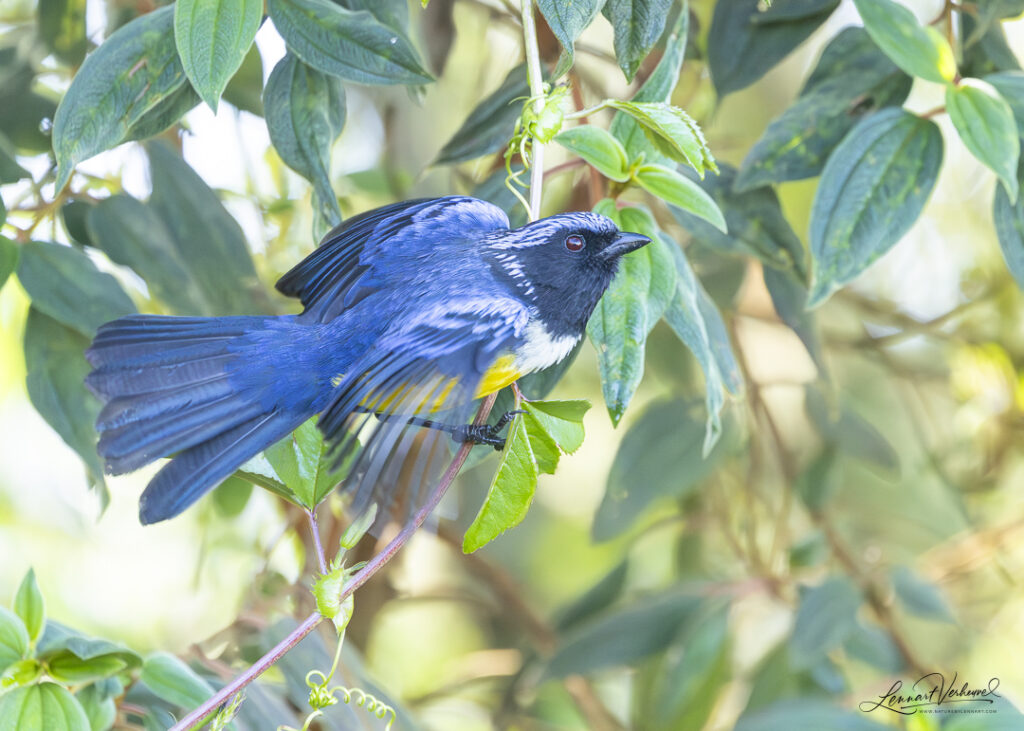
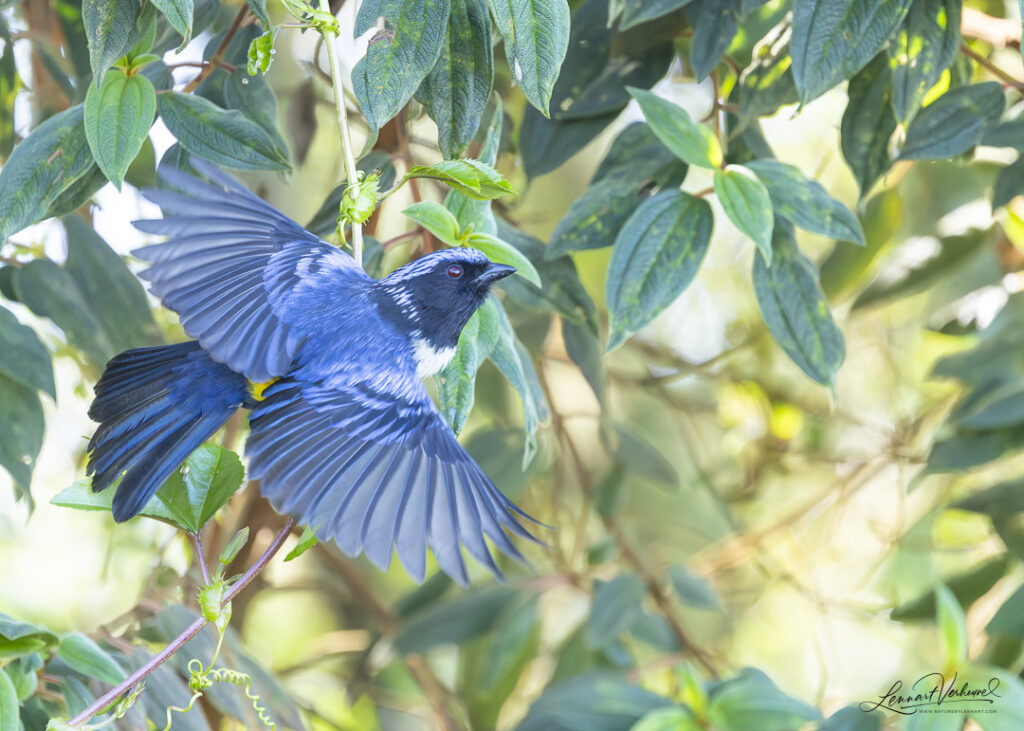
Buff-bellied Mountain Tanager
But my main target, the Crescent-faced Antpitta, had barely been seen in recent weeks. That was a real disappointment. I was determined to do everything I could to see this species. Fortunately, once I explained how important it was to me, I was offered the chance to visit another possible Crescent-faced Antpitta the following morning. This individual was still getting used to people and was not yet suitable for showing to regular birding groups. But if I got lucky, I might see it!
Of course I couldn’t pass up that opportunity. Early the next morning, my guide Carlos and I set out in search of the Crescent-faced Antpitta. After a motorcycle ride and a steep hike through the mountains, we reached the spot where the bird sometimes appeared.
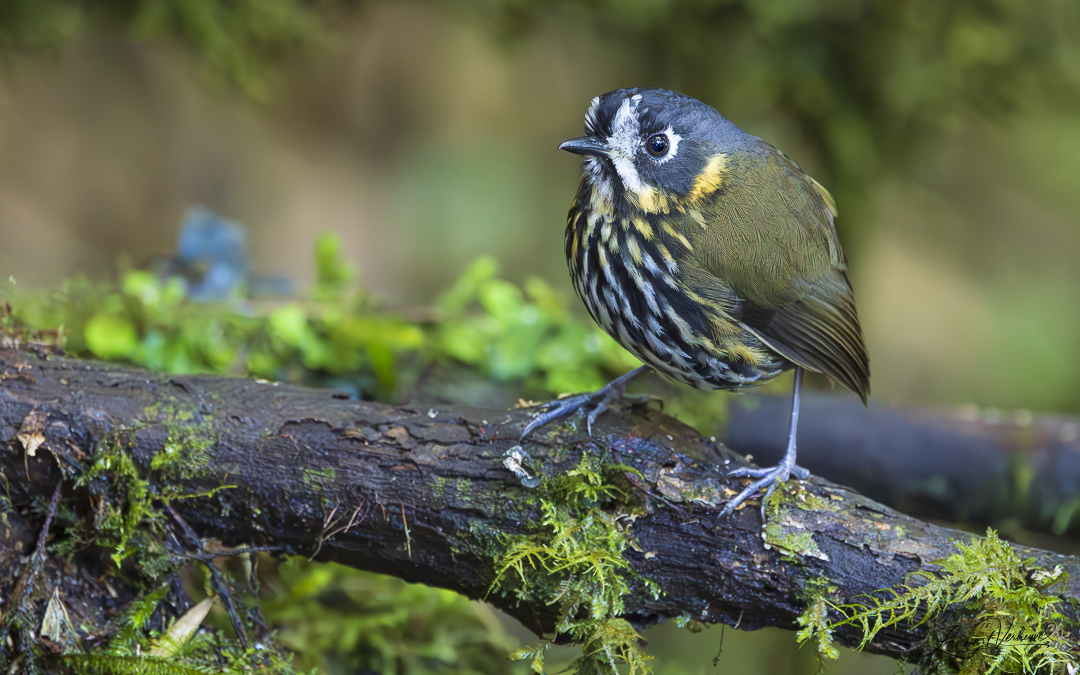
I prepared myself for a long wait, but after only about fifteen minutes the Crescent-faced Antpitta slowly emerged uphill. What an absolute jewel of a bird! I was mesmerized by its strange frontal appearance with the bright white markings.
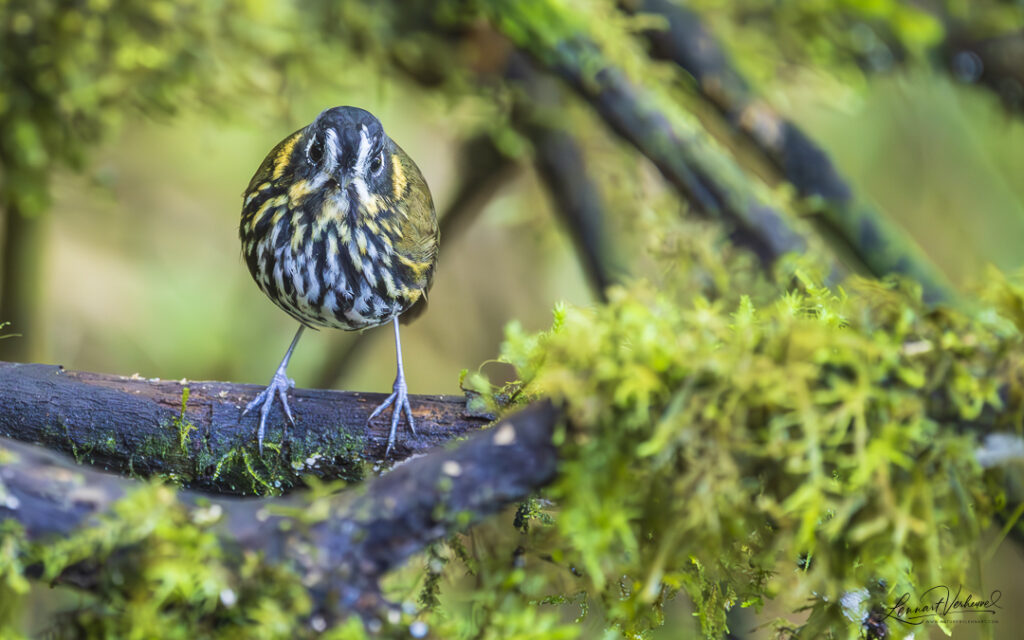
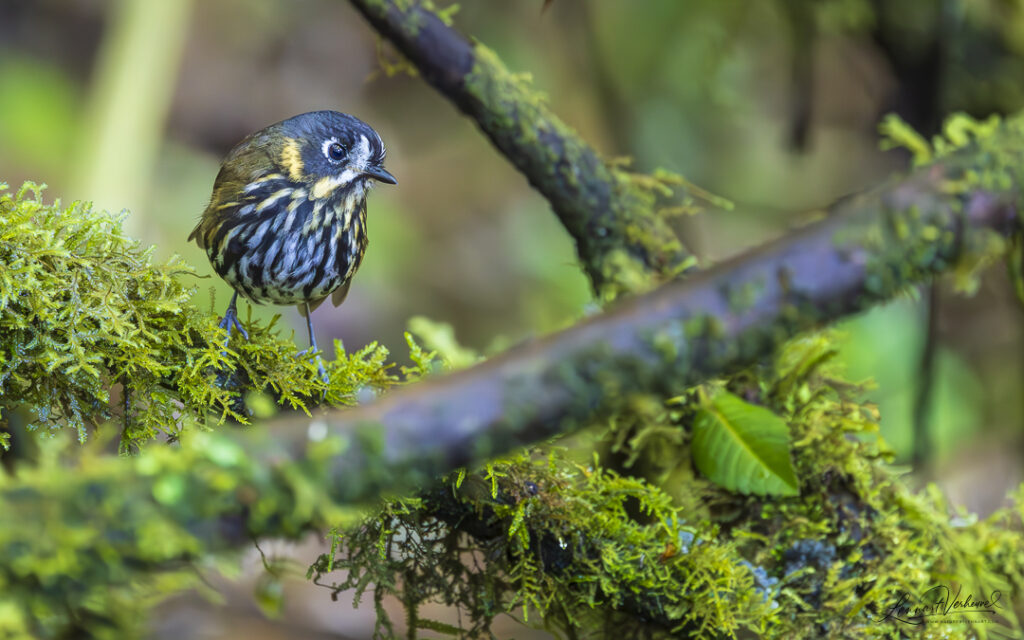
Crescent-faced Antpitta
When the bird turned around, the beautiful yellow patch on the neck also became visible. To me, this was the most beautiful antpitta in the world.
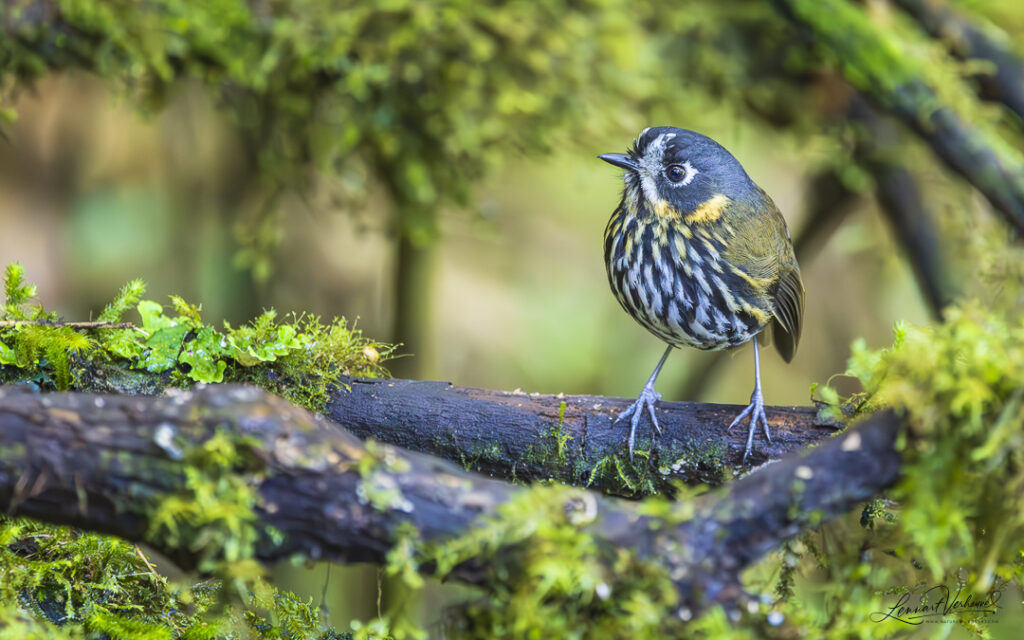
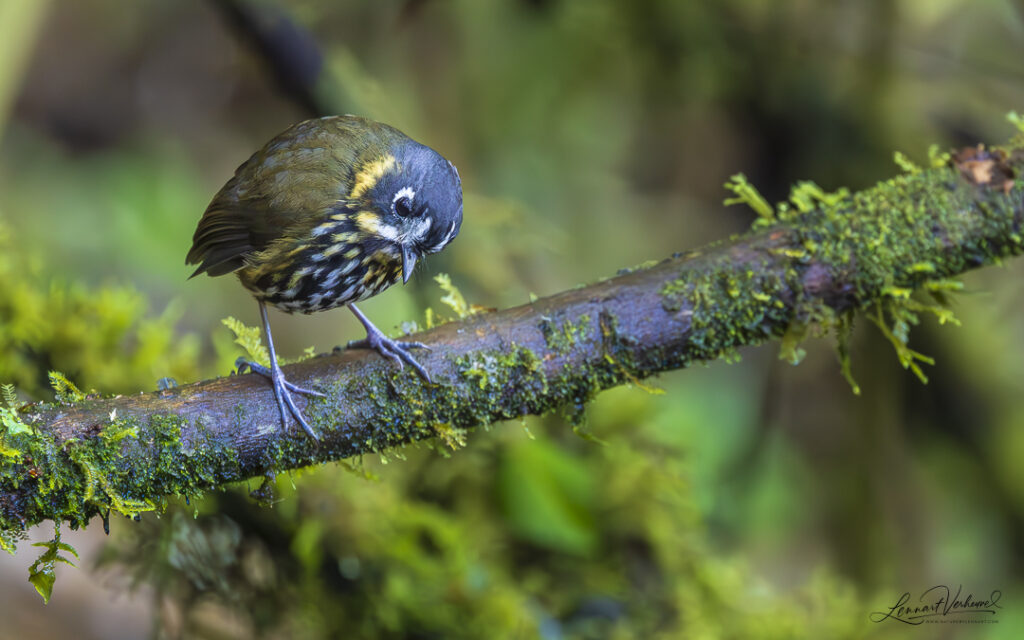
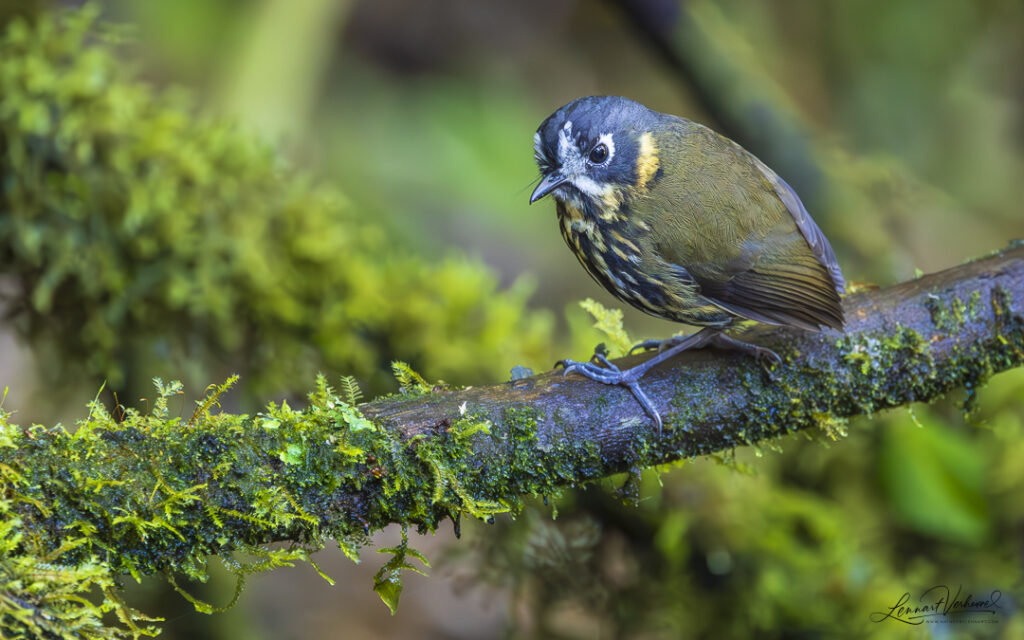
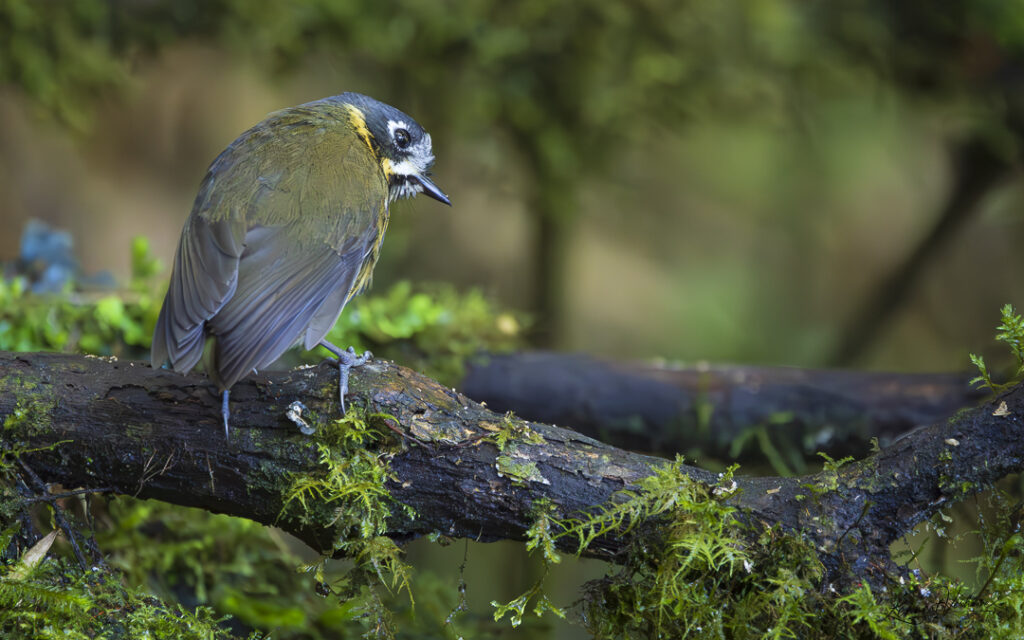
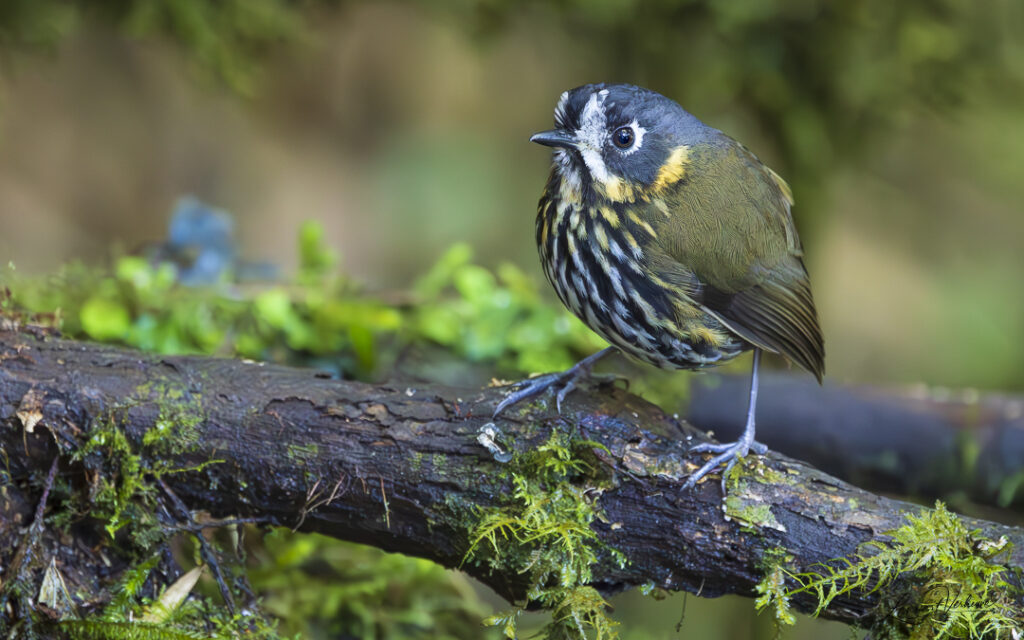
Crescent-faced Antpitta
I took countless photos and was incredibly happy with this success. Everything had gone so smoothly that we even still had time for Ocellated Tapaculo! This species is famously secretive, but spectacular to see. Other tapaculos are equally elusive, but usually smaller and far less colorful. Ocellated Tapaculo is the great exception.
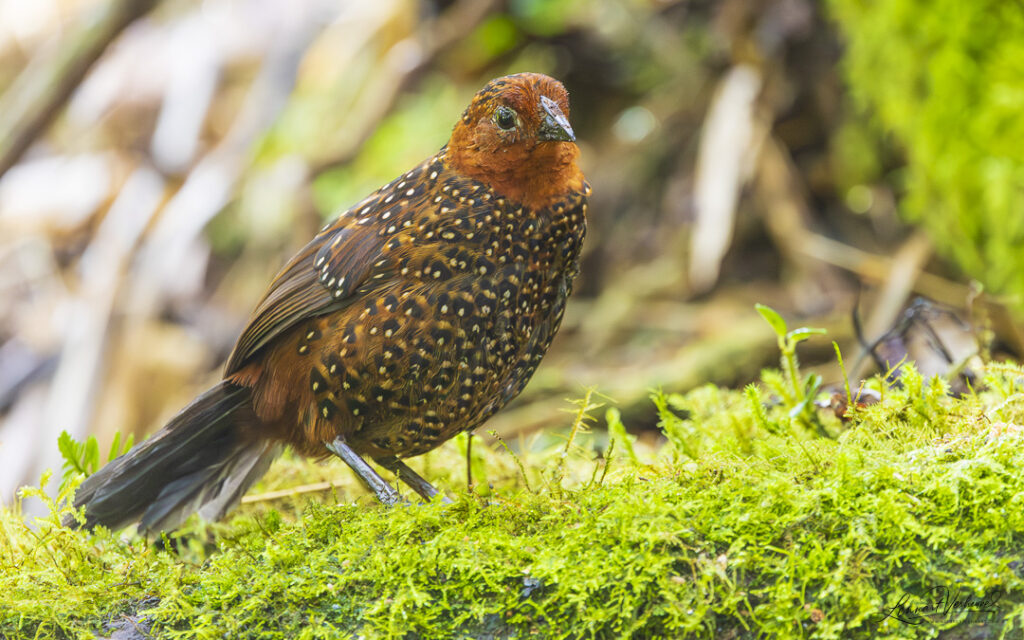
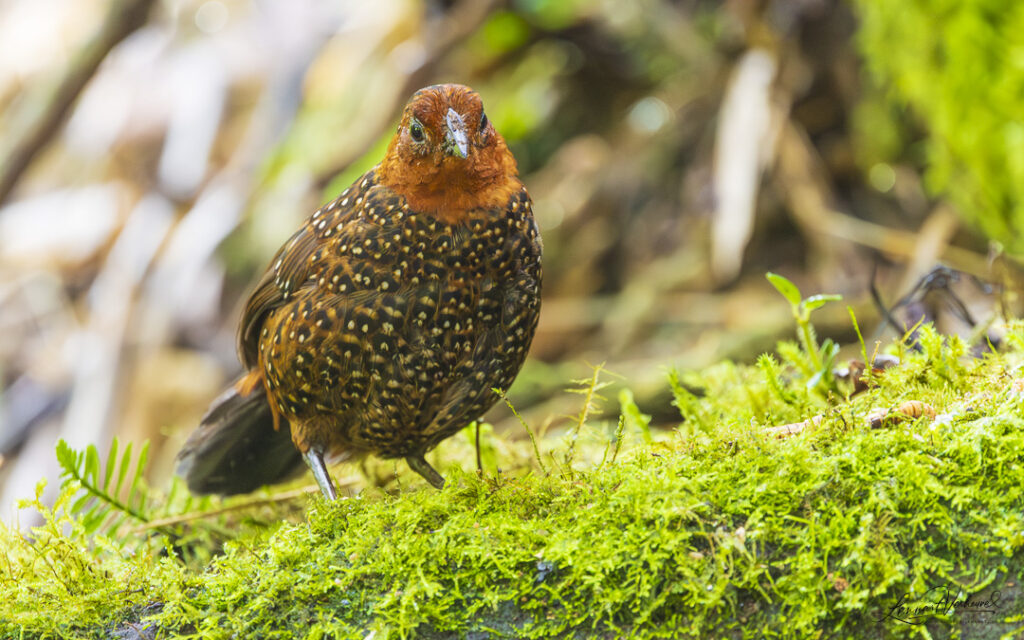
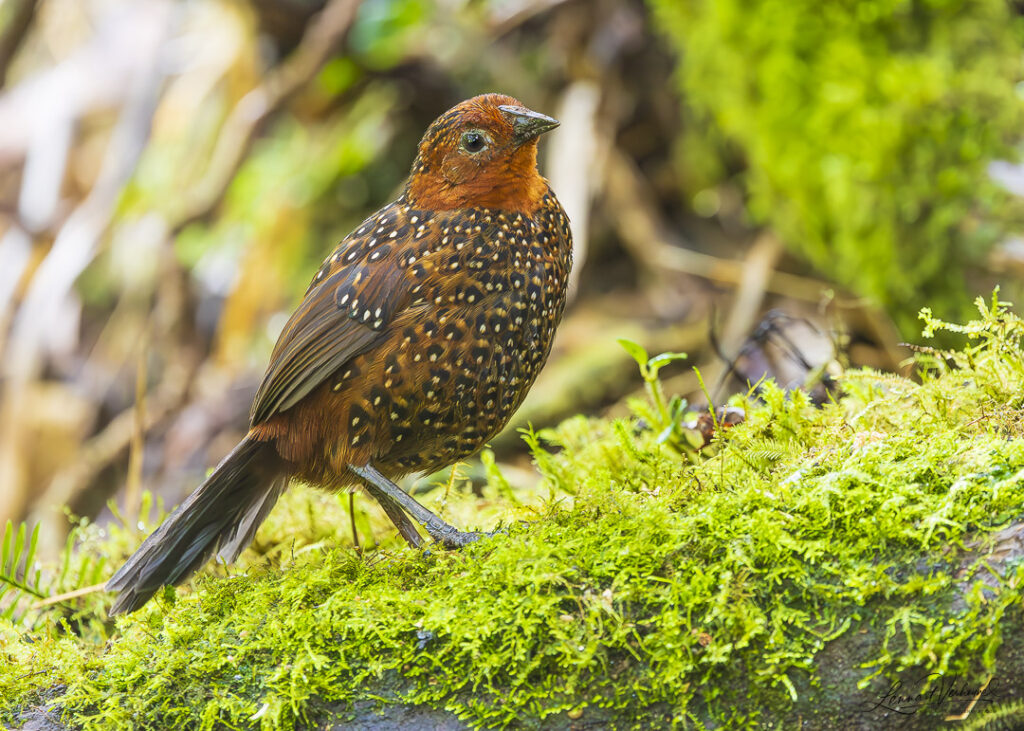
Ocellated Tapaculo
That bird also showed relatively quickly. Before ten in the morning, I already had two dream species in the bag!
After this success, I headed to the town of Jardín in high spirits. My itinerary worked out so that I would spend the afternoon there, as well as the following morning. After that, I would continue to Mirador El Roble, where I hoped to find the Northern Oncilla.
Fortunately, Jardín itself had plenty to offer. First and foremost, there was a Cock-of-the-rock lek close to town, where around twenty or even more Andean Cock-of-the-rocks were making an incredible amount of noise. I had seen this species before, but it is one of those birds you simply never get tired of.
The birds showed exceptionally well, and it was fascinating to watch their interactions up close. I took an enormous number of photos that afternoon, but the results were absolutely worth it.
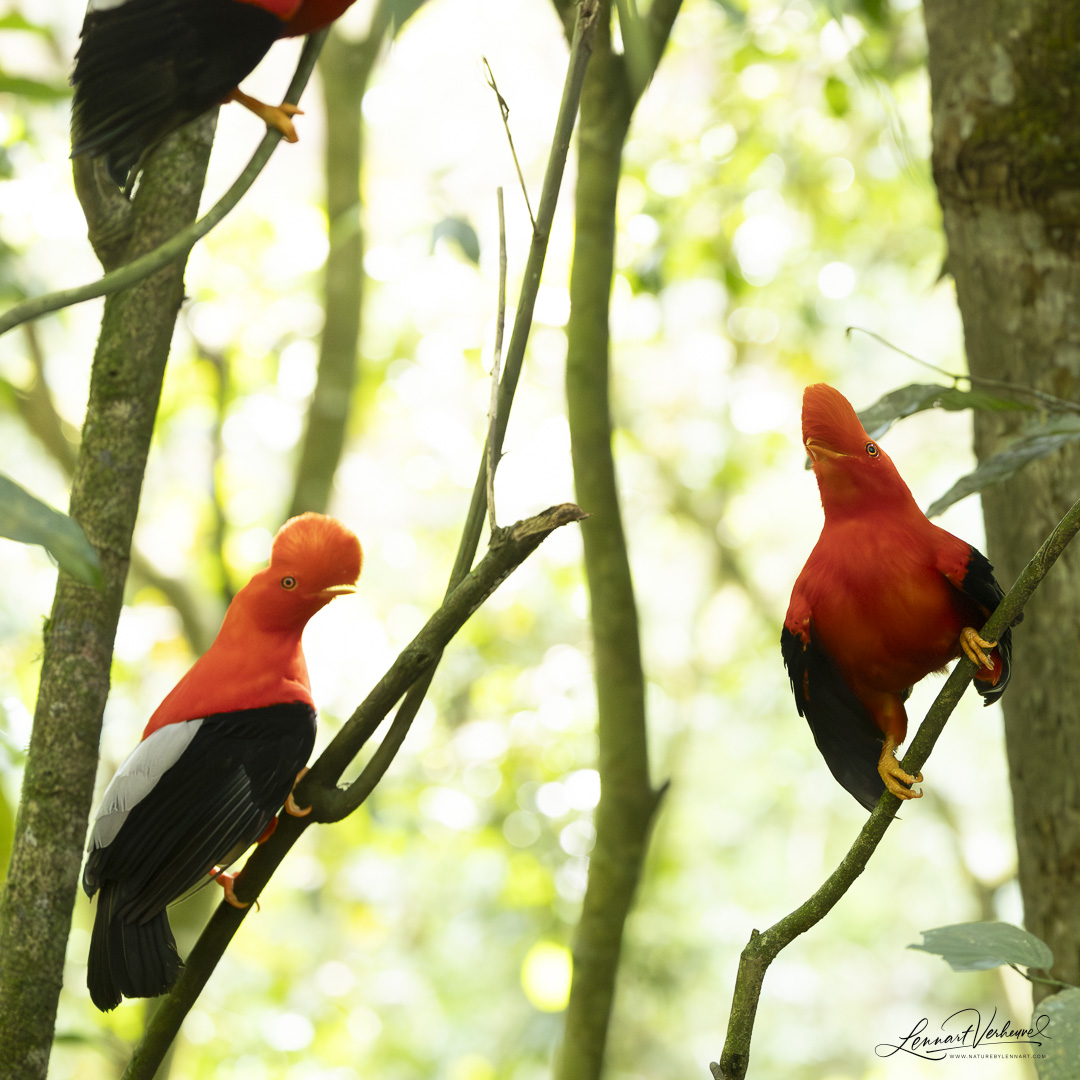
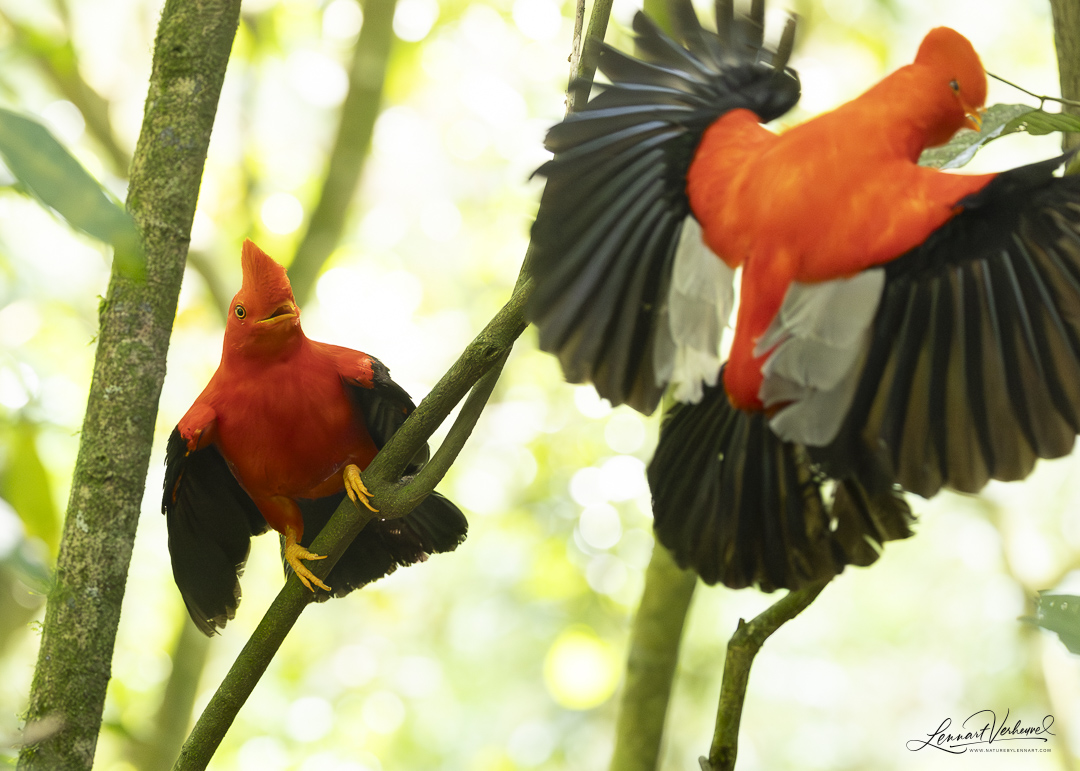
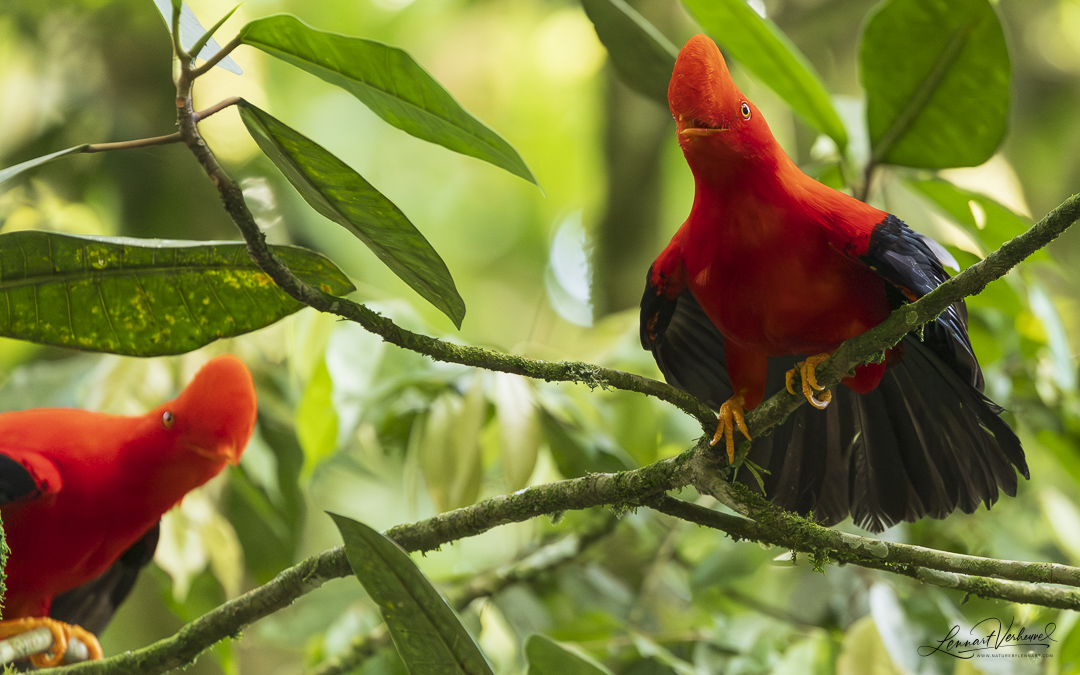
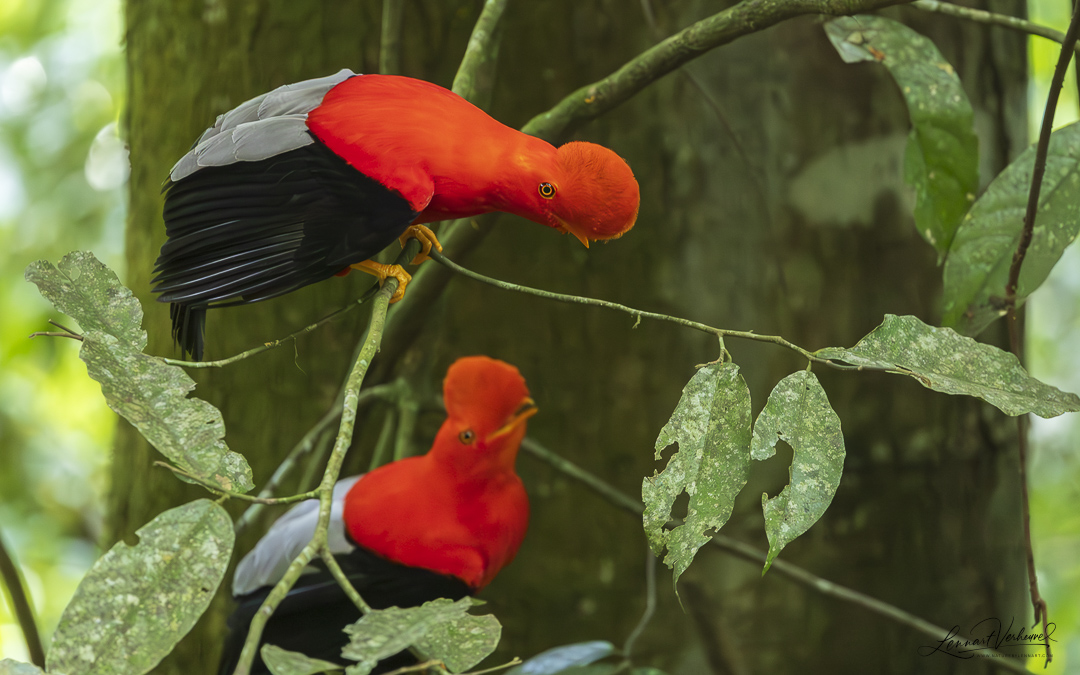
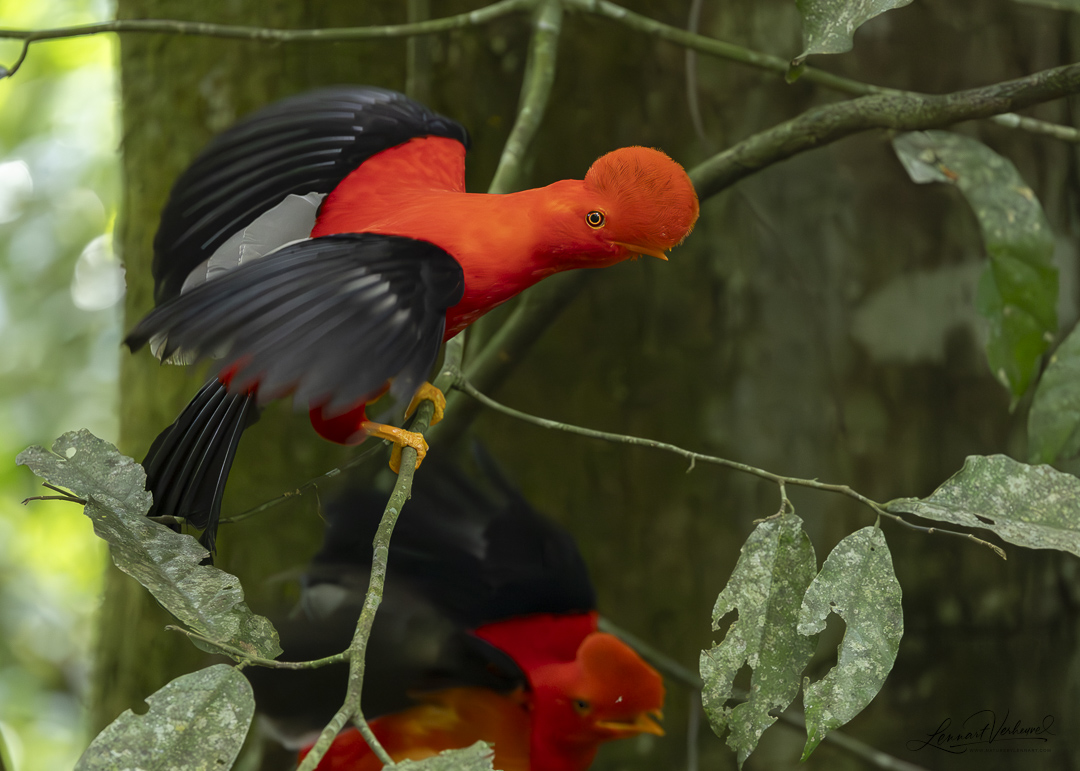
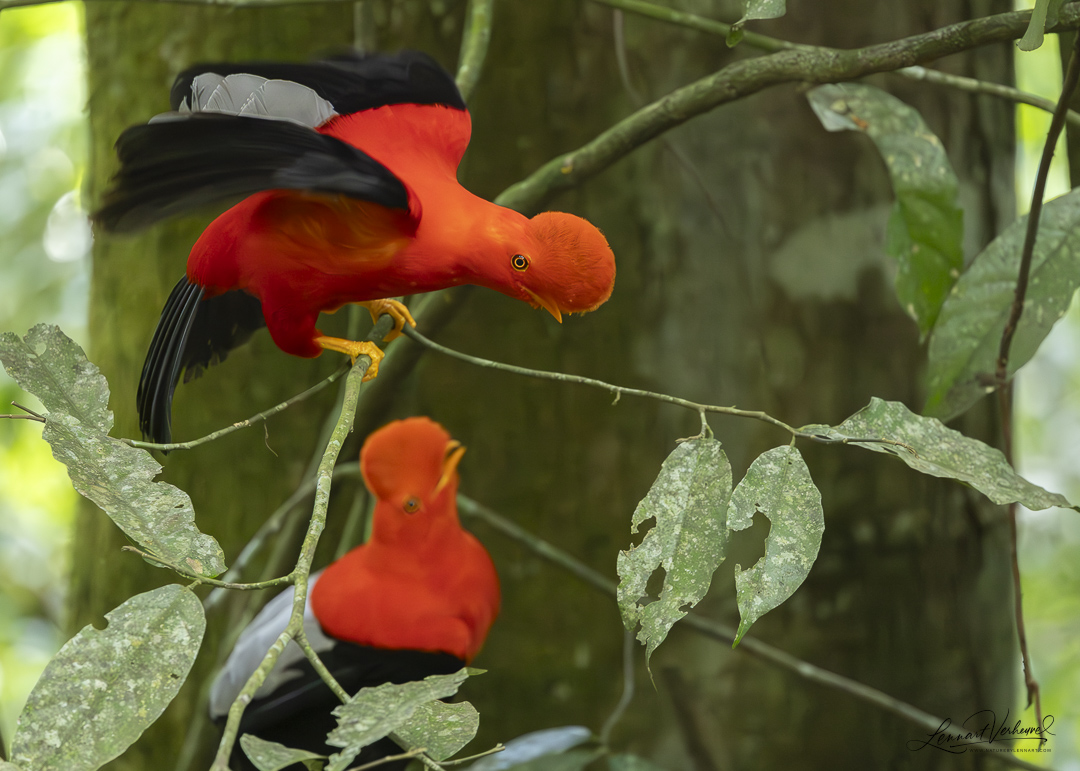
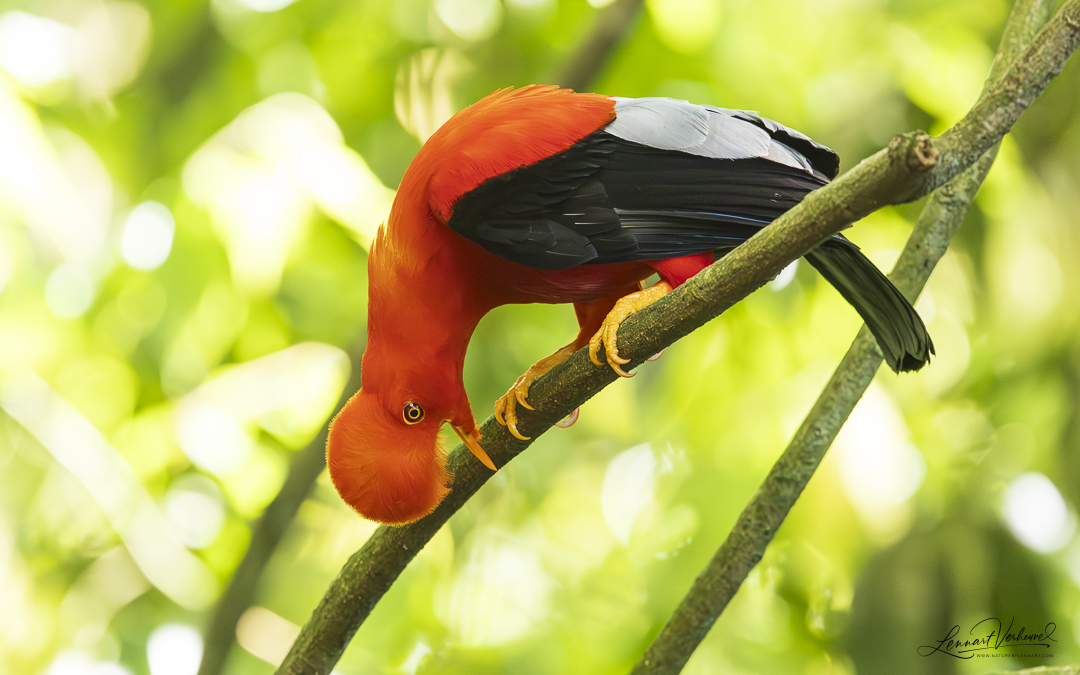
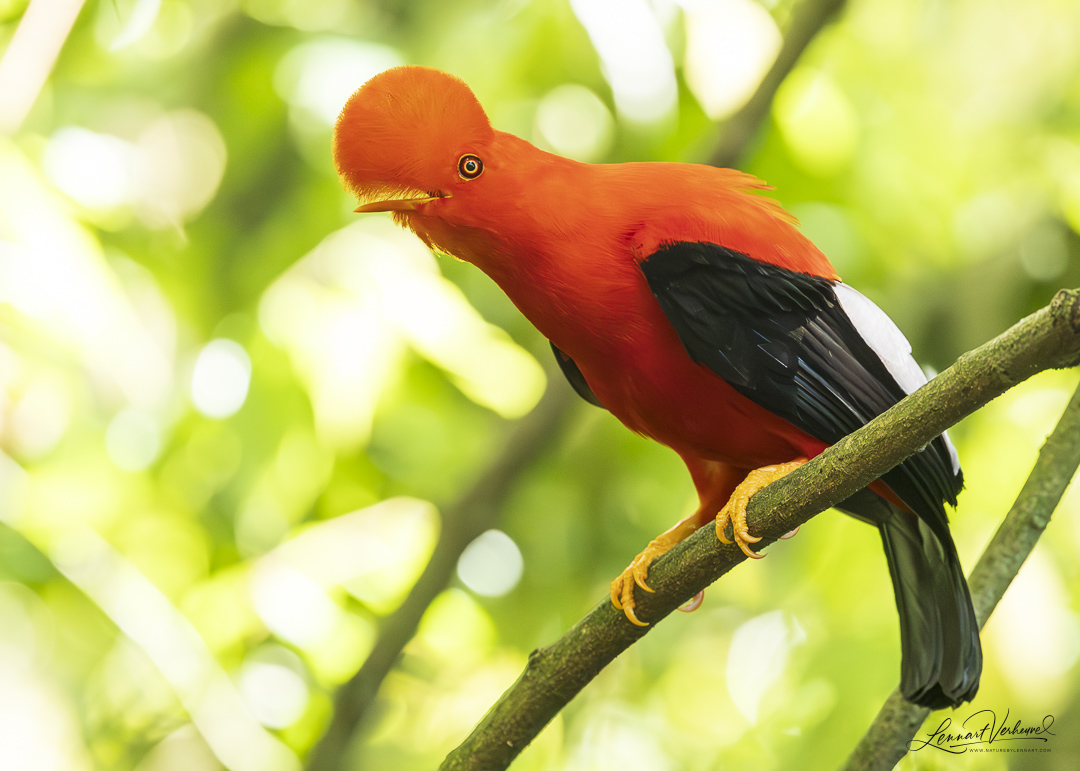
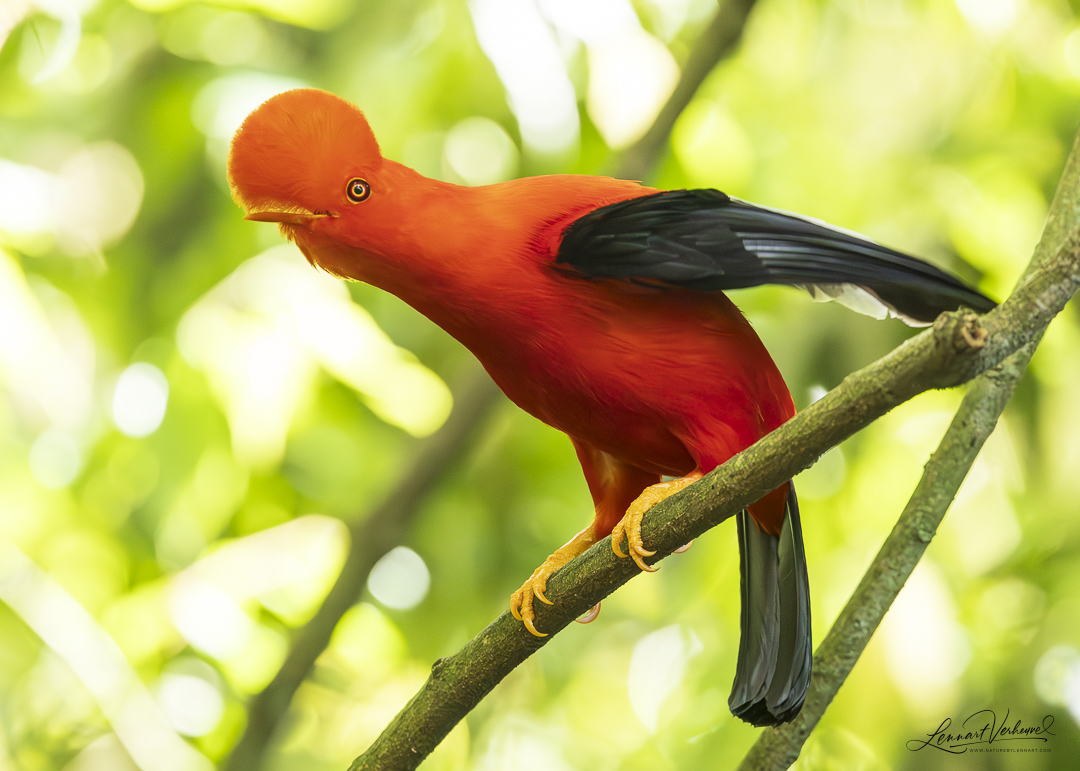
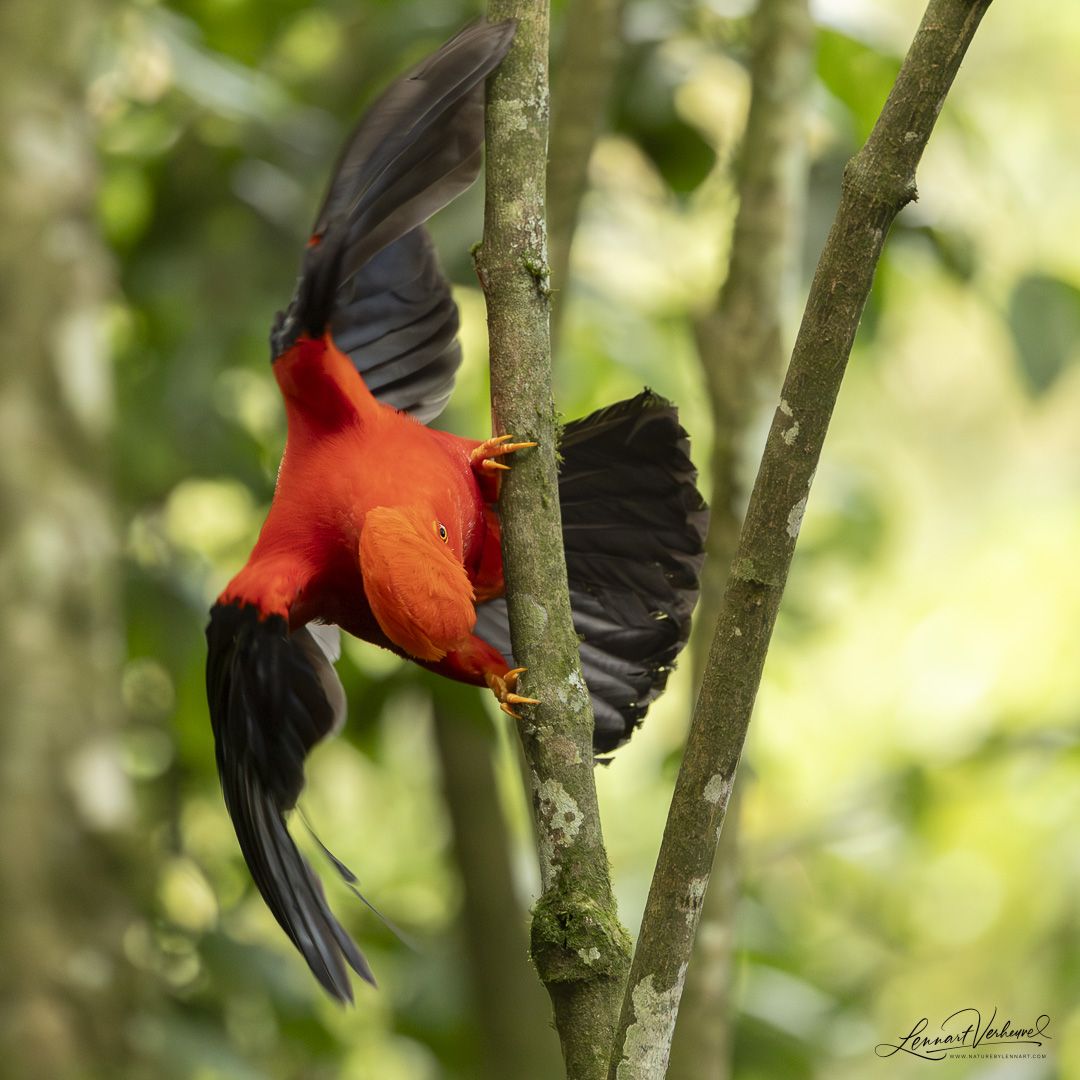
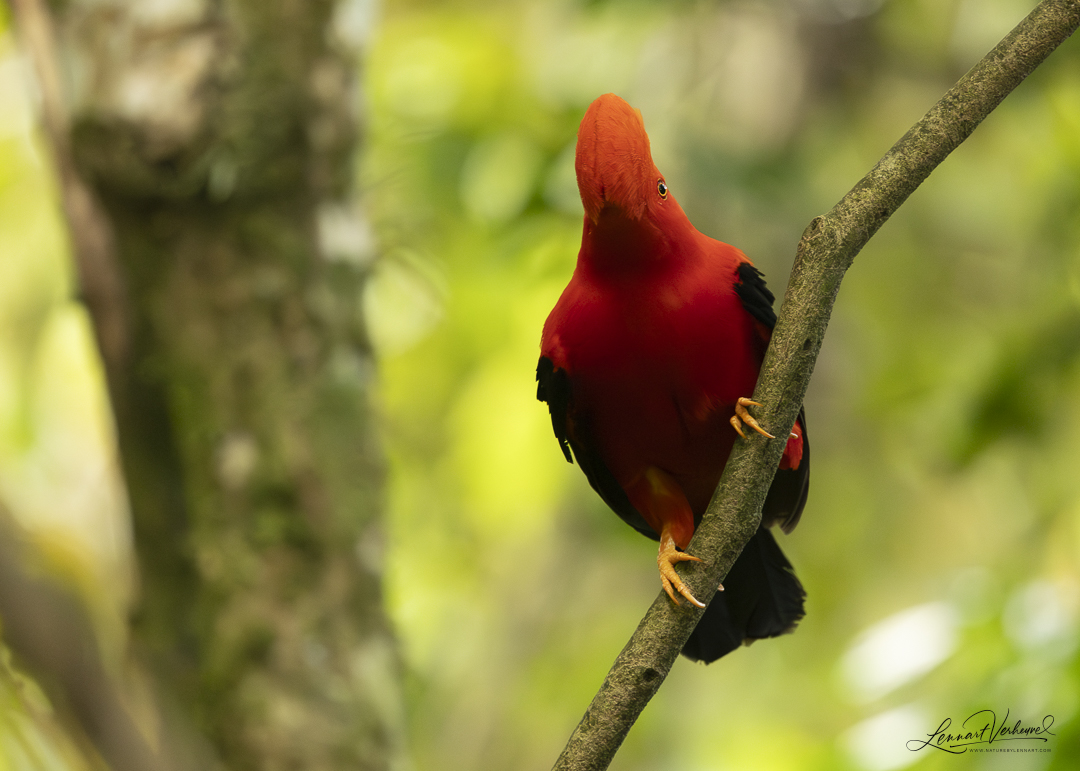
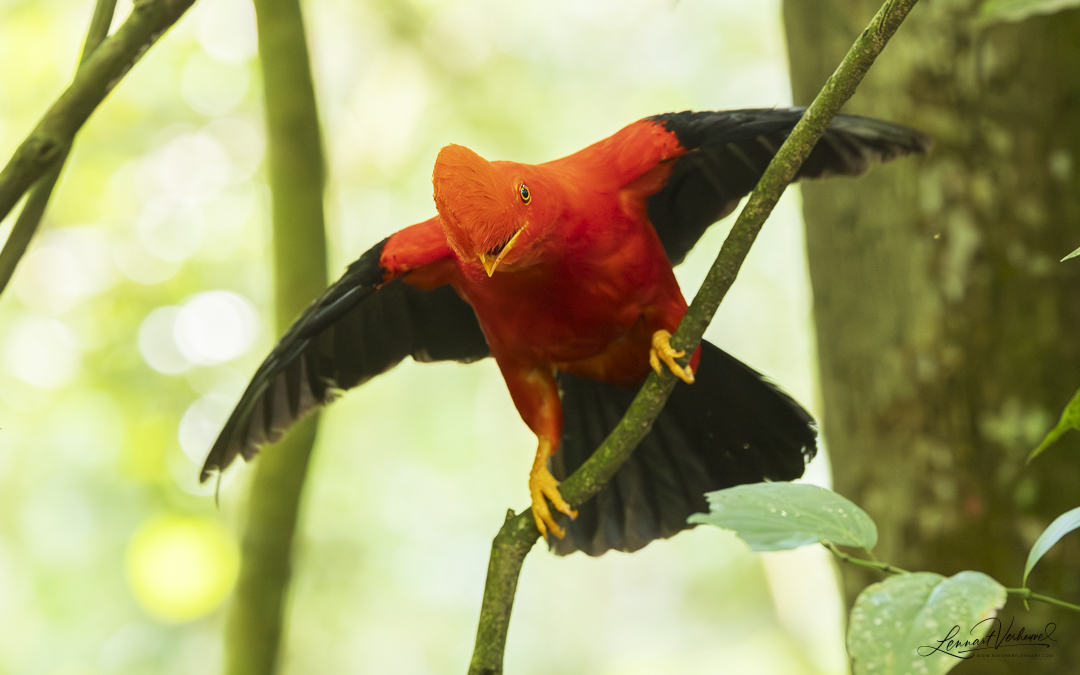
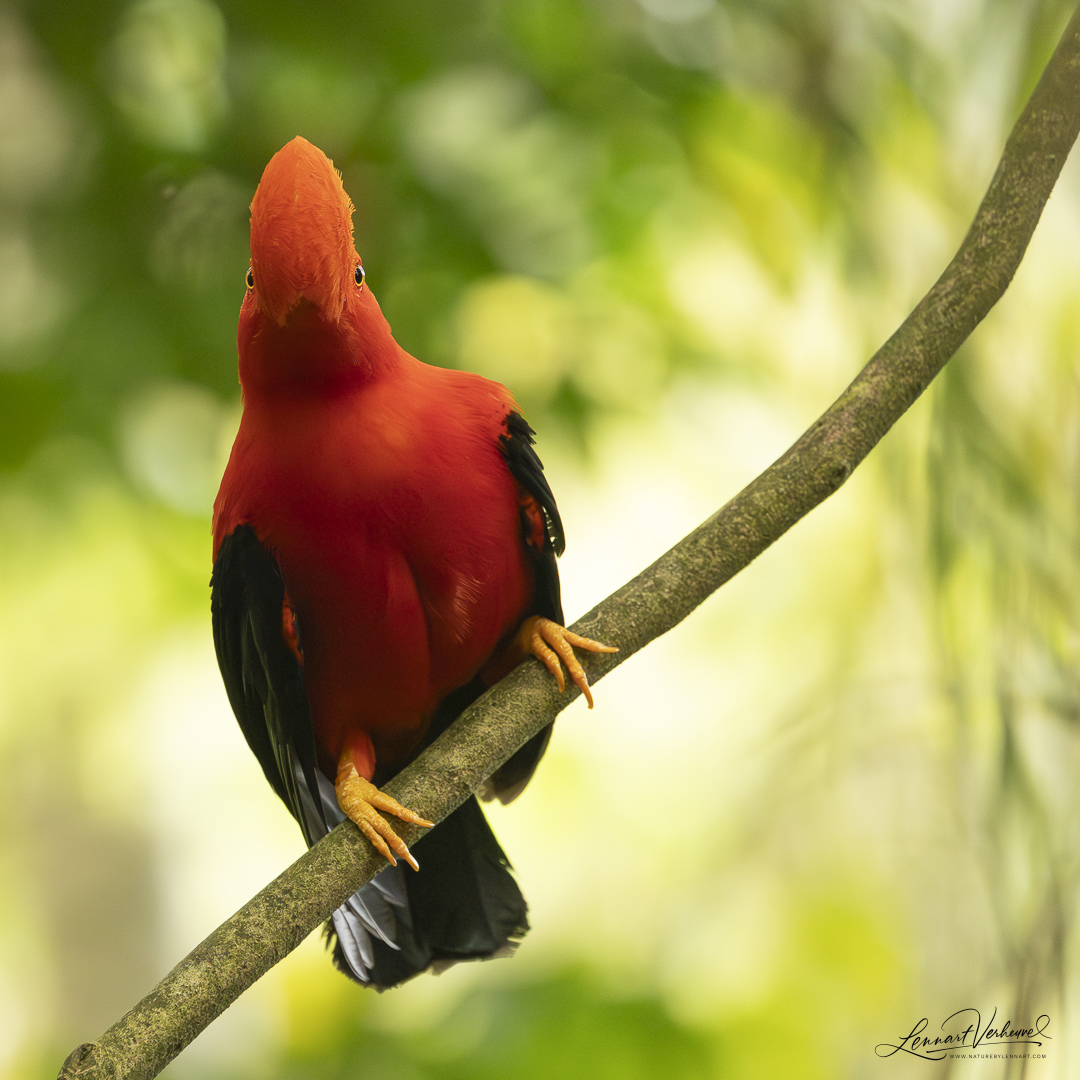
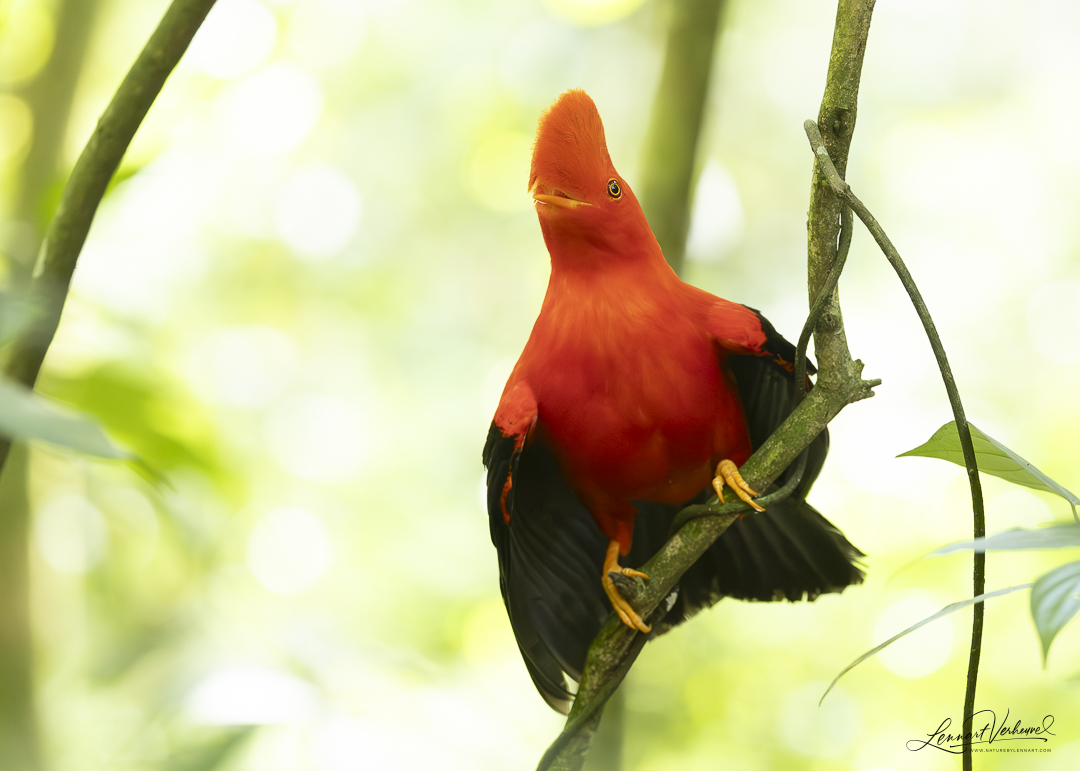
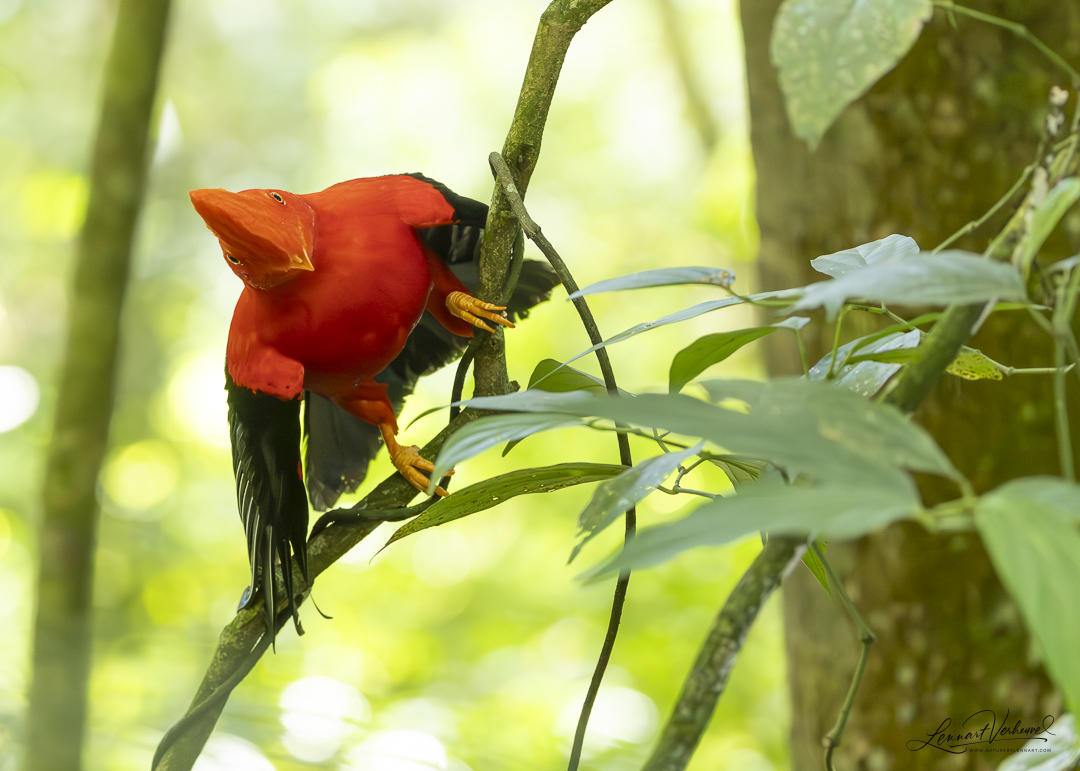
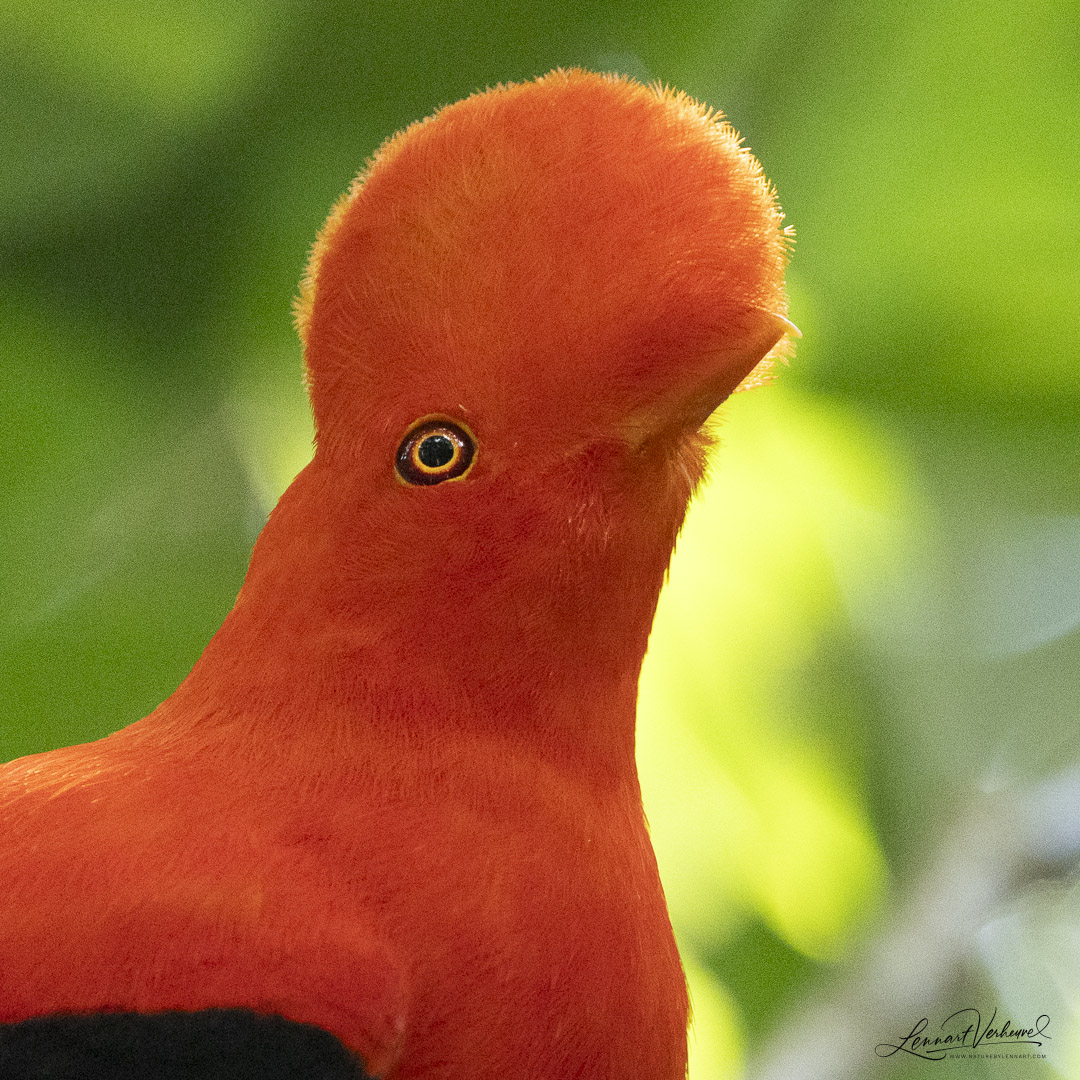
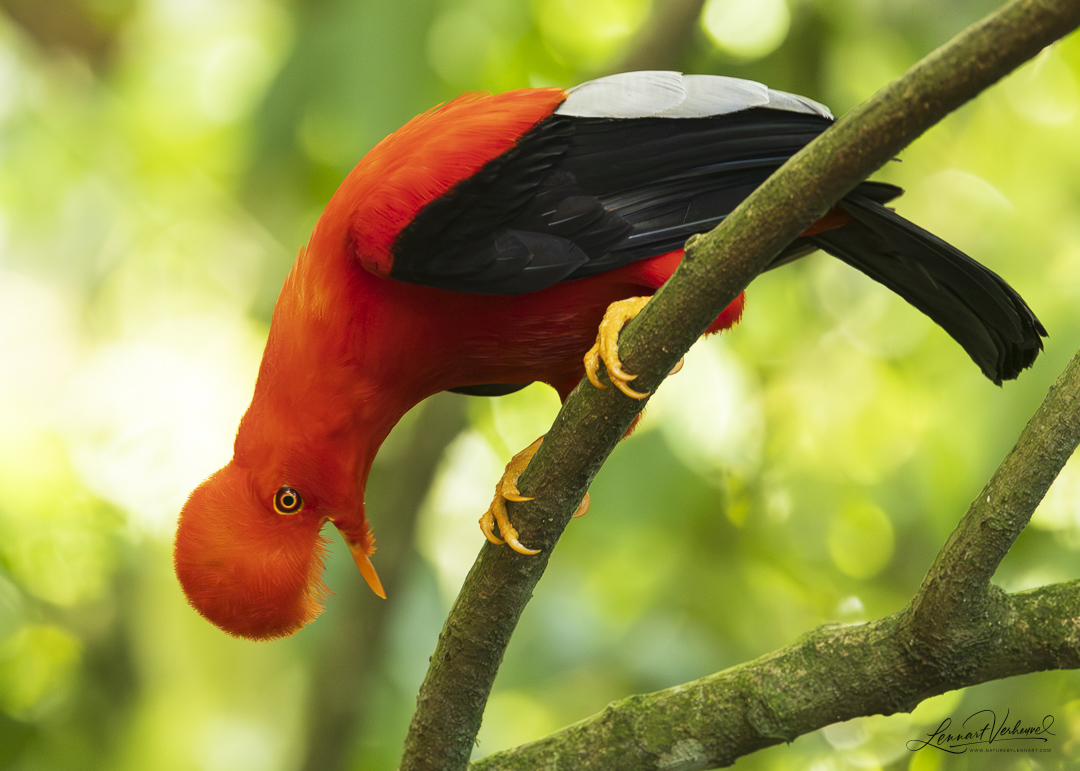
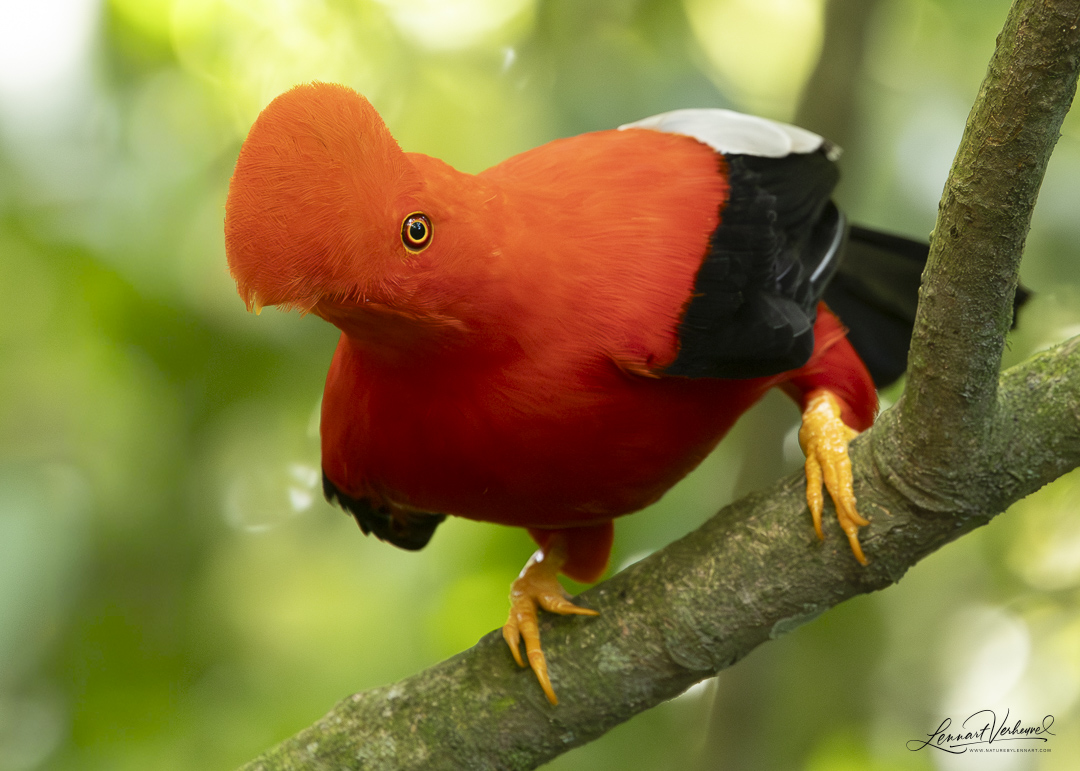
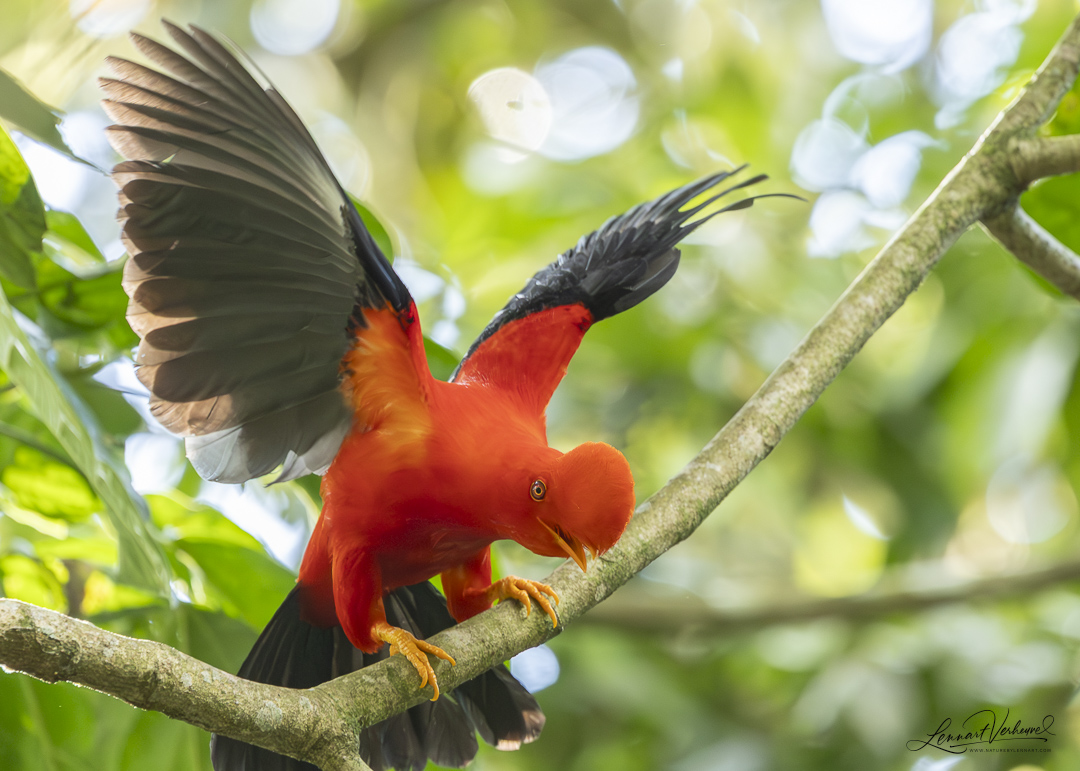
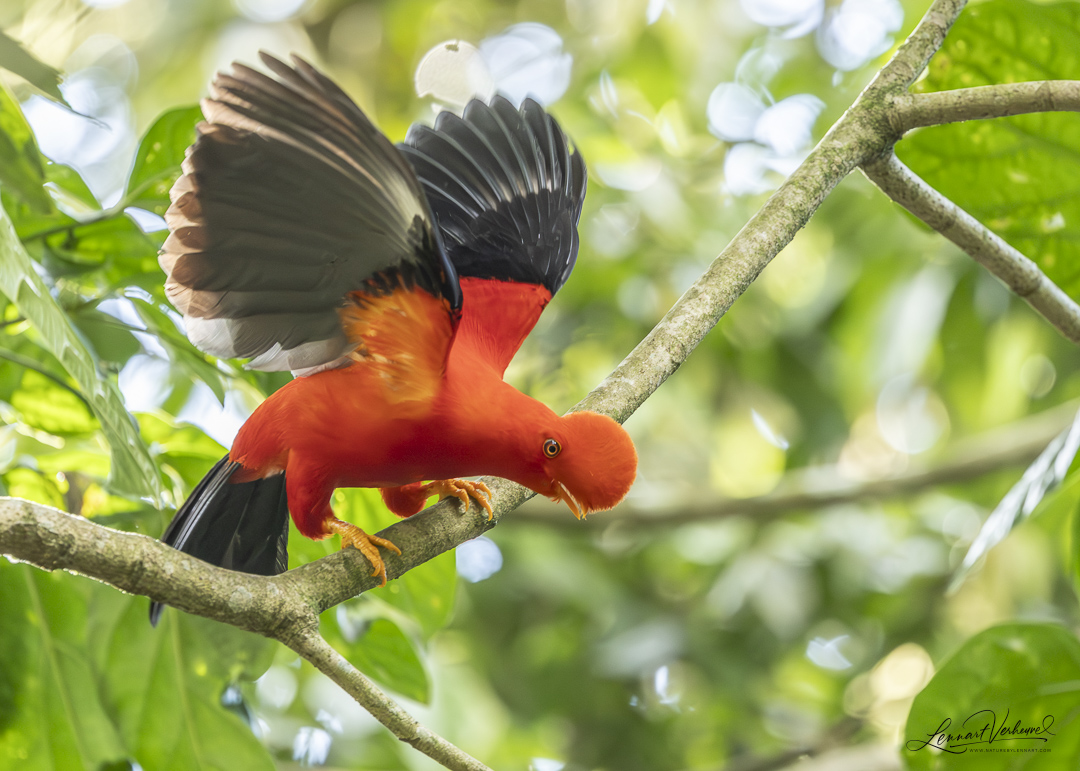
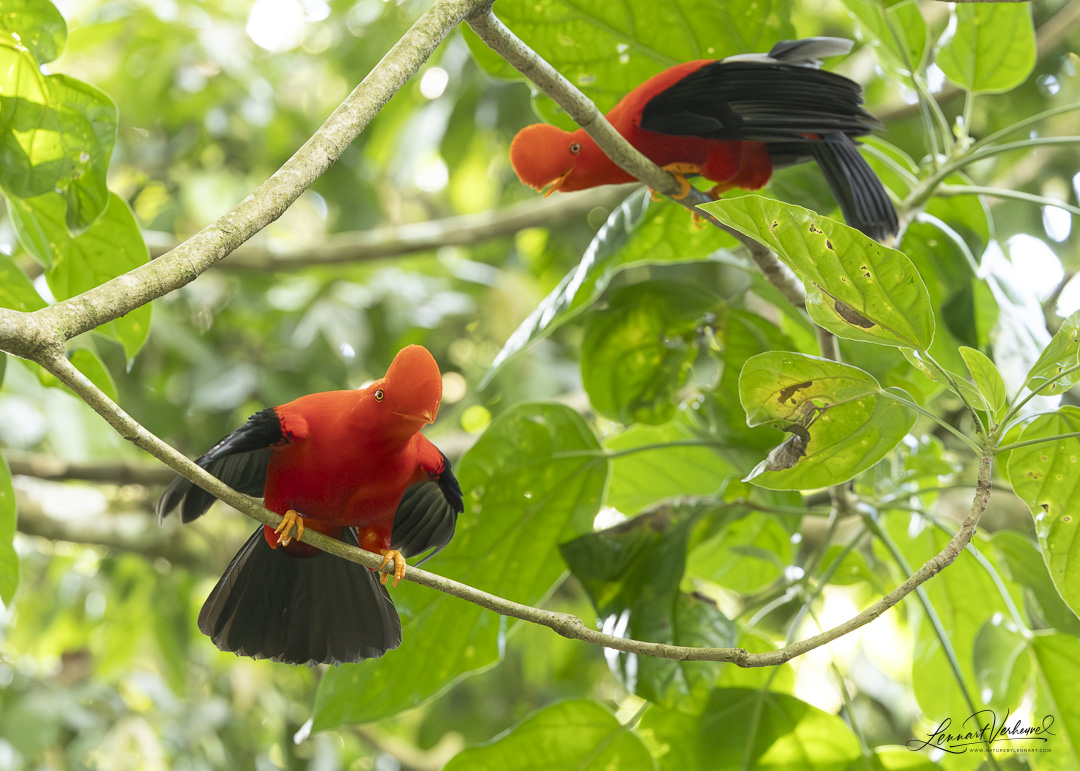
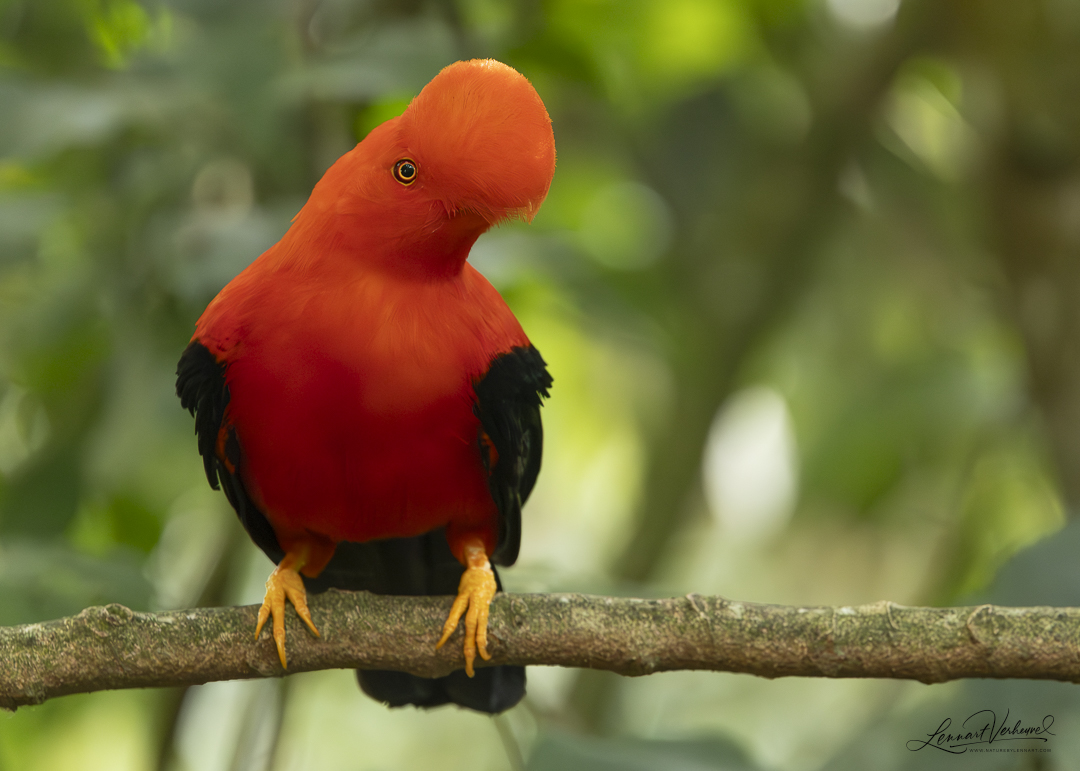
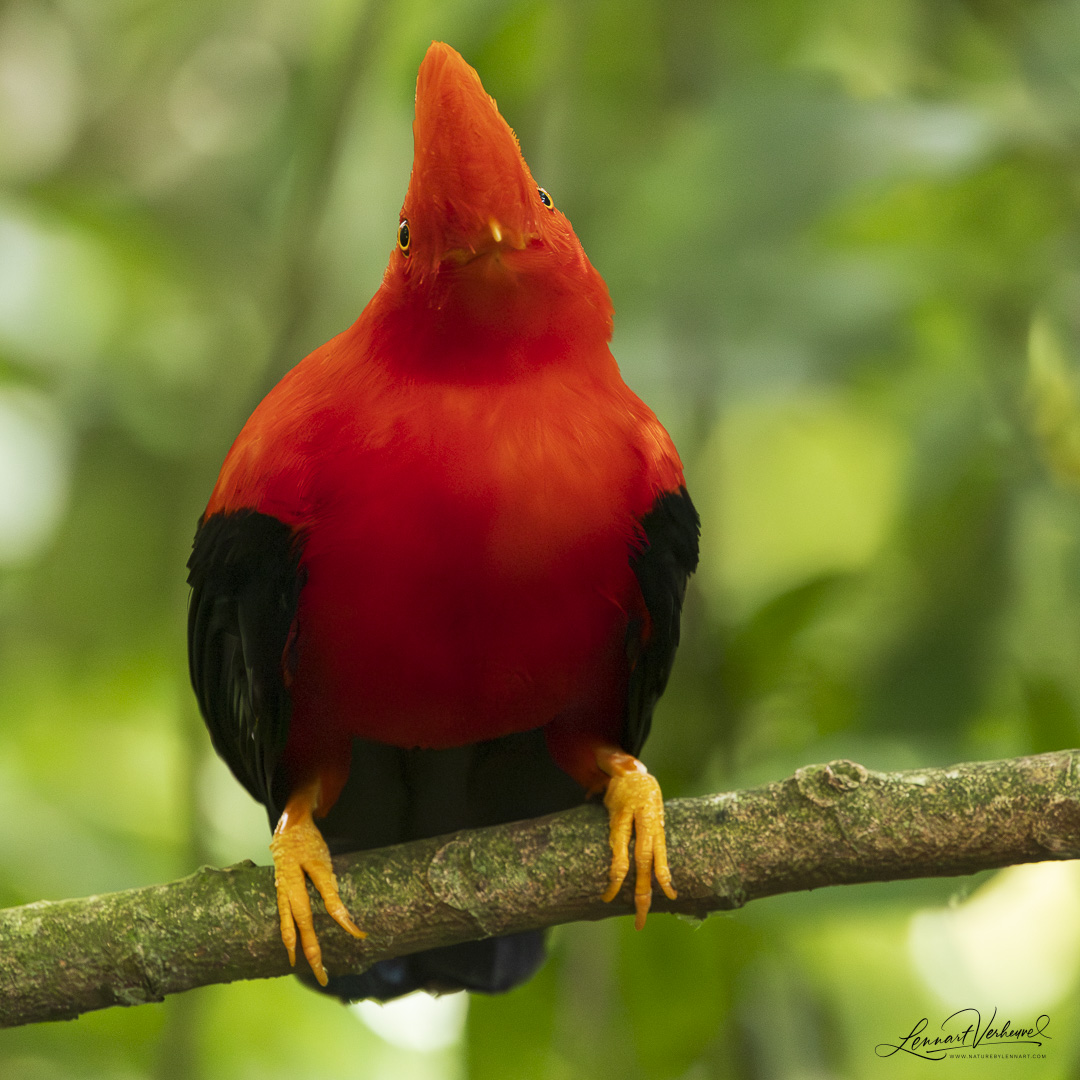
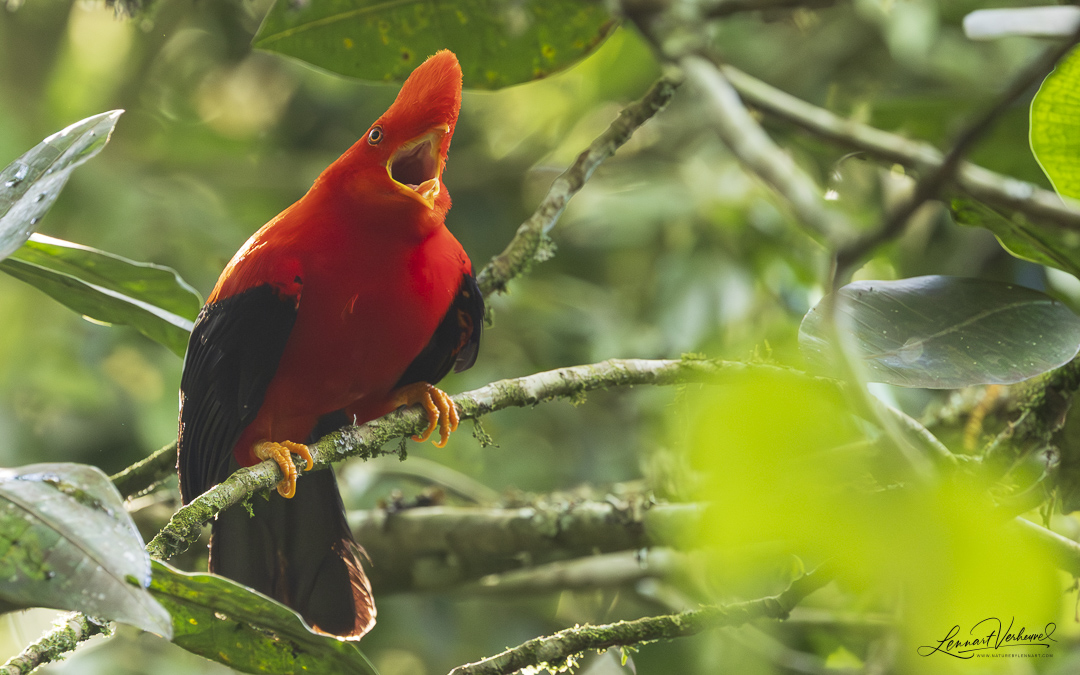
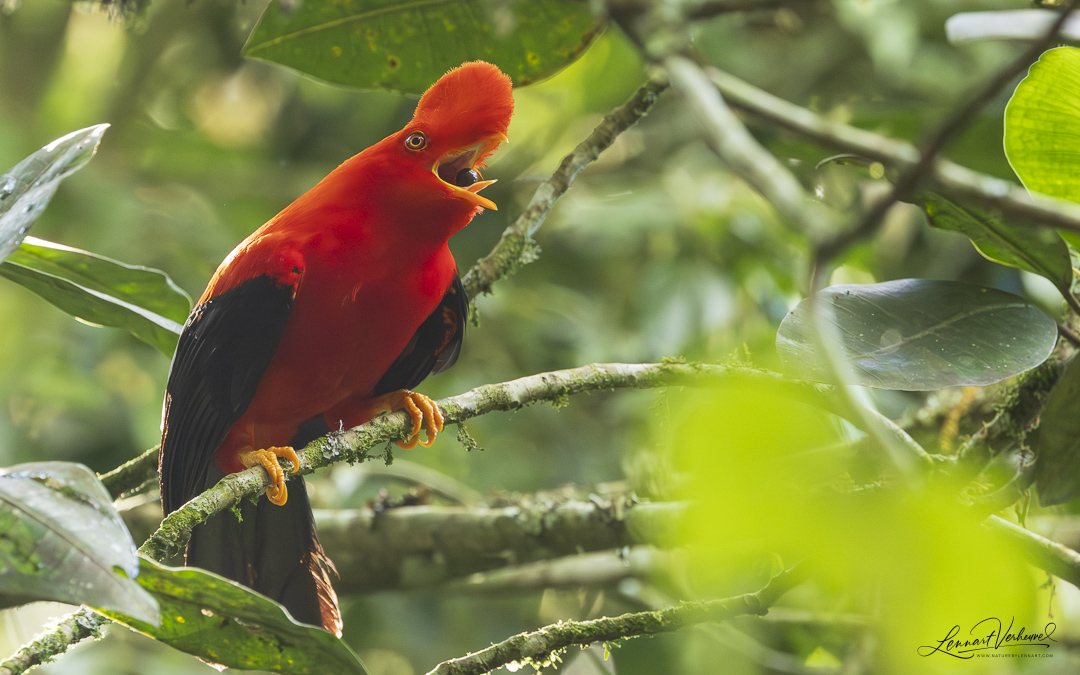
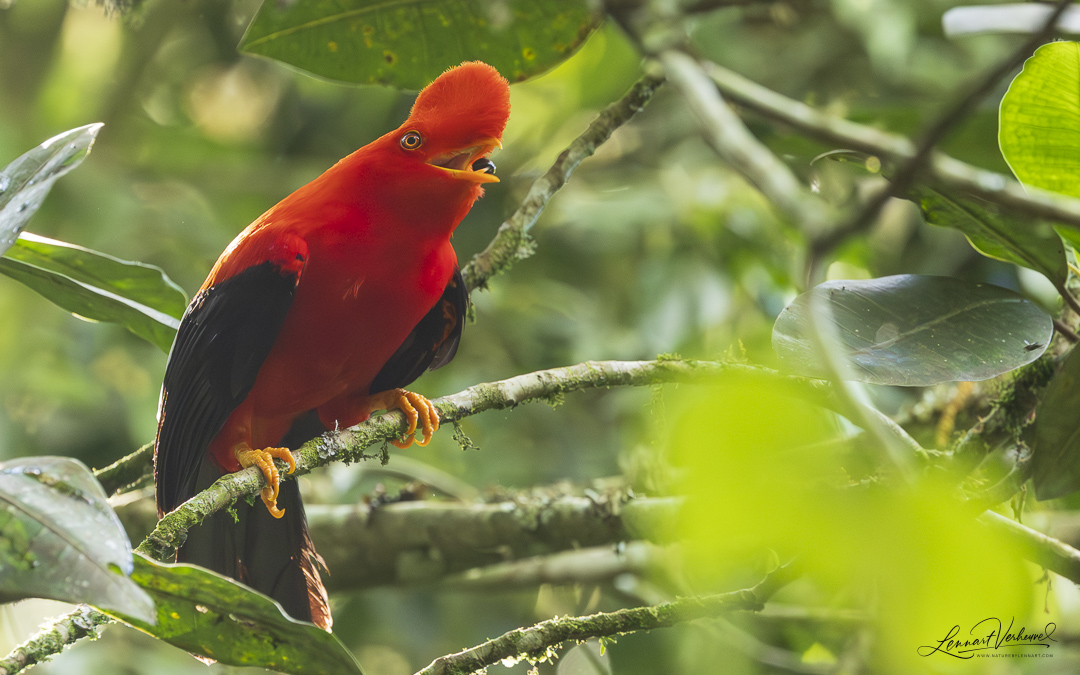
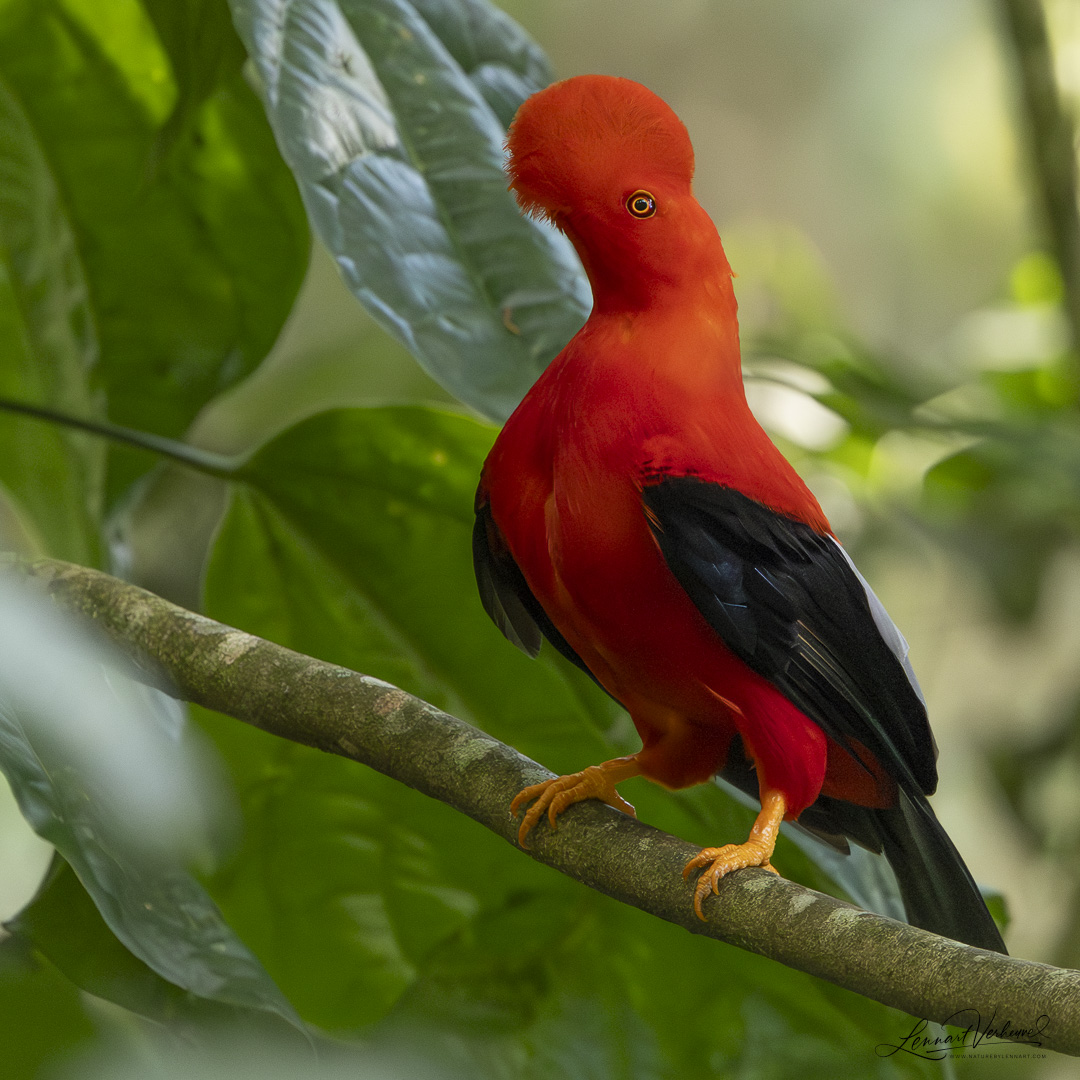
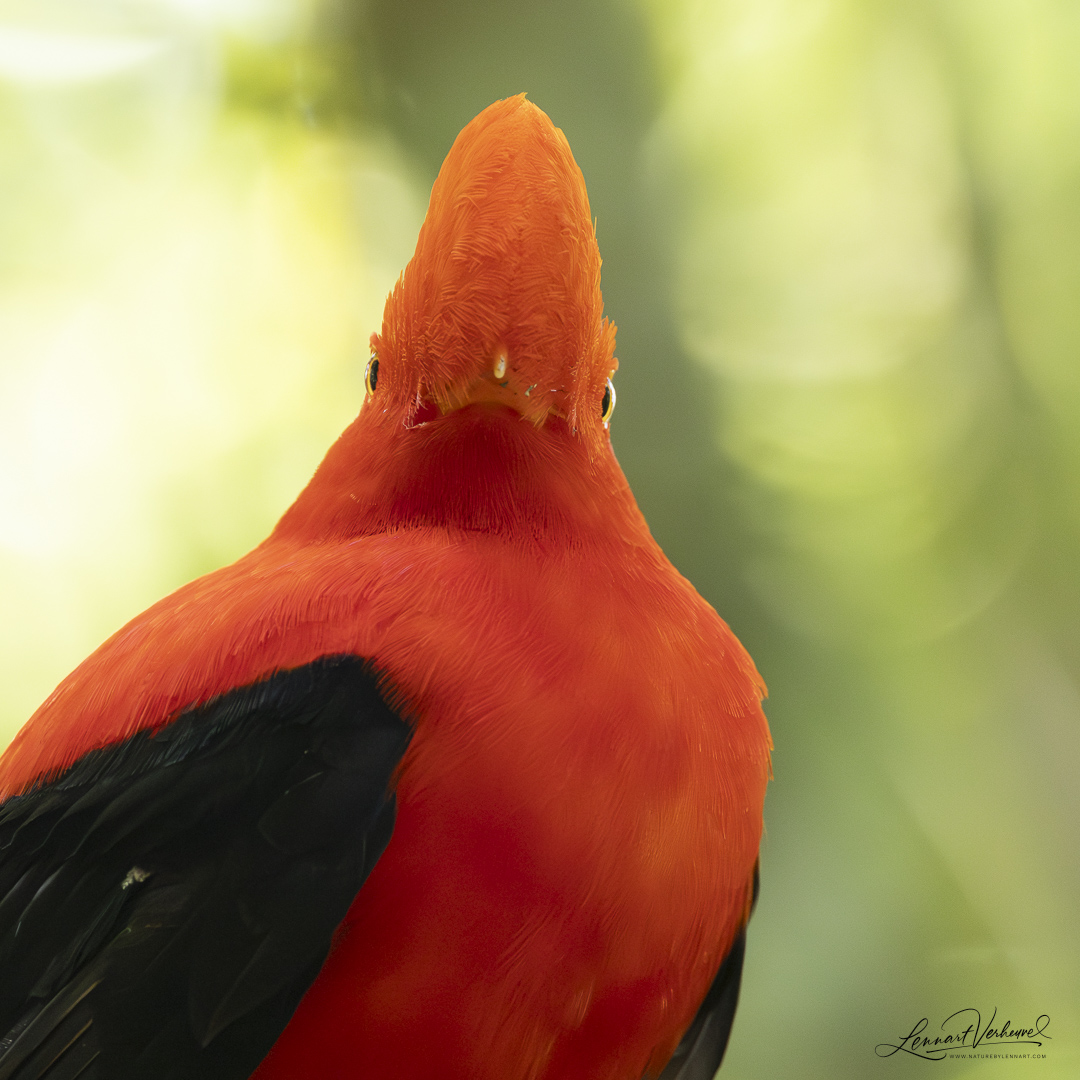
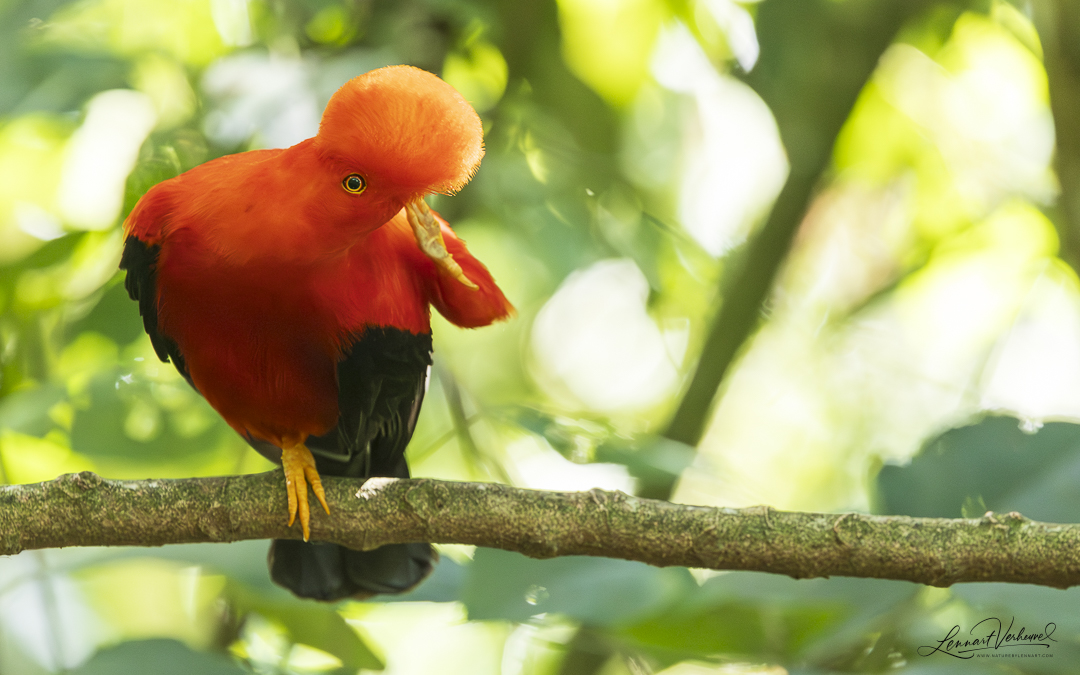
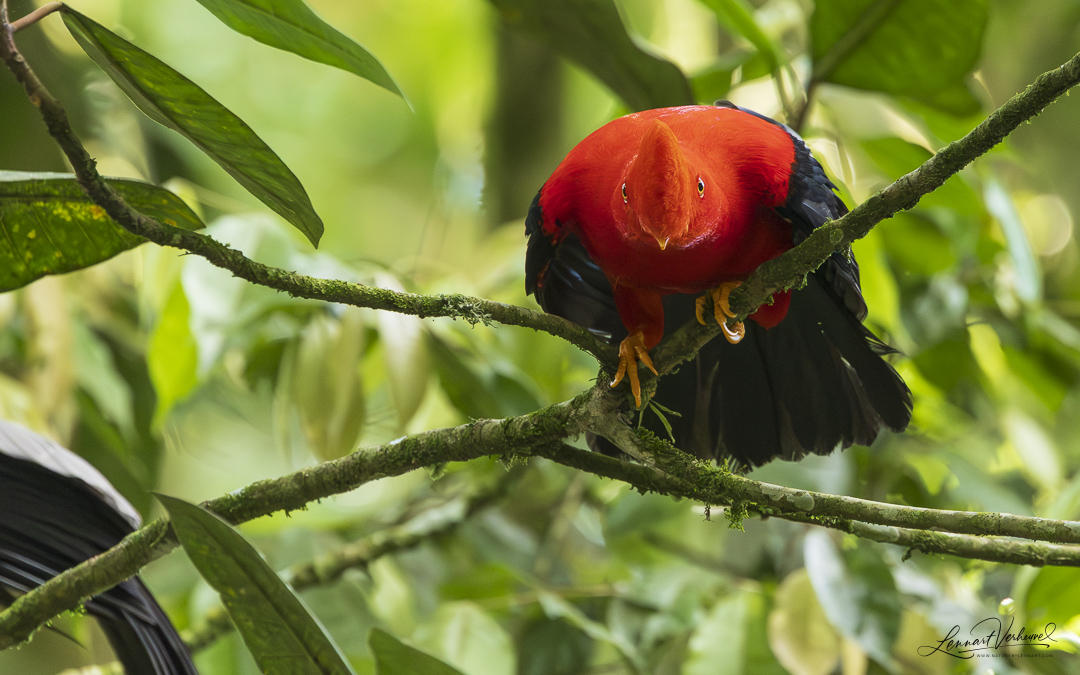
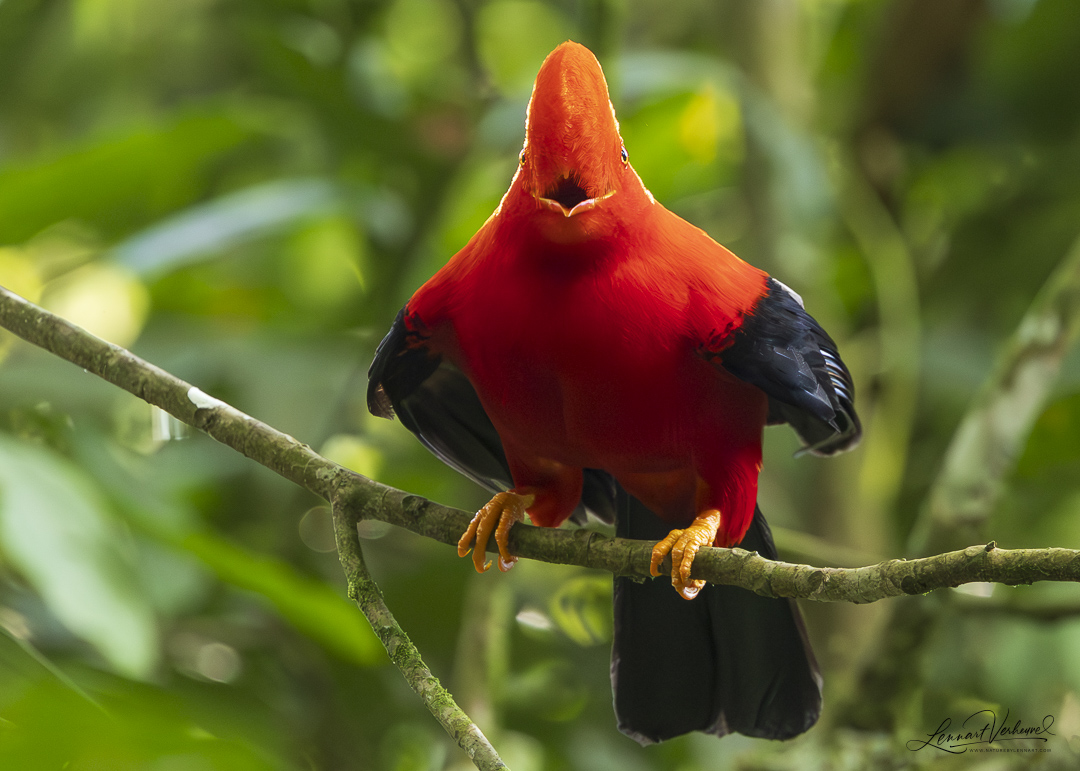
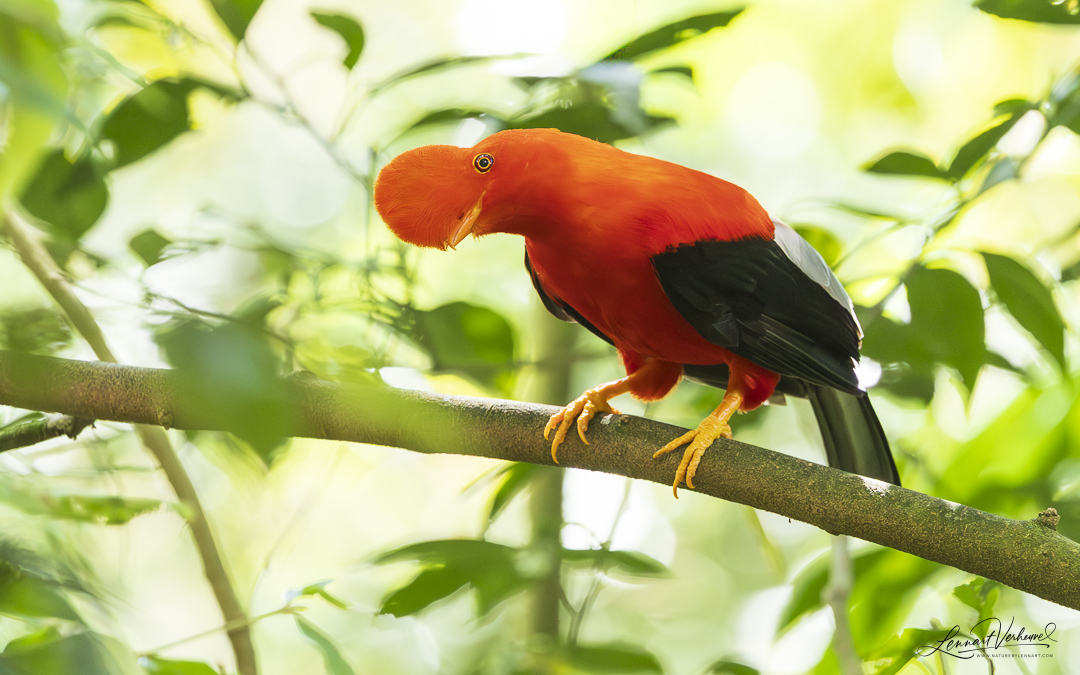
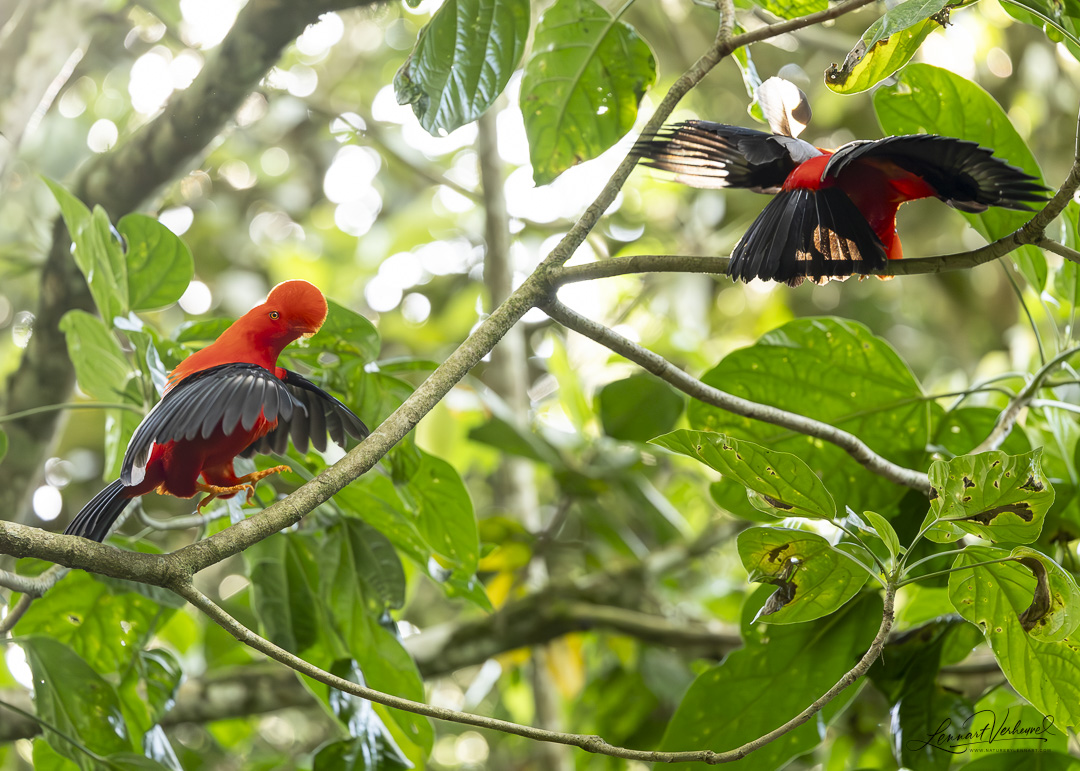
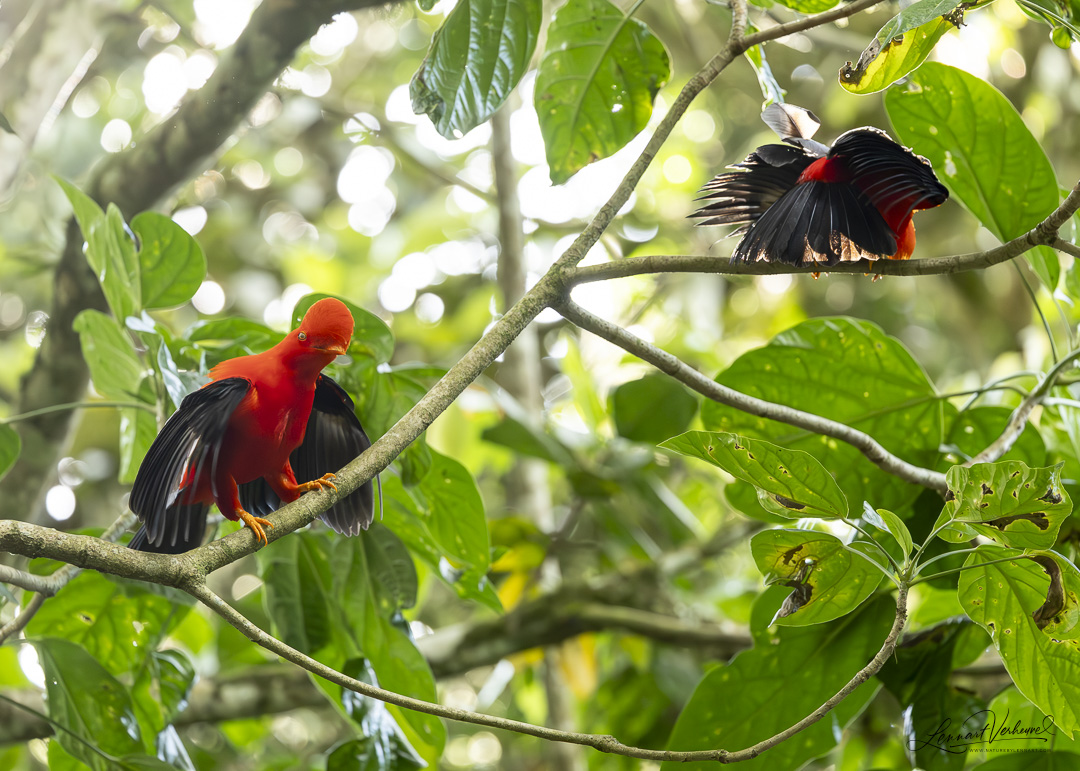
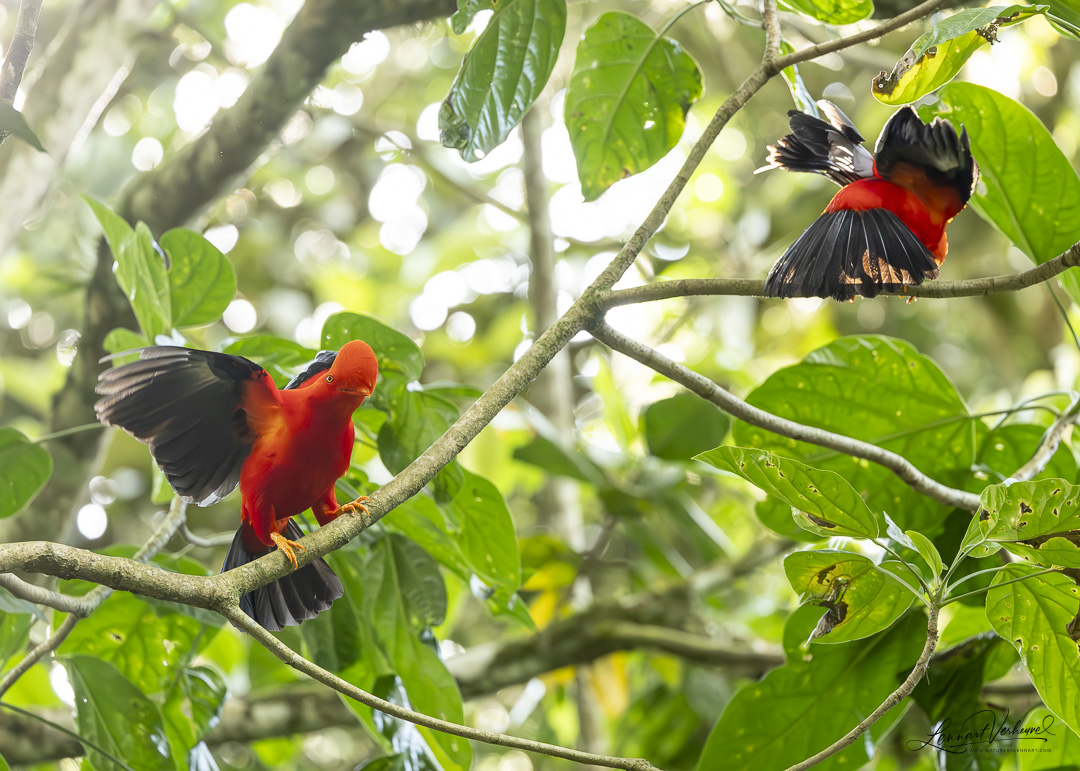
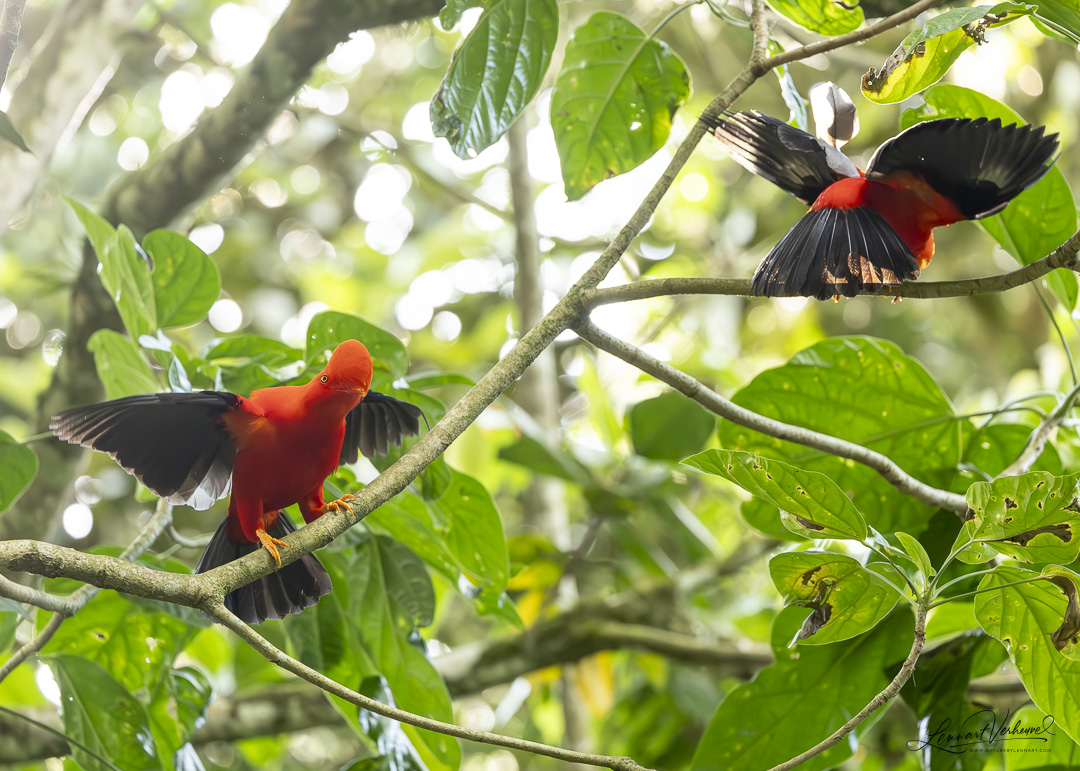
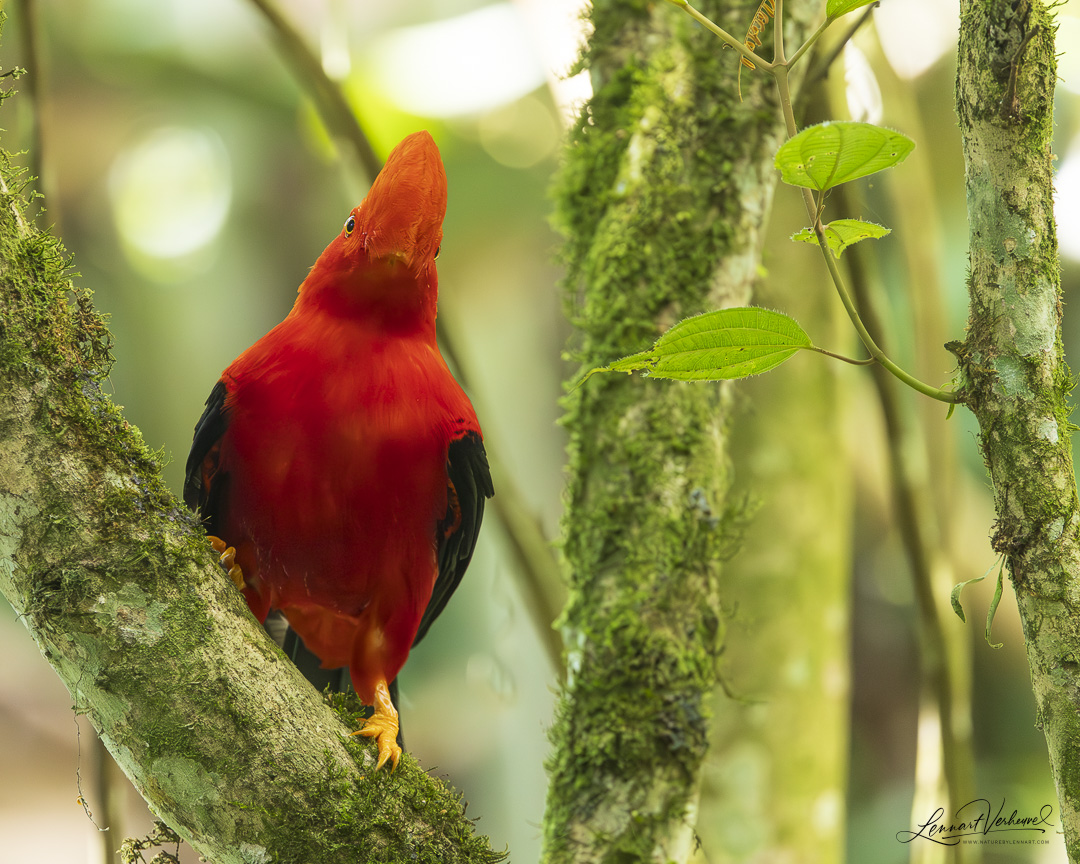
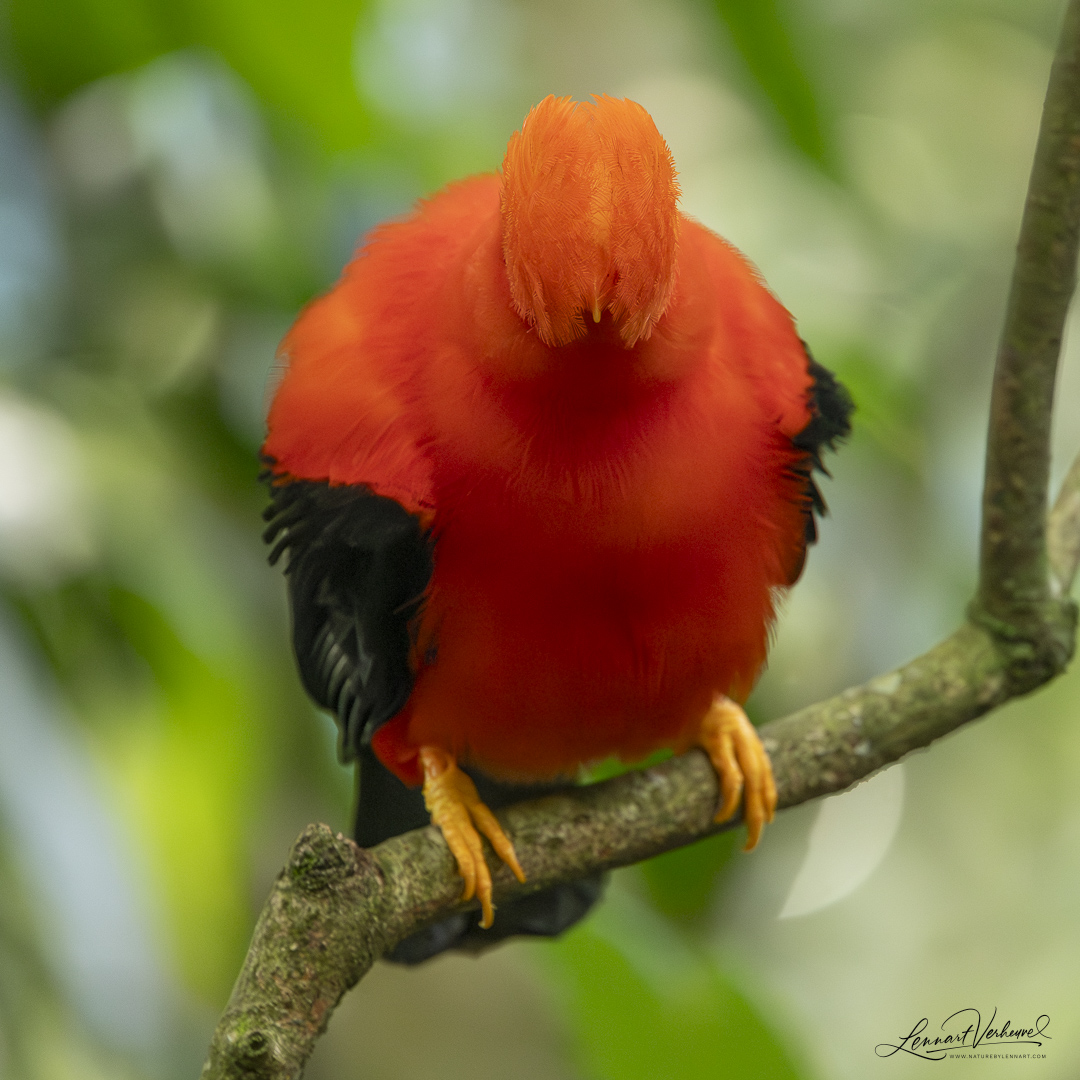
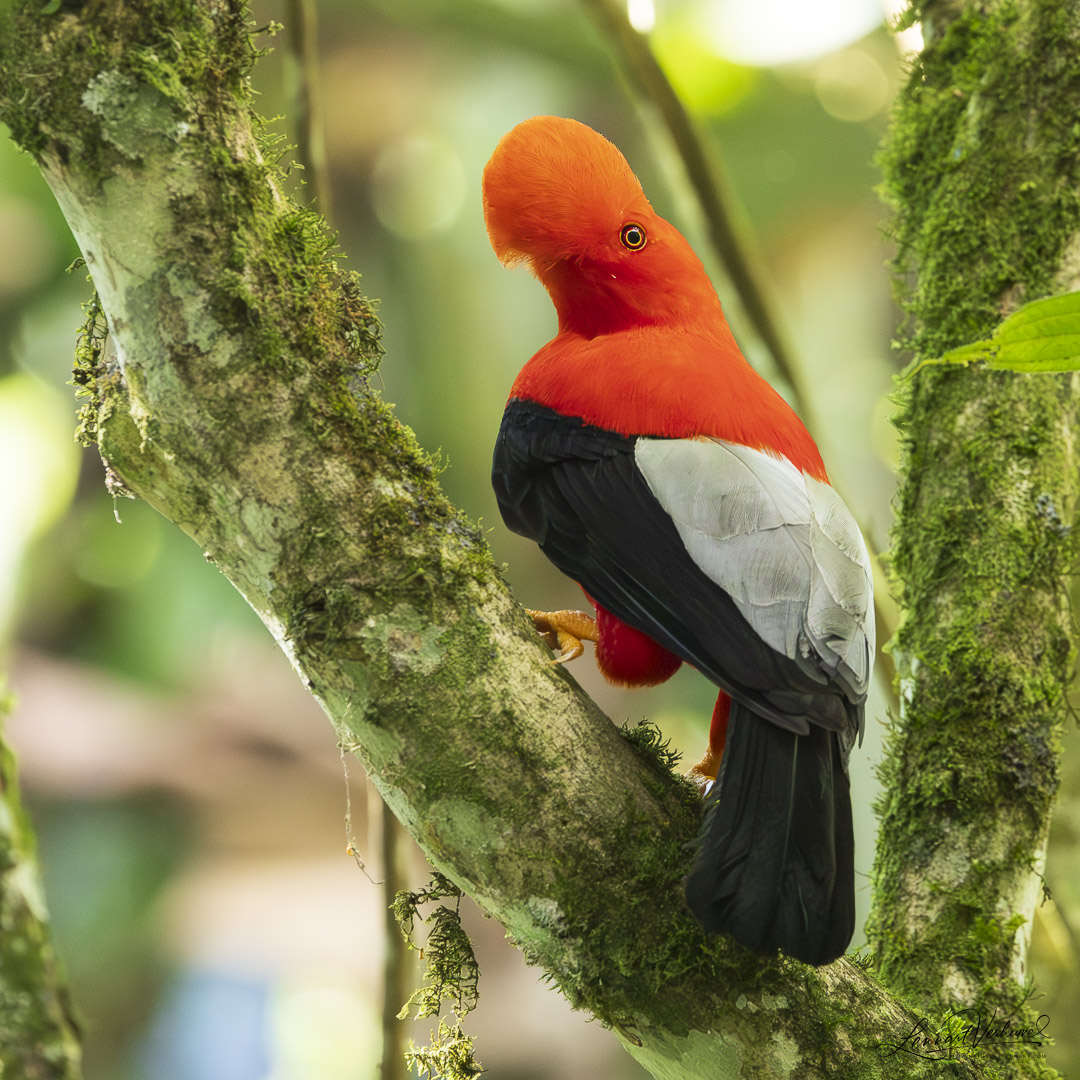
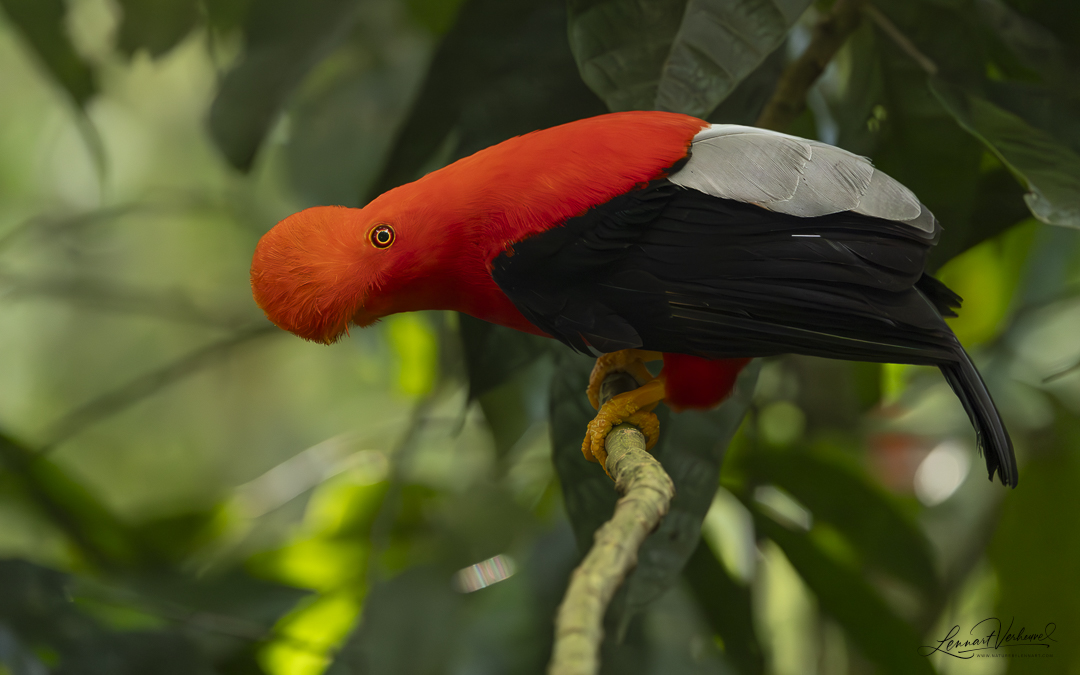
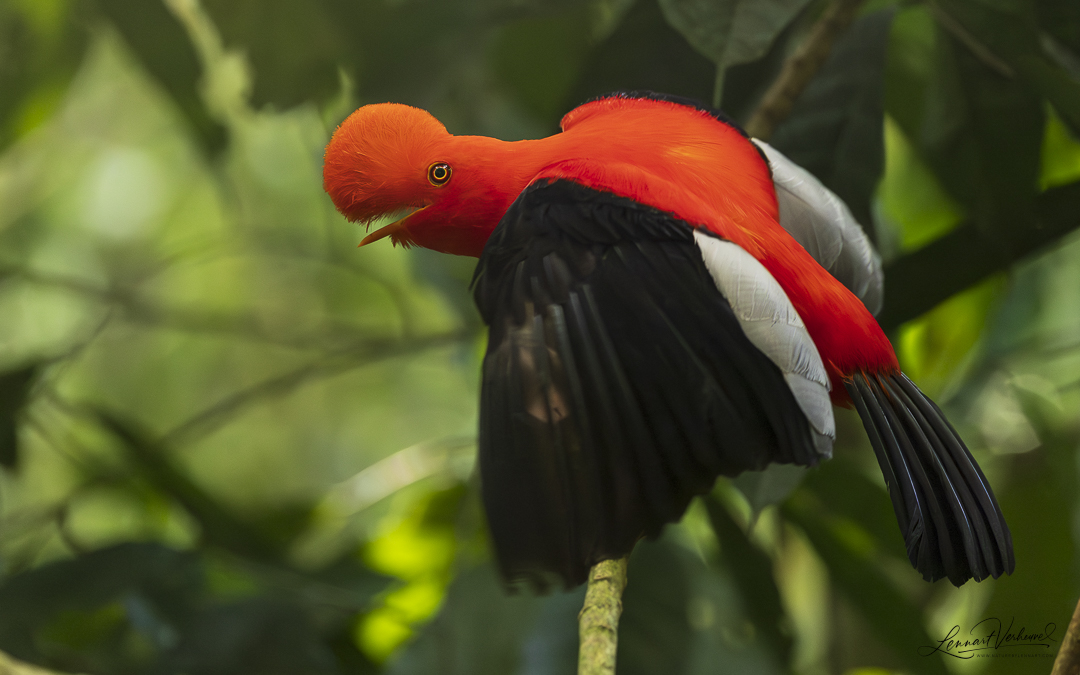
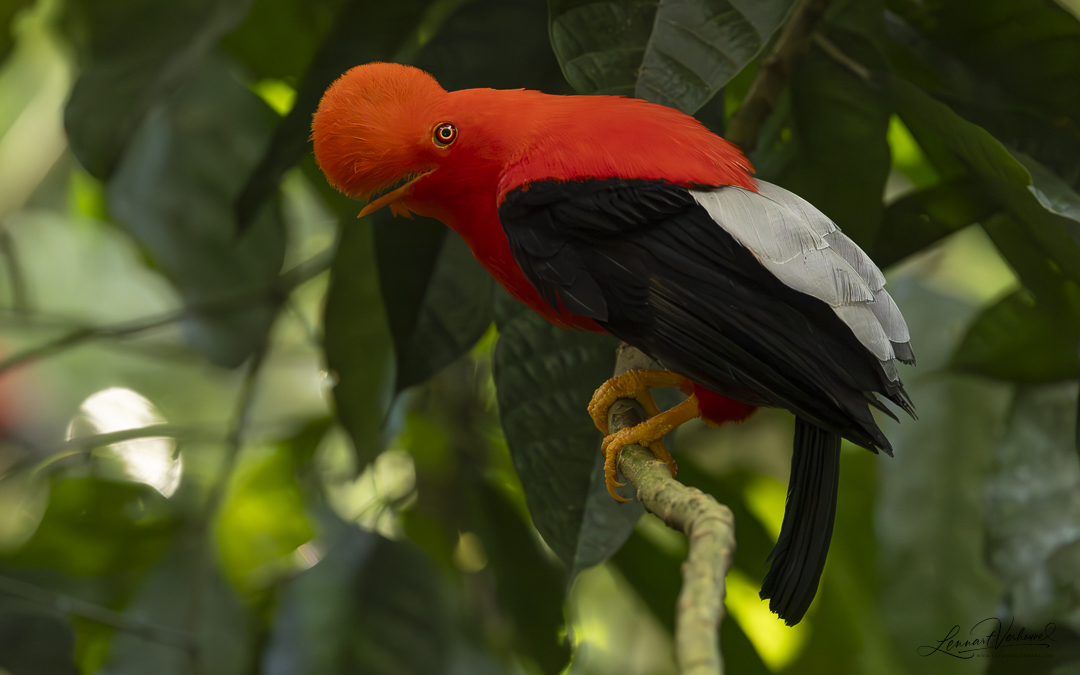
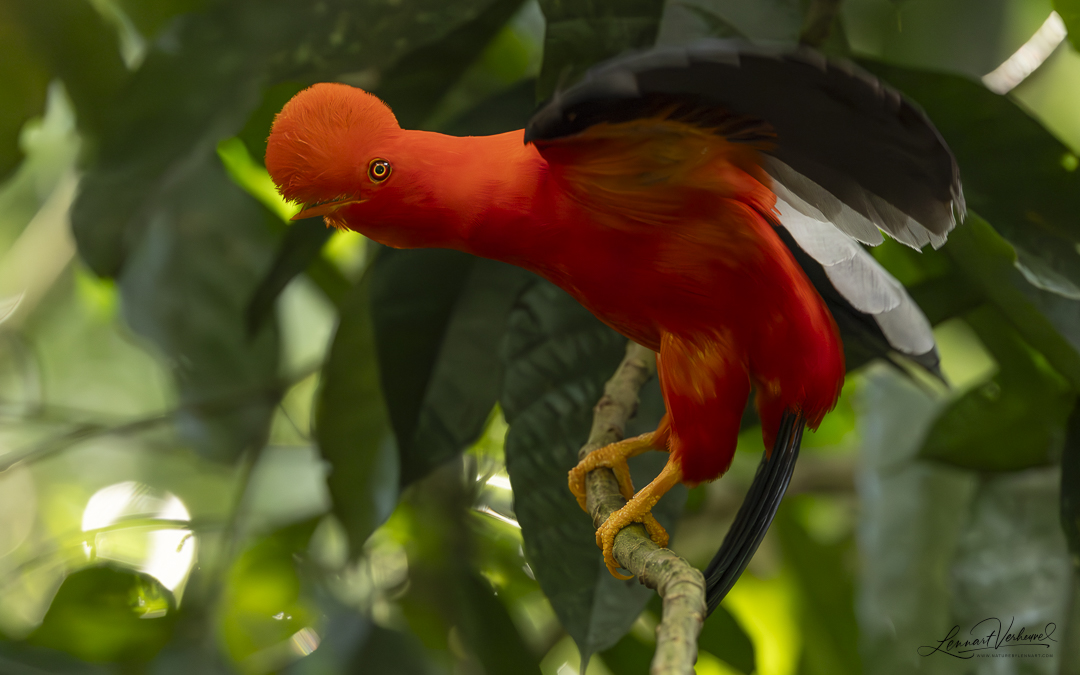
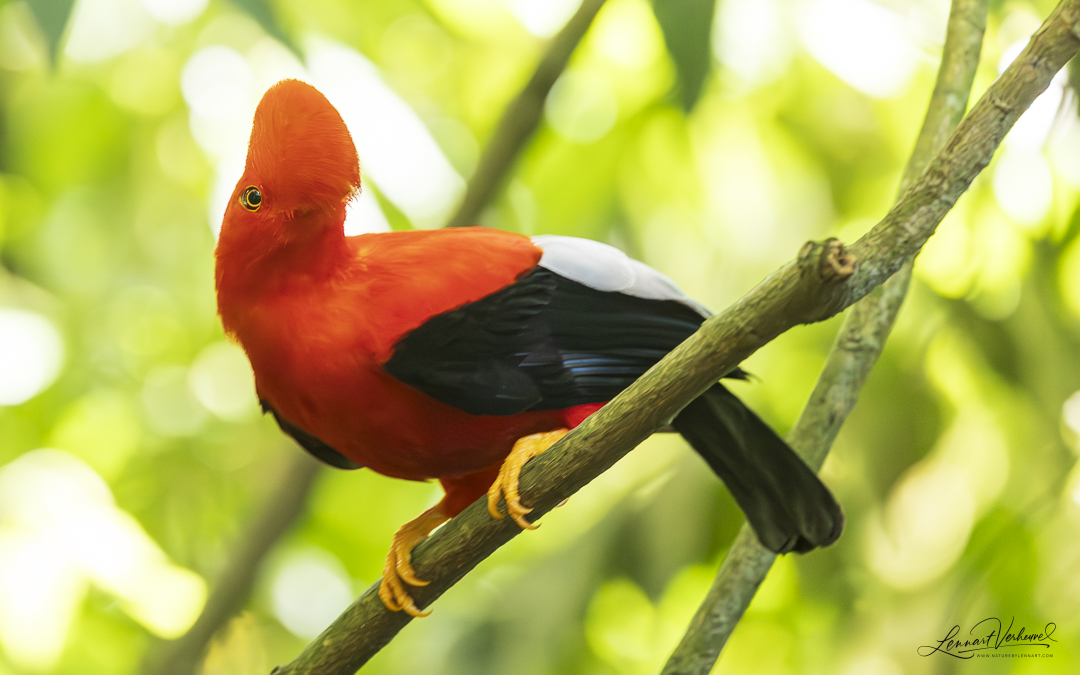
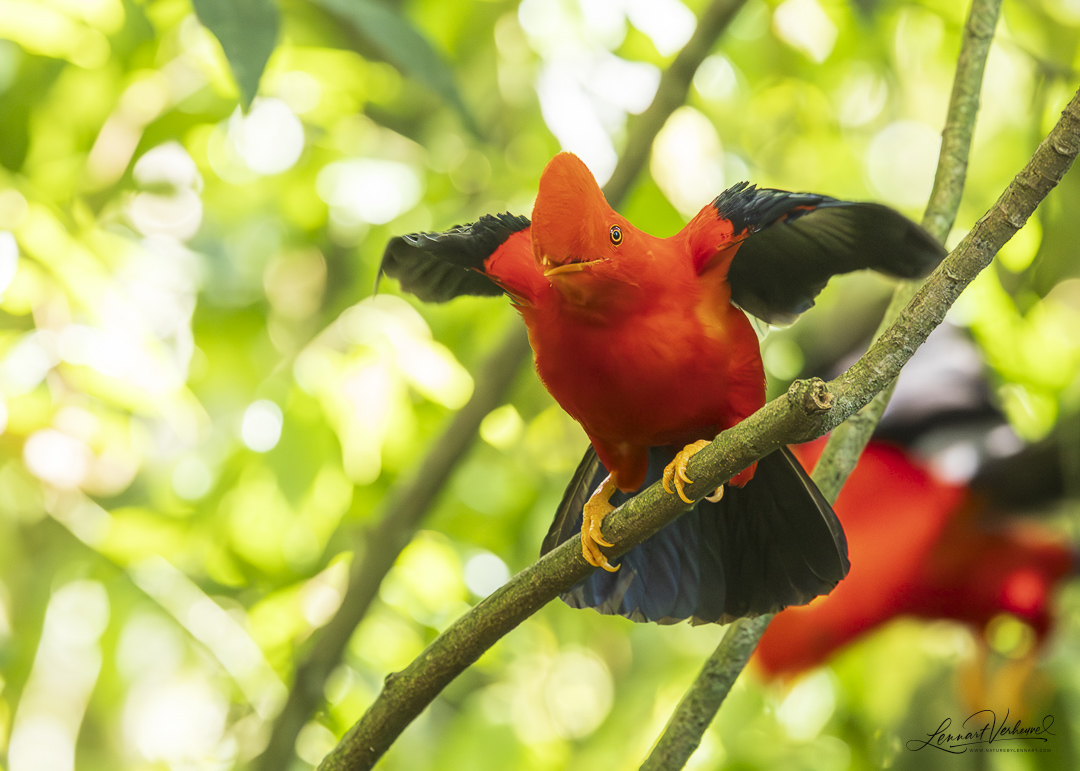
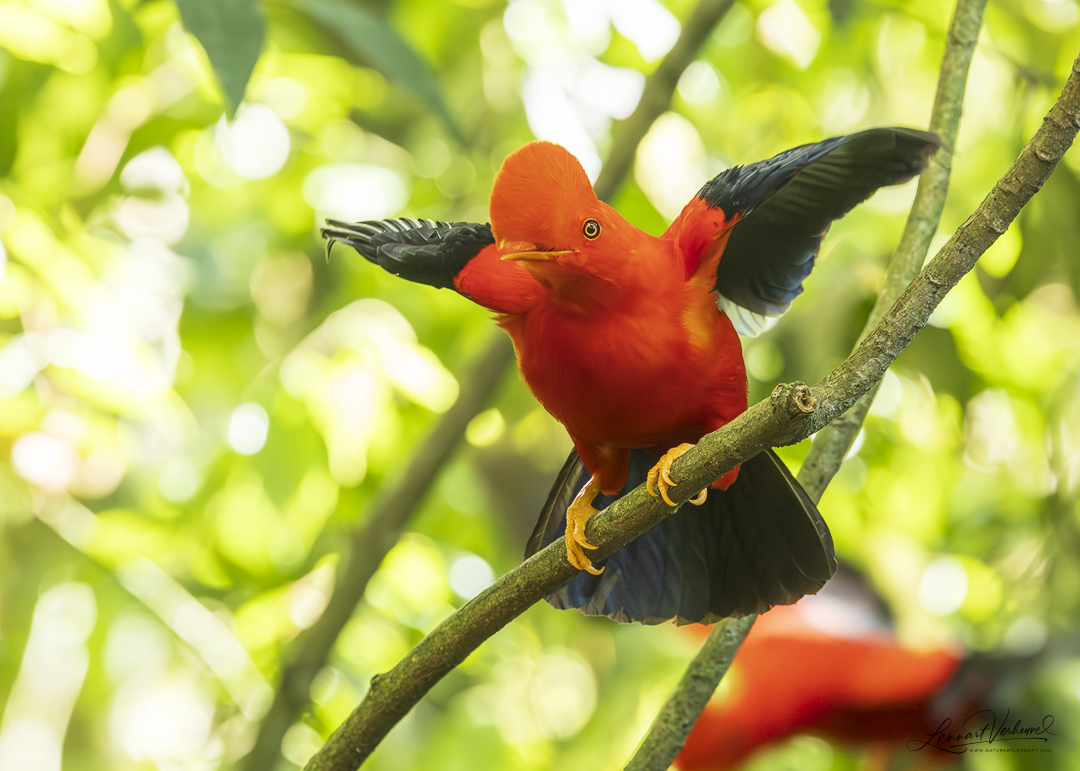
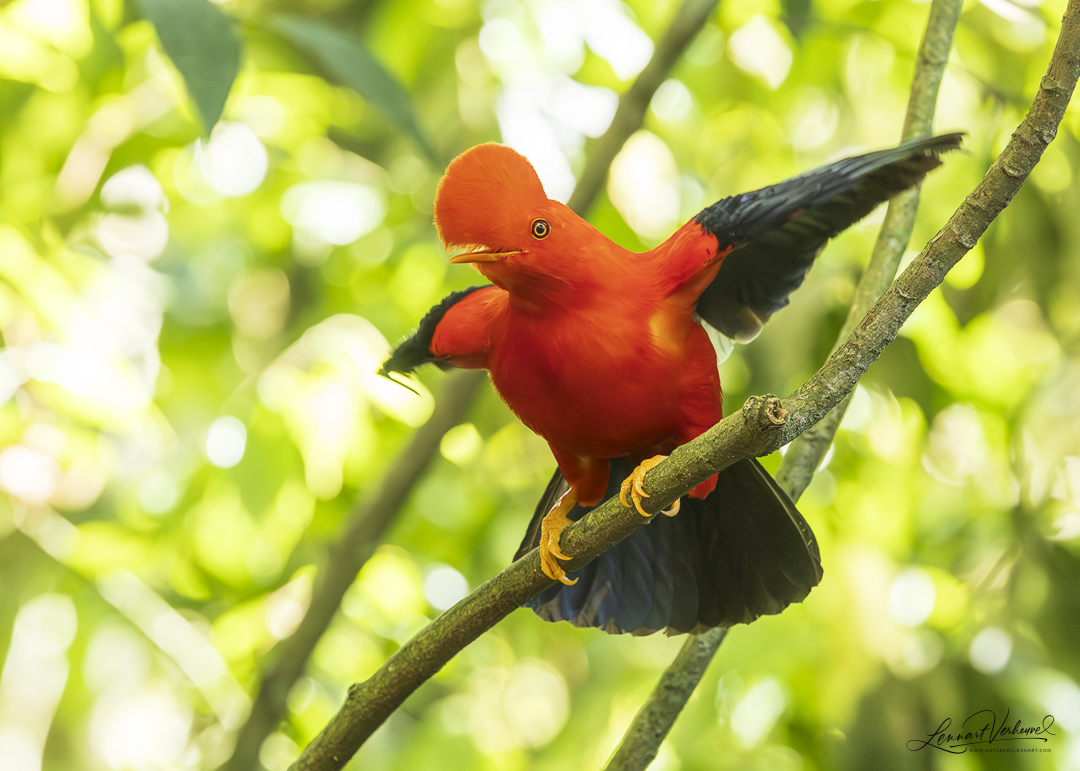
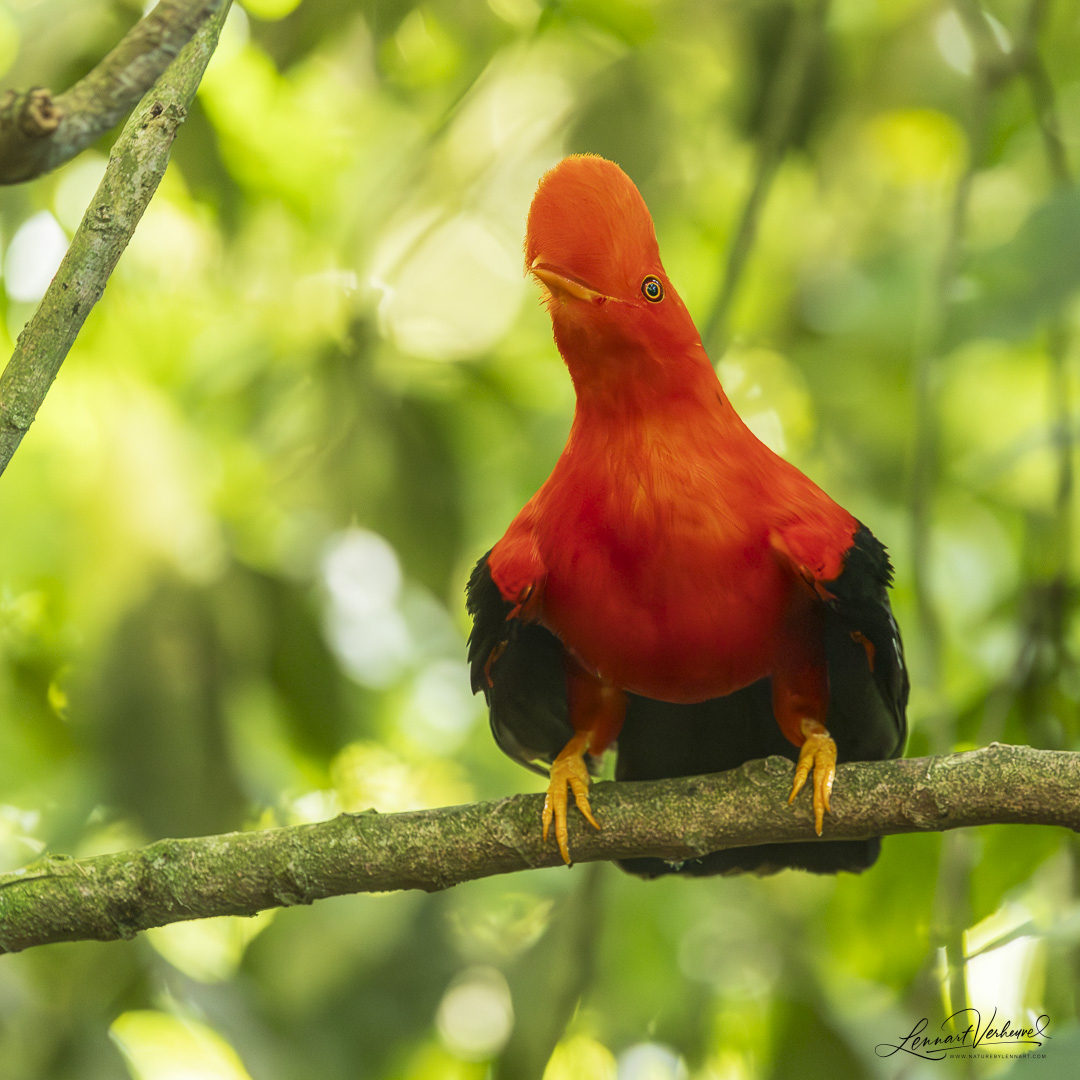

Andean Cock-of-the-Rock
There was still one more bird on my itinerary, however — and this one I had never seen before. I had hoped to see it in Ecuador as well, but at the time I hadn’t been close enough to any accessible cave system. I’m talking about the Oilbird.
This bird is completely unique. At first glance it resembles a nightjar, but it differs greatly from them as well. Genetically, the species is so distinct that it not only has its own genus and family, but even its own order. The bird already looks unusual, but its most remarkable trait is its ability to use echolocation, much like a bat. Apart from Oilbirds, only a few swiftlets in Asia are capable of this.
A bird this extraordinary was something I absolutely had to see once in my life. Thankfully, it isn’t necessarily very difficult — provided you know the right place to go. I was therefore delighted to learn that there was a site near Jardín where Oilbirds could be observed. It turned out to be an excellent location where the birds could even be seen in daylight. Often, the only way to see Oilbirds is by entering caves with flashlights, which doesn’t make for great photos and is probably not very pleasant for the birds either.
At first I contacted Reserva Los Guacharos myself, but I couldn’t manage to arrange a visit because they were closed at the times I was available. That was disappointing, but fortunately Nico from Wild About Colombia managed to arrange it for me after all. So that morning, around eleven o’clock, I arrived at the reserve. It took a little while before I could get in, but eventually I headed out with a guide.
We descended into the valley toward the river. Along the way, we saw a beautiful Southern Emerald Toucanet.
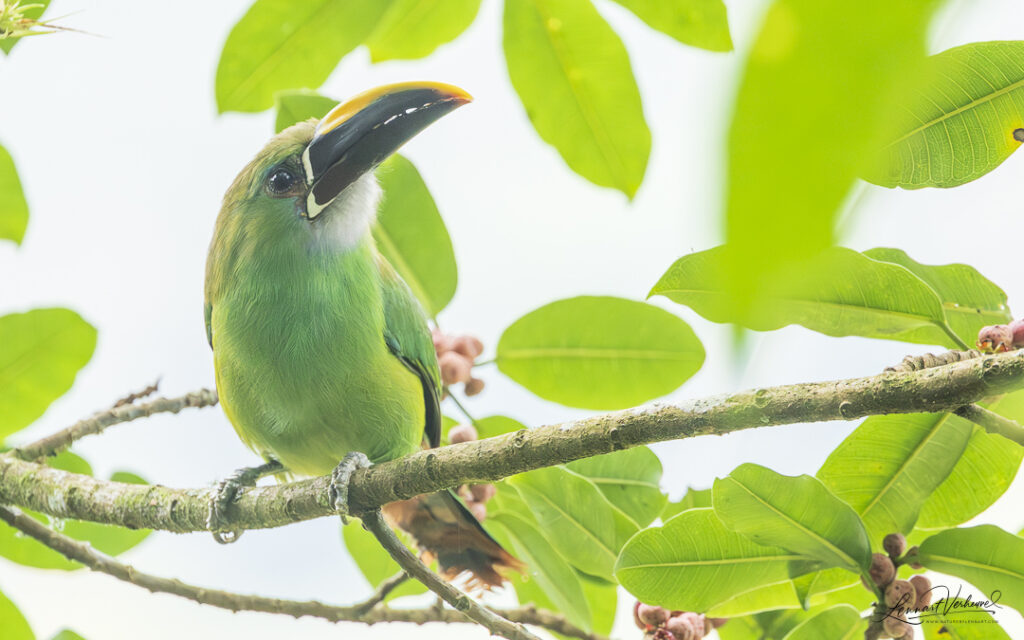
Southern Emerald Toucanet
At the river, I noticed a suspension bridge stretched across the water leading to a rocky ledge.
I had to put on a harness to safely cross to the other side. Just as I finished securing it, however, a flash of red shot past me: a female Cock-of-the-rock!
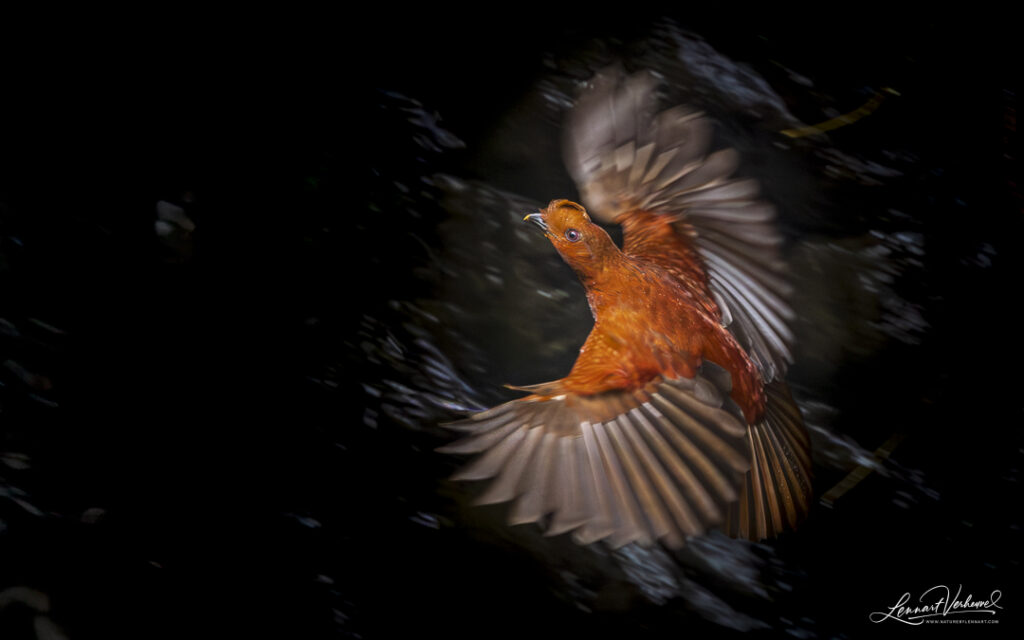
Andean Cock-of-the-rock
That was a fantastic surprise because females are much harder to see than the males. Coincidentally, I had also found a female the previous evening, but this one gave much better views. The setting was absolutely stunning for observing the bird. She perched on the rock walls and eventually even went down into the water for a bath. That was a good start!
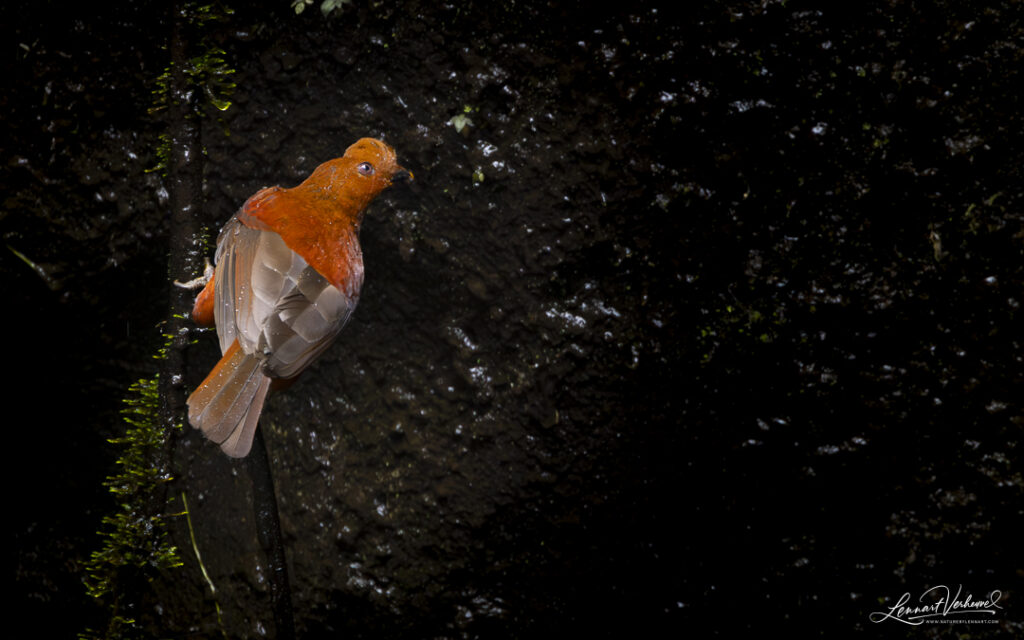
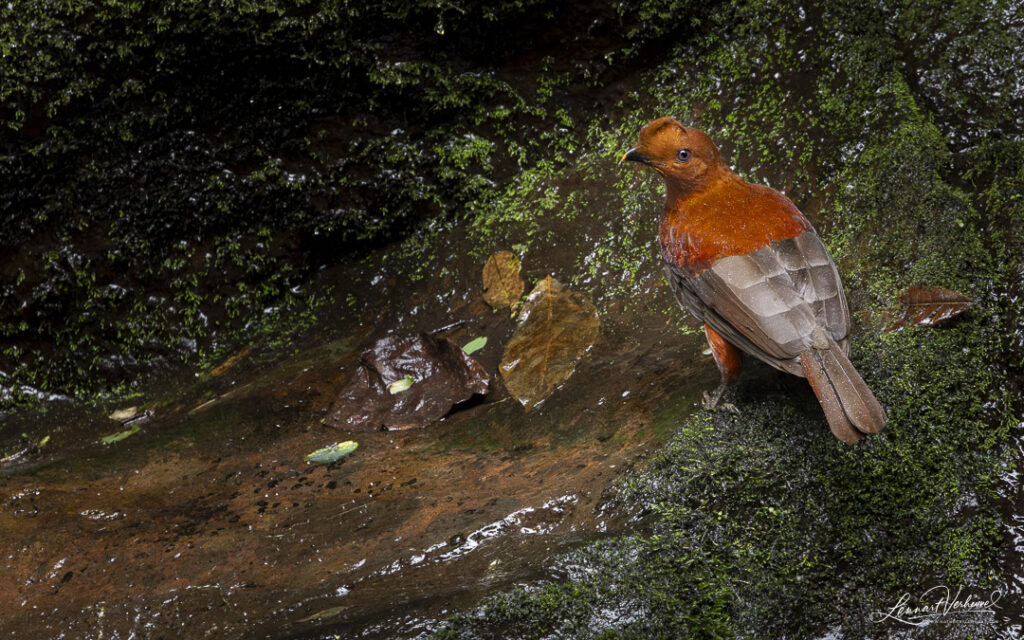
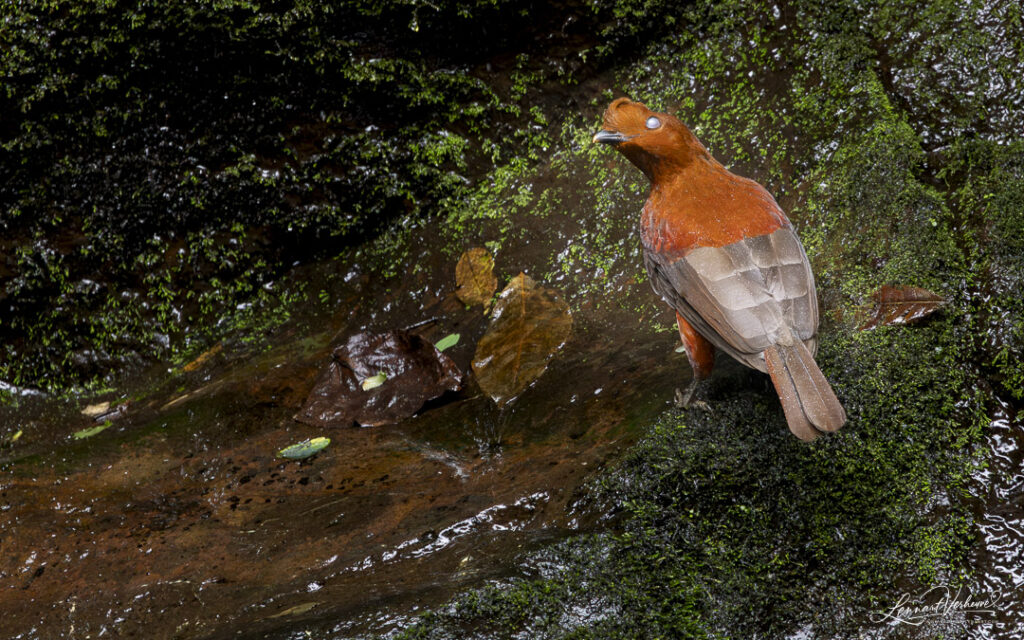
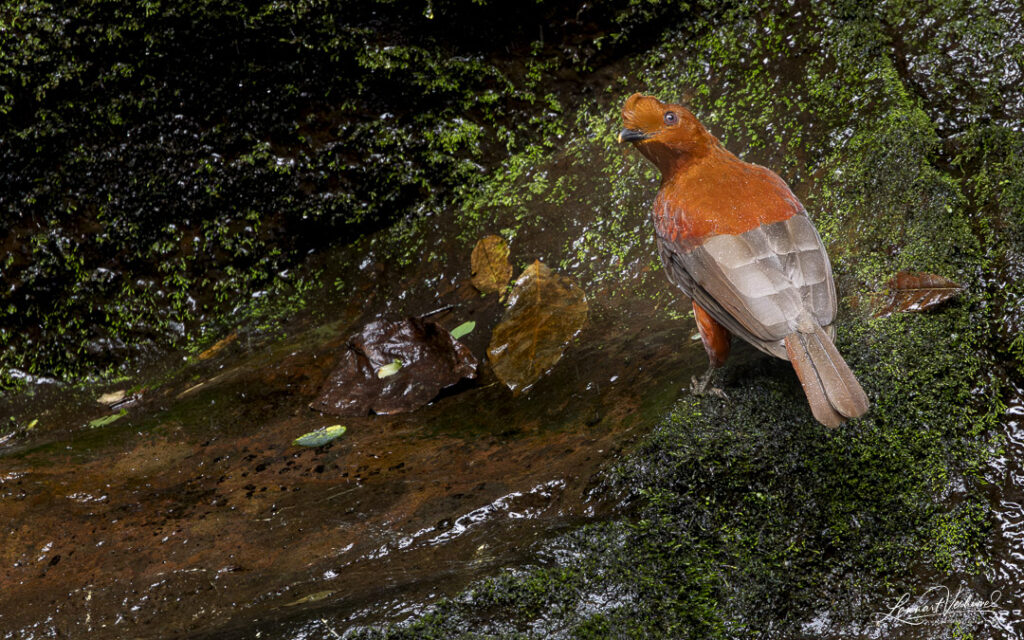
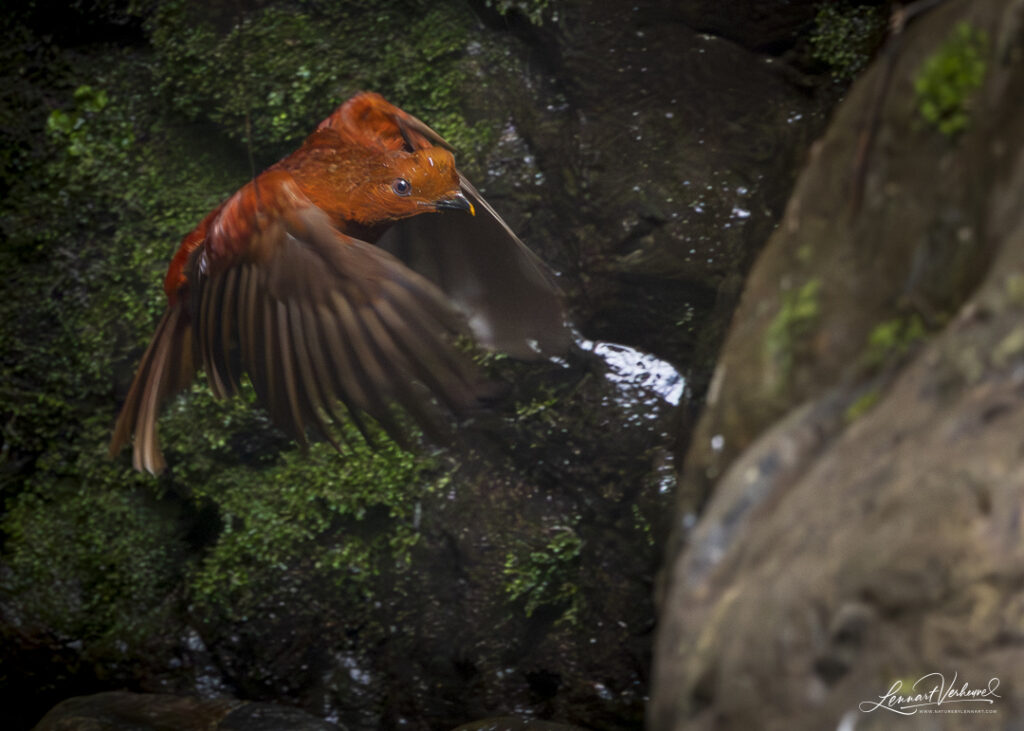
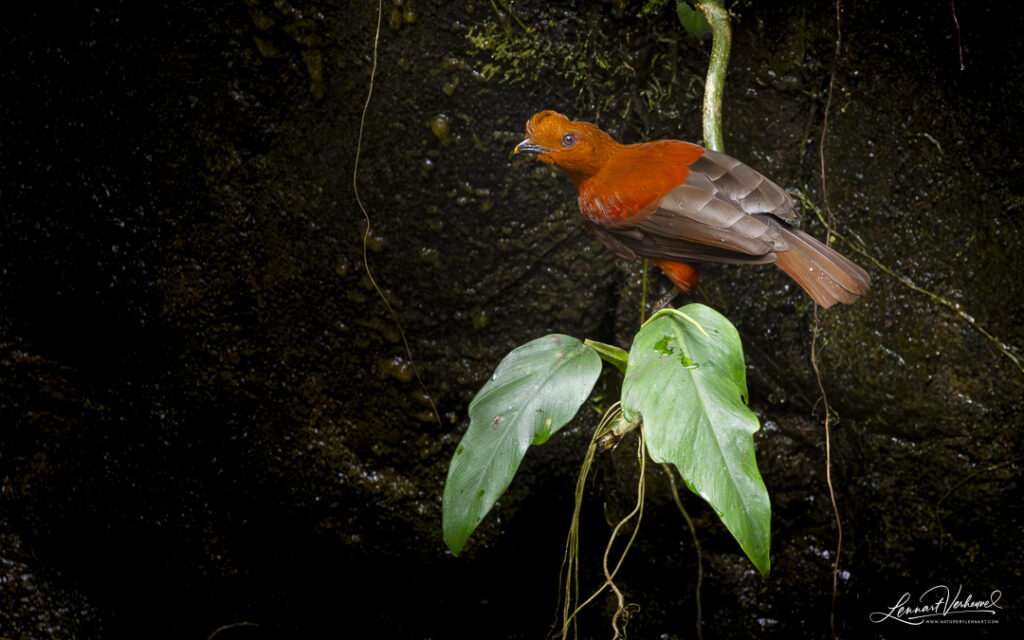
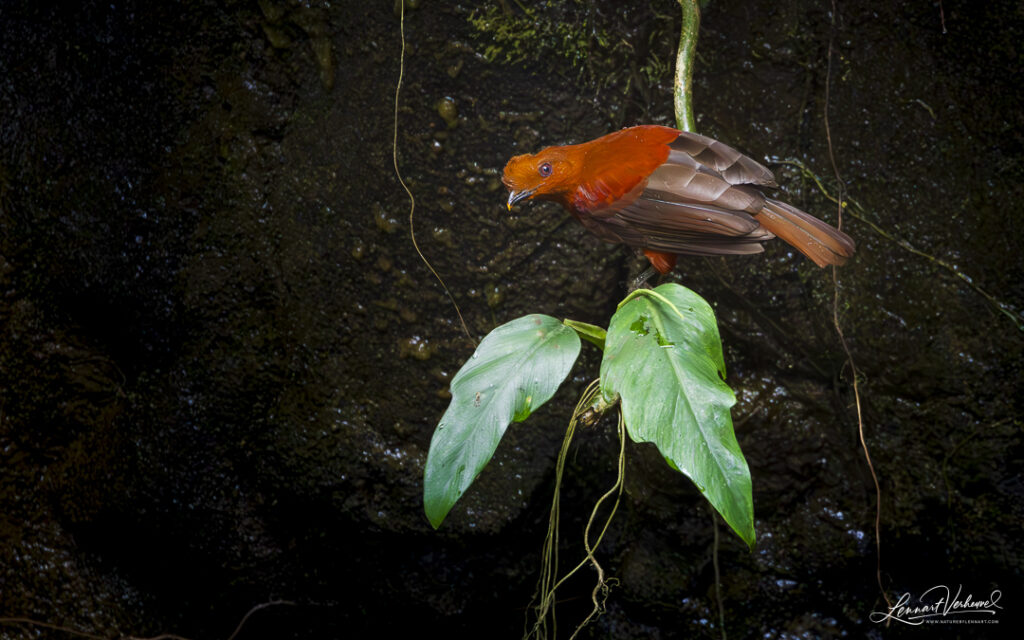
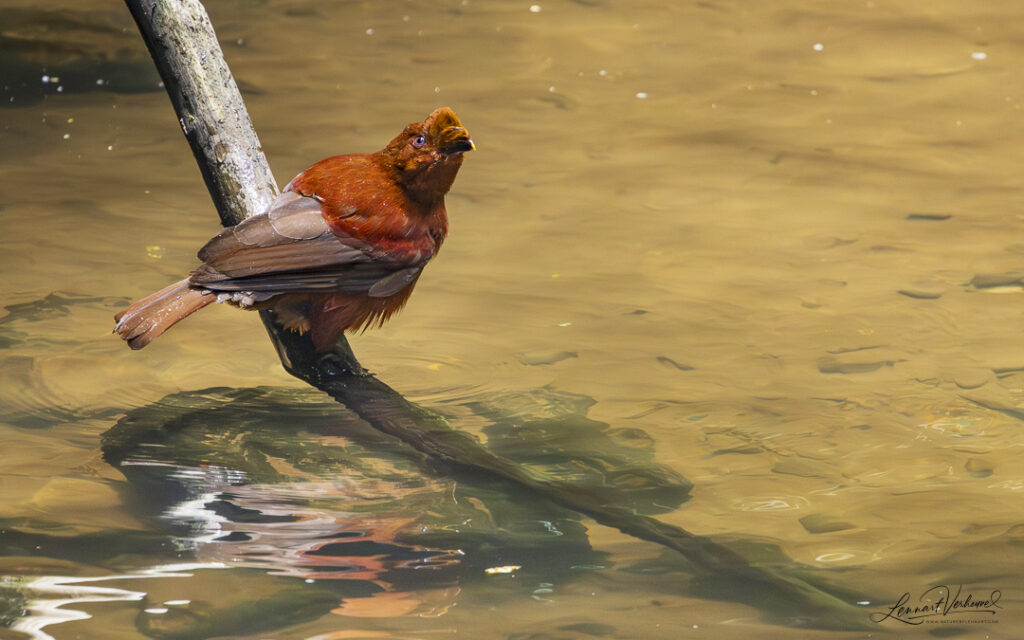
Andean Cock-of-the-rock
I was halfway across the suspension bridge when another iconic species of Andean mountain rivers appeared: Torrent Duck! I had already seen this species in Peru, Chile, and Ecuador, but I never get tired of it. This time I saw a beautiful male, and later the female appeared as well.
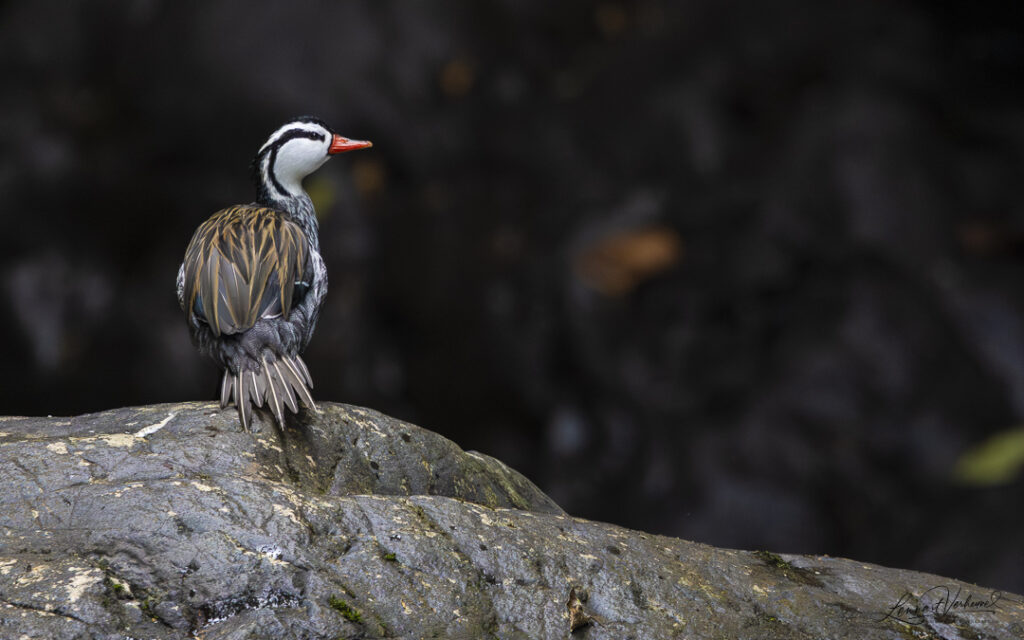
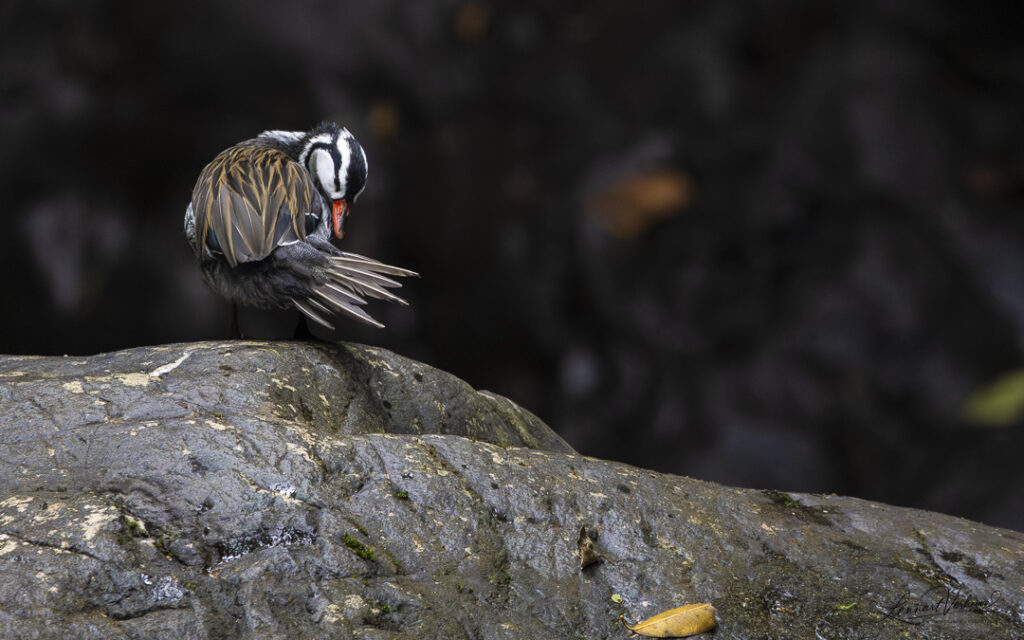
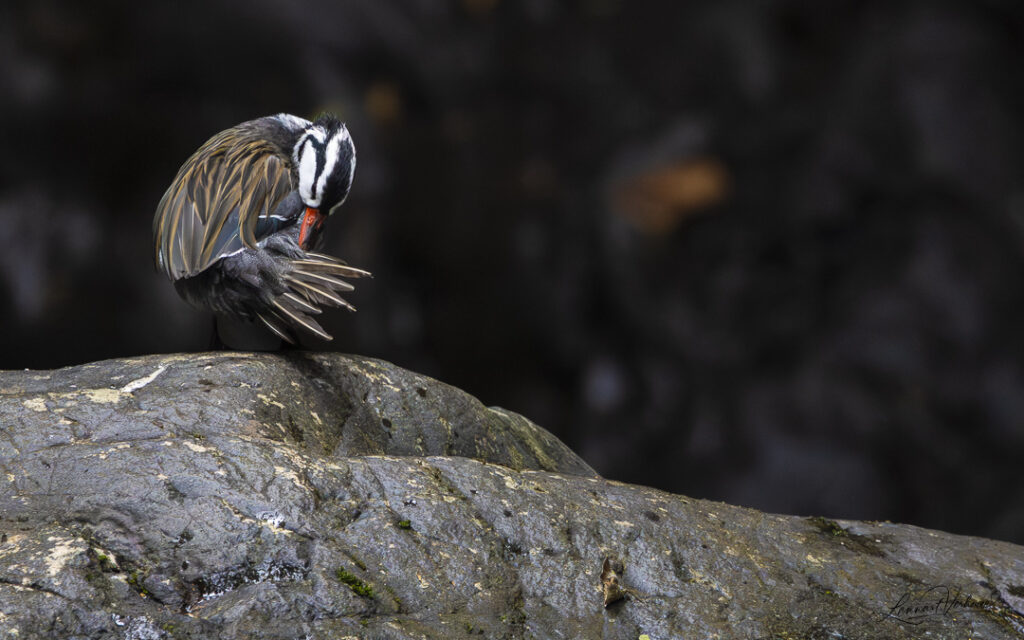
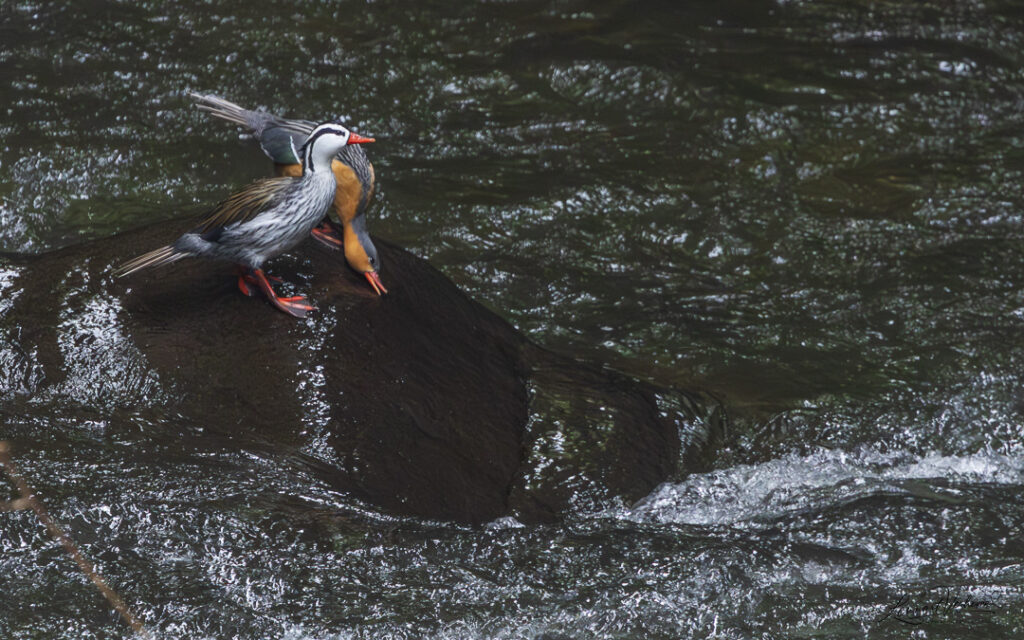
Torrent Duck
Where there are Torrent Ducks, White-capped Dippers are usually nearby, and sure enough, they appeared too. It turned out to be a pair carrying nesting material.
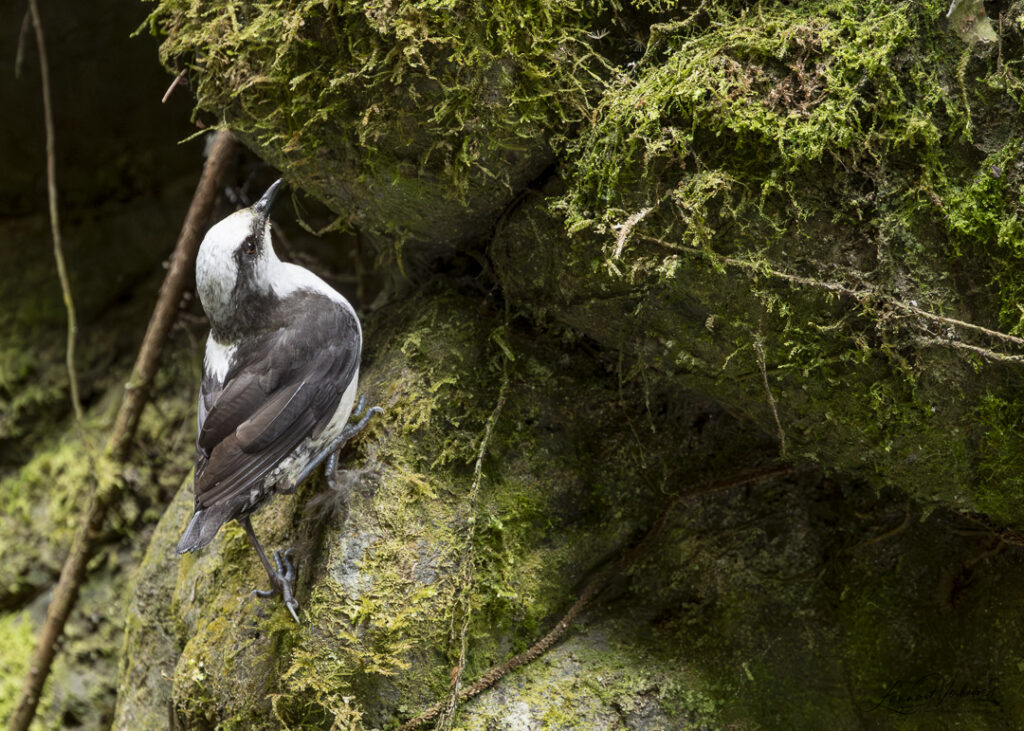
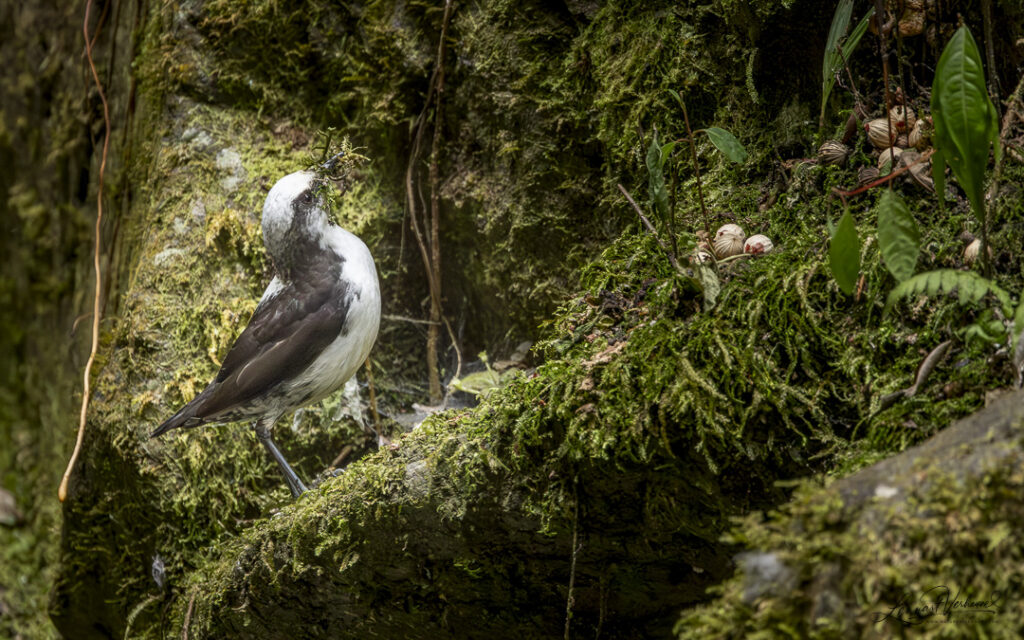
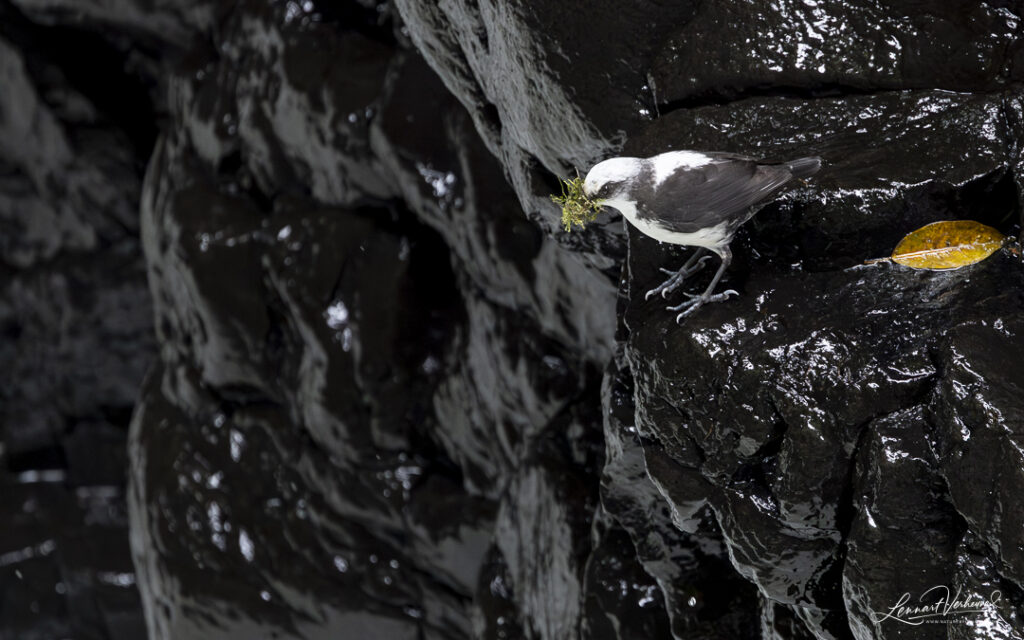
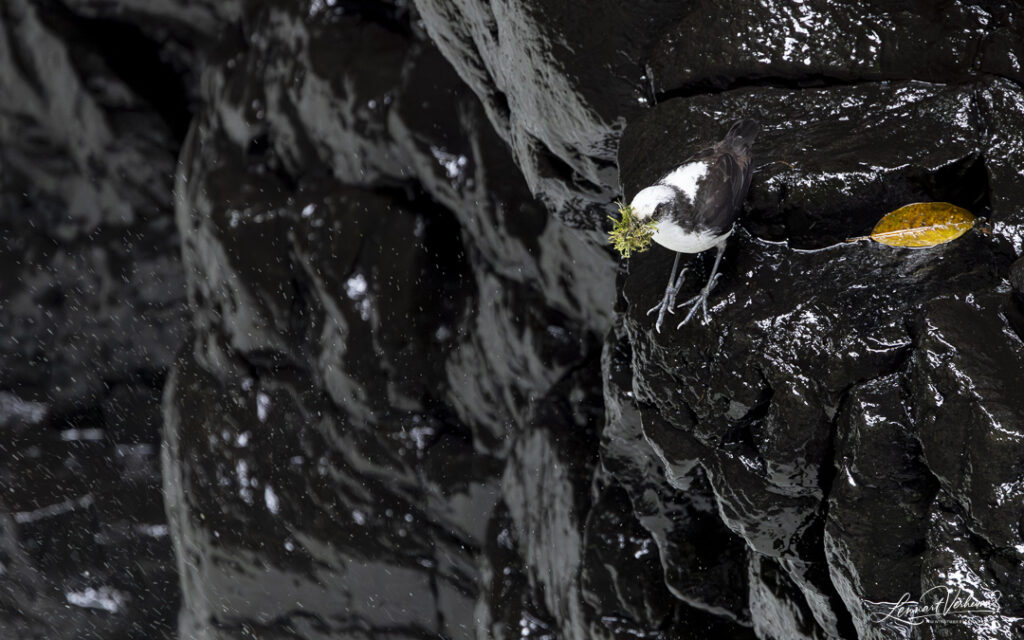
White-capped Dipper
At that point, I had already seen nearly all the birds I had hoped for in this environment. Only the Oilbird was still missing!
I had assumed the species was more or less guaranteed here and that the birds roosted at a fixed location. Apparently, however, they were less predictable during this season. In any case: not a single Oilbird in sight!
That was disappointing. Fortunately, my guide knew where to look, and eventually he spotted one clinging to a rock wall. It was difficult to see in the darkness and even harder to photograph, but with a slow shutter speed and a lot of attempts I managed to capture a photo I was genuinely happy with.
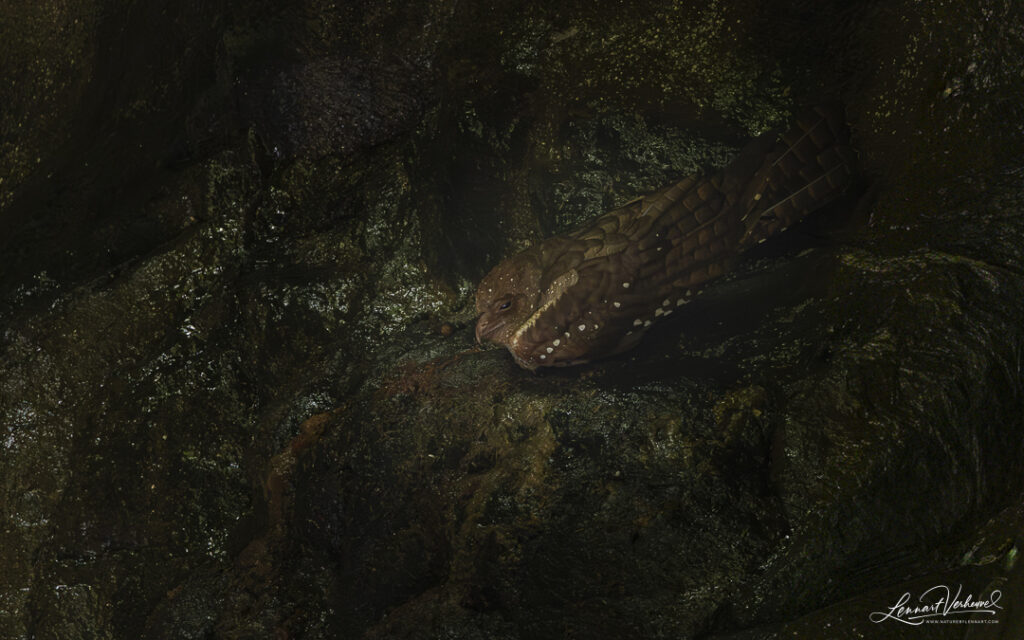
Oilbird
Just when I thought I was done, I found another bird myself, perched even closer! So I stayed on the platform a little longer. The fact that I was getting completely soaked by the river spray did not dampen my high spirits.
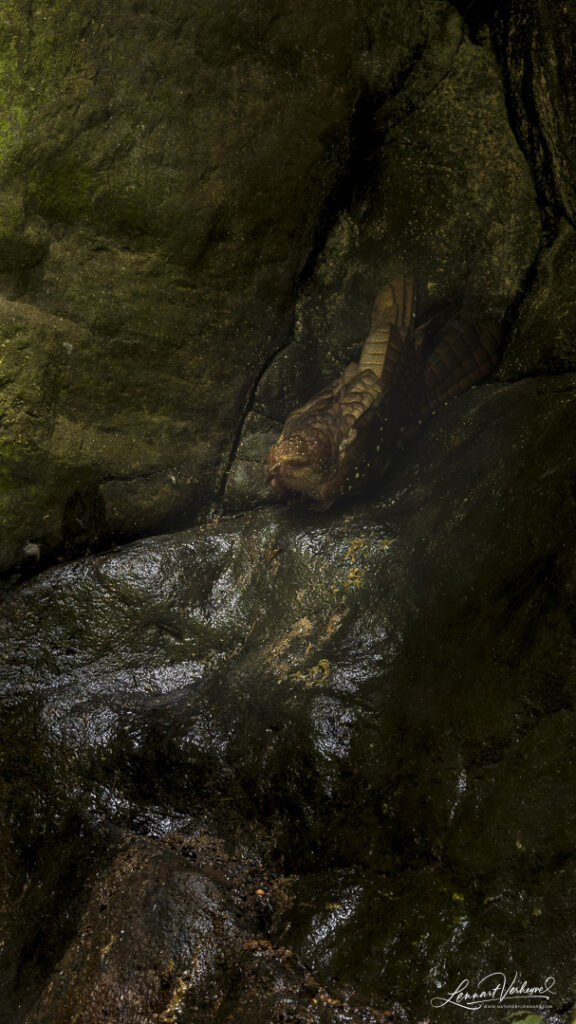
Oilbird
I waited patiently until the bird moved and opened its eyes. At that moment, I managed to take several photos I was truly satisfied with.
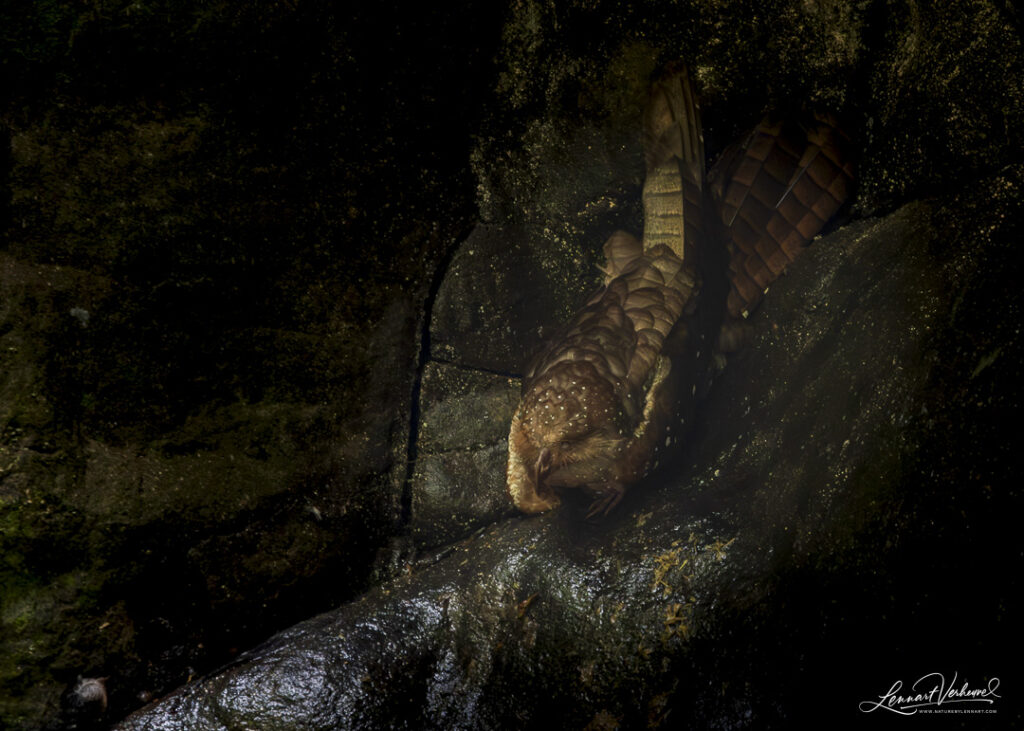
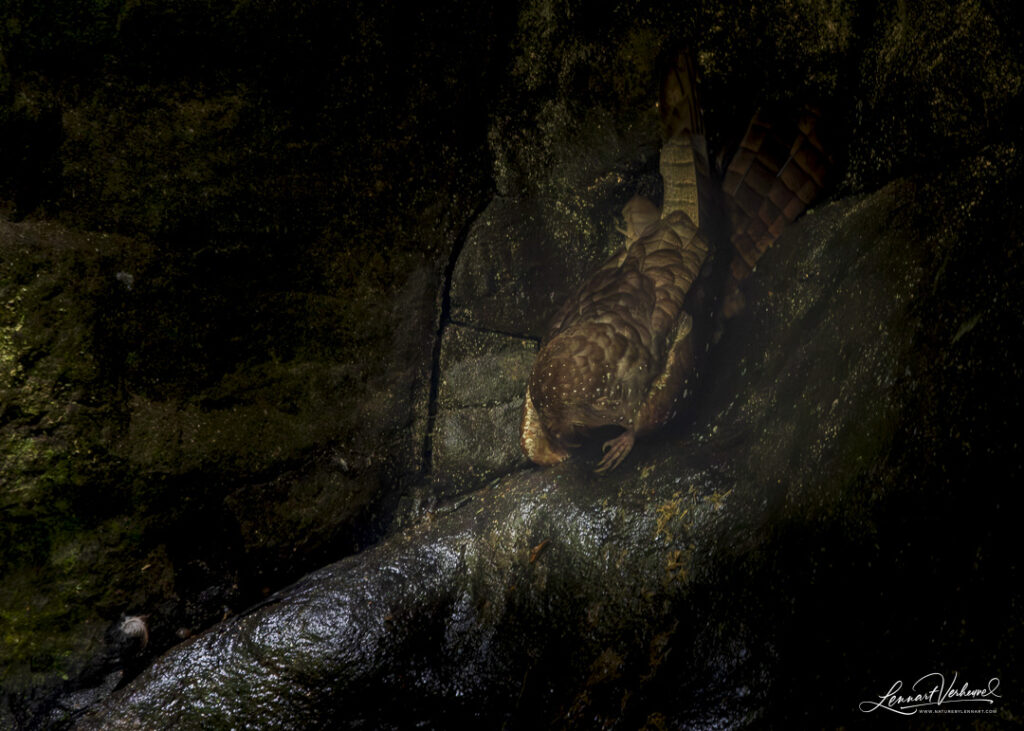
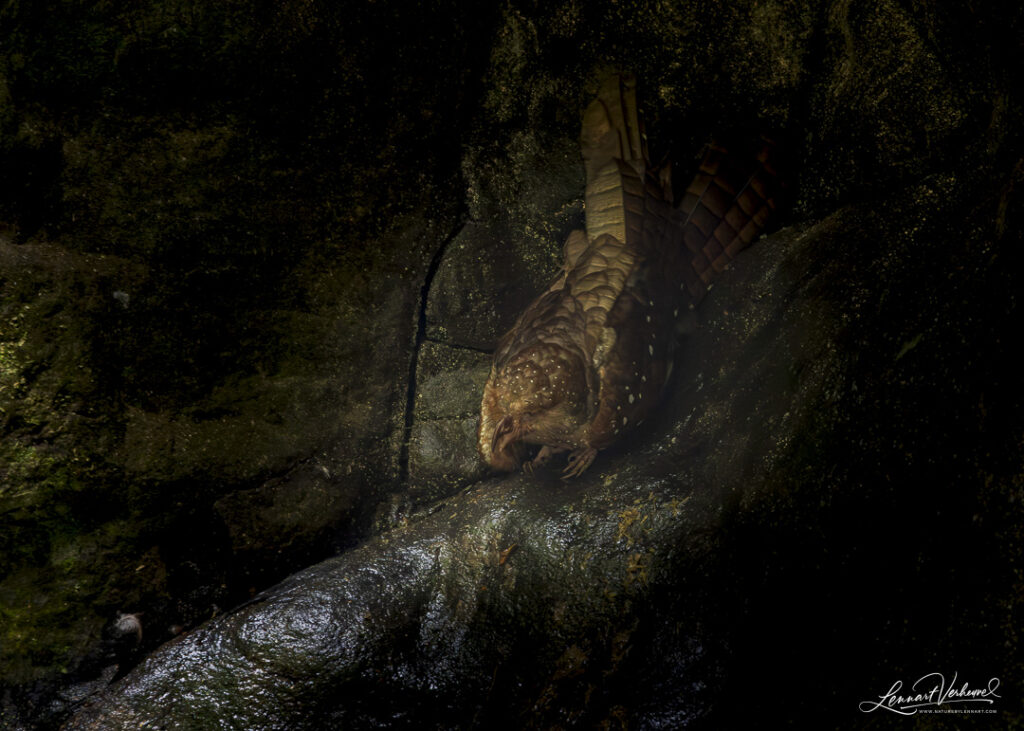
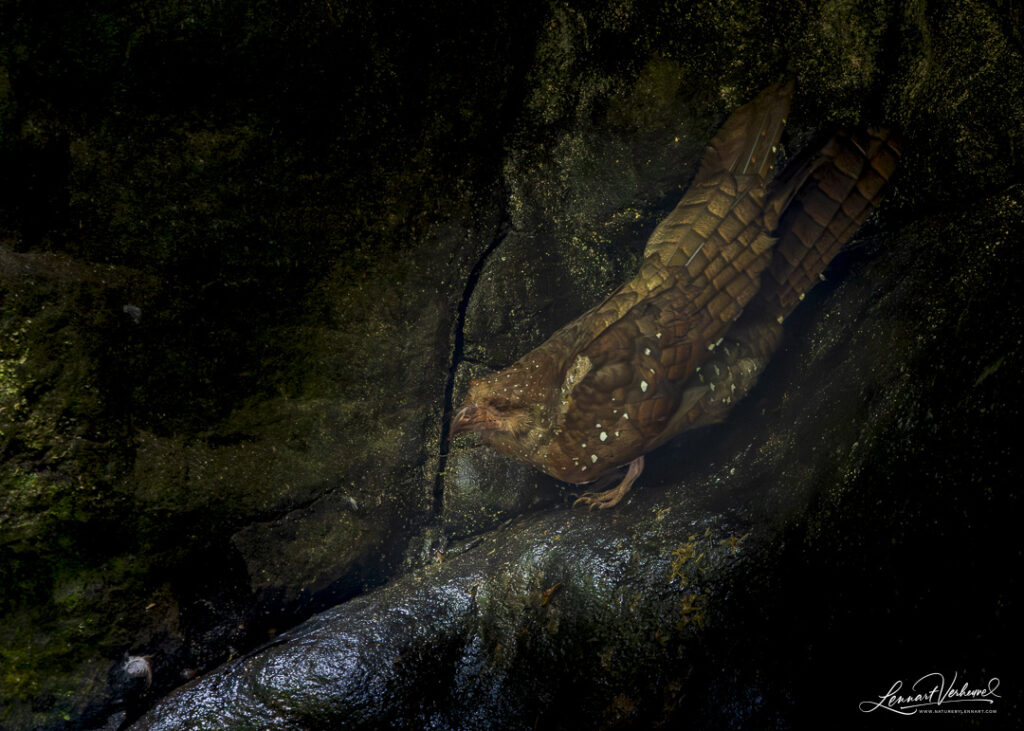
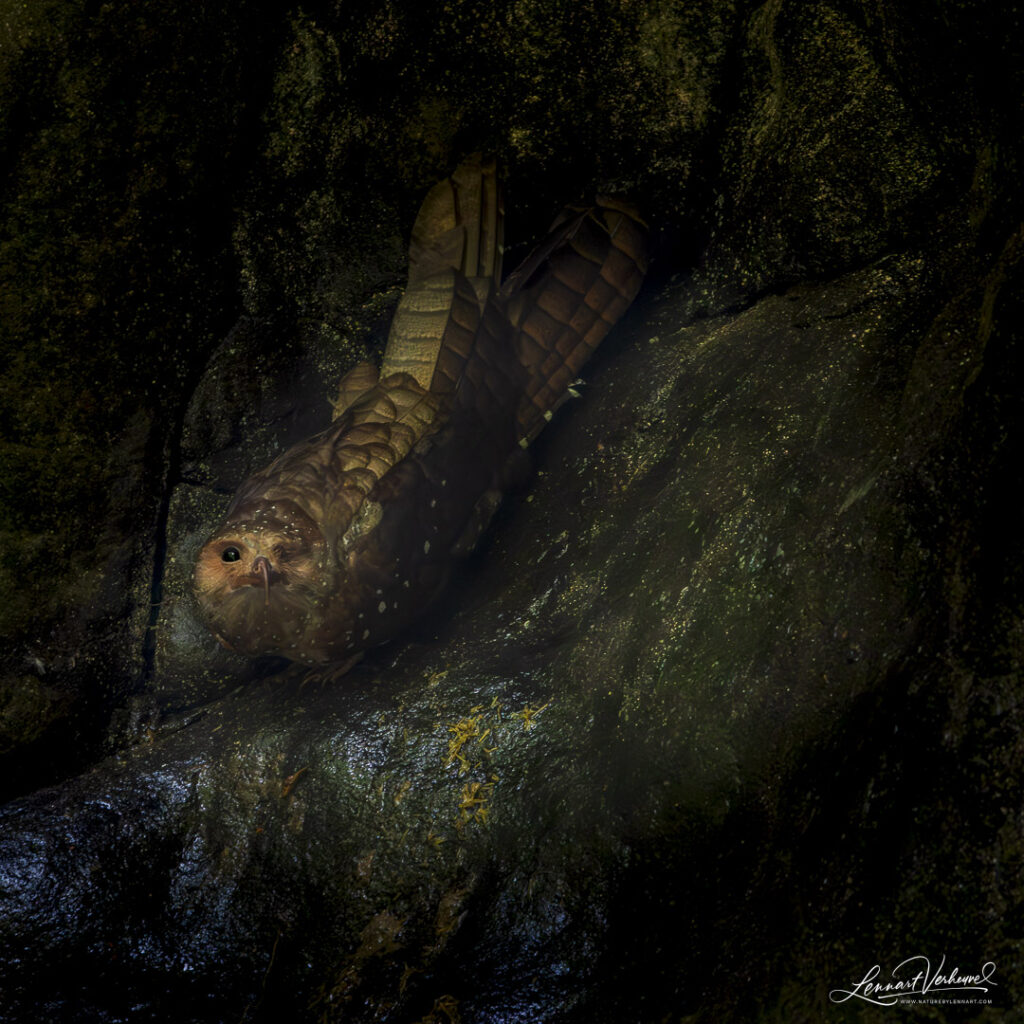
Oilbird
At that point, I had seen everything I had hoped for. The trip honestly could not have gone any better. It was also high time to continue toward Mirador El Roble. Together with my driver, I followed the winding mountain road upward while rain poured down heavily. I still had my window slightly open when suddenly I heard a call that sounded familiar. Could it really be? It reminded me of White-capped Tanager!
Before the trip, I had specifically asked about this species, but there were no reliable sites. That made sense because the species is nomadic and constantly on the move. That doesn’t mean it is often missed on birding trips, but you definitely need some luck. During my weeks in Ecuador, I had completely missed it.
Given the short amount of time I had in Colombia, I wasn’t expecting it at all. But sometimes things suddenly work out better than expected! I was intrigued enough to ask my driver to stop, and I walked a little downhill. I played the call of White-capped Tanager, which immediately triggered a response. I saw some large birds moving through the vegetation, but I only became certain when I spotted a black bird about the size of a blackbird with a white head: White-capped Tanager!
I was absolutely thrilled with this unexpected bonus and immediately started taking photos. The closest bird was a somewhat duller-colored female. Naturally, I photographed her as well, but I also really wanted to see a male because of their striking red throat.
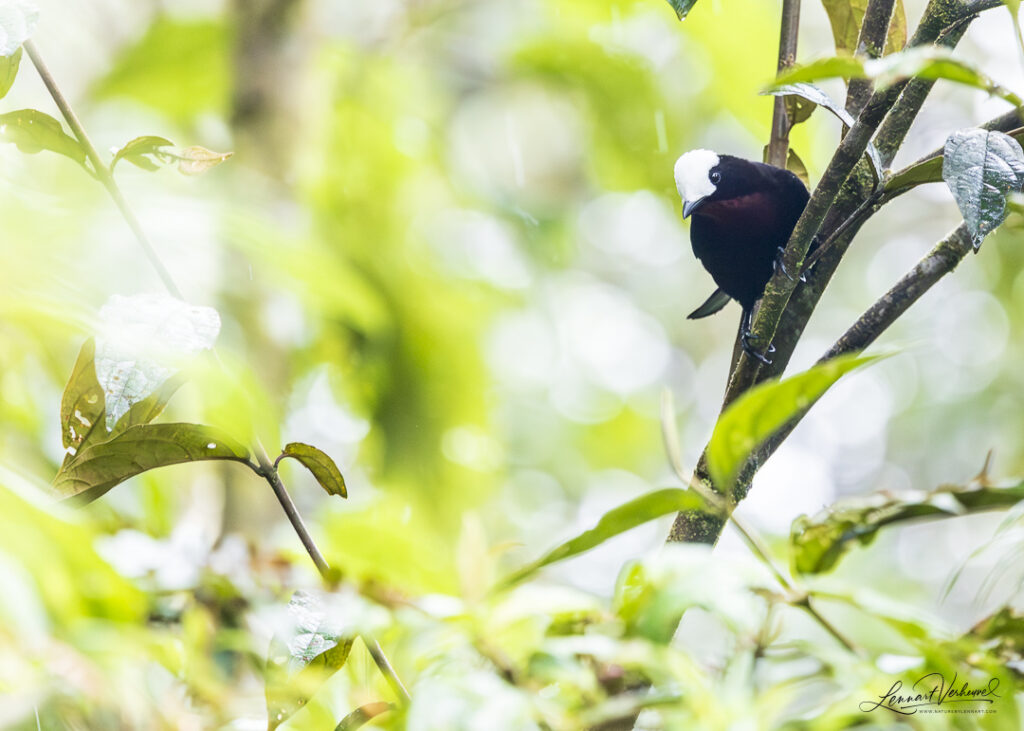
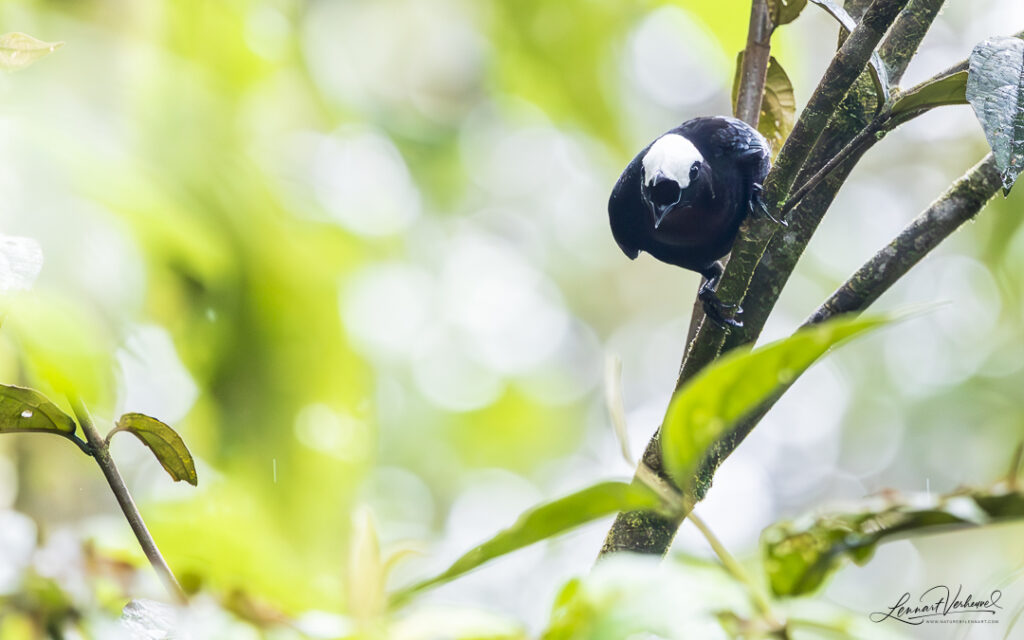
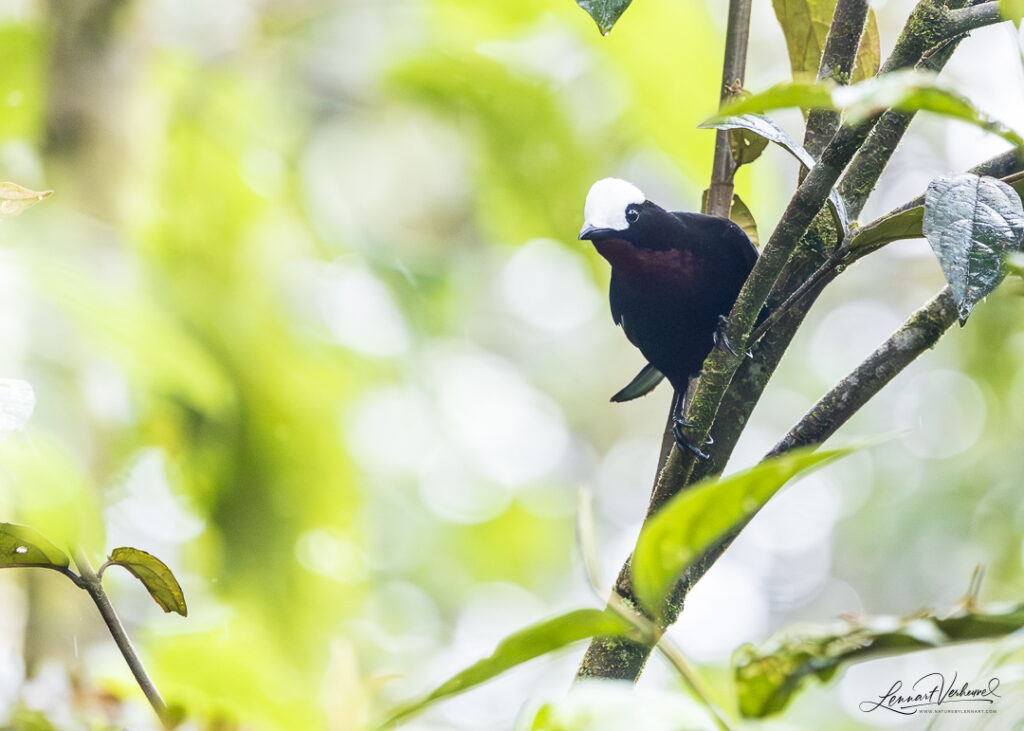
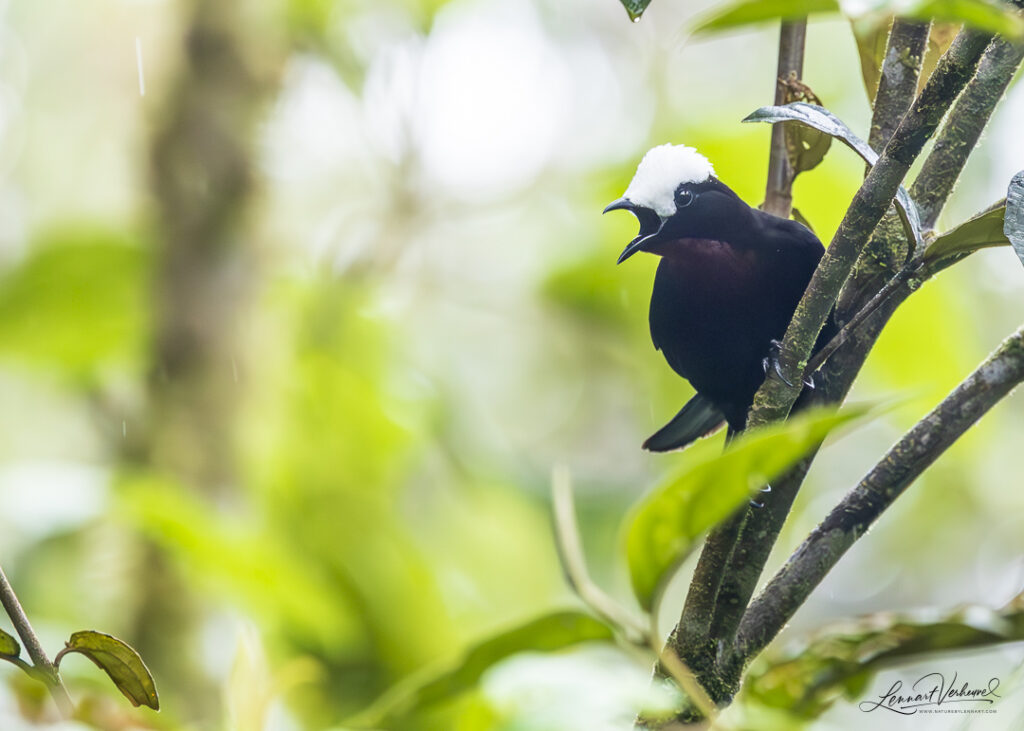
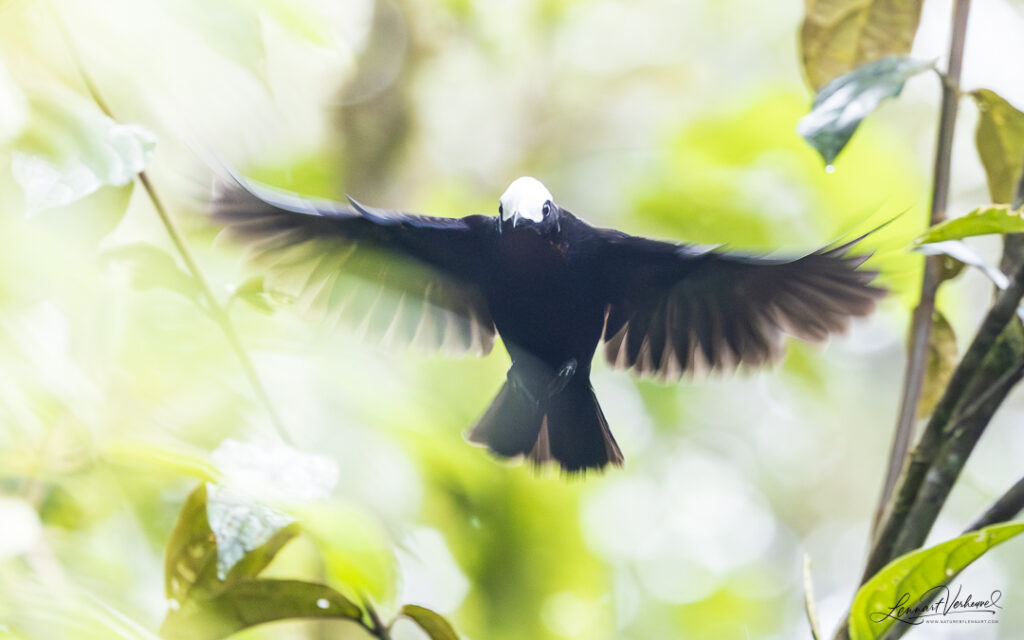
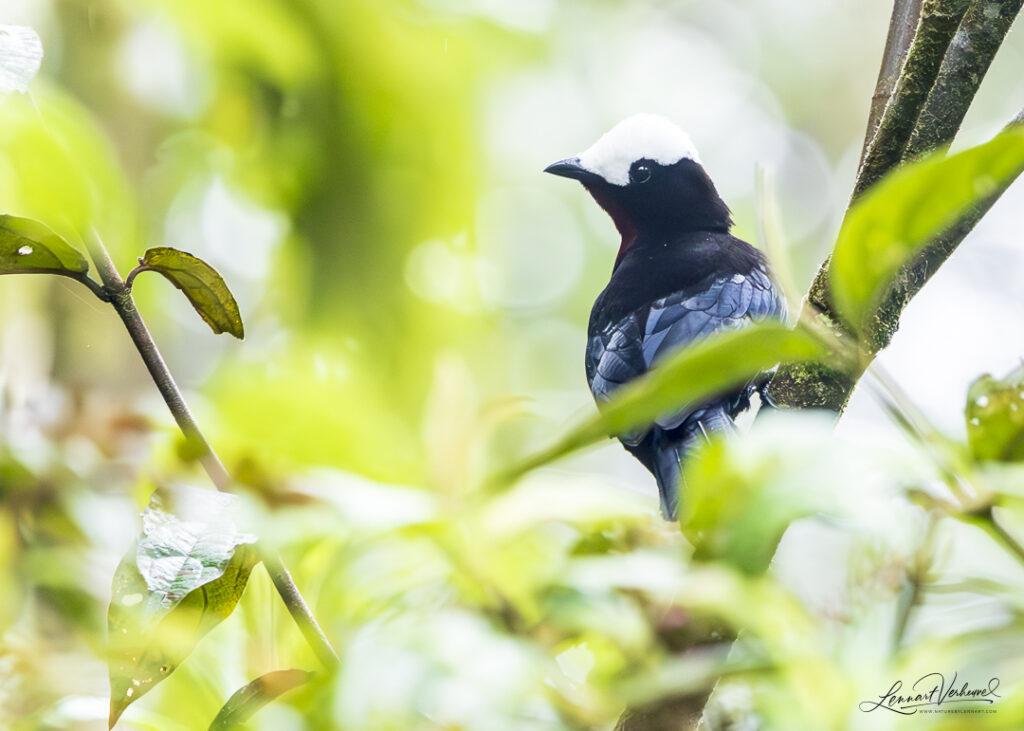
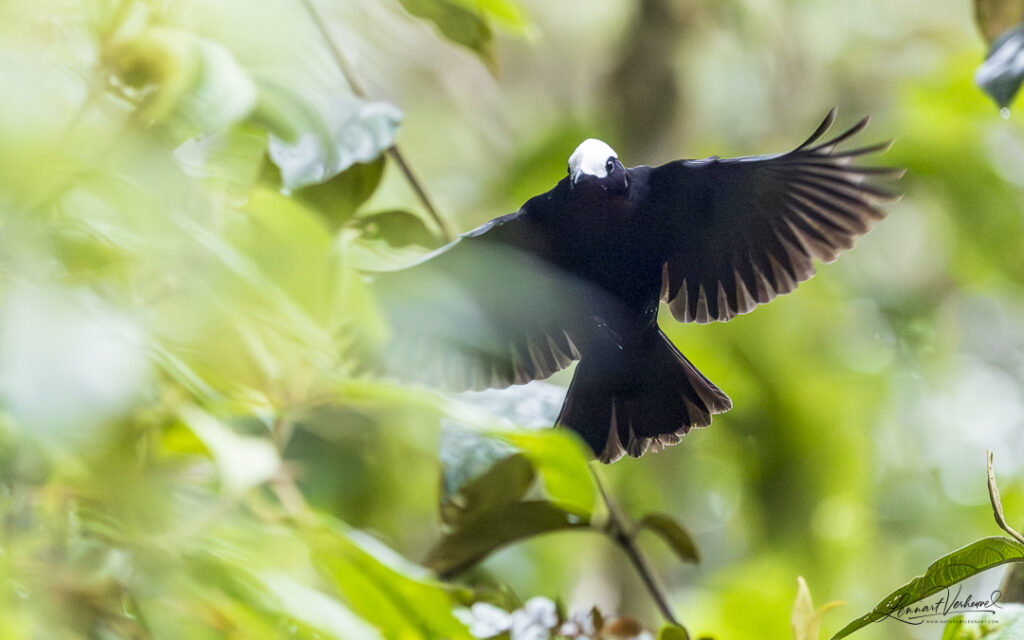
White-capped Tanager
Fortunately, I soon found a pair that remained perched motionless on a branch for several minutes. I was extremely satisfied with the observation!
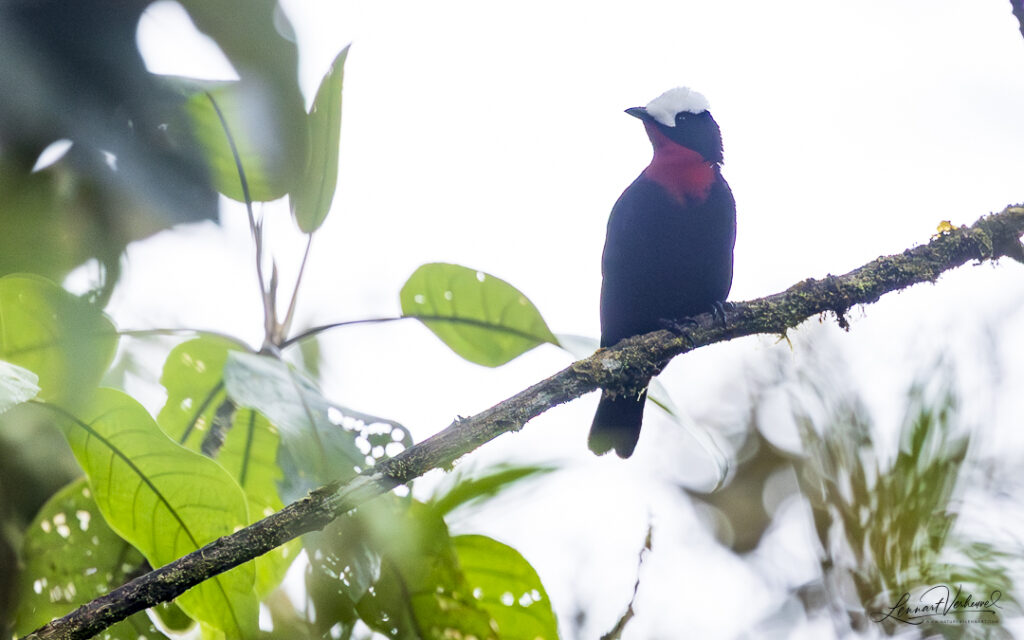
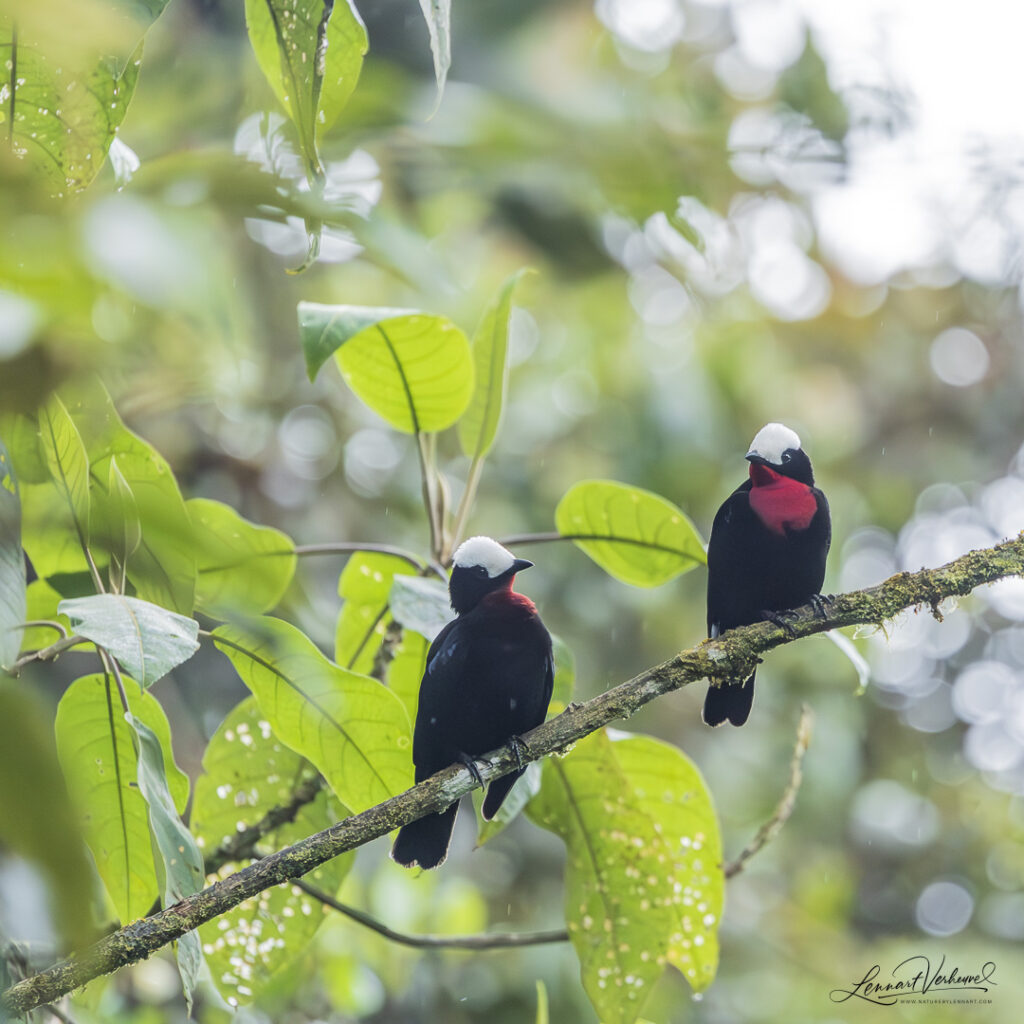
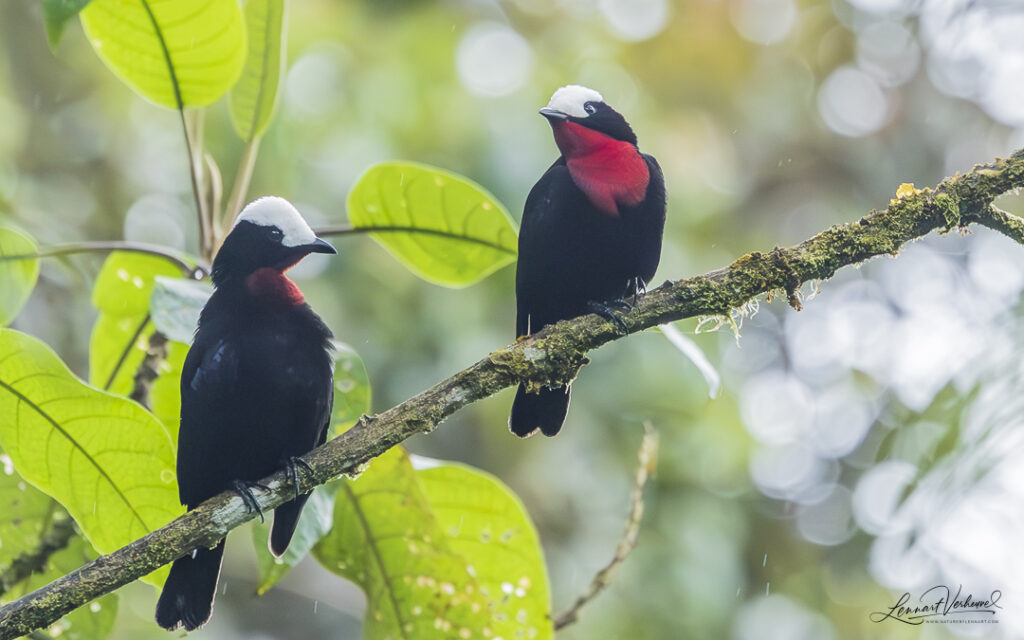
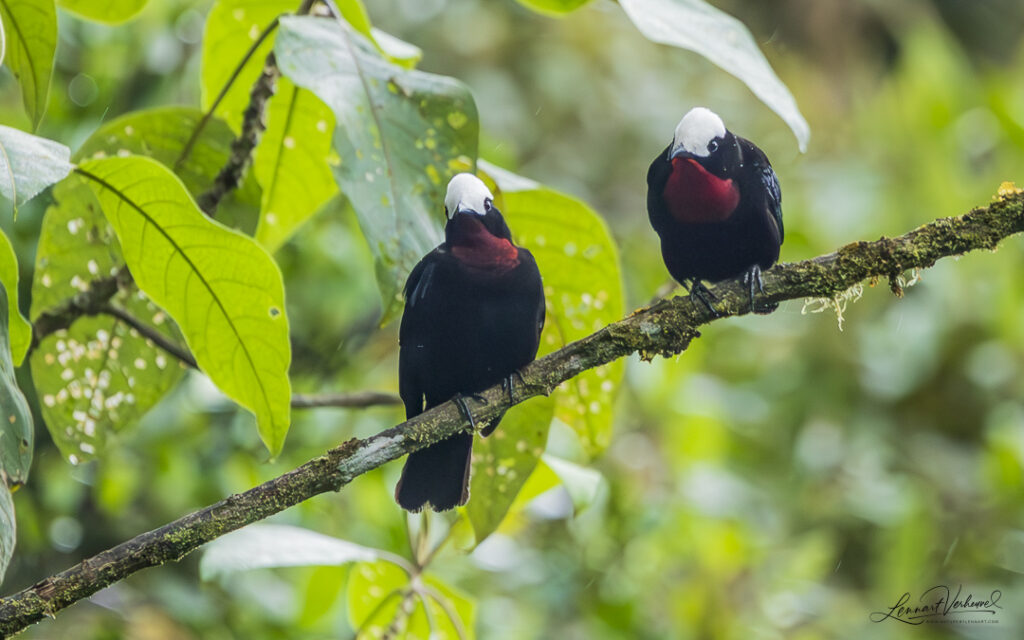
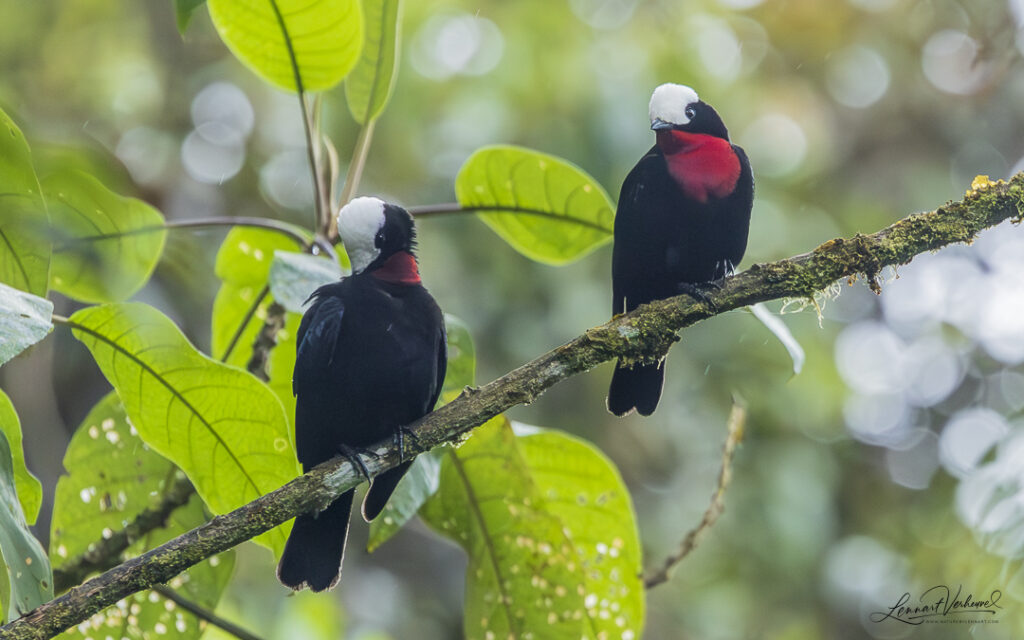
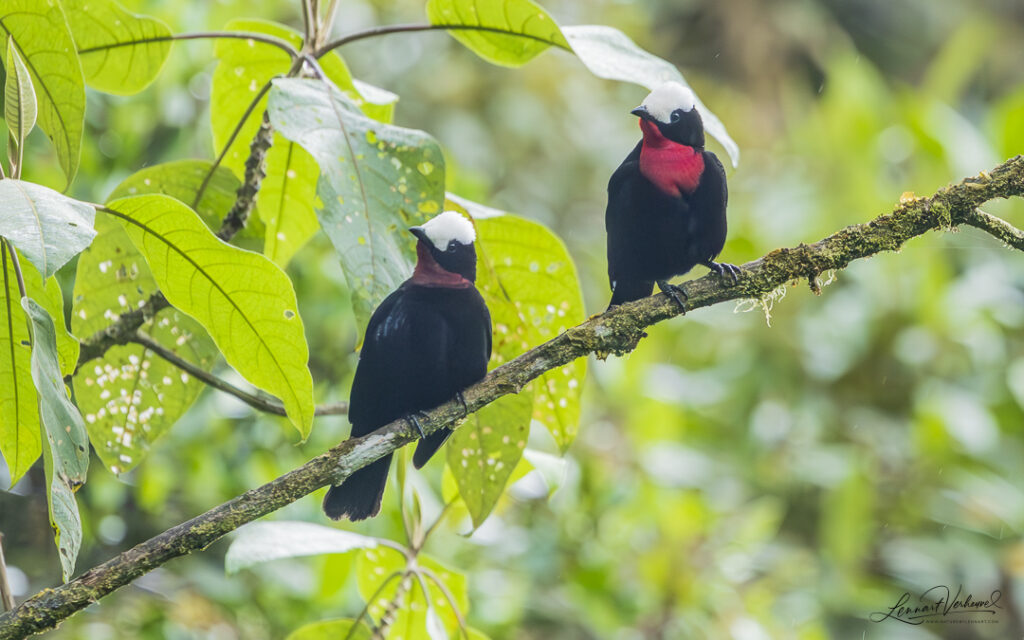
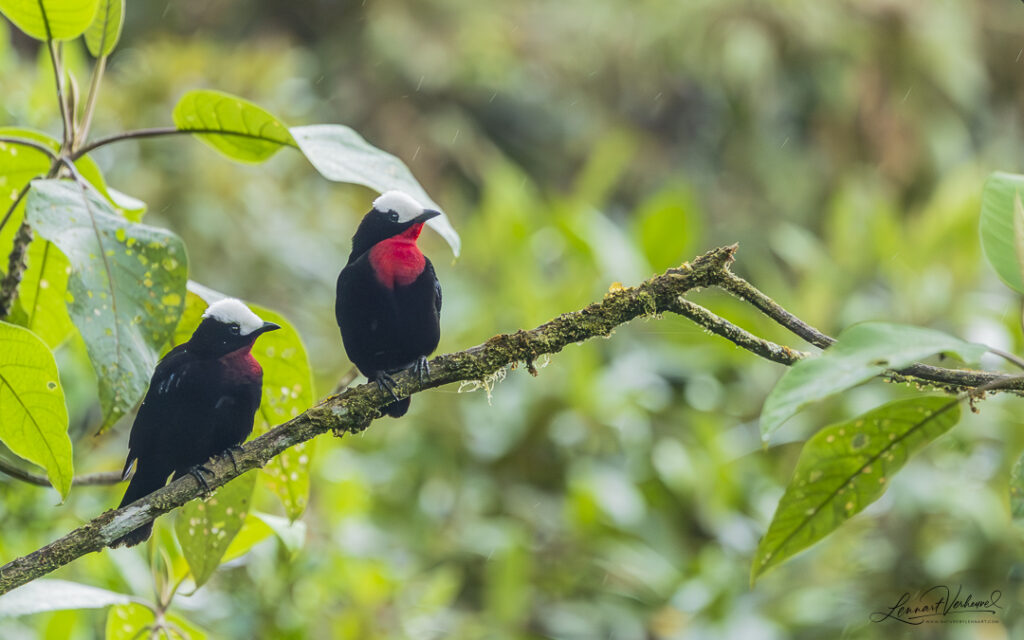
White-capped Tanager
We then continued toward Mirador El Roble, where I would experience success beyond anything I had dared to dream of. This trip seemed to go exceptionally smoothly!
As a final bonus, I even saw Chestnut-naped Antpitta during my stay at El Roble — another species I had missed in Ecuador, and in my opinion one of the most beautiful of the larger antpittas.
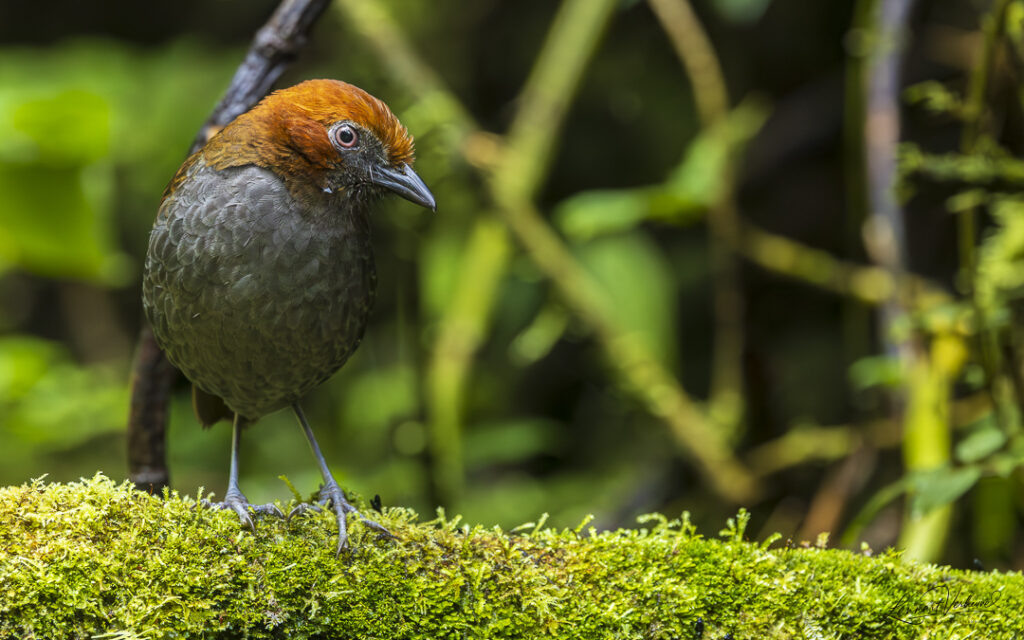
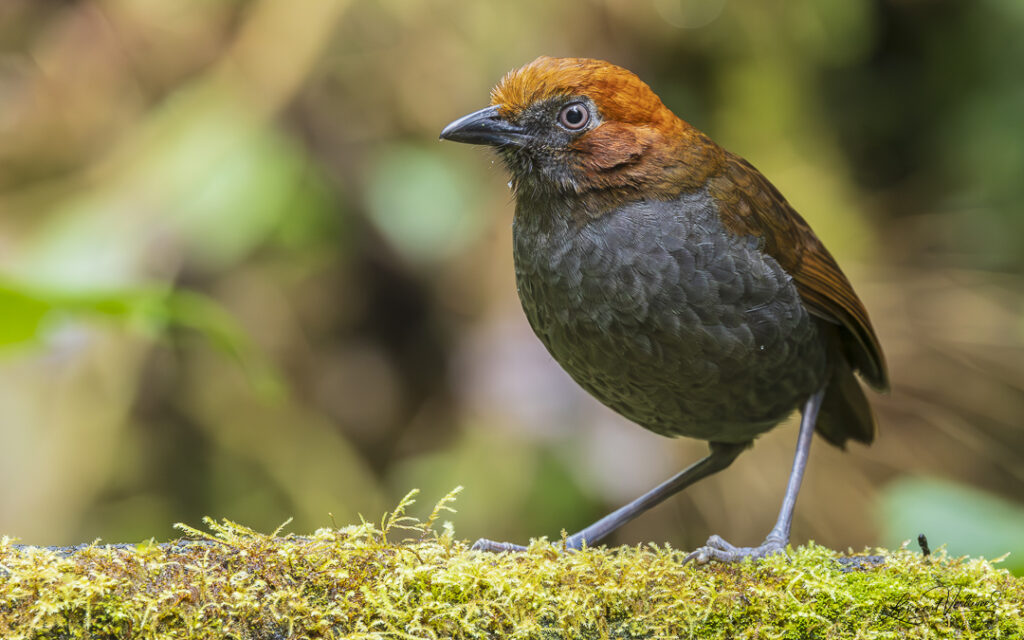
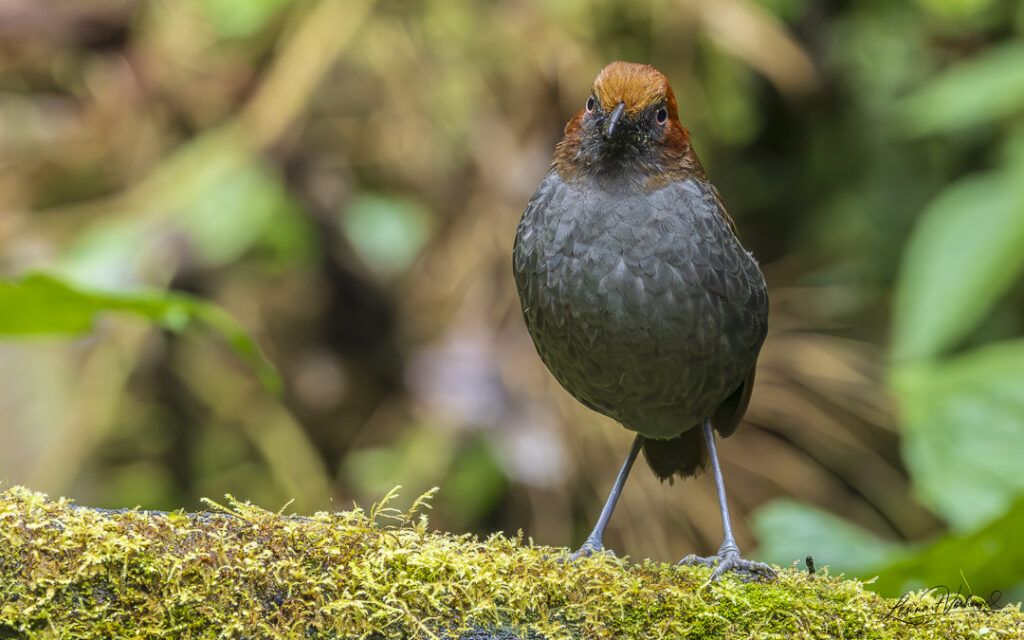
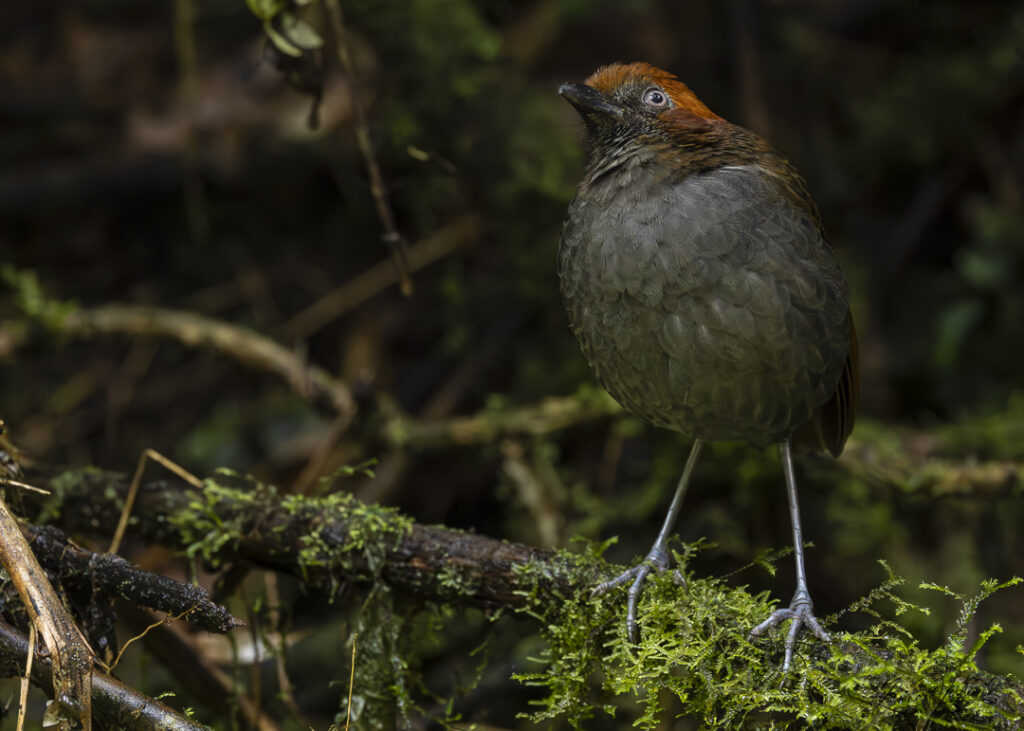
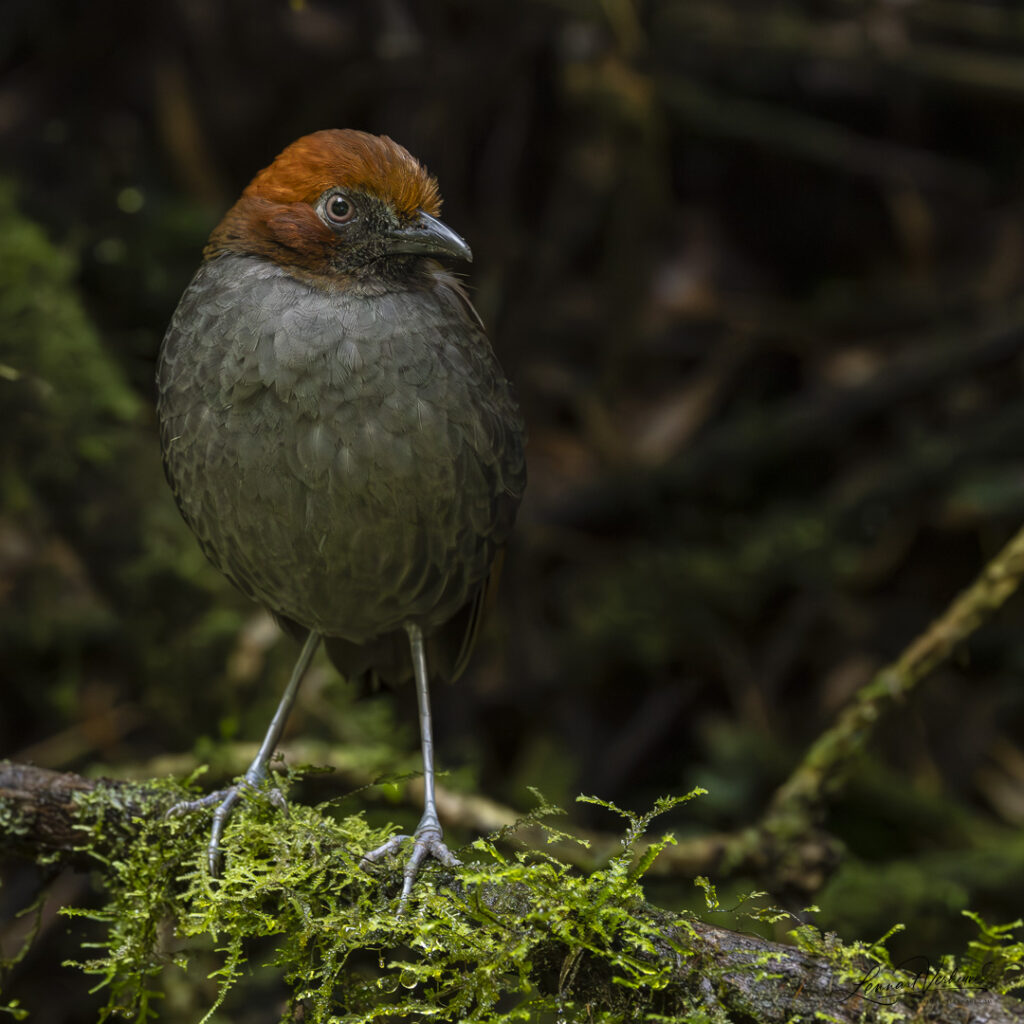
Chestnut-naped Antpitta
Want to see the reason I came to Colombia? Read all about the Northern Oncilla!c
I also made a special post about the hummingbirds of the Colombian Andes and tried a different kind of photography with them: look here for the results!


2 comments so far
Hans TetterooPosted on8:17 pm - May 31, 2026
Schitterend Lennart!
Lennart VerheuvelPosted on7:10 am - Jun 1, 2026
Dankjewel Hans!