- info@naturebylennart.com
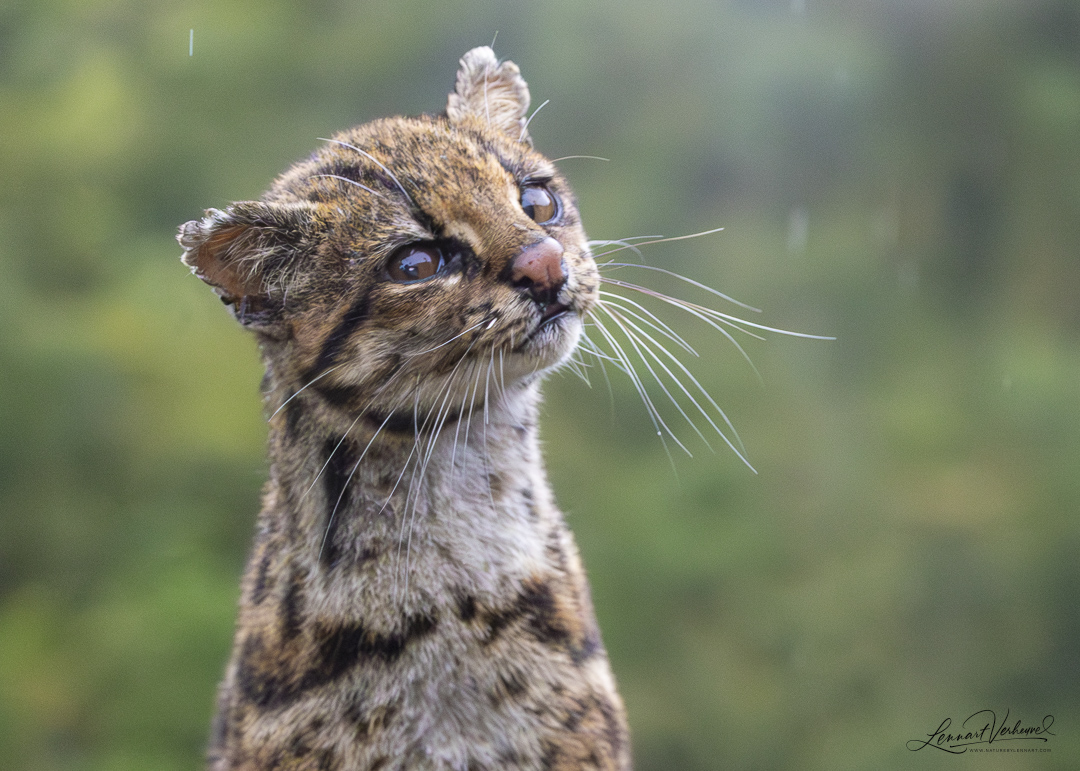
In 2021, I traveled to Ecuador for a few weeks. It was a fairly last-minute trip, and I hadn’t prepared very thoroughly. My main goal then was to see a Spectacled Bear, but I also wanted to try for the Northern Oncilla. At the time, this small wild cat was being seen relatively regularly at a few locations. In the end, I succeeded with the bear, but unfortunately the cat remained elusive.
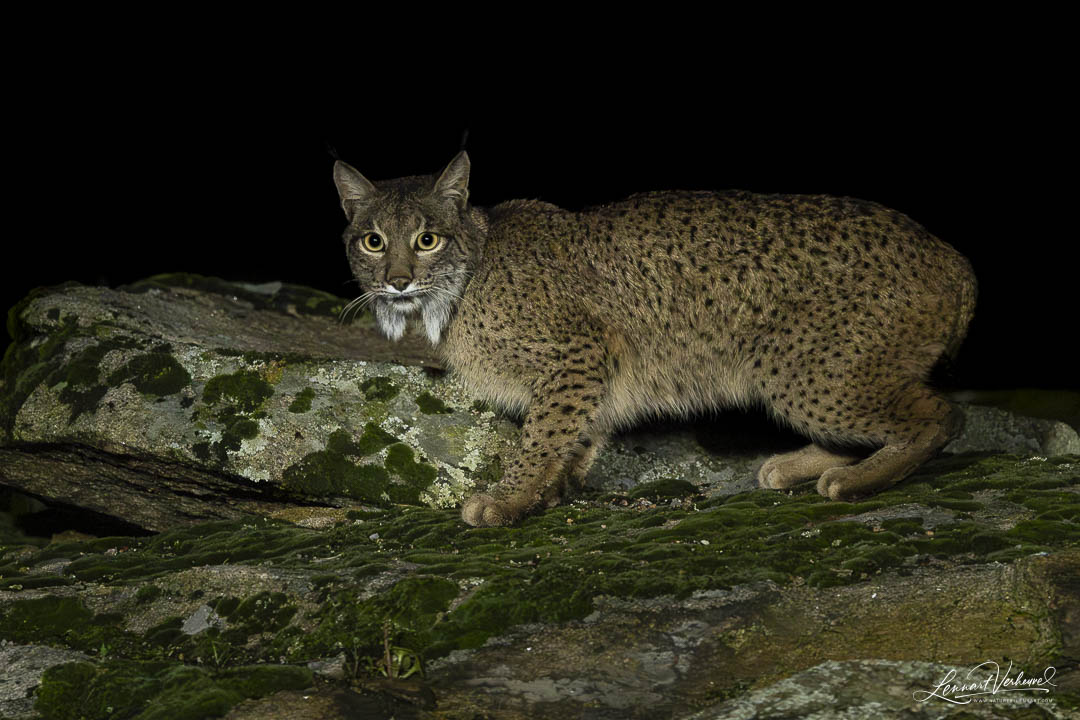
In February 2024, I travelled to Estonia with Arie-Willem van der Wal and Jacob Molenaar in search of Eurasian Lynx. Afterwards, we talked about how it would also be great to see Europe’s other lynx species: the Iberian Lynx! This beautiful cat lives in Spain and is still one of the most endangered feline species in the world. For a long time, the Iberian Lynx was on the brink of extinction, but thanks to intensive conservation efforts the species has fortunately recovered remarkably well in recent years.
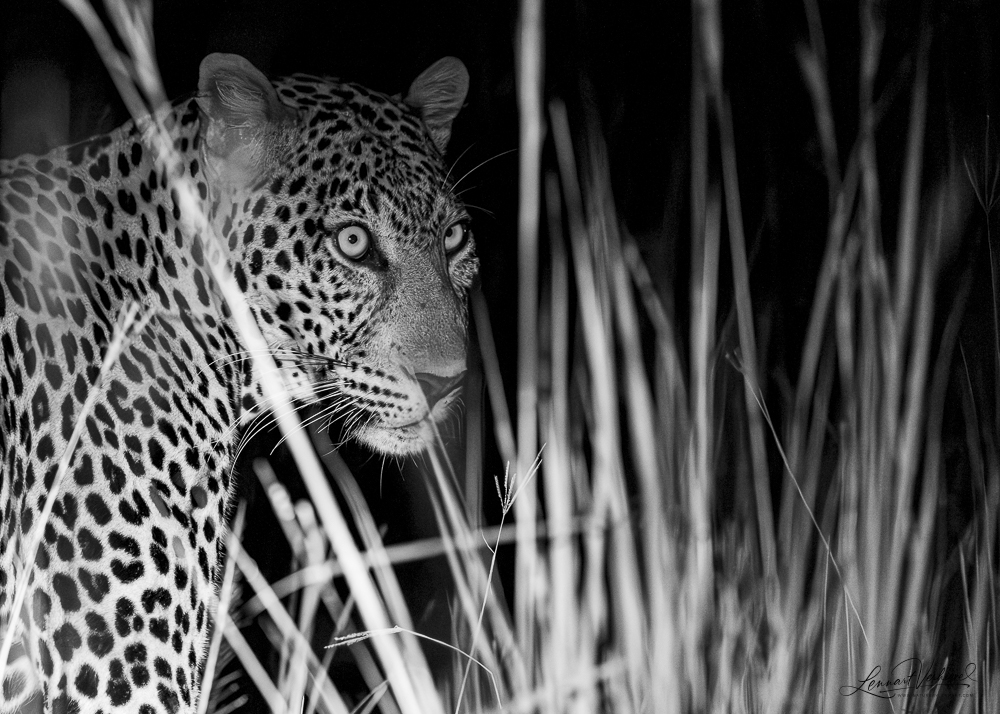
The last place I’ll be writing a separate report about is Murchison Falls National Park. Uganda offers the best of both worlds with excellent rainforest and also excellent savanna where the more typical African animals can be found such as Lions, Giraffes, Elephants and so forth. During our trip, we visited several typical savanna parks, including Lake Mburo, Queen Elizabeth National Park, and finally Kidepo National Park. Personally, I thought Murchison Falls was the most beautiful location of the four, which is why the post will focus on this park. Of course I can’t help, but name a few of the highlights from the other parks as well!
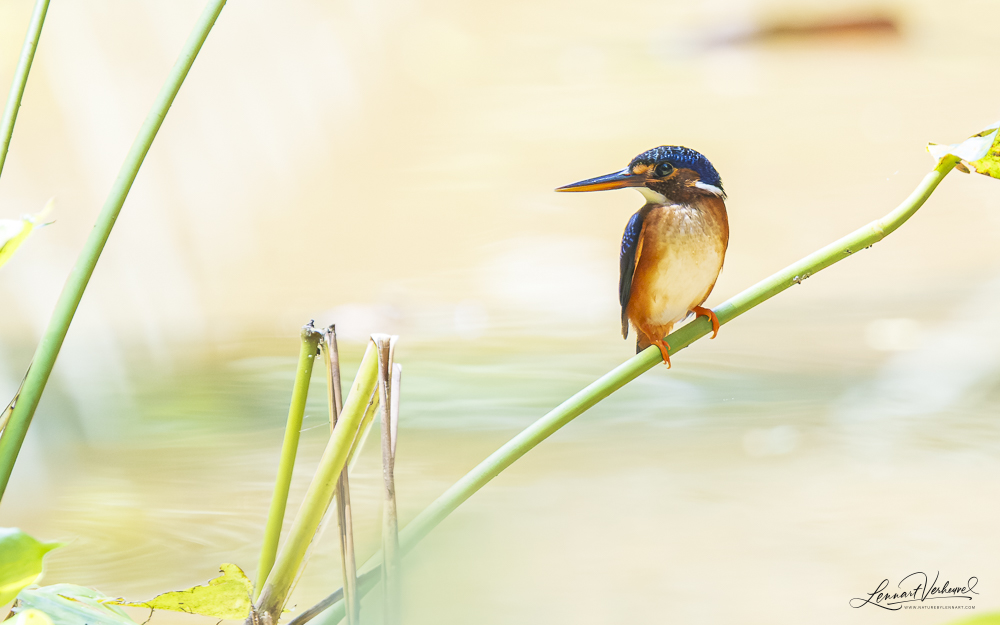
In the summer of 2025, I spent three weeks traveling through Uganda. Some of the most remarkable days or sightings from this trip I’m writing out in separate blog posts with plenty of photos. This time it’s Semliki’s turn!
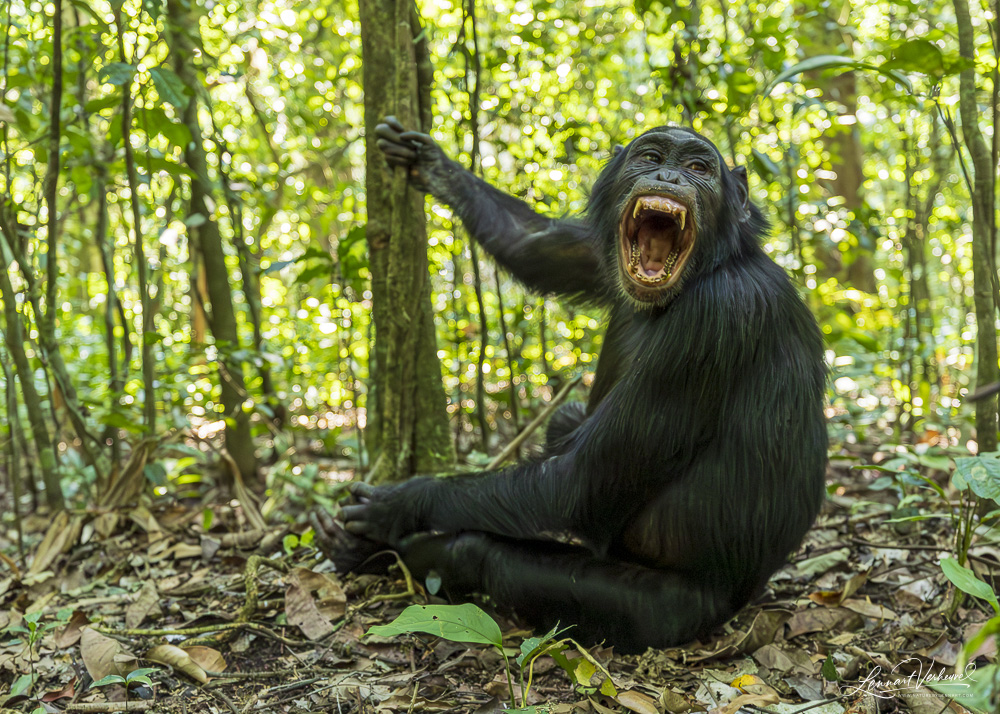
The Chimp Trek feels a bit like the natural counterpart to the Gorilla Trek in Uganda. The parallels are easy to see: both animals belong to the so-called great apes, and in both cases they are habituated to people. No binoculars required!
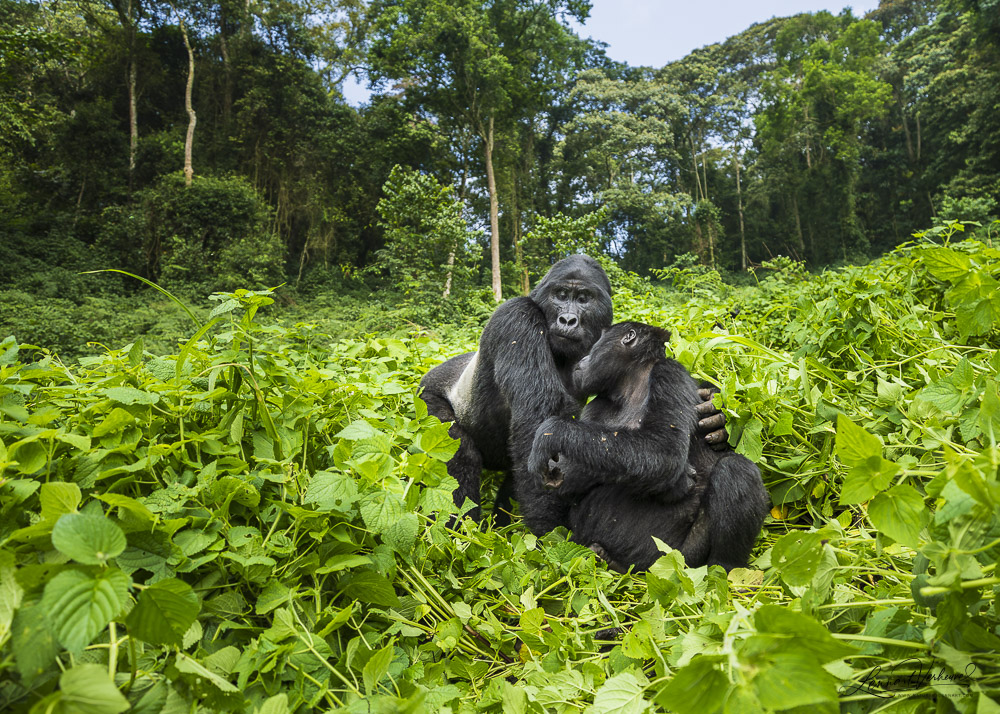
Some of my trips revolve around finding one very specific species. For example, when I traveled to China, my main goal was to see the Giant Panda. We invested two full weeks in the search, and fortunately, that effort paid off! On other trips, the focus isn’t always on a single species but rather on seeing as many birds or mammals as possible. In Uganda, it was clear from the very beginning that the main goal of our group was to see as many bird species as we could.
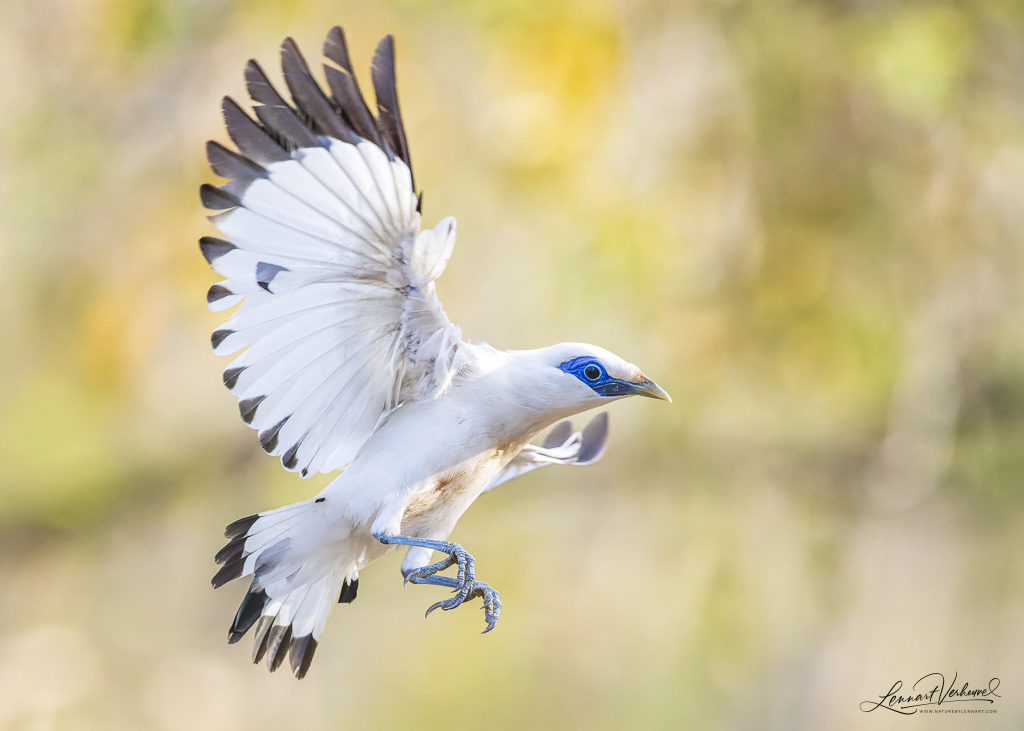
Bali is one of those places that hardly needs an introduction for most people. For years, it has been known as a haven for European vacationers looking to go a bit farther than the Spanish sun and perhaps also interested in learning the basics of yoga. But Bali also hosts a variety of fascinating bird species! For me, Bali was primarily a stopover en route to a place that dóes require an introduction for many: the country of Timor-Leste, or East Timor. In that country, I hoped to photograph blue whales underwater. But first, a stopover in Bali!
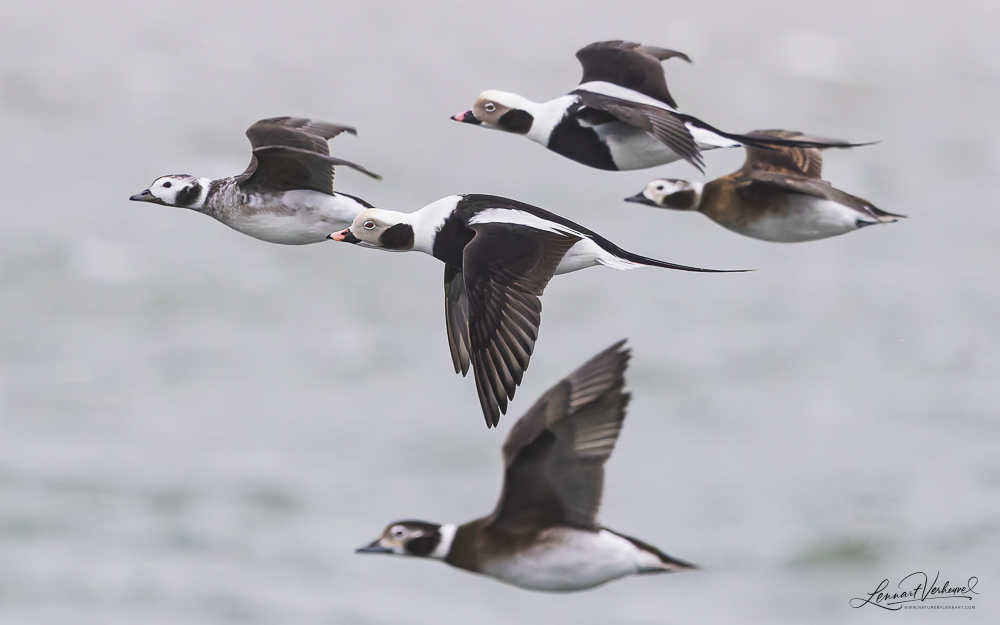
In February 2024, Arie-Willem van der Wal, Jacob Molenaar, and I went to Estonia for a week to search for Eurasian lynx. We planned to spend four days and four nights searching for the lynx, and on the fifth day, we would look for a special duck: the Steller’s eider. Now that the first four days had gone really well, it was time for the icing on the cake!
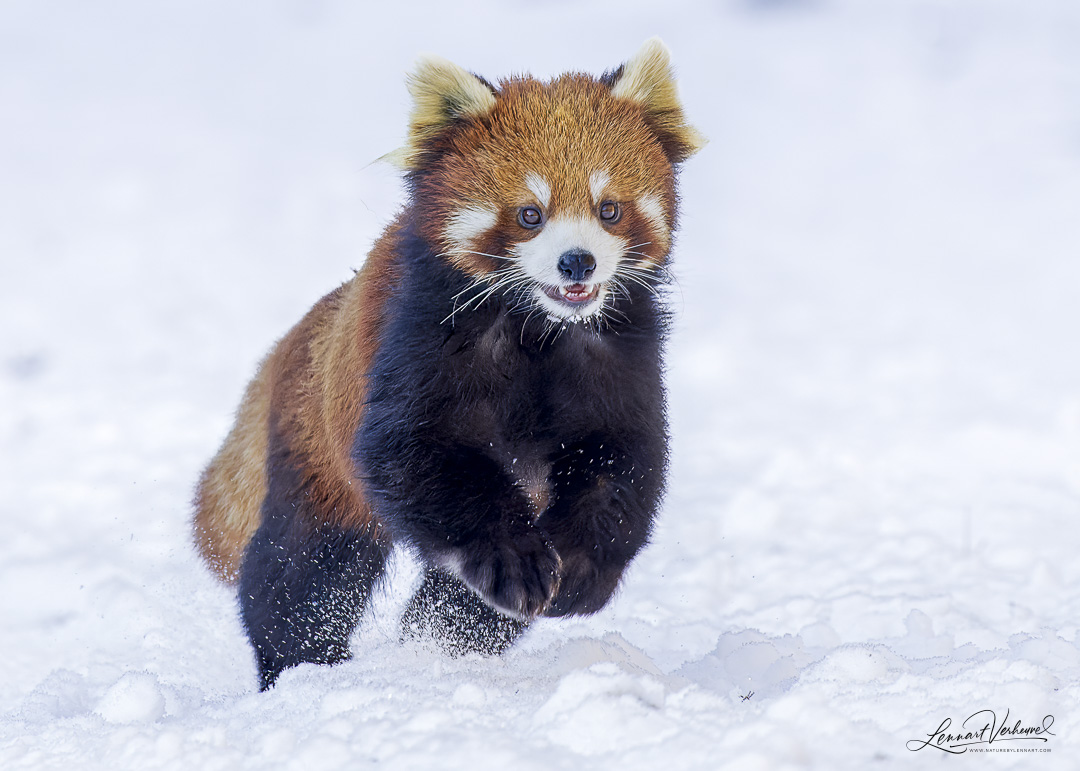
Giant Panda is of course the iconic animal of China. However, the country is also known for another panda: the Red Panda or little panda. This animal actually isn’t even genetically close to the Giant Panda. They are both carnivores and that’s about it. Actually, this animal is genetically distinct not only from the Giant Panda, but also from just about every other animal on the planet. As one of the few animals, the Red Panda single-handedly represents both a genus and a family. That family falls under the superfamily Musteloidea, which also includes raccoons, skunks and weasels. Besides being genetically special, it is also a very attractive animal to look at. So I really wanted to see this one!
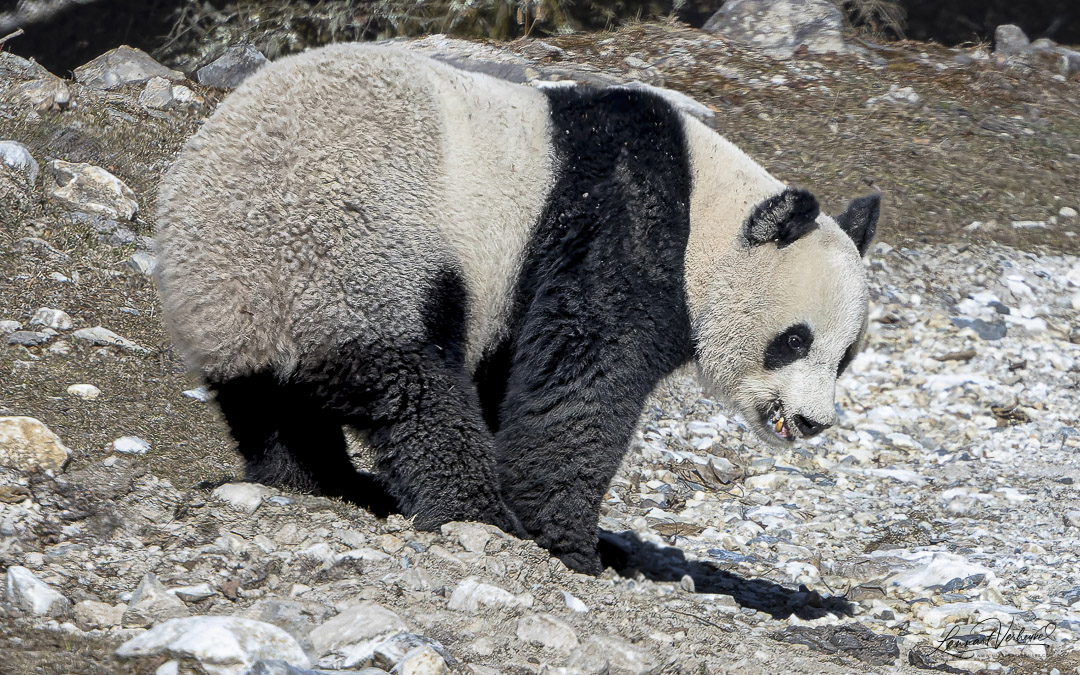
Of the several thousand mammal species in the world, the vast majority are not known to the general public. Mention an obscure rodent or bat species and most people don’t have the faintest idea of what you are talking about. The larger mammals are usually more in the picture, but also in that category there are plenty of examples of animals that are not so well known. Often when I am going to look for a special cat, I have to explain more than once which cat it is exactly and where it can be found. This is not so much the case for species such as Tiger, but a species like Rusty-spotted Cat doesn’t ring so many bells. The species I went to look for during Christmas and New Year 2023/2024 I didn’t have to introduce to anyone.

