- info@naturebylennart.com
At the end of March 2026, I suddenly found myself in the Colombian Andes. For more than two years, a Northern Oncilla had been visiting a lodge in the Andes—Mirador El Roble—with some regularity. Because the cat could also disappear for days or even weeks at a time, planning a trip around it was difficult. But when I learned that the cat had been showing up almost every day during the early months of 2026, I started looking for an opening in my schedule in the near future. In three weeks I happened to have a week without any appointments yet. And before I knew it, I was on a plane to Colombia!
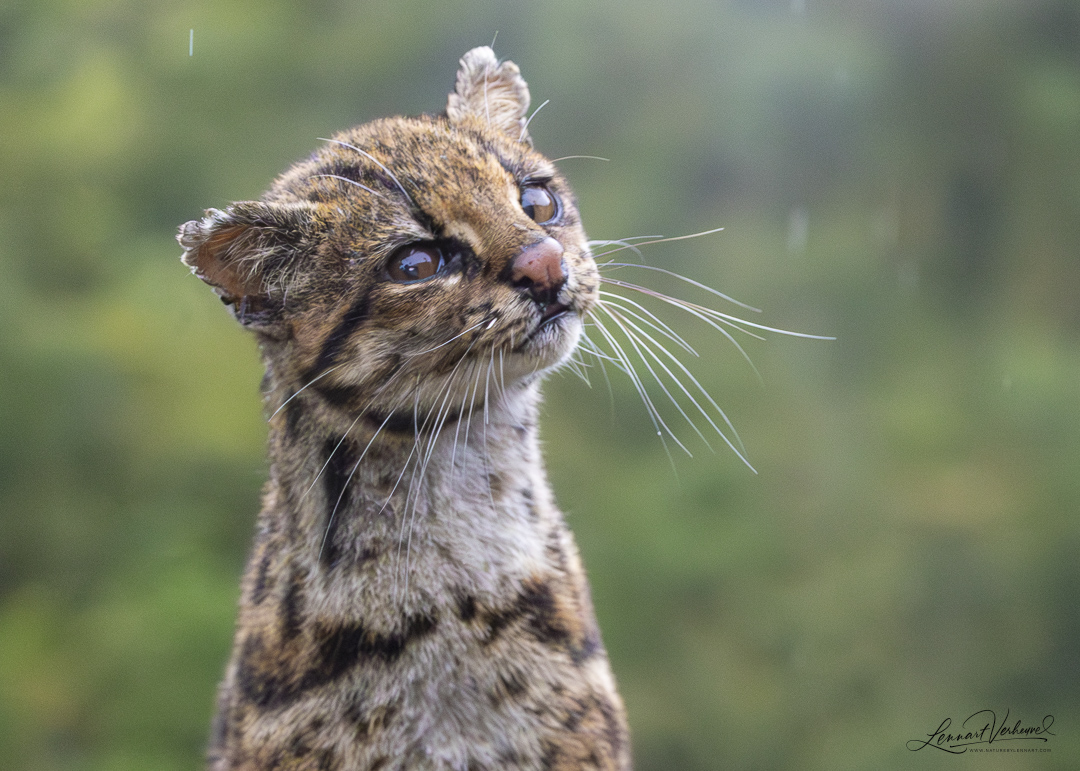
In 2021, I traveled to Ecuador for a few weeks. It was a fairly last-minute trip, and I hadn’t prepared very thoroughly. My main goal then was to see a Spectacled Bear, but I also wanted to try for the Northern Oncilla. At the time, this small wild cat was being seen relatively regularly at a few locations. In the end, I succeeded with the bear, but unfortunately the cat remained elusive.
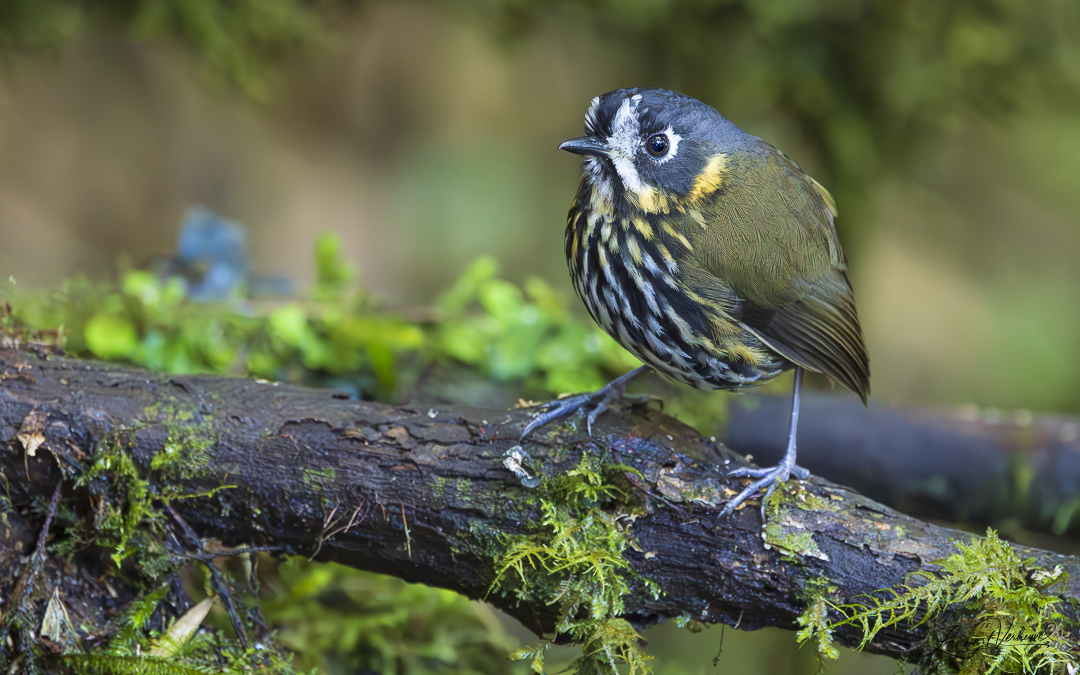
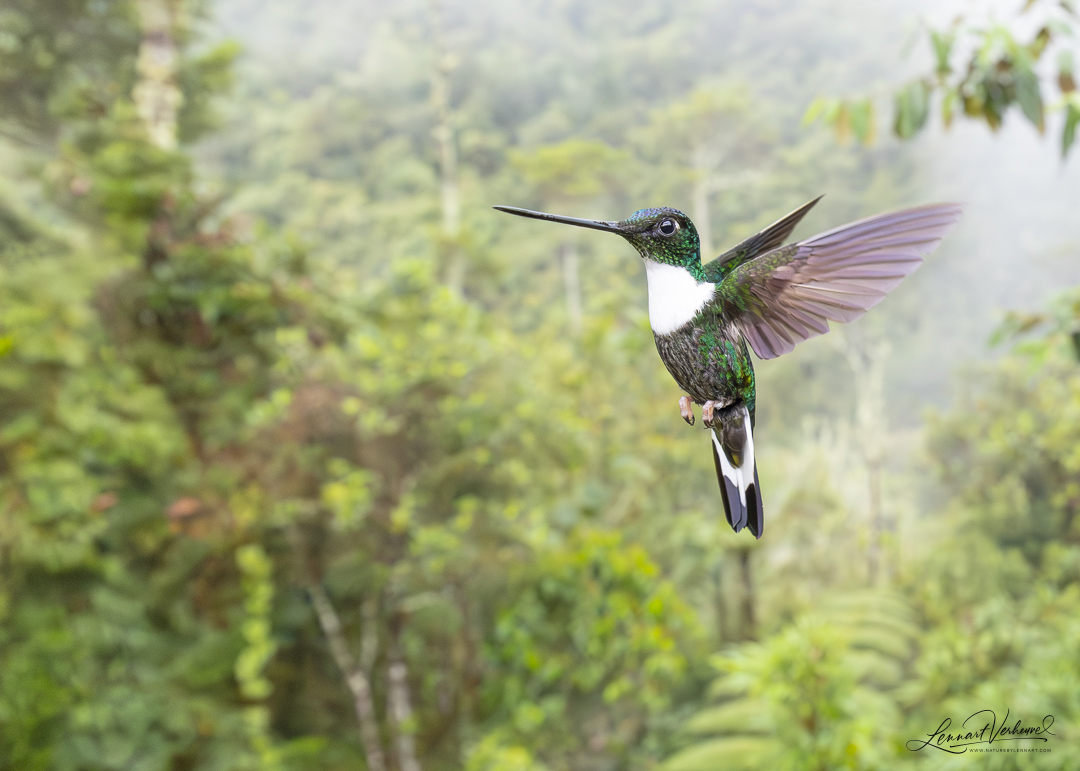
The cloud forest of the Andes is home to some truly extraordinary birds. Tanagers in particular show an incredible variety, making birding here very enjoyable. The temperatures are also much cooler than in the lowland rainforest, which means birds stay active for longer during the day. That lower temperature is pleasant for birders too, although the downside is that there’s hardly any time left for sleep, especially if you also want to look for birds at night!
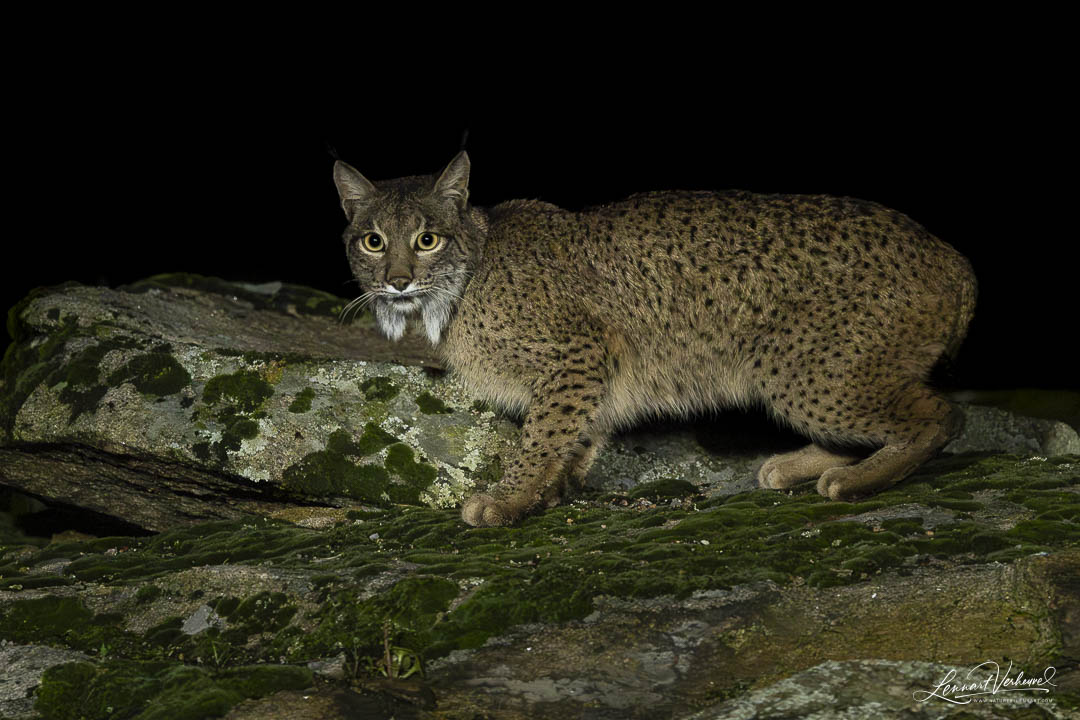
In February 2024, I travelled to Estonia with Arie-Willem van der Wal and Jacob Molenaar in search of Eurasian Lynx. Afterwards, we talked about how it would also be great to see Europe’s other lynx species: the Iberian Lynx! This beautiful cat lives in Spain and is still one of the most endangered feline species in the world. For a long time, the Iberian Lynx was on the brink of extinction, but thanks to intensive conservation efforts the species has fortunately recovered remarkably well in recent years.

